

More People Need To Be Eating This Ancient, Gluten-Free Grain (It's Not Sorghum)
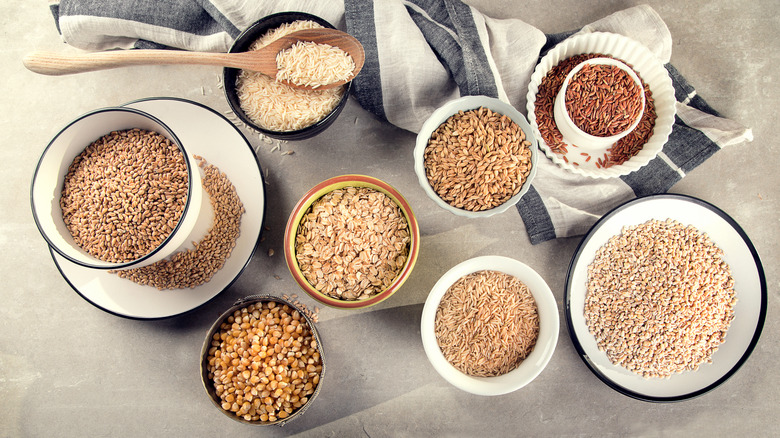
Ancient grains are quite possibly the food world's hidden gems, as they're versatile and packed full of nutrients that greatly help the human body. Many can be made into different types of flour for use in most anything you would use normal flour for, and some of them are even gluten-free, so people with celiac disease or gluten sensitivities don't have to miss out. One grain in particular, teff, deserves a lot more recognition than it currently gets.
Teff is a tiny ancient grain that hails from Ethiopia. It's been harvested and cultivated as a staple crop for millennia, possibly as far back as 4,000 B.C. Teff is not only the smallest grain in the world, measuring just one millimeter (that makes it about 100 times smaller than a typical wheat grain), but it's also highly nutritious and gluten-free. In Ethiopia, it's commonly used to make injera, a flatbread made from a fermented batter of teff flour and water. However, it's also versatile enough to be used in a variety of other recipes, including many types of bread, desserts, and even meatloaf. It can likewise easily fit into existing favorites like our superfood overnight oats.
Not only is teff nutritious, but it's also sustainable. It's a resilient crop that can withstand extreme conditions like little water and fertilizer, and is resistant to pests and disease. Teff is a highly environmentally-friendly and low-impact crop, which paints a bright picture of this grain's future.
Should you be eating teff?
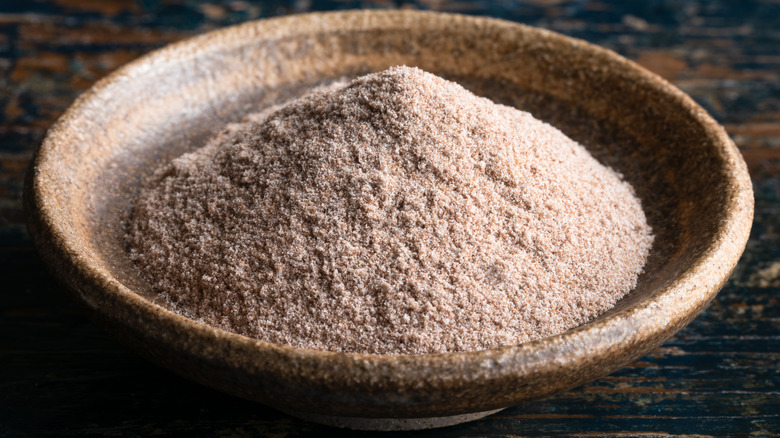
Teff contains many different vitamins and minerals, including fiber, iron, phosphorus, zinc, and vitamin C. In fact, 100 grams of it typically contains 98% of the daily recommended value for vitamin C, making teff a great boon for your bones, skin, and immune system. Teff is also a whole grain, so it doesn't lose any of the nutritious germ or bran like other, more processed grains do.
If you're gluten-free, teff can also be a great flour substitute when cooking. While you're cooking with teff, always remember that whenever you substitute ingredients in a recipe, you have to make further adjustments to ensure that your final product comes out as intended. In teff's case, it's generally drier than traditional flours (including many other types of gluten-free flour), so you'll likely need additional wet ingredients.
So, should you be eating teff? Most likely, yes. If you're looking to add some extra nutrition to your diet or are seeking out a new versatile ingredient, it's certainly worth at least trying. Just remember that everyone's bodies are different, with different nutritional needs. Also, teff allergies are possible, if rare, so you may wish to try a small amount before using it in a recipe just to be safe.