

13 Types Of Pizza Crust, Explained
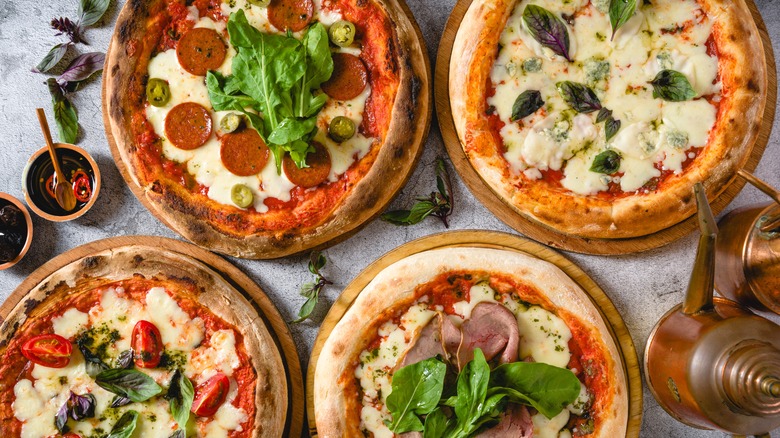
The foundation of any great pizza starts at its base: the crust. Thick or thin, flour-drenched or gluten-free — there's no wrong way to enjoy it. The crust is the dough that holds the entire magnificent creation known as pizza together, and all too often it's left by the wayside, in favor of flashier stars like tomato sauce, toppings, and, of course, cheese.
But, for a dish that's been around for centuries, there's loads of varieties of pizza that are unique in a multitude of ways, not the least being the crust. From old school classics to new-fangled creations, the crust of the pizza has taken on multiple forms depending on region, taste, convenience, cuisine, and so much more. Unless you're a heathen who leaves their crusts on their plate after finishing a slice (and if you are, who hurt you?), you know that a quality pizza crust can make or break a pie. Read on to discover different types of pizza crust and maybe discover your next favorite.
Neapolitan
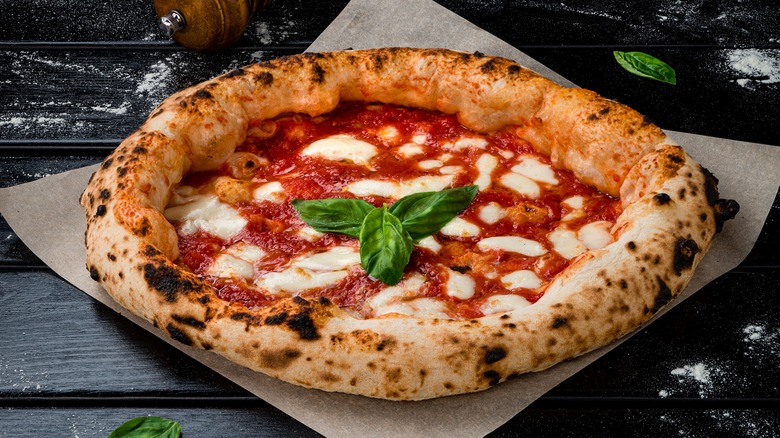
For an authentic trattoria experience, you'll want to pick up a pizza that's advertised as "Neapolitan," or as having a Neapolitan style crust. Originating in Naples, Italy, this style of pizza crust is thin with high, bubbly edges. Those edges typically feature some beautiful char, thanks to the use of a wood-fired oven in which this pie is baked. The pizza itself goes into a scorching-hot oven and bakes for a shorter amount of time, which leaves you with a softer center and a crispier round edge.
Traditionally, Neapolitan pizza is made with "00" flour, which provides the crust with its iconic chew and slight crispiness. It's also allowed to ferment for 24 to 48 hours, which allows for the flavor to deepen and mature. This also allows the yeast to properly rise, giving those delicious air bubbles that are so emblematic of this style of pizza crust. For the most classic Neapolitan-eating experience, get it just with sauce, cheese, fresh basil leaves, and a drizzle of good quality olive oil. Buon appetito!
Detroit style
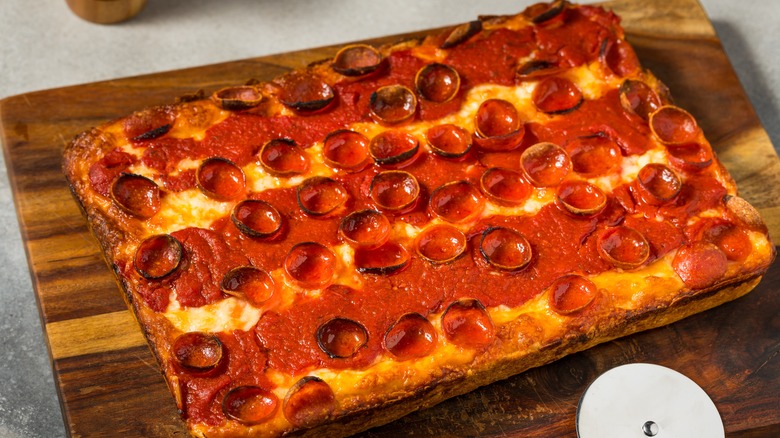
If crust is your jam, you'll want to grab yourself a Detroit-style pie, where the crust is arguably the star of the whole thing. What makes this style of pizza unique is the pan in which it's cooked in. Square in shape, the original Detroit-style pizza was baked in pans used to hold and clean spare car parts — a natural choice for the place nicknamed "Motor City." These pans were great at retaining heat, and allowed for the all-important caramelization of cheese along the crusts' perimeter.
Inspired by Sicilian-style pizza (more on that type below), which is also rectangular in shape, Detroit's style of pies is thicker and a bit breadier, with a tighter crumb structure. This thicker bottom crust allows for weightier toppings to be laid on top. In a move that resembles Chicago's deep dish pizza — also discussed below — Detroit's pizza lays it pepperoni, peppers, mushrooms, and the like directly on top of the dough. Then, it covers the whole thing with cheese — brick cheese, specifically. The cheese migrates to the edges, where they char and caramelize. Finally a couple stripes of a slightly thin tomato sauce finishes off this squared pie for a taste unlike any others.
Stuffed crust
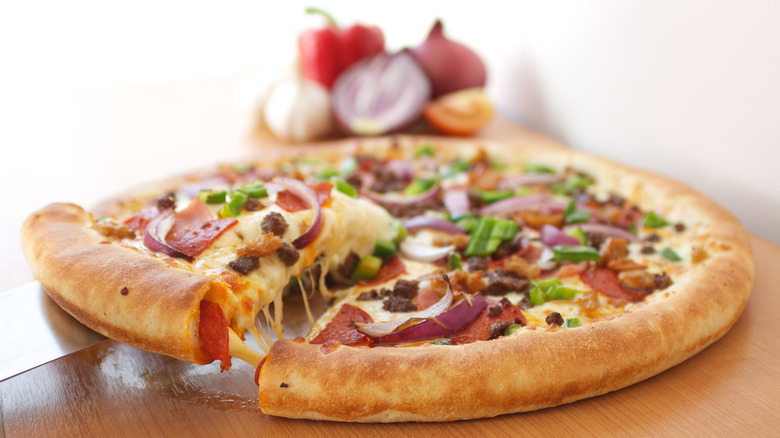
This crust is for the cheese lovers (and really, who among us isn't?). The thicker crust had a dense chew that was characterized by a layer of mozzarella baked right into it for that incredible cheesy pull. Unlike almost all the other styles of pizza crust on this list, stuffed crust is actually a relatively new invention, and one that was introduced by a singular pizza chain.
It was in 1995 that Pizza Hut first introduced the stuffed crust pizza. The pizza chain that also once offered us an all-you-can-eat-pizza buffet also opened our eyes to one of the most indulgent pizza crust options the very same decade. This style of crust was soon picked up by other pizza restaurant chains and frozen options, and Pizza Hut later expanded its culinary creativity to offer crusts stuffed with hot dogs, a crust stuffed with Marmite in New Zealand, a crust stuffed with shrimp and mayonnaise in Japan, and many more unique inventions.
For the crust connoisseurs, stuffed crust may well be the apex of pizza crusts. For others, it was a case of too much of a good thing.
New York style
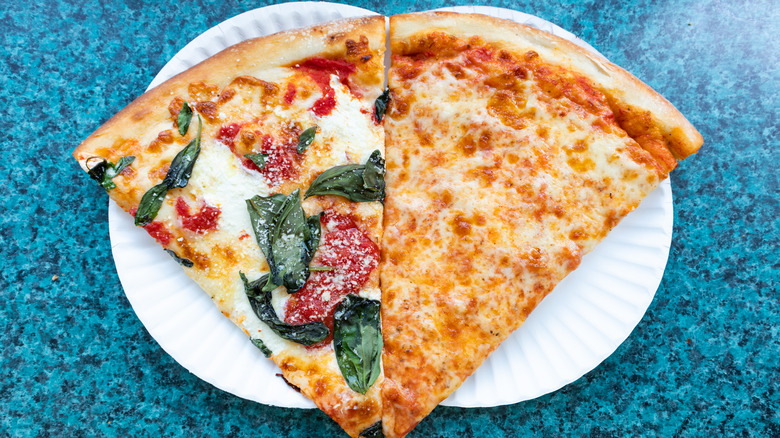
New Yorkers are frequently on the go, with subways and sidewalks dominating as methods of transportation. Trying to take a cute little yellow cab during rush hour? Hard pass. As such, it makes sense that one of the most beloved foods — pizza — would likewise be somewhat portable.
New York style pizzas are thin and floppy with a thicker outer edge. It's hand-stretched — never rolled — and uses a fairly light hand when it comes to ingredients like tomato sauce and cheese. The thin nature of New York style pizza crust means that the slice is meant to be folded up and enjoyed, which is also why the slices tend to be quite large when compared to thicker crust pizzas. The crust is made with a high gluten bread flour, which provides that necessary chew.
New York style pizza also has a cousin: Brooklyn style pizza. The main difference between the two is that Brooklyn style pizza is just that much thinner than its New York predecessor. Additionally, while New York style pizzas use a low-moisture mozzarella, Brooklyn favors a mozzarella and provolone blend. As for the rest of the toppings, they're kept to a minimum, so as not to overwhelm the extra thin crust.
Sicilian
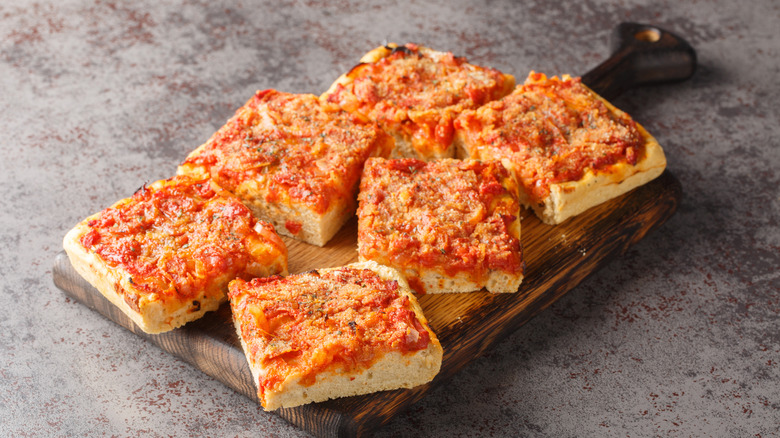
As mentioned, Detroit style pizza had its roots in Sicilian pizza. Both pizzas have a thick, rectangular or square crust, although that is largely where the similarities between these two styles ends.
Sicilian pizza – also known as "sfincione" — is identified by its thick, focaccia-esque crust. It is tender, airy, and spongy on the inside with a crunchy exterior, unlike the more dense, cheese-laden Detroit style pizza. Due to the nature of the crust, Sicilian pizza can hold lots of ingredients, giving it a heartier, more robust taste. Cheese doesn't usually factor as heavily in these pies, with more care given to an herbaceous tomato sauce and lots of toppings.
This style of pizza was introduced to the United States via Italian immigrants, where it flourished along the East Coast — hence its role in the creation of the Detroit-style pizza. For those who appreciate a thicker crust, Sicilian pizza may be your optimal choice.
Deep dish crust
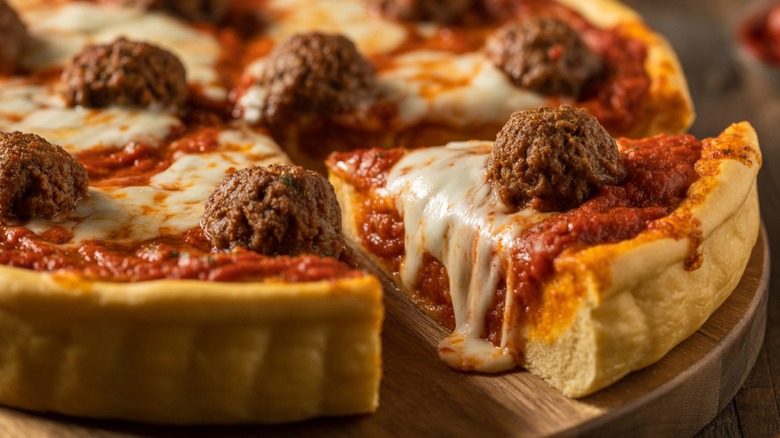
While the name "deep dish" connotes the extreme nature of the crust itself, really, the moniker is more about the crust as a vessel for all the delicious toppings. And, boy, is deep dish crust pizza filled to the brim.
Commonly used in Chicago style pizzas — and often referred to as "Chicago style deep dish crust pizzas" — this crust is identifiable by its higher edges. It almost resembles a cake pan in appearance, with a basin inside to allow for a copious amount of toppings. The crust edges are buttery and flaky, with an almost fried texture, thanks to the oiled pan the pizza is baked in. This crust is a sturdy one, thanks to its thickness, about one to two inches high. It's also made with oil or butter, which gives it that flaky, rich texture.
One of the standout features of deep dish crust pizza is that the cheese is actually laid on the bottom first, before the tomato sauce and other toppings. Then, favorite toppings — think pepperoni, mushrooms, and peppers — are generously layered on top. Finally, no authentic Chicago style deep dish crust pizza is complete without a robust ladling of chunky tomato sauce. For those who want to get lost in the sauce, this is the pizza crust style for you.
St. Louis style
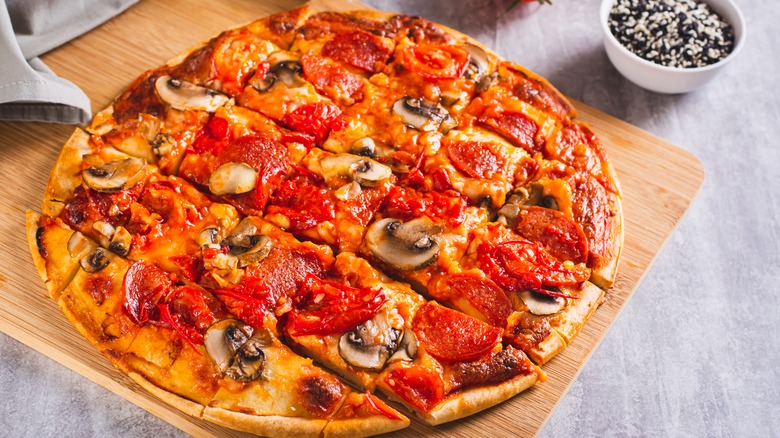
Take a trip over to St. Louis, Missouri if you want to try authentic St. Louis style pizza. Like Chicago's deep dish pizza, this style originated in the 1940s. However, where deep dish crust pizza is thick, flaky, and buttery, St. Louis style crusts are incredibly thin and cracker-like. Instead of yeast used as a leavening agent, these crusts opt for baking powder or baking soda — if any leaveners are used at all.
While the pizza is the classic round shape, it's still cut into "party squares", like Detroit style and Sicilian pizzas. It gets topped with a sweeter red sauce rather than a chunky, tangy one, and is finished with provel cheese. Provel cheese is a processed cheese that combines Swiss, white cheddar, provolone, and liquid smoke for a unique flavor and exceptionally melty texture. The cheese has a bit of a love-it-or-hate-it reputation, since that liquid smoke (and the overall processed nature) can feel almost blasphemous to pizza purists. For those who consider the crust as more of an afterthought, give St. Louise style pizza a try.
Grandma pizza
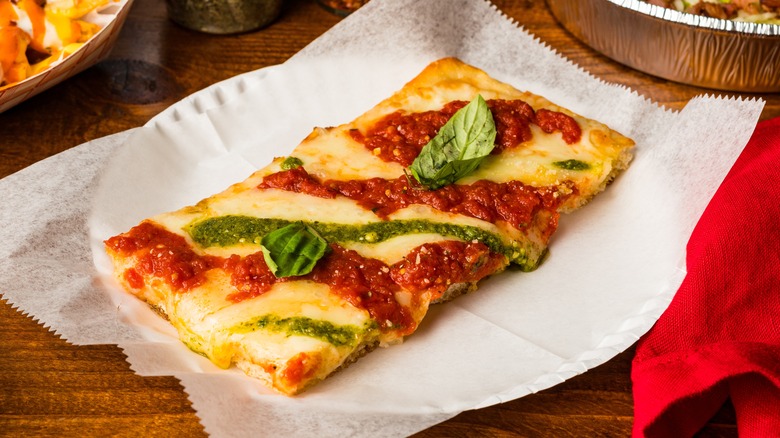
You don't need to have an Italian nonna in your family to get your hands on grandma pizza. This style of pizza can be made easily from the comfort of your own abode.
Naturally, the history of this specific pizza begins not in restaurants, but in home kitchens, from the hearts and hands of Italian-American grandmothers. Using equipment and ingredients that were readily available, grandma pizza was not tossed into circular shapes and placed in wood-fired ovens. Instead, it was hand-rolled or stretched and placed into rectangular pans. It was topped with a simple tomato sauce, cheese, and fresh herbs before being baked. Fresh tomato slices are also often a frequent topping on grandma pizzas.
While similar in appearance to the Sicilian style pizzas discussed above, grandma pizza is slightly different. Unlike Sicilian pizza crust, grandma style pizza crust hasn't been left to ferment or rise for very long. That ease and convenience was part of its appeal to home cooks. This gives it a thinner, more tender crust with a crunchy bite. Sliced into squares, this pizza style is an easy one to share.
Thin crust
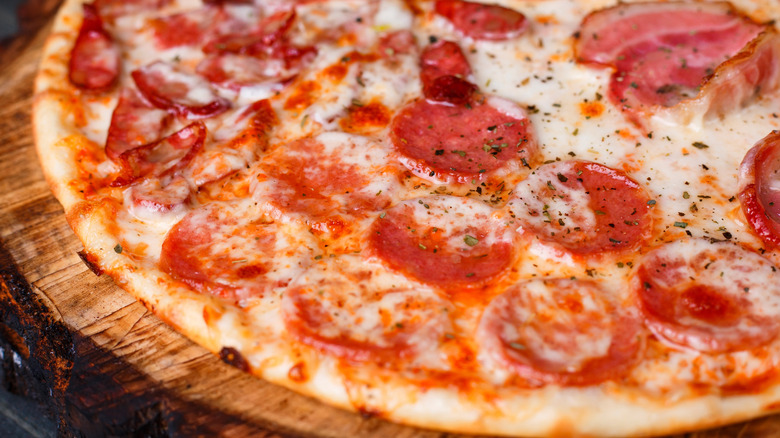
Compared to the previous pizza crusts already mentioned on this list, a thin crust doesn't sound very exciting. After all, there's not much history behind it. It's not region-specific, which means it can be ordered at pretty much any pizza place in existence (or purchased in the frozen section of your neighborhood grocery store). It's just a thin crust.
That said, there are plenty of devotees to this style of pizza crust, no matter what toppings are on it. Thin crust pizza is delicate, crispy, and flaky. To achieve this texture, it's rolled out (often at a larger diameter than its thick crust sibling) and baked at a high temperature. Thin crust pizza is lighter than thick crust, and much less doughy. The chances of having an underbaked thin crust are pretty slim, which means you're unlikely to encounter a soggy bottom or undercooked interior. Whether you're on the hunt for supreme pizzas, cheese-only pies, or something a little more specific, you can almost be certain a thin crust version of it exists.
Cauliflower crust

Developed as an alternative to standard flour-based pizza crusts, cauliflower crust is a trendy choice among the health-conscious among us for its wide array of benefits. In addition to being gluten-free, cauliflower crust is also low in carbs and low in calories, keto-friendly, and can also be vegan. Cauliflower is also chock full of nutrients like vitamins, minerals, antioxidants, and fiber, meaning it's a pretty great choice if you're looking to add some more veggies to your diet but don't want to miss out on the deliciousness that is pizza.
The original cauliflower crust pizza is hard to pin down exactly who invented it, but many bloggers started to write about it in the early 2010s.Unlike standard pizza crusts, you're not likely to experience much of a rise or any yeasty flavor in a cauliflower crust. Instead, it tends to be thin and crispy, with a slight chew and cauliflower flavor. The actual taste and texture can vary depending on recipe and product, but it's a favorite among gluten-free folks or those looking to limit their carbs.
Roman style crust
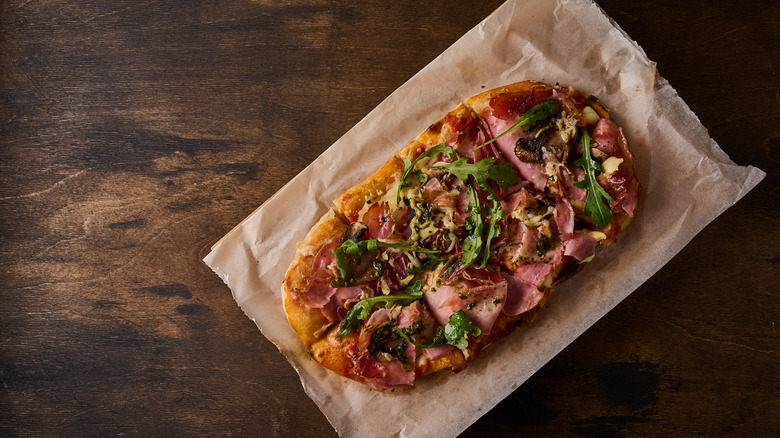
When in Rome, do as the Romans do — by which we mean, try Roman style pizza. Naturally, this style of pizza crust originated in Rome, Italy. It's characterized by its rounded, rectangular shape that's cut into squares and 72-hour fermentation period. This is quite a long fermentation period when compared to other styles of pizza crust, but the result is a light, airy, and crispy texture with a slight chew.
Also known as "pinsa," Roman style crusts are rolled thin and baked at a high temperature for a shorter period of time. Unlike other pizza crusts that are made with only flour, water, salt, and yeast, Roman style crusts also include olive oil. This gives the crust a tender bite without giving the jaws too much of a workout by being overly chewy. In Rome, this style of pizza is typically served as a takeaway or street food, often sold by weight and served in a paper bag for customers to enjoy on the go.
Gluten-free crust
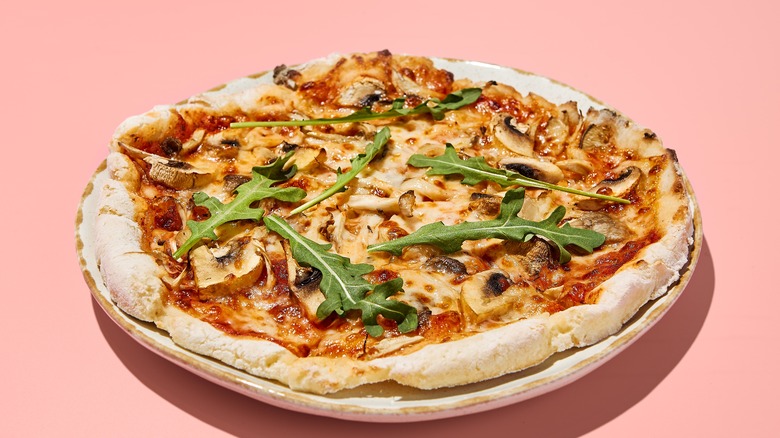
While almost all cauliflower crust is gluten-free, not all gluten-free crusts are made with cauliflower. Instead, this style of pizza crust is made with a gluten-free flour. Like a cauliflower crust, it can also be made to the diner's preference, depending on the recipe and/or the restaurant. Chewy, crispy, thick, thin — there's plenty of variety for the gluten-averse among us.
As more and more customers have adopted gluten-free diets for a variety of reasons, more and more pizza chains and grocery stores have opted to offer gluten-free products, like gluten-free pizza.
One of the biggest potential issues with gluten-free pizza dough is moisture. As gluten-free flour tends to have a lower moisture content, it can run the risk of baking into a dry and crumbly crust. Starches like potato starch and tapioca starch seek to mimic the natural moisture found in regular flour to remedy this. There's plenty of nuance to different types of flour, including those used in gluten-free baking.
Pan pizza
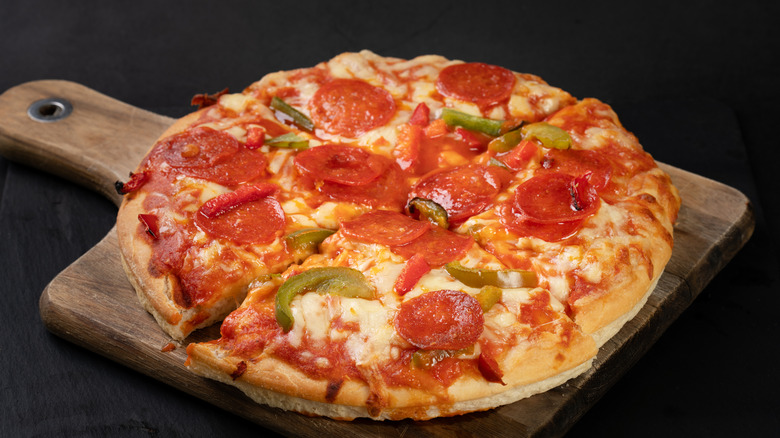
Pan pizza gets its name from — what else? — being baked in a pan. Cooked in an oiled cast-iron skillet or cake pan, this is a thicker variety of crust that's crispy on the outside and fluffier on the inside. There's almost a fried quality to the crust's exterior, because of the oil used to grease the pan. Technically speaking, plenty of pizza crust styles already mentioned — including Sicilian, Detroit style, and grandma — all qualify as pan pizzas because they are baked in pans.
One of the major confusions people have with pan pizzas is pan pizza crust versus thick or hand-tossed pizza crusts. Unlike pan pizza crust, hand-tossed or thick pizza crusts are actually a bit thinner than pan style crusts. This is because the tossing pops those all-important air bubbles, leading to less of a rise. Both have crispy crust perimeters, but a hand-tossed crust tends to be drier and softer. Finally, if you're a topping fiend, pan pizza is where it's at; the density of this style of crust means you can load it up without it getting weighed down.