

The Biggest Coffee Recalls To Hit The U.S.
We may receive a commission on purchases made from links.
Americans have, in part, the Boston Tea Party of 1773 to thank for their devotion to coffee. That act of patriotism has evolved into a national passion. There's a dazzling array of gadgets that can help create the perfect pour, but you don't even need a coffee maker for a great, everyday cup of joe.
What is absolutely crucial, or course, is the coffee itself. There's a roast for every palate, from dark to light, but only a tiny fraction of what we consume is grown on home soil. The majority of beans are imported from Colombia, Brazil, and Switzerland. For millions of people, coffee is the kick-start to their morning or a pick-me-up later in the day, even though science says that's not the best time for it. But what happens when we can't get our fix?
Coffee, like many other food commodities, is vulnerable to incidents that result in products being swiftly removed from grocery store shelves. From foreign bodies found in batches to packaging problems, there are any number of reasons why our fave coffee brand might temporarily vanish. With that in mind, here are some of the biggest coffee recalls to hit the U.S.
2025: Clover Valley Instant Coffee
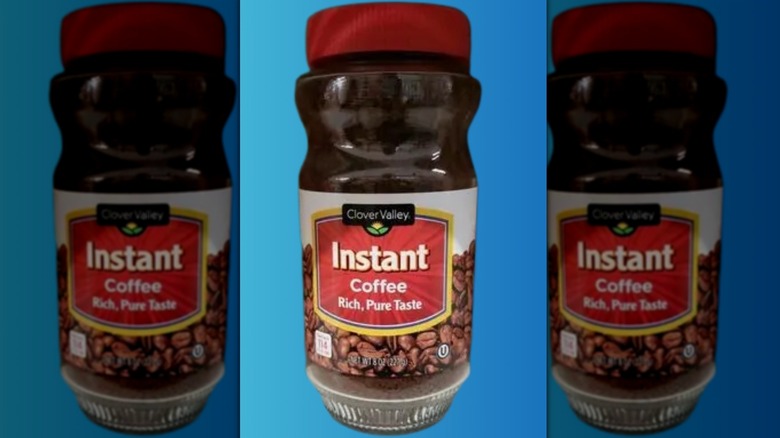
Not everyone has the time or is enough of a coffee snob or get creative with their lattes. Many people happily reach for a jar of instant coffee, even if they're not 100% certain about what it's made of. It's often cheaper than beans or grounds, plus there's no hanging around for the all-important caffeine fix. Sadly for Dollar Tree customers in August 2025, they had to get their morning joe elsewhere, after three lots of Clover Valley instant coffee were taken off the shelves.
The voluntary recall covered 8-ounce jars sold in mid to late July, and was felt across 48 states. Customers were told the three specific lots, L-5163, L-5164, and L-5165, all with "Best By" dates of December 2026, could have been contaminated with shards of glass. The FDA warned they had the potential to damage consumers' mouths, teeth, throats, or even their intestines.
No reports of any injuries were reported at the time of the recall notice, but Dollar Tree insisted removing the coffee jars was necessary as an abundance of caution. People took to social media to warn fellow Clover Valley drinkers and it was widely reported across the United States. If you do have a jar of Clover Valley instant coffee in the cupboard, it's worth checking the lot number to make sure it's not affected.
2025: Our Family Traverse City Cherry Decaffeinated Ground Coffee
Every home cook has, at least once or twice, put something in a dish they didn't plan on. If you accidentally added this condiment to a tomato sauce, it's no big deal. In fact, the meal was all the tastier for it. However, when things unintentionally find their way into store-bought groceries, it's a different, often more serious, matter.
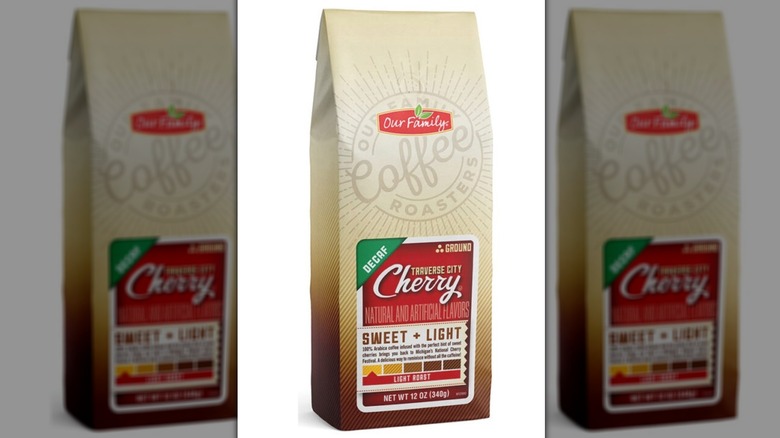
So it went in March 2025, when almost 700 cases of Our Family Traverse City Ground Coffee was recalled after it was discovered they had been labelled as decaffeinated when they might not have been. Coffee lovers who take theirs with a full load of caffeine might not see an issue, but the health implications for someone with heart problems or diabetes could be significant. In those cases, consuming caffeine could impact their blood pressure or sugar levels, or render some medications less effective.
Although the risks to consumers were low and any health problems that were caused would be temporary, the FDA labelled the recall a Class II event covering 15 states. The FDA also reminded consumers that coffee claiming to be caffeine free could still contain up to 12 milligrams per cup. It advised anyone with strong reactions to the drug to avoid drinks containing it.
2024: Snapchill
Food-borne illnesses can affect millions of people every year. One of them, botulism, doesn't make people sick very often, but when it does, the worst cases can be fatal. No wonder producers of tinned, fermented or preserved products do their utmost to ensure they are free of the bacteria that generate the clostridium botulinum toxin. It's serious stuff.
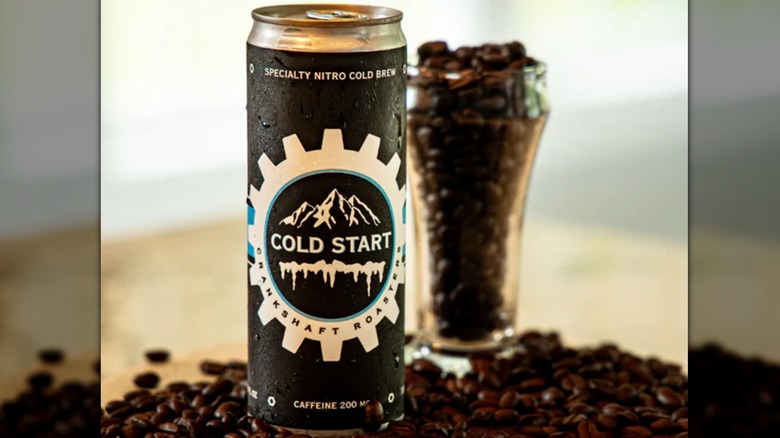
Even the possibility of contamination was enough for Snapchill to recall almost 300 canned coffee products in 2024, after it emerged the company's canning process had not been filed with FDA, something that's required by law. The voluntary recall led to numerous brands, including Knowledge Perk and Crankshaft Coffee's Cold Start, being pulled from shelves around the country.
Although potentially millions of consumers were irritated by the move, Snapchill apologized at the time and worked with the FDA to get its paperwork in order. The inconvenience may have been worth it. Symptoms of botulism can take up to two weeks to emerge and include dizzy spells, constipation, and breathing difficulties.
2023: Kirkland Signature Colombian Cold Brew Coffee
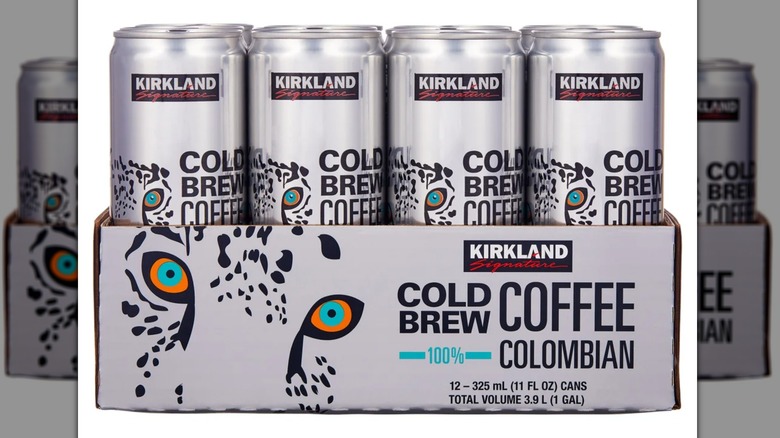
From classic desserts you should never skip to the cheap-as-chips rotisserie chickens, millions of people across the United States love to shop at Costco. The big-box warehouse club is arguably best known for its signature Kirkland brand, which includes a laundry list of popular products, including coffee.
Among its lines are cans of Kirkland Signature Colombian Cold Brew Coffee, beloved by people who liked to slug their coffee on the go, or wanted a quick jolt on hand in case of caffeine emergencies. Unfortunately, the silver cylinders disappeared from Costco outlets across the U.S. in 2023, after a bolt was found in a can. Officials were not going to take the risk of their patrons swallowing any metal while enjoying their drink.
In total, almost 2.7 million cans, sold between November 2022 and February 2023, across 13 states were affected. Concerned Costco shoppers jumped onto social media to find out why their favorite coffee drink had gone, and were relieved to be told the disappearing act would likely be temporary. They were right: Kirkland Signature Colombian Cold Brew Coffee became one of a handful of Costco items that didn't disappear for long.
2021: Starbucks Doubleshot Espresso cans
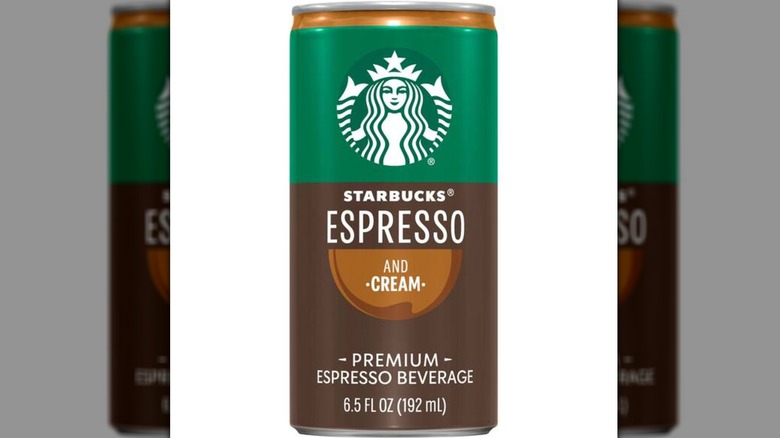
Starbucks only uses a single kind of bean in all its coffee drinks, which could explain why it's become the world's biggest chain of its kind. Like McDonald's and other global American food chains, it offers the comfort of the uniform and familiar. Unlike fast food outlets, Starbucks' products are sold in lots of places, not just their coffee houses, which is why a November 2021 recall hit hard both for the brand and its customers.
When potential problems with the seals were discovered, the initial recall notice issued by the Defense Commissary Agency's food safety covered four packs of Starbucks' 6.5-ounce Doubleshot Espresso, Espresso & Cream. The product had an expiry date of 2022, but by March that year, the recall was expanded to include the Light Cream and Salted Caramel Cream versions. In total, more than 250,000 cases of the coffee drink were yanked from shelves.
Coffee lovers were bereft and questions soon swirled online about whether the smaller Starbucks Doubleshot Espresso cans (the bigger, 11-ounce kind were not affected) were going to be completely discontinued. Happily, nobody had to wait too long before their chilled coffee fave was back on shelves.
2021: Black Rifle Coffee Company Espresso Mocha Whole Bean Coffee
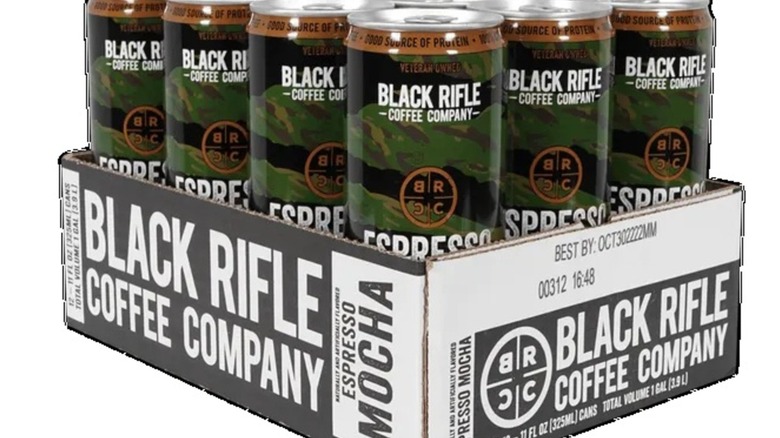
The team behind this Veteran-founded coffee company is justifiably proud of the "outstanding work ethic." The products have found a loyal and appreciative audience that loves the flavor of Black Rifle's range of morning joe, as well as the eye-catching (and sometimes very tongue-in-cheek) packaging.
Despite the high standards, in June 2021, the Black Rifle Coffee Company yanked 12-ounce packs of its Mac V Whole Bean Coffee, amid concerns that they contained pieces of plastic. The Class III voluntary recall notice affected more than 19,000 pounds of coffee — but it wouldn't be their last. In a letter sent to customers in October 2022, the company warned it had put 11-ounce cans of its Expresso Mocha whole bean coffee on hold, citing "nonconformance with our quality specifications that leads to an undesirable texture." Retailers were urged to take them off their shelves and not sell them.
Although the Mac V product wasn't listed on their website at the time of writing, devotees can still get their hands on the ready-to-drink Espresso Mocha cans. The recall wasn't the only time Black Rifle Coffee hit the headlines, however. In November 2025, a class action lawsuit was filed in a California federal court by two people who claimed the company's use of "Made in America" on the packaging was misleading for consumers.
2019: Buddy Brew Organic Cold Brew Coffee
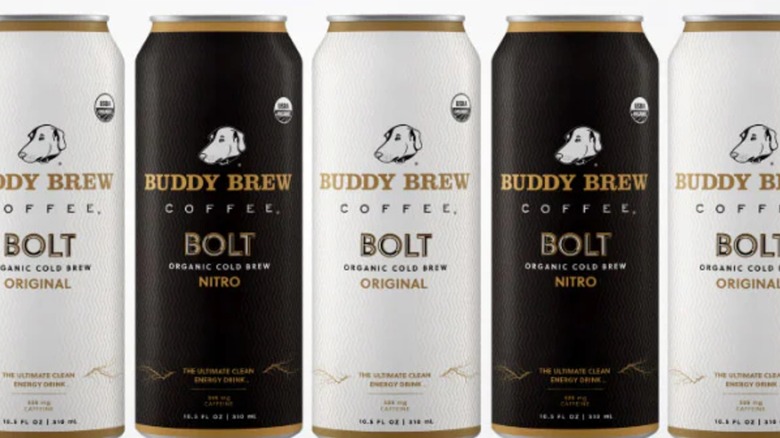
If you thought coffee was a blend of beans and hot water, you're mistaken. They were making it fancy way back in the 16th century, and these days, who doesn't love a venti iced latte light ice, double sweet with non fat milk? The unslaked thirst for coffee has led to a vast range of products from specialty companies, including cold brews.
Tampa-based cafe chain Buddy Brew found inspiration from a pet Labrador retriever and built up a loyal local following. However, the brand found itself in the dog house in December 2019 during a Class II voluntary recall affecting two of products, Organic Cold Brew Buddy Brew Coffee Bolt, Organic Cold Brew Buddy Brew Coffee Bolt Nitro.
Almost 17,000 pounds of coffee was taken off the shelves, due to the possible risk of bacterial contamination. The move happened with very little fuss or media attention, and Buddy Brew, whose company mantra is "Brew Good. Do Good," was soon selling cans of its Organic Cold Brew coffee again. The brand did hit the headlines again a couple of years later, after a vehicle plowed into the front of one of its Tampa outlets. It caused a lot of mess, but thankfully nobody was hurt.
2008: Mr. Brown Instant Coffee
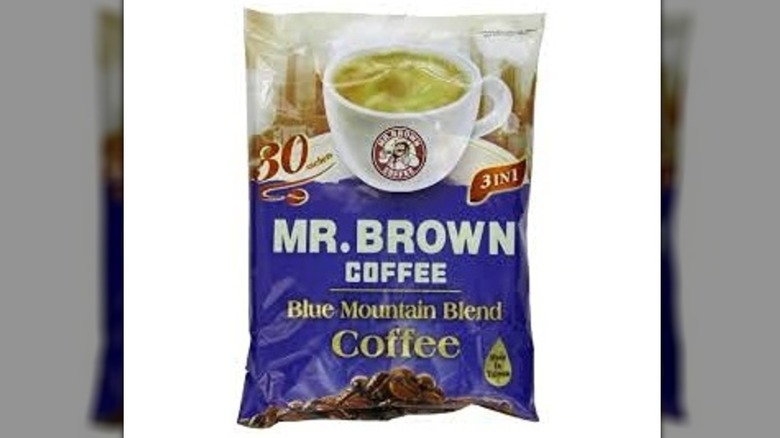
Imported beans are big business, but they're not the only form of coffee sent to the U.S. Lots of instant coffee products are shipped in, too, and one of the most popular is the Mr. Brown brand. Its reputation suffered a temporary blow in October 2008, after it was linked with one of the worst contamination scandals in history.
The Food and Drug Administration warned Americans who had purchased any of six Mr. Brown instant coffee drinks not to sell or consume them, as there was a risk they had been tainted by melamine. King Car Food Industrial Co. Ltd, based in Taiwan, issued the recall, which also covered Mr. Brown Milk Tea. The move came as six babies in China died and thousands suffered kidney problems after they consumed infant formula that was found to contain melamine.
The contamination initially affected pet foods sold across Asia, but spread to baby formula and even fresh milk. Eventually, it was traced back to the deliberate addition of the chemical into Chinese wheat gluten to increase protein levels. By 2009, the 22 dairies, farmers, and officials at the heart of the scandal were sentenced. As for Mr. Brown's coffee? FDA testing revealed the imports were not contaminated with melamine.
2004: Neighbors Coffee
Millions of people in the United States are allergic to one or more foods. Although many restaurants, including this fast food fave, try hard to keep customers safe, grocery shopping can be a trickier business. Tree nuts, which includes hazelnuts, almonds, macadamia nuts, and more, are among the FDA's "big nine" allergens and are covered by labeling guidance issued in January 2025. But not everything inside a product's packaging is supposed to be there, and won't be listed on a sticker.
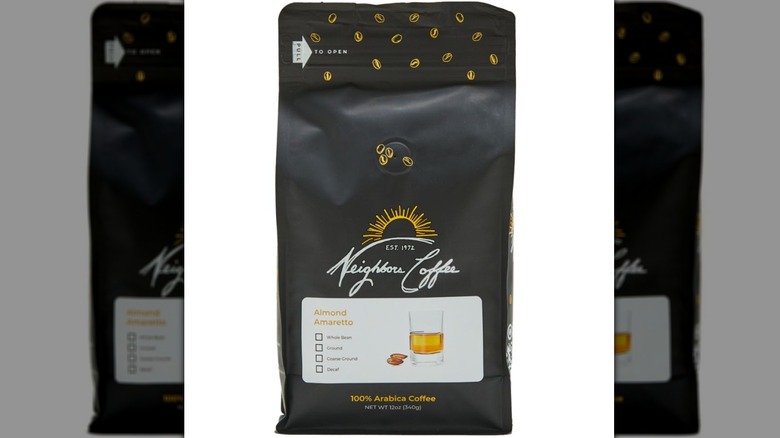
In 2004, Oklahoma-based Neighbors Coffee issued a Class I voluntary recall of its whole-bean, nut-flavored coffee because it contained peanuts, pecans, hazelnuts, and almonds that were not declared on the packaging. It affected 20,000 pounds of coffee, comprising 24 different types, sold in 8-ounce, as well as 1- and 5-pound bags, though the Food Industry Counsel put the tally at almost 45,000 pounds.
Neighbors Coffee extended the recall shortly after to include between 300 and 500 pounds of its amaretto and cherry almond teas, which, bizarrely, contained undeclared almonds. The company said at the time that, despite selling the coffee and tea products for decades, they had "no idea" about FDA regulations about labeling products that contained nuts.