

The Popular Fast Food Chain Customers Think Has Gotten Overpriced
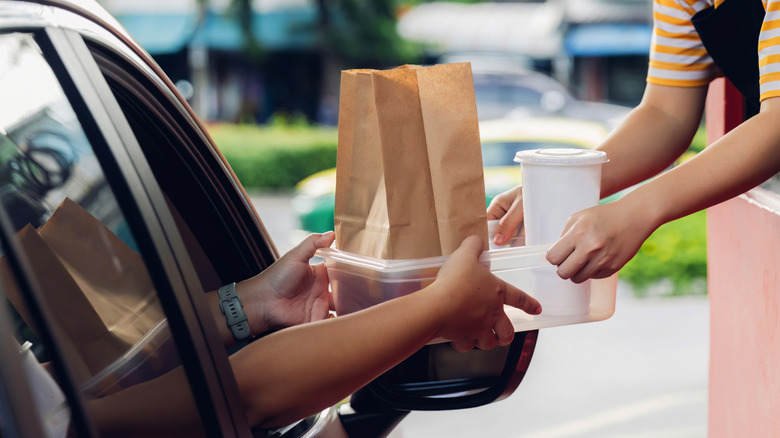
Stories about foods suffering from shrinkflation, or the general woes of inflation, these days, are a dime a dozen. But when it comes to fast food, which historically was a budget-friendly option for packing in a big meal, customers are legit noticing a stark difference in the prices of their favorite items. Taco Bell was particularly beloved for being easy on the wallet, becoming known in the '90s for items at 99-cent price points and below. But the Tex-Mex giant has had the third-highest price increase of any other fast food chain over the last decade, as reported by FinanceBuzz.
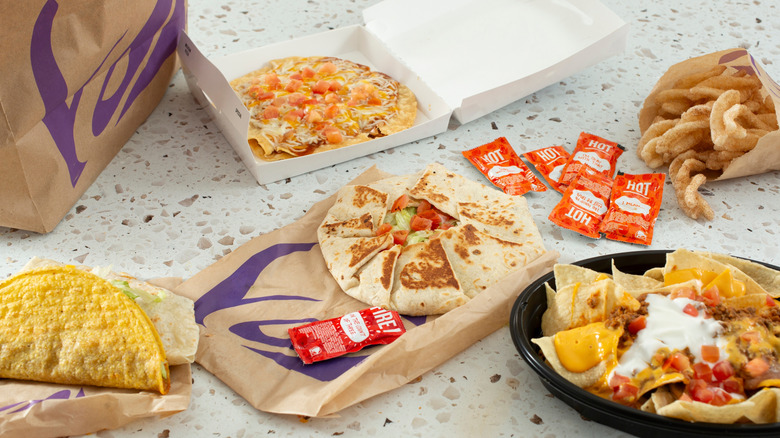
Coming in third to McDonald's (which has doubled its prices since 2014) and Popeyes (which clocked in at an 86% increase), Taco Bell has raised prices by 81%. FinanceBuzz looked at popular menu items like the Cheesy Gordita Crunch, which has doubled in price ($2.49 in 2014 to $4.99 in December 2025). The most dramatic price increase at the chain was the Beefy 5-Layer Burrito, which cost just $1.59 in 2014 and now costs $3.69, representing a 132% price increase overall.
Customers have definitely noticed, with many taking to Reddit to rant about it. "In 2014, a Crunchwrap Supreme at Taco Bell would cost around $2.79 to $3.29, depending on location. That's less than half of what it goes for now in many places (which is around $5.99 to $6.99 today...$7.55 at the store closest to me)," said one. Another customer piped in, "Bean burritos before covid [were] .79 cents. Now it's $2.49 in the locations around my area. A bean burrito shouldn't be $2.49."
Why is Taco Bell so expensive now?
It seems that a combination of overall inflation, increased labor costs, and the rising cost of food and materials like paper have contributed to the fast food industry's steep price increases. Also, for franchisee-owned locations, increased royalty rates and rent can lead to franchisees deciding to raise prices. According to Entrepreneur, 90% of Taco Bell locations are company-owned, and, like McDonald's, franchisees set their own prices.
According to reporting by USA Today, who spoke with Peter Saleh, managing director for research for BTIG, there's another reason that fast food prices are creeping up to nearly match sit-down restaurants. To offset inflation, fast food companies had to increase prices by 40% from 2019 to 2023, but casual dining restaurants only had to raise theirs by 20-25%. This is because the labor force at sit-down restaurants have tips supplementing the hourly wage, meaning the company's paid-out base rate is lower.
This perfect storm of inflation for fast food restaurants has caused the industry to raise prices at almost double the national average. It's no wonder that LendingTree reported in 2024 that 65% of surveyed Americans felt unpleasant surprise when perusing their fast food bill, and that 80% now consider eating even fast food to be a luxury. Even if the chain tries to distract customers with new items like the Carne Asada Poblano Rolled Quesadilla in 2025 or the rather divisive Baja Blast Pie, don't forget to look at your bill before you leave.