

This Unexpected Ingredient Will Supercharge A Classic Pot Roast
We may receive a commission on purchases made from links.
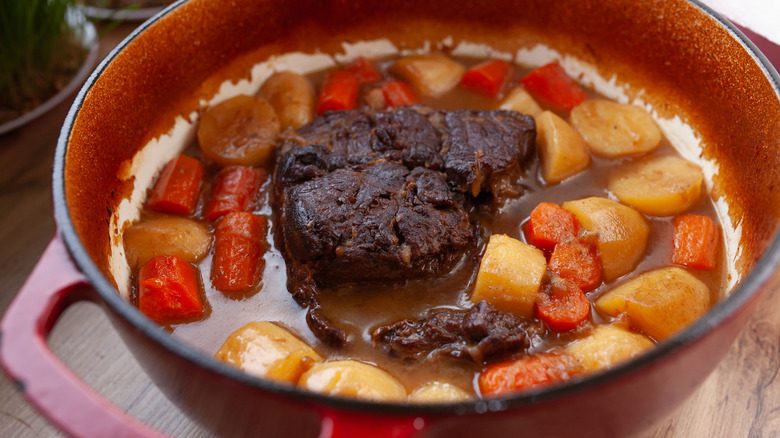
If your pot roast tastes good but not mind blowing, the fix probably isn't more salt or more time. It's more depth. More personality. More flavor. And one of the most effective, easiest ways to get there is by adding anchovy paste. Before you recoil in horror, no, your pot roast will not taste fishy. Anchovy paste is basically an umami bomb. When cooked down in a braise, the paste blends seamlessly into the other ingredients.
Anchovy paste is one of the most common "invisible" ingredients in savory cooking. You rarely taste it outright, but there's plenty a classic dishes where it's quietly doing the work. Caesar salad dressing, Worcestershire sauce, olive tapenades, and puttanesca sauces are just a few foodie delights that are secretly packing some paste. This seasoning method isn't new; it's the same reason why many cooks add fish sauce to their tomato sauce.
Anchovies are packed with amino acid glutamates, those same compounds that make Parmesan cheese, mushrooms, soy sauce, and aged meats taste so good. When cooked, anchovy paste dissolves and disappears into the background, leaving only intensified flavor. Pot roast is usually made with chuck roast or brisket, tough cuts that need low and slow cooking. The meat is browned deeply and then braised slowly with stock, wine, onions, carrots, and herbs. Over hours, the connective tissue breaks down and transforms into gelatin, creating tender, succulent meat. Anchovy paste amplifies this process, boosting the meat's savoriness whilst also enhancing the aromatics.
Anchovy paste is affordable and lasts a long time
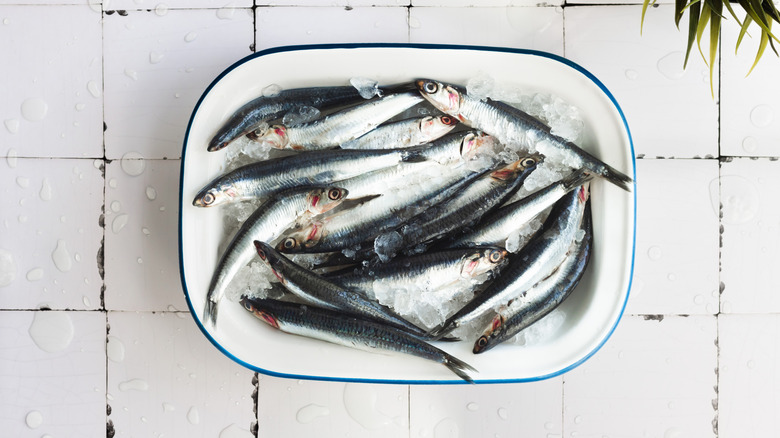
Anchovy paste couldn't be easier to use. A ground mixture of anchovies, olive oil, and salt, it usually comes in a toothpaste-like tube and will last for six months in the fridge once opened. It's also a cheap investment. Even a highly rated anchovy paste from Italy isn't that expensive, hovering at around three to four dollars.
To use it, you don't need much. For a standard four-pound pot roast, one to two teaspoons of anchovy paste is plenty. You'll want to add it early, right after browning the meat and sautéing your aromatics. Let it cook in the hot pan for a minute so it dissolves into the fat and coats the vegetables. From there, proceed with your usual deglazing and braising liquid.
Don't think of anchovy paste as just smushed salty little fishes, but as more of a savvy seasoning tool. It's salt with a little bit of personality, a little bit of funk. If you're still not ready to make the leap, there are similar ingredients that deliver the same effect. Fish sauce, a teaspoon or two stirred into the braising liquid, works beautifully. So does a small splash of soy sauce or miso paste or Worcestershire. All of these add-ins are just natural food forms of MSG, the monosodium glutamate that chefs rely on to make your food taste "restaurant-level." A wee bit of anchovy paste will perform the same kind of magic in your next pot roast.