

More People Should Be Eating This Underrated Superfood Packed With Protein
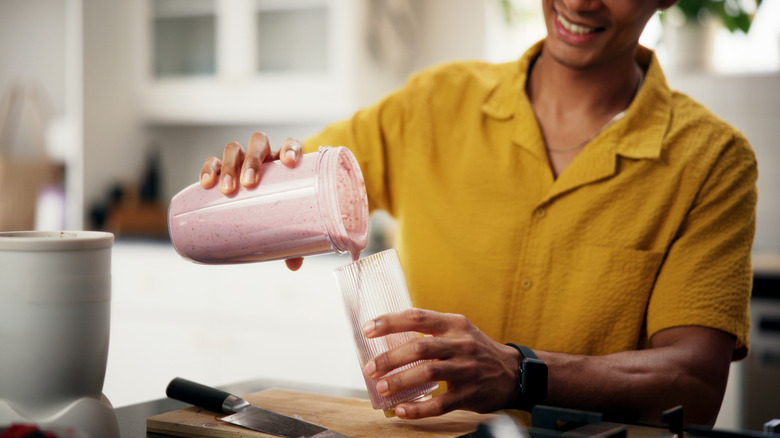
They're tiny. They're nutty. And they're one of the most nutritionally dense foods you can sprinkle on just about anything. Hemp seeds (sometimes labeled hemp hearts) may not have the novelty of chia or the trendiness of quinoa, but they're another "superfood" to keep in your pantry. When it seems like the entire world is protein-maxxing, it's good to know which foods offer the most protein for your buck.
Three tablespoons of hemp seeds pack roughly 9-11 grams of complete protein. By weight, that's the same protein that beef and lamb offer. Even better is that it's a complete protein. Unlike most plant proteins, hemp contains all nine essential amino acids your body cannot produce on its own. If you're a vegetarian looking for plant-based proteins beyond just tempeh or seitan, consider hemp.
Hemp seeds are also full of healthy fats, particularly omega-3 and omega-6. Those fats support heart health, brain function, and inflammation regulation. They're also a good source of fiber, especially if you use whole hemp seeds. Hemp hearts are popular because they're softer and more delicate, but they're also missing that coveted fiber you get from the shell.
Hemp seeds are a complete protein
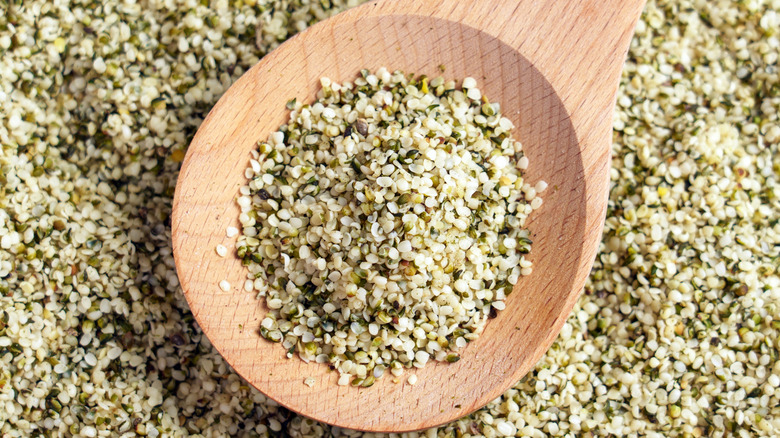
Let's not forget the micronutrient profile, either. Hemp seeds contain magnesium, iron, zinc, and B vitamins. What makes hemp seeds particularly intriguing is how easy they are to use. No soaking. No cooking. No grinding required. They have a mild flavor that easily blends into both sweet and savory dishes. If you're experimenting with adding interesting vegetables to your daily smoothie, throw in some hemp seeds while you're at it. You can also stir them into pancakes for a protein boost or sprinkle over oatmeal and granola. For savory applications, toss them into salads, grain bowls, or roasted vegetables.
Hemp seeds sound practically perfect, so why aren't more people eating them? Part of it is the branding baggage. The word "hemp" might still trigger unfounded confusion or concern. Another factor is visibility — chia seeds and sea moss gel had viral moments; hemp hasn't yet had TikTok fame. And because they're small and subtle, they don't feel as dramatic.
They're not also not cheap. In most grocery and health-food stores, hemp seeds are generally more expensive than common seeds like chia, sunflower, or flax. They're also incredibly small, so you can imagine that the shelling process is more complicated, and therefore more expensive. But if you're trying to increase protein intake, improve fat quality, or simply diversify your plant-based options, hemp seeds are one of the lowest-effort upgrades you can make.