

These 13 Foods Have More Protein Than An Egg
We may receive a commission on purchases made from links.
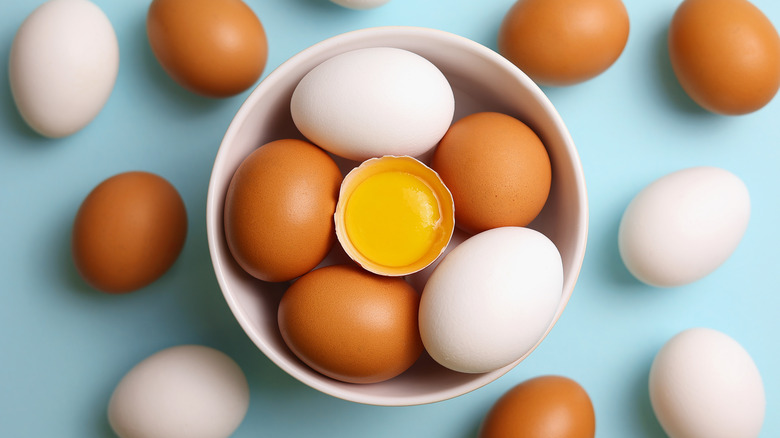
For those who eat them, eggs are brilliant. They can be poached, fried, whisked into a fluffy omelet, and soft or hard-boiled, and there are many ways a plate of everyday scrambled eggs can be elevated to something utterly heavenly. Best of all, these ovals of awesomeness are incredibly good for us, particularly when it comes to protein.
The amount of protein in an egg depends on how big it is. We're going to use one large egg as our baseline, which weighs 50 grams and contains 6.3 grams of protein, most of which is found in the white. But are there other foods out there that can do better?
You betcha. We looked at the protein levels provided by 100 grams of different foods, and were surprised that powerhouses like lentils, chickpeas, and Greek yogurt only served up around 9 or 10 grams, way less than the almost 13 grams of two large eggs. Tofu and edamame get closer with roughly 12 grams each, so what has more protein than an egg? Read on to find out.
Tempeh
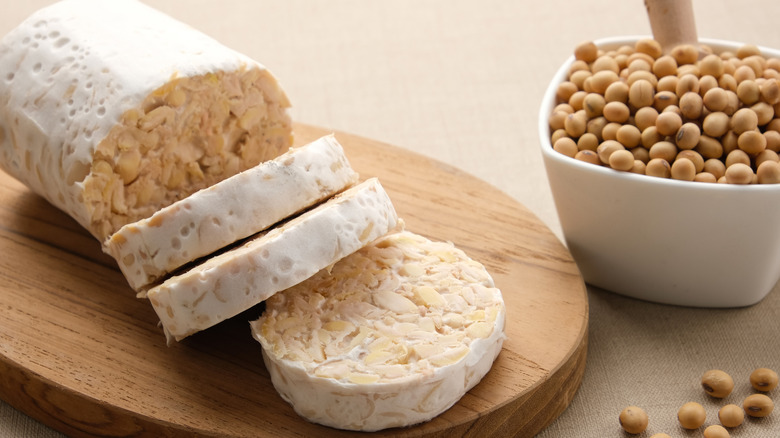
A chunkier version of its lookalike tofu (which is only made from soy milk) and just as flexible to cook with, tempeh is sometimes made with other legumes and grains, and has been an Indonesian dietary staple for centuries. As well as packing a hefty 20 grams of protein per 100 grams, tempeh is low in fat, high in fiber, and can help lower your cholesterol.
Pumpkin seeds
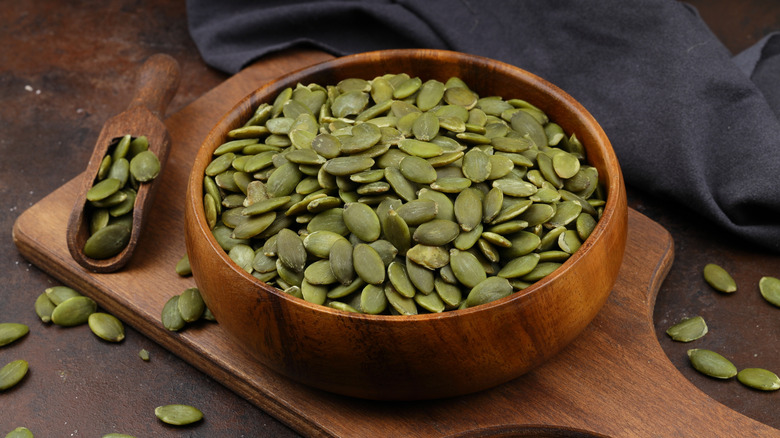
Crow-barring more green stuff into our meals can feel like a bit of a chore. Growing and harvesting classic vegetables is one way to do it, or you can add a handful of seeds here and there, and pumpkin seeds are one of the best for a daily protein boost. A 100-gram serving will give you 19 grams, which sounds like a lot of seeds but sprinkled into soups or sauces, or added to your bag of trail mix would have them gobbled up in no time.
Quinoa
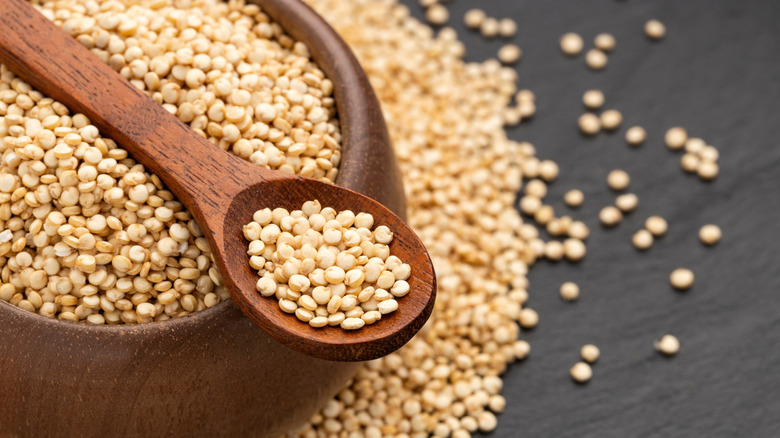
Looking for an alternative to starchy white rice, heavy oats, or pasta? Say hello to quinoa, your pantry's new best friend. Experts call it a "pseudocereal" which sounds like it's faking, but it just means you can cook it like other grains. Quinoa cooks in minutes, is great for porridge, salads, and in baked goods, and just beats an egg for how much protein it contains, with 13 grams per 100 grams. Make sure you stick to this water-to-grain ratio for perfect results.
Peanuts or peanut butter
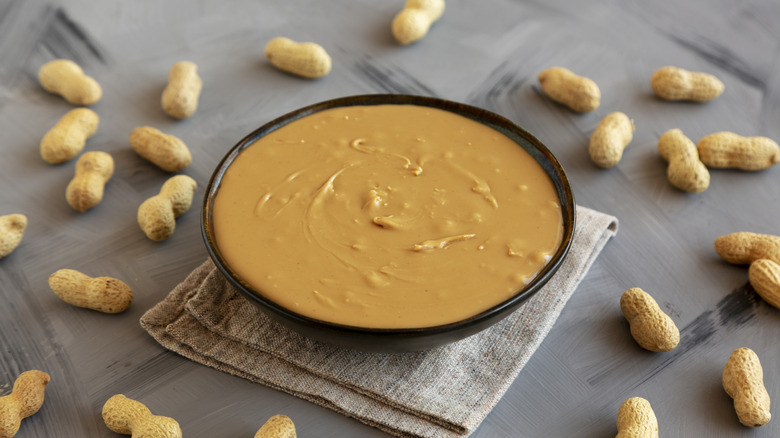
Who among us hasn't got a soft spot for even the unhealthiest peanut butter brands in the grocery store? While the occasional PB&J might feel a little naughty, you're still getting a protein boost from that iconic sandwich, with around 25 grams per 100 grams. Healthier ways to incorporate peanuts can include adding them as an ingredient to other dishes or eating them raw. Either way, your body benefits.
Cottage cheese
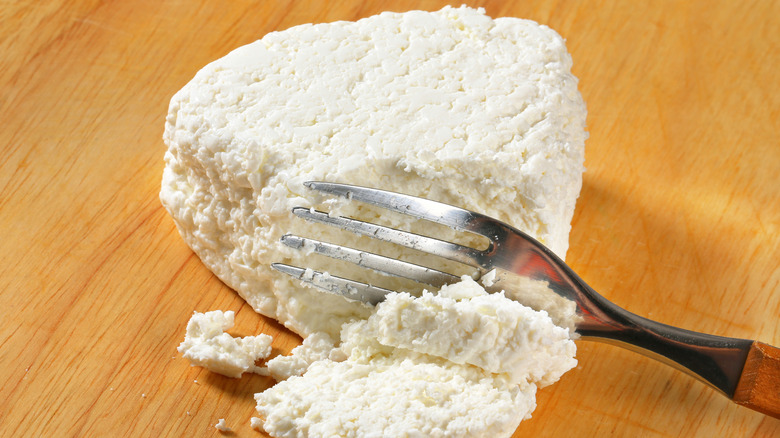
Cheese was one of Anthony Bourdain's favorite foods, but not everyone's a fan of the stronger end of the flavor scale — myself included. Clap hands then for the mild creaminess of cottage cheese, the perfect accompaniment to a green salad or a cool alternative to mayo in a tuna sandwich. It's low in calories so it's great for anyone who wants to pack in protein, with every 100-gram dollop having around 14 grams of protein.
Tuna
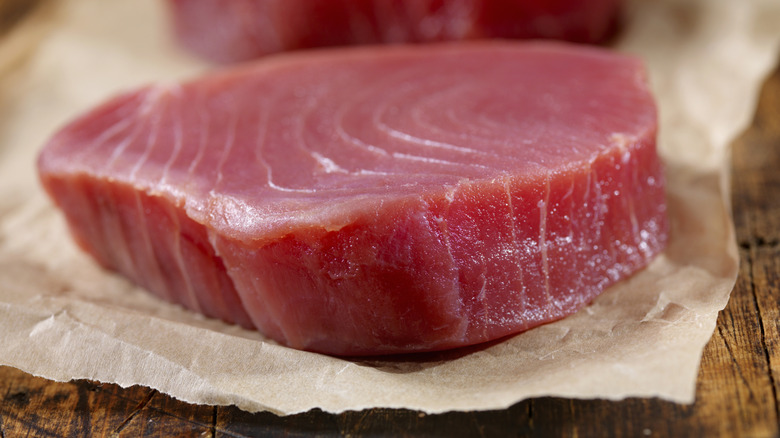
Not everyone's household budgets can stretch to buying fresh tuna but the great news is, you don't have to. Canned tuna, one of the most popular kinds of fish in the United States, contains only fractionally less protein per 100 grams than its rather more expensive counterpart, providing 24.9 grams compared to 25.2 grams. It's also longer lasting and more versatile than fresh tuna, so throw in a couple of cans the next time you shop.
Lima beans
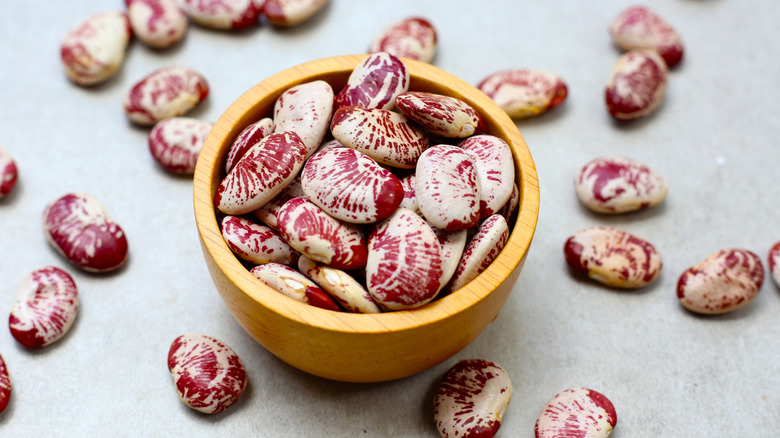
Beans are a good source of protein, but if you want the kind that puts an egg in the shade, you need lima beans. They've been around forever, are packed to the gills with nutritional goodies and 100 grams of them, tossed into a soup or a stew, will boost your protein intake by more than 21 grams. That's more than twice what you get from the same serving of black beans or kidney beans.
Chicken or turkey breast
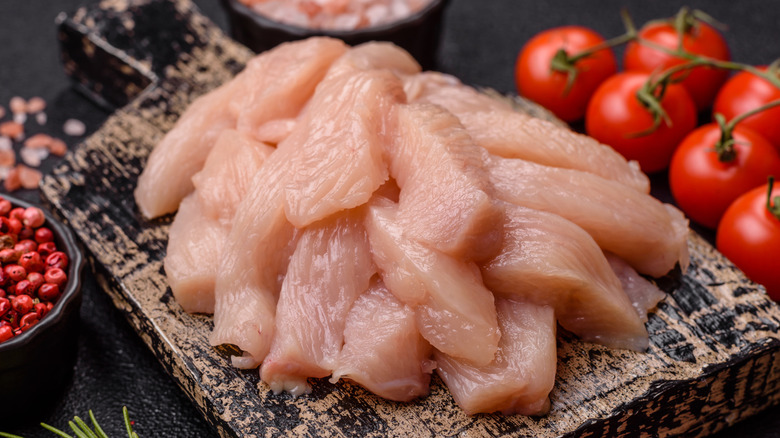
Chicken and turkey breast are among the most popular sandwich fillings in the United States, but those tender slices are more than just tasty in a bread roll. Every 100 grams of these lean, white meats has around 30 grams of protein, and although chicken has a whisker more than turkey, there's really not much to separate the two. The next time you want to supercharge your chicken noodle soup, toss in a handful of cubed chicken or turkey and thank us later.
Shrimp
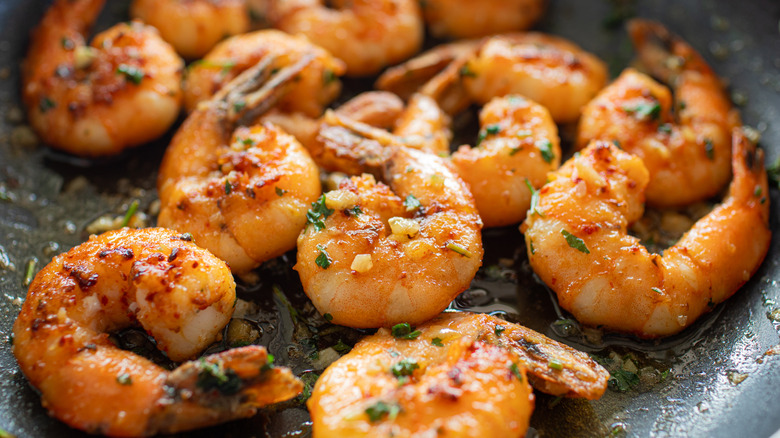
Americans love shrimp more than any other seafood, according to data from the National Fisheries Institute. Whether you love serving shrimp cocktail a-la Ina Garten, or you can't resist tossing them on the grill during a cookout, you can pat yourself on the back for their protein content. A 100-gram serving has 24 grams of the nutrient, around double that of a couple of large eggs. Whip up an omelet with the latter and top it with shrimp for the ultimate protein fest.
Parmigiano-Reggiano or Parmesan cheese
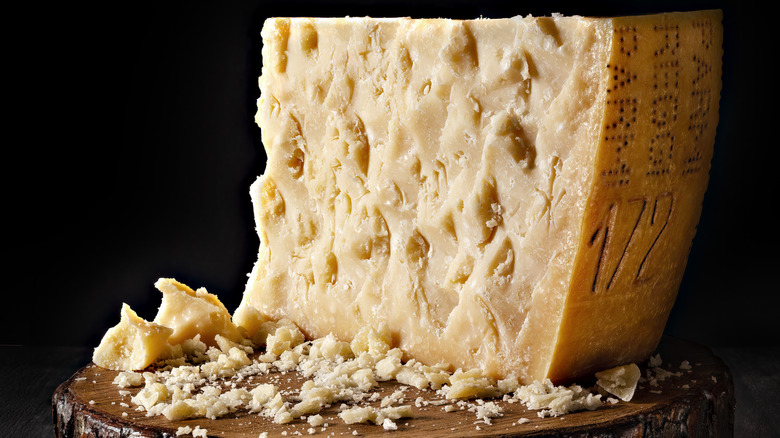
There's nothing like the salty, nutty, utterly unforgettable flavor of genuine Parmigiano-Reggiano to bring any dish to life, even a humble tuna salad can be transformed by a quick grating. Health experts will be quick to rightly point out parm packs a hefty one-two punch when it comes to both salt and fat, but it's also mostly protein, with roughly 33 to 35 grams in every 100 grams of cheese.
Fish
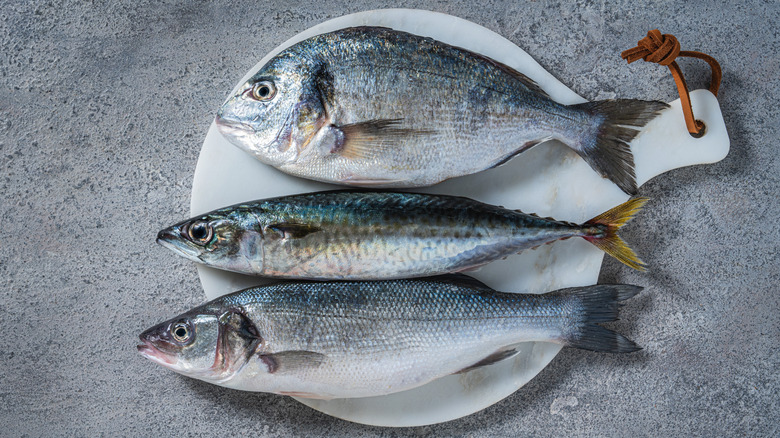
People in the United States are eating more seafood than ever, particularly salmon and Alaskan pollock, per the National Fisheries Institute. This is good news for anyone looking for an alternative source of protein beyond meat or vegetables. According to the USDA, wild Atlantic salmon provides almost 20 grams of protein, while 100 grams of any fish contains an average of 18.9 grams. The biggest boost of all comes from dried fish, which has 63 grams — but watch out for the salt content.
Lupini beans
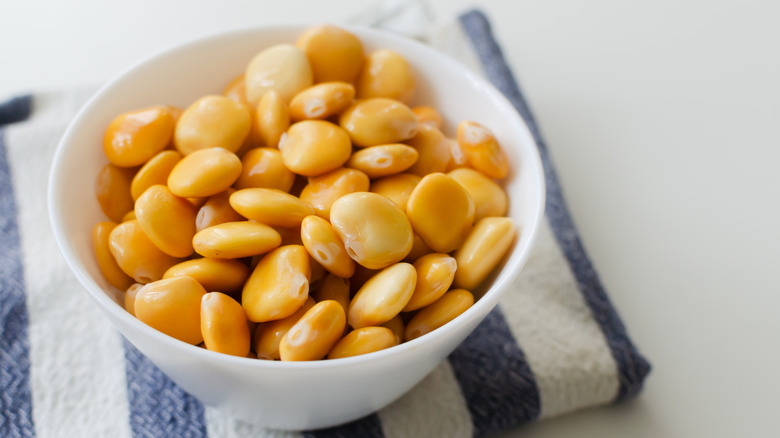
Sometimes referred to as lupin beans, these yellow legumes have widely been hailed as a superbean, but they can be poisonous if cooked incorrectly. Luckily, you can snap up jars like this online, and aside from being outrageously good for us (we're talking high fiber, packed with vitamins, and low in carbs), 100 grams contains more than 15 grams of protein. They'd make a great alternative to butter beans for this spring and summer sheet pan recipe.
Almond butter
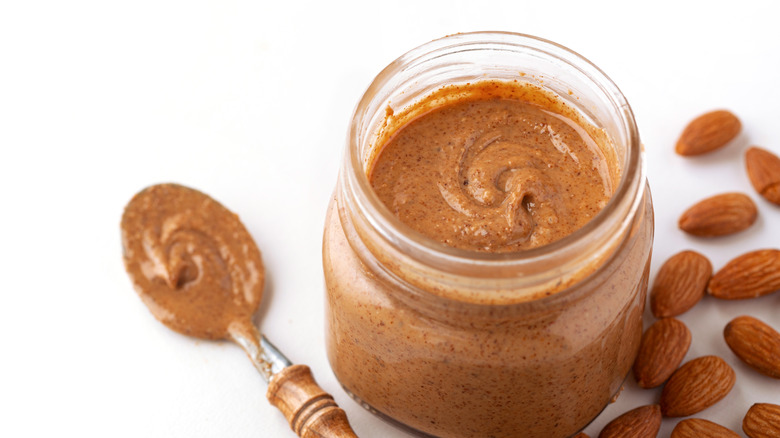
Lots of people nibble on a handful of almonds as a healthy snack — but why stop there? Almond butter has started to step out from the shadow of its peanut stablemate and be seen as a delicious spread and cooking ingredient in its own right. Although some varieties contain more sugars and added extras than others, almond butter is a brilliant source of protein, with around 21 grams per 100 grams. Next time you spoon some into a cake mix, call it a protein boost.