

Planting These Next To Your Tomatoes Will Help Them Grow Bigger Than Ever
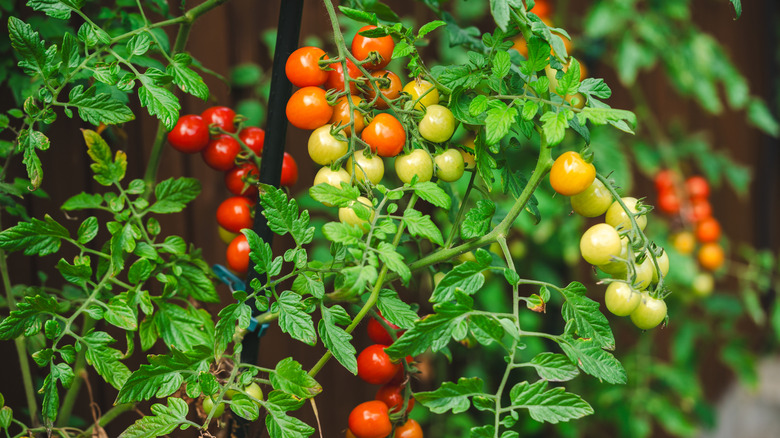
To the untrained eye, growing tomatoes is easy peasy. Seeds cost just a few dollars online or at your local garden center, and laying down this ideal fertilizer mix guarantees a bumper crop — or so you might think. But as anyone who has watched their tomato plants come under siege from armies of bugs or succumb to disease (which somehow leave your neighbors' plants untouched) will scream: Tomatoes can be tricky beasts.
Protecting your plants and ensuring they provide a crop to enjoy this summer requires a three-pronged approach that involves pest control, disease reduction, and increased pollination. Get this trio right, and your tomatoes will be the star of your garden. Before you start furiously searching the web for chemical-based pesticides or other products your soil won't thank you for, hold your horses. Mother Nature always provides. It turns out there's a laundry list of companion plant species that are brilliant at repelling pests, enriching your soil, and attracting pollinators. Not only will they help your tomatoes reach peak ripeness, but your garden will look beautiful, smell awesome, and be a hive of happy pollinator activity.
Clover
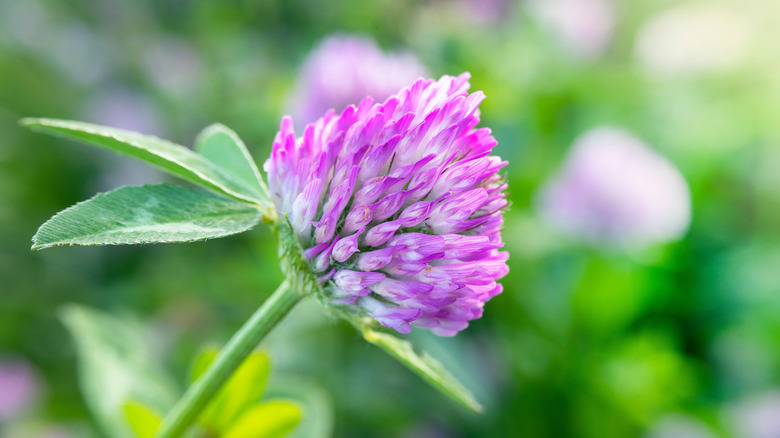
Many gardeners (myself included) despair at this ground-covering plant that comes back almost as fast as it's ripped out. Red or white clover may have no place on your lawn, but when planted between your tomatoes, it transforms from garden villain to hero. Clover actively suppresses weed growth, helps fix nitrogen in the soil, and attracts pollinators. Cut your clover back to prevent it from taking over your plot, and you'll also have an invaluable living mulch.
Sweet alyssum
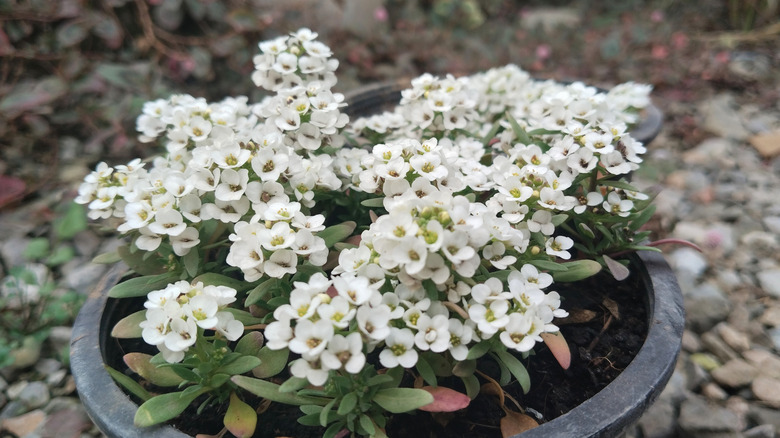
These tiny but mighty flowering plants provide a splash of color all through summer, but they're more than just decorative. Sweet alyssum's lovely perfume is like catnip to many insects and bugs, drawing them away from your tomato plants, whether they're growing in pots (sweet alyssum makes for a gorgeous, cascading skirt tumbling out of a container) or directly in the soil. In the latter case, the beautiful blooms offer impressive ground protection.
Marigolds
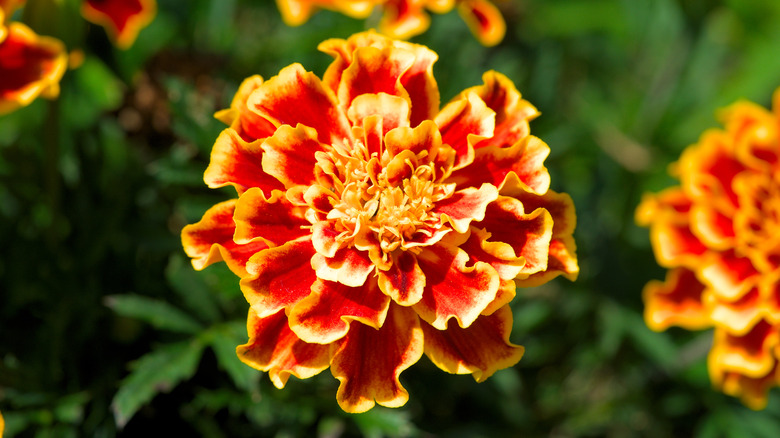
Even the greenest gardener knows marigolds and tomatoes go together like ham 'n' eggs, but they might not know why. Although all marigold plants will keep caterpillars and tomato worms at arms' length, some species have more specific jobs. French marigolds are poisonous to a worm known as root knot nematodes, deer are not fond of African varieties, and signet marigolds are especially good at attracting pollinators.
Alliums
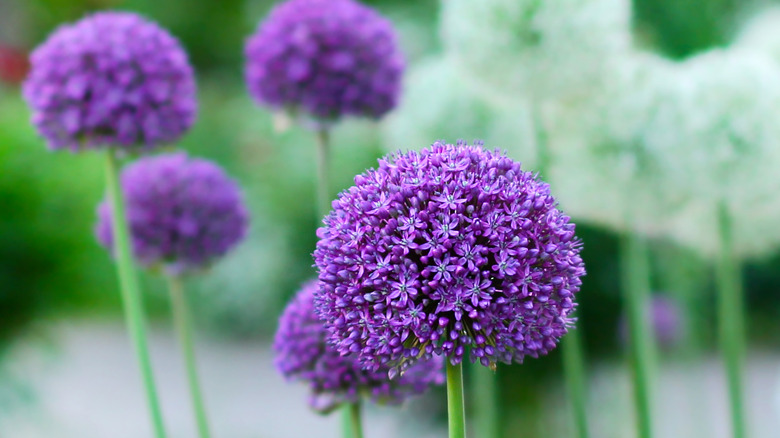
As well as providing lots of flavor for gazillions of recipes, leeks, shallots, garlic, onions, and chives are the BFFs of tomato plants. They're all members of the allium family, and while we can't get enough of the oniony flavor and aroma they impart, that's not the case for pests such as aphids. Plant them on the fringes of your tomato bed to create a tasty but effective defensive border.
Stinging nettles
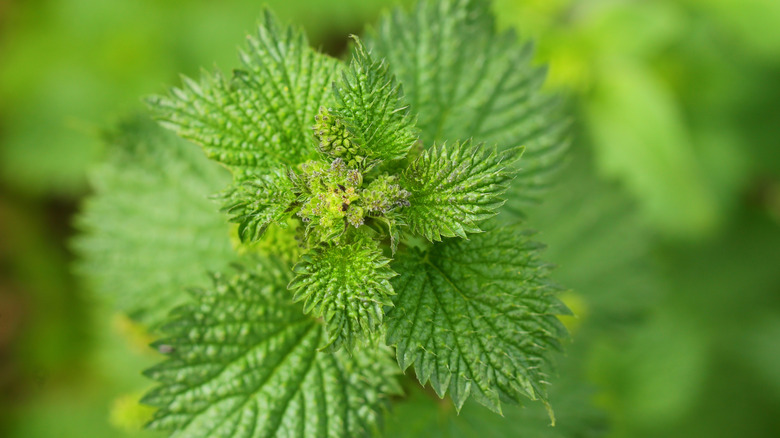
Anyone who has ever come into contact with stinging nettles might be tempted to give them a wide berth — but your tomatoes might want to be more cozy. These wild plants are fantastic for your soil, especially if you've been a little heavy-handed with the fertilizer. Alternatively, add one part nettle tea to 10 parts of water and douse your tomato plants to give them a root-deep, nutrient boost. Because this is considered an aggressive weed, you may want to keep them confined to containers and raised beds.
Lavender
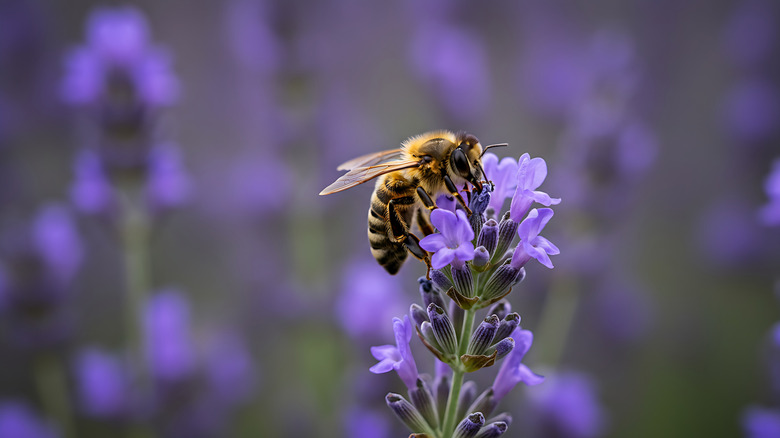
I'm not a fan of lavender's perfume, but the insect world does not share my unpopular opinion. The soft odor of this purple flower is a huge draw for pollinating insects, especially bees, but it's got impressive repellent qualities too, as nematode worms and flea beetles will steer clear of it. If you don't have the dryish, sandy soil lavender likes, pop it in a pot.
Mint family herbs
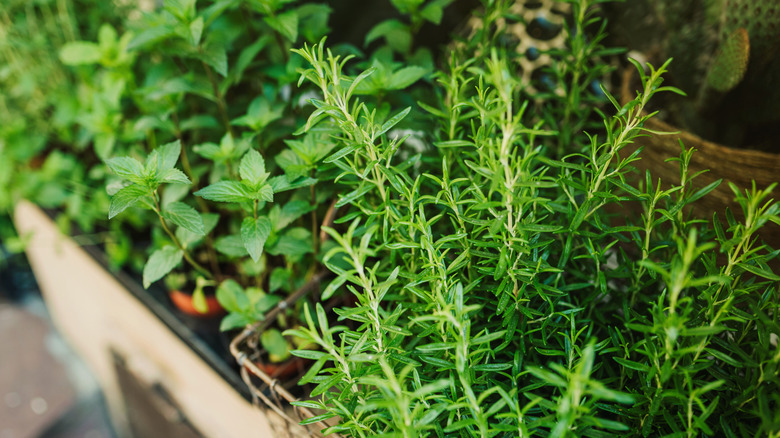
Think of mint, and keeping neighbors happy by stopping its aggressive growth probably springs to mind, but there's more to this family of herbs than you think. Lots of culinary herbs are paid-up members, including rosemary, sage, and oregano, but they also have another thing in common: they're superb companion plants to tomatoes. Hornworms, slugs, aphids, and spider mites are among the list of creepy crawlies repelled by the mint family.
Asparagus

Those iconic long, green stems are always a sign of foodie treats to come, especially if you cook them in your air fryer. But even before it's hit our plates, asparagus has already performed a valuable service, especially if it's planted among tomatoes. Nematodes are put off by a chemical emitted by this plant, while tomatoes return the favor by repelling asparagus beetles.
Legumes
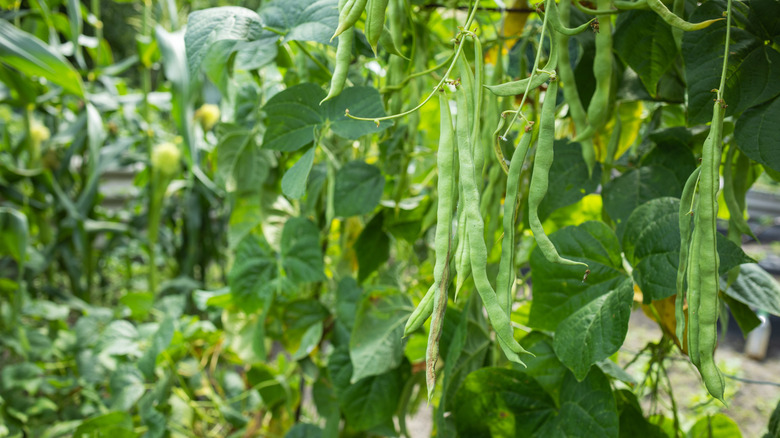
If you thought that pulses and beans just made for good eating, prepare to be dazzled. They're great for your tomato plants, too, thanks to their ability to fix nitrogen in the soil. Everything from cowpeas, bush beans, dwarf French beans, or black-eyed peas is brilliant for boosting the nutrients sucked up by greedy tomato plants, and they'll provide a little ground cover too.
Parsley
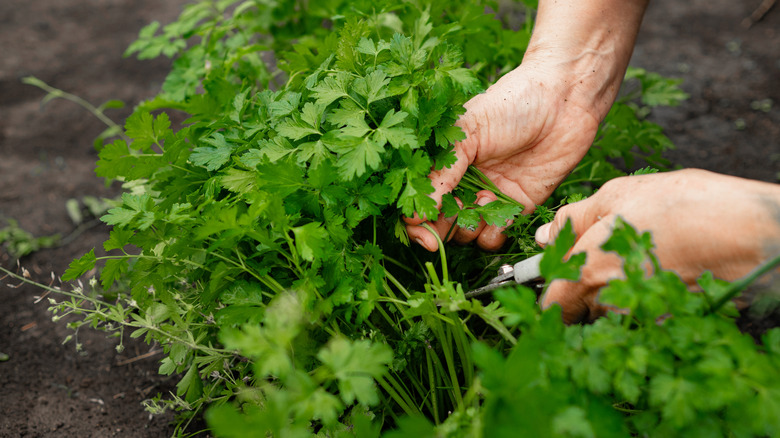
It can be easy to write off parsley as a bit of a humdrum herb, but it's a powerhouse when planted next to tomatoes and just about anything else. It draws away all kinds of bugs, including parasitic wasps and hoverflies that will happily feast on aphids, caterpillars, and whiteflies that may be eyeing your tomatoes. It's also cheap as chips, and you'll never be short of a garnish.
Coneflowers
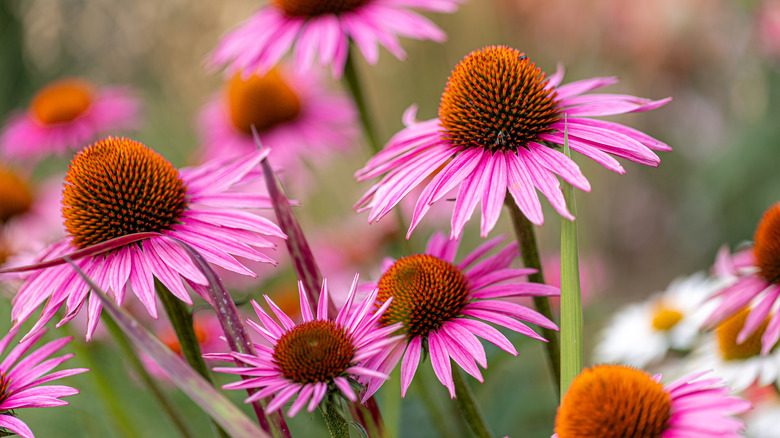
Also known as echinacea, these are a brilliant species to plant in and around your tomato beds because they are adored by bees. Not only will they give your pollination levels a boost (and not just your veggies), coneflowers are also gorgeous and will bring a welcome splash of color to even the hardest-working garden.