

Traditional German Chocolate Cake Recipe
We may receive a commission on purchases made from links.
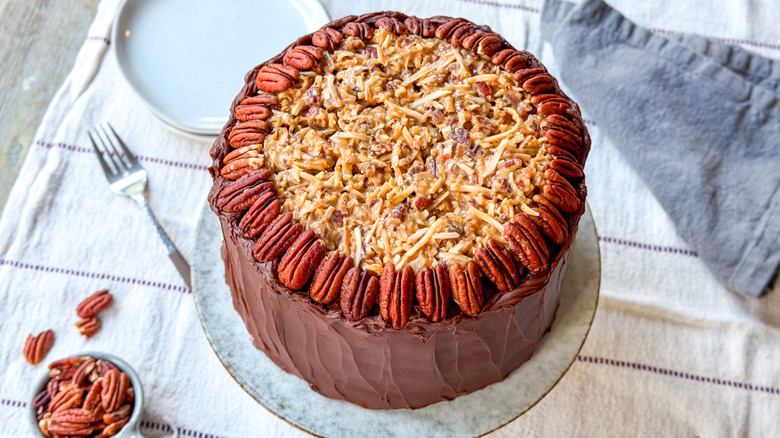
When it comes to chocolate cake, virtually endless variations exist in the culinary universe. Yet, certain recipes have become true classics around the globe, from Black Forest to Sacher Torte. German chocolate cake is certainly on the roster of all-stars, with its delicate chocolate cake layers and gooey, toothsome filling. Although this cake is not actually a German-born creation (more on that later), it has become a household name and bakery standout for its unique combination of flavors and comforting, nostalgic taste. Recipe developer Julie Kinnaird shares with us her tried-and-true version of traditional German chocolate cake.
As a pastry chef who once worked in a wholesale cake bakery, Kinnaird has made her fair share of German chocolate cakes. "The enduring popularity of this cake seems to stem from a combination of childhood nostalgia mixed with the cake's unique blend of subtle chocolate, caramel, buttery nuts, and chewy coconut," Kinnaird says. "It is something special to order from a bakery, yet approachable enough to tackle as a home baker."
Kinnaird walks you through the steps of making a successful and swoon-worthy traditional German chocolate cake. Parts of this recipe can be done in advance, such as baking and freezing the cake layers, or making the filling and ganache a few days before assembly. Some good tools to have on hand include a long serrated knife for trimming cake tops and slicing the finished cake, along with an offset spatula for spreading velvety chocolate ganache on the sides.
Gather the traditional German chocolate cake ingredients
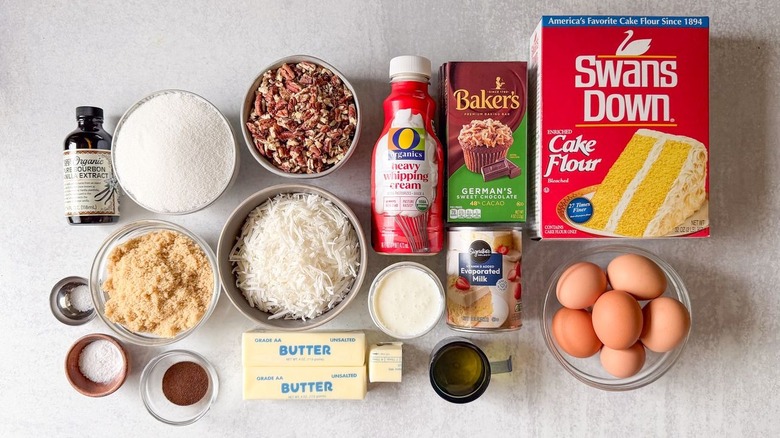
Before starting to make your traditional German chocolate cake, it is important to have all ingredients measured, at the correct temperature, and ready to go for the multiple steps of preparation that are involved. First and foremost, track down some Baker's German's sweet chocolate for the best possible flavor. If you can't find this product, substitute semi-sweet chocolate. To get the most out of this chocolate for baking, you will "bloom" it with a mixture of hot water and instant espresso powder (or use brewed espresso or strong coffee). Blooming is a technique usually used with cocoa powder to release more of the flavor and improve the texture, but it is also effective with the German's chocolate.
To make the cake layers, you will need cake flour, baking soda, salt, granulated sugar, softened unsalted butter, a neutral vegetable oil, large eggs, vanilla extract, and buttermilk. The bloomed German's sweet chocolate blends seamlessly into the cake batter. For the filling you will cook together evaporated milk, light brown sugar, unsalted butter, egg yolks, salt, and vanilla extract to form a custard-like sauce. This will be combined with lightly toasted unsweetened shredded coconut and chopped pecans. To finish the cake, you will make a basic ganache with more of the German's chocolate, heavy cream, and butter. If you desire, have some extra pecan halves on hand for garnishing your finished cake.
Step 1: Preheat the oven
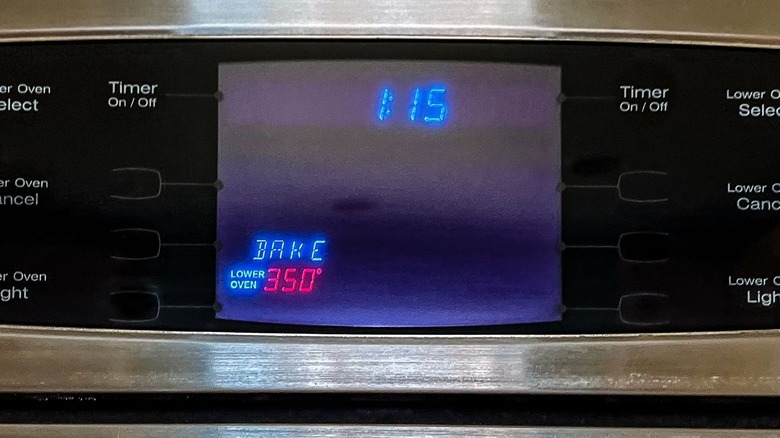
Preheat the oven to 350 F.
Step 2: Prepare the cake pans
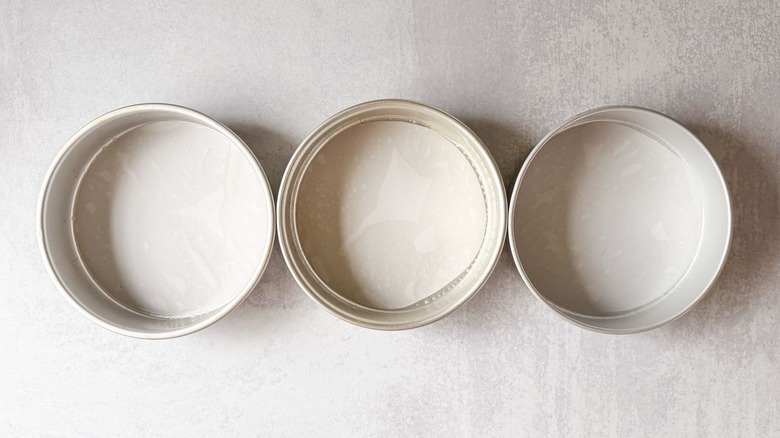
Spray 3 (8-inch) cake pans with baking spray and line with parchment paper circles.
Step 3: Mix the espresso powder into hot water
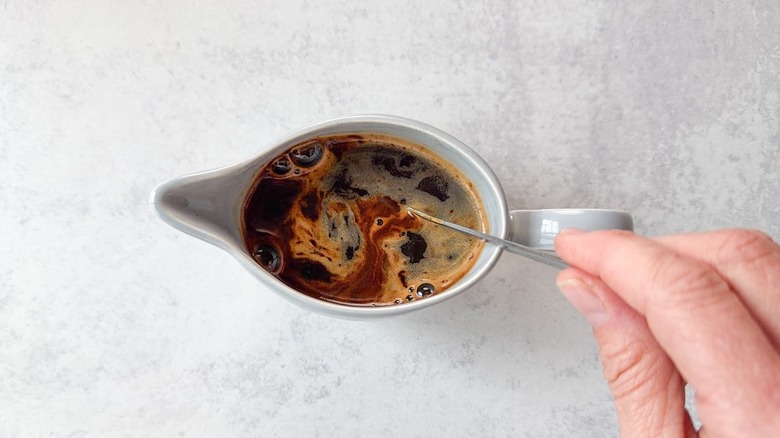
Combine ½ cup boiling water and espresso powder in a heat-proof container.
Step 4: Bloom the chocolate
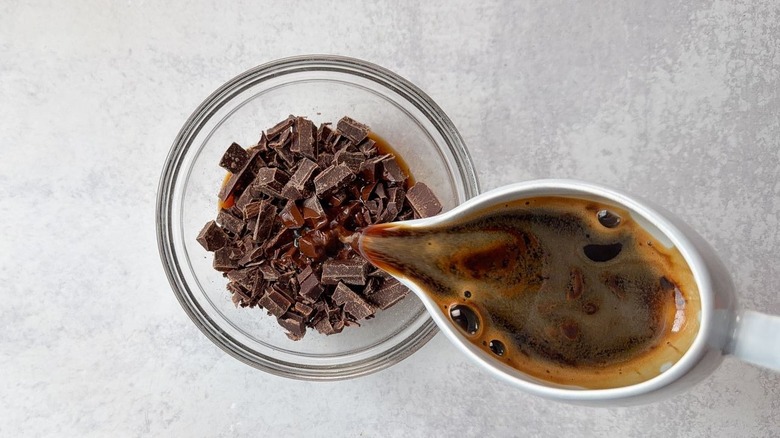
Place the chocolate in a heat-safe bowl and pour in the hot espresso water. Whisk the chocolate until smooth and set aside to cool.
Step 5: Combine the dry ingredients
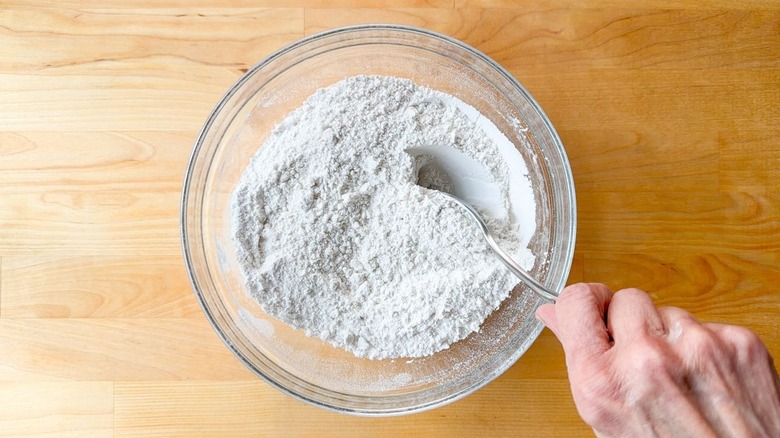
In a medium bowl, combine the cake flour, baking soda, and salt.
Step 6: Cream together the sugar, butter, and oil
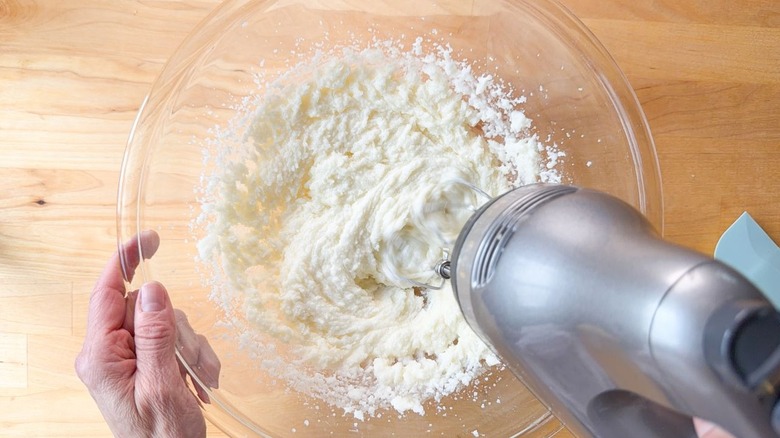
In a stand mixer or with a hand mixer, cream together the sugar, butter, and vegetable oil until pale and fluffy.
Step 7: Beat in the yolks
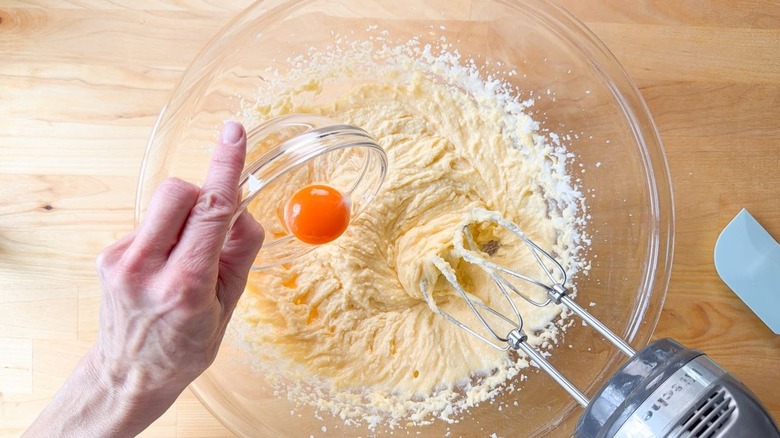
Beat in the egg yolks one at a time.
Step 8: Mix in the vanilla and cooled chocolate
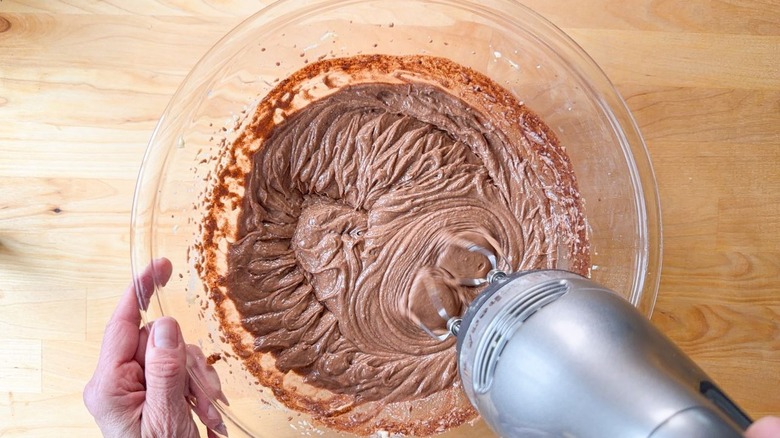
Add the vanilla and cooled chocolate and mix until fully incorporated.
Step 9: Add some of the dry mixture to the wet ingredients
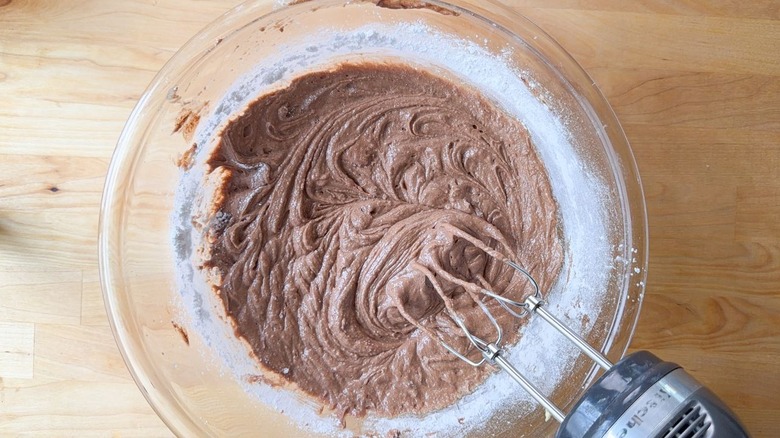
Add ⅓ of the flour mixture to the bowl and mix just until moistened.
Step 10: Alternate adding buttermilk and flour mixture to batter
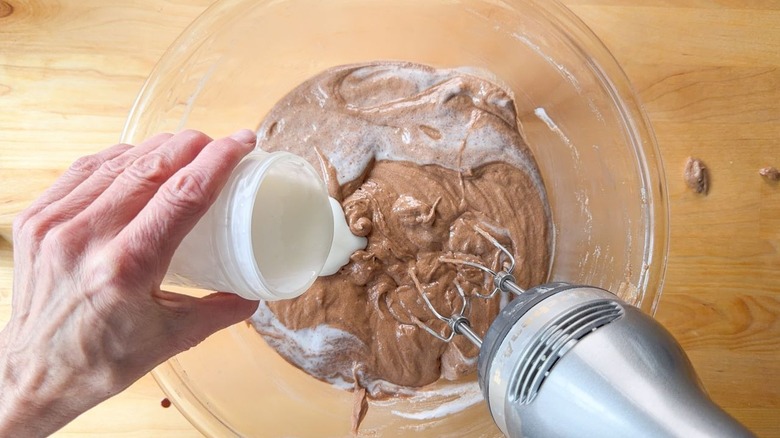
Use a rubber spatula to scrape down the sides of the bowl and mix in half of the buttermilk. Continue to alternate the flour mixture with the buttermilk, mixing and scraping after each addition, and finishing with the flour.
Step 11: Beat the egg whites until stiff
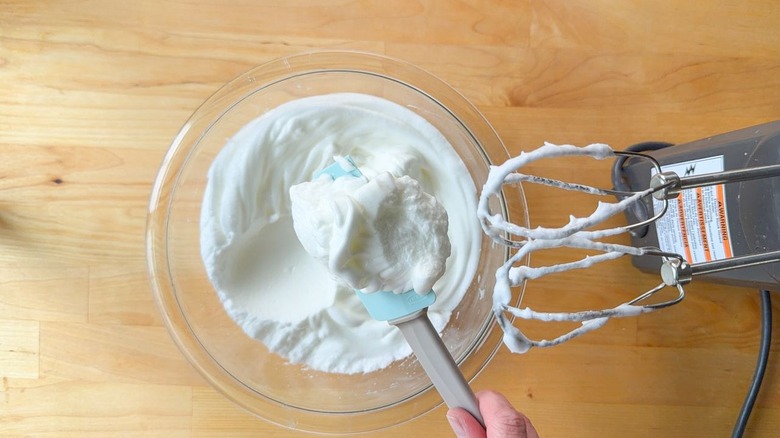
In a separate mixing bowl, beat the egg whites until stiff with clean beaters.
Step 12: Fold some of the whites into the cake batter
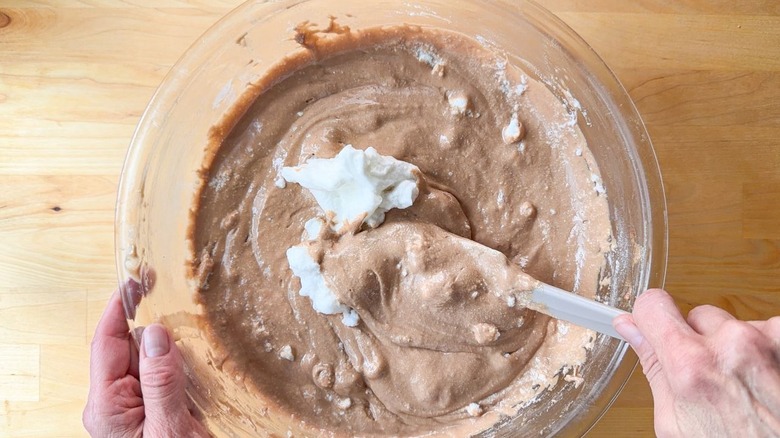
Carefully fold ⅓ of the whites into the batter to lighten it.
Step 13: Fold in the remaining whites
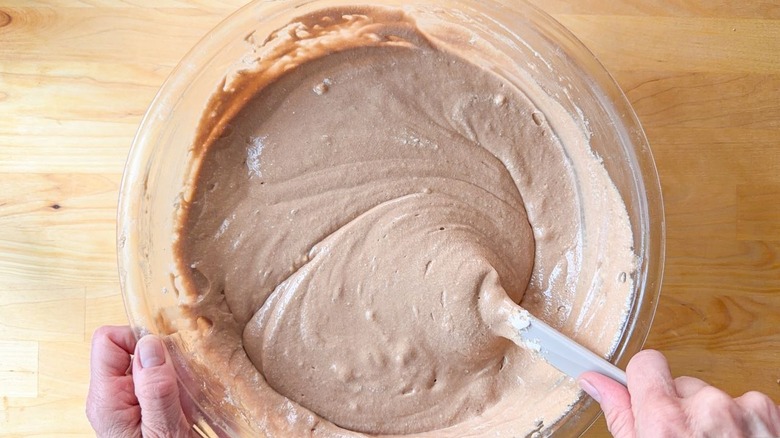
Fold in the remaining whites until the batter is uniform in color.
Step 14: Divide the cake batter between the prepared pans
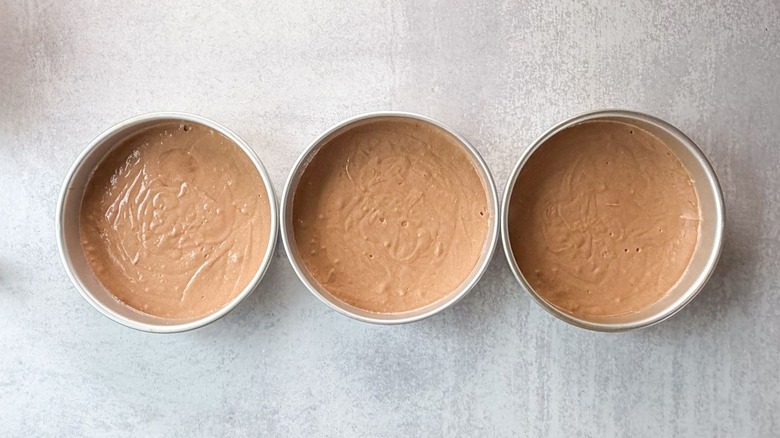
Divide the cake batter between the 3 pans.
Step 15: Bake the cake layers
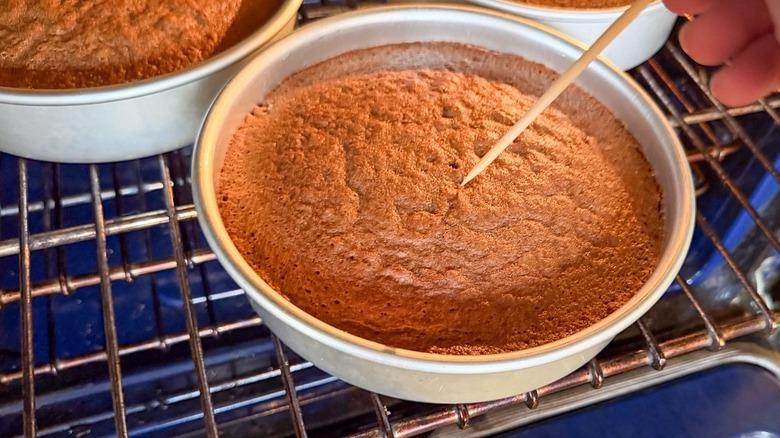
Bake the layers for 25-30 minutes, or until a tester inserted in the center comes out clean.
Step 16: Cool the cake layers
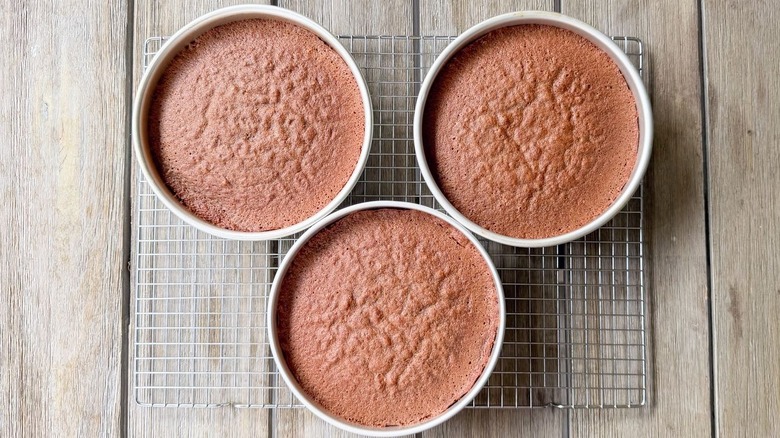
Remove the cakes from the oven and cool completely in the pans on a wire rack.
Step 17: Spread the coconut and pecans on a baking sheet
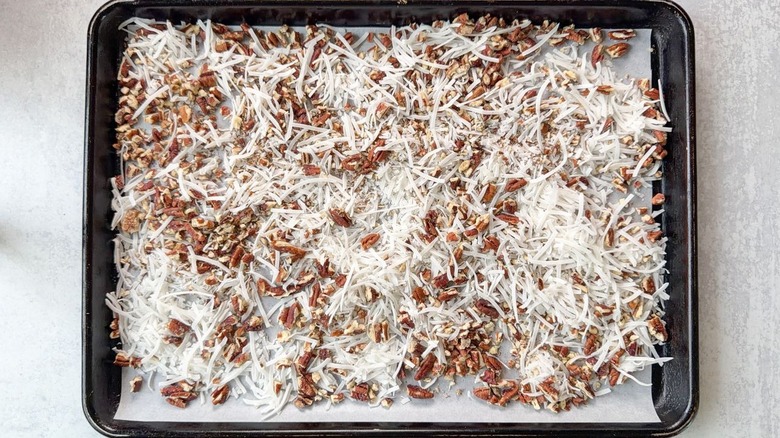
While the cake layers are baking, line a baking sheet with parchment paper and add the chopped pecans and coconut in an even layer.
Step 18: Toast the coconut and pecans
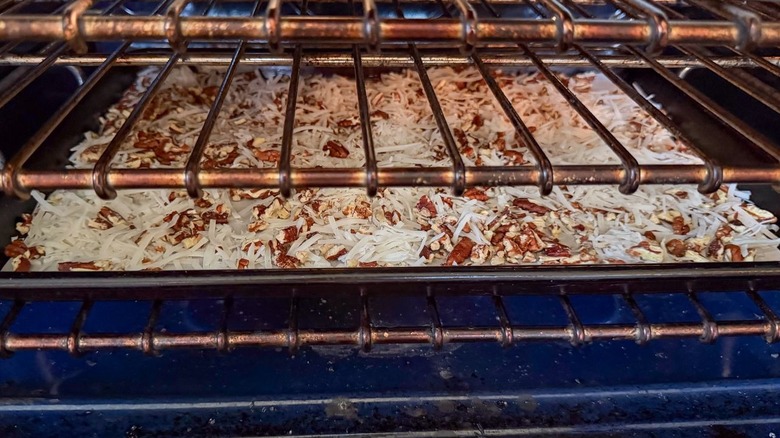
Bake for 5 minutes, until the nuts are slightly toasted and the coconut just starts to turn golden.
Step 19: Cool the coconut and pecans
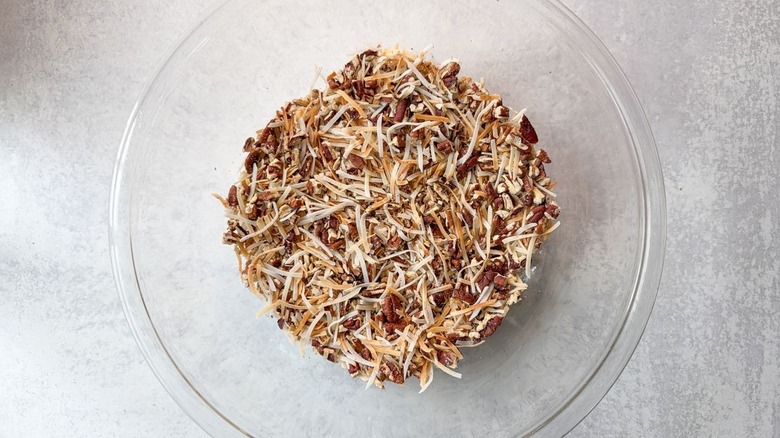
Remove the pan from the oven and immediately transfer the pecans and coconut to a large bowl.
Step 20: Begin making the custard filling
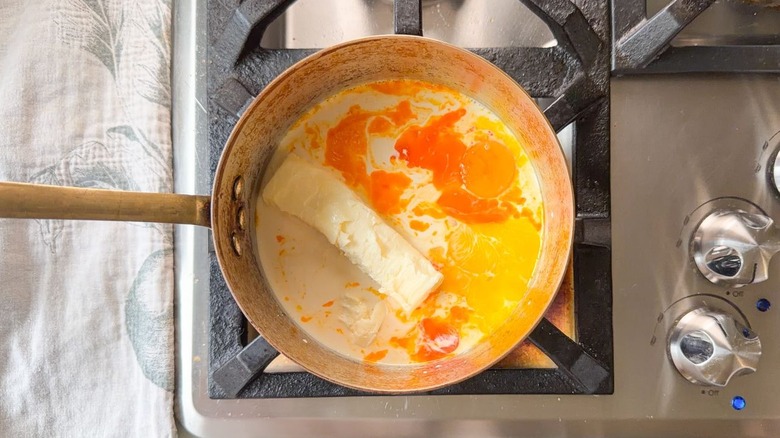
In a heavy saucepan, combine the evaporated milk, brown sugar, butter, yolks, and salt.
Step 21: Cook the custard until thickened
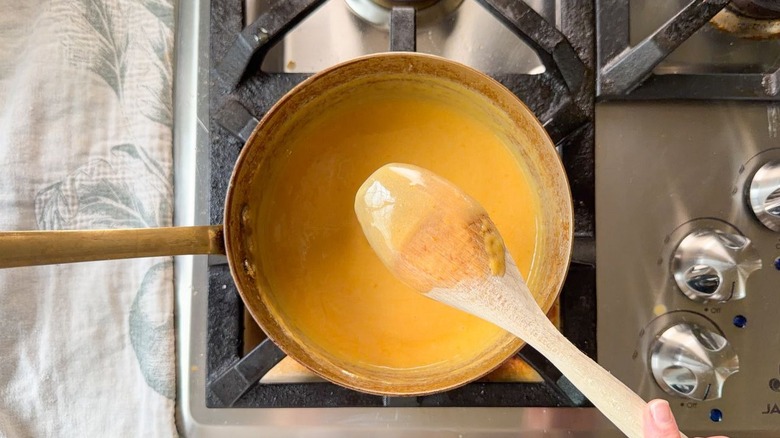
Cook over medium-low heat, stirring constantly, until the mixture thickens enough to coat the back of a spoon.
Step 22: Combine the custard and toasted coconut and pecans
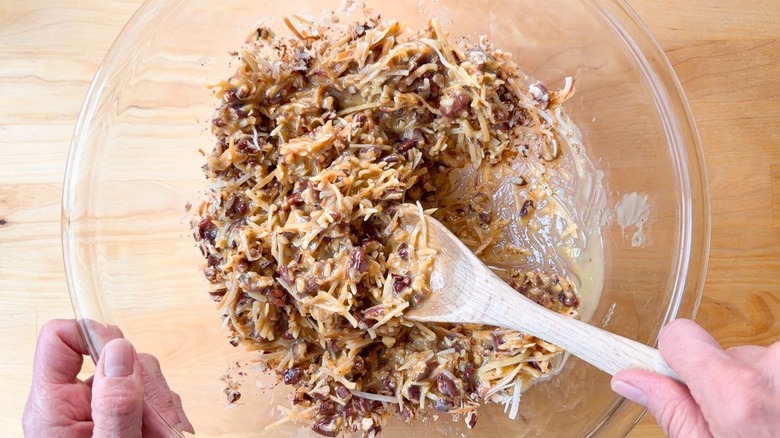
Pour the custard over the coconut and pecans. Add the vanilla and stir to combine. Set the filling aside to cool.
Step 23: Start the ganache
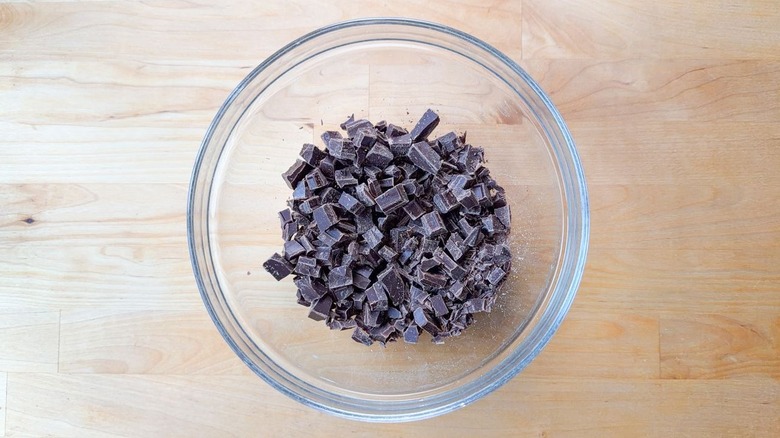
To make the ganache, place the chocolate in a medium heat-proof bowl.
Step 24: Bring the butter and cream to a boil
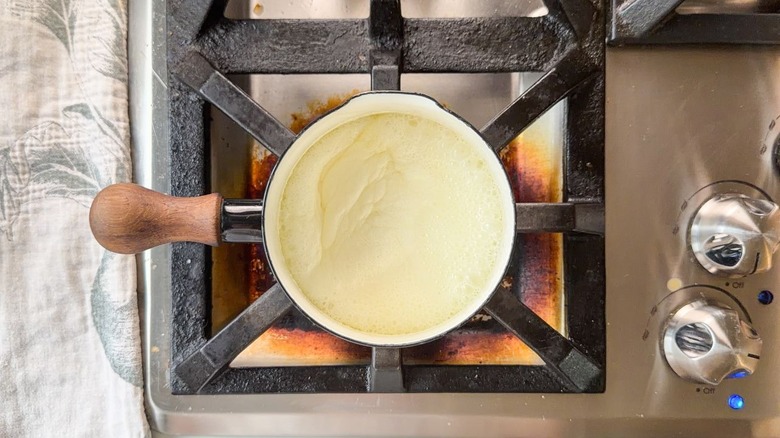
Bring the cream and butter just to a boil in a small saucepan.
Step 25: Pour the hot cream over the chocolate
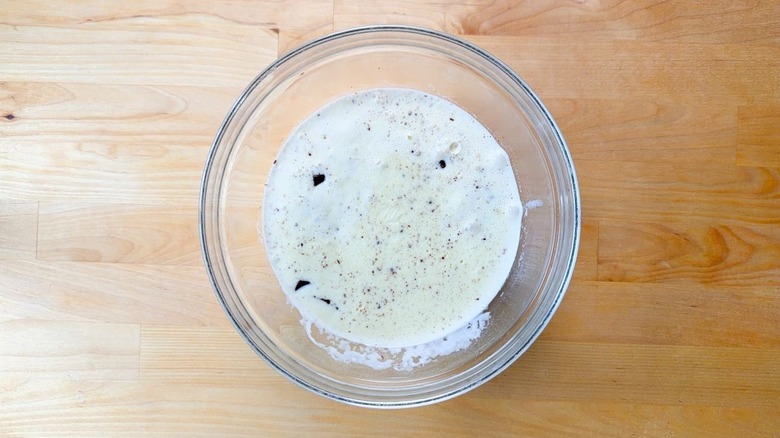
Pour the hot cream over the chocolate and let sit for 5 minutes.
Step 26: Whisk the ganache until smooth
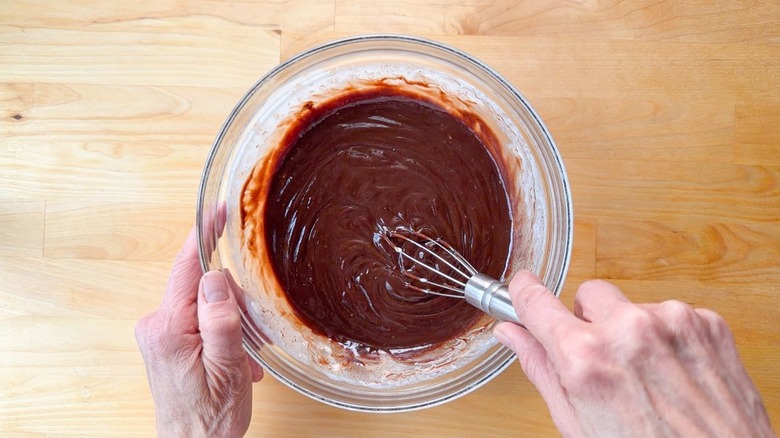
Whisk the ganache until smooth and set aside.
Step 27: Remove the cake layers from the pans
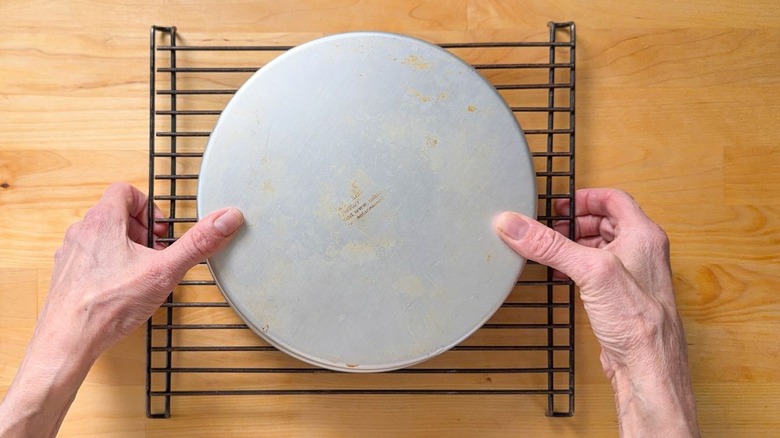
To assemble the cake, invert the layers from the pans using a rack or a plate set over the top of the pans.
Step 28: Place one cake layer on a board or plate
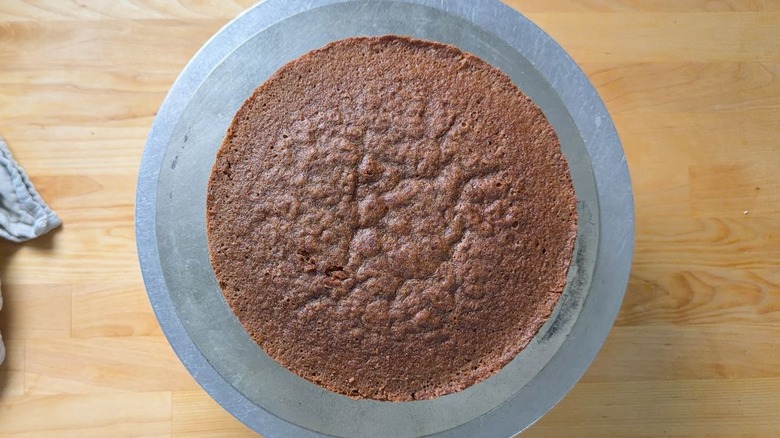
Place one layer on a round cake board or plate.
Step 29: Spread filling onto the cake
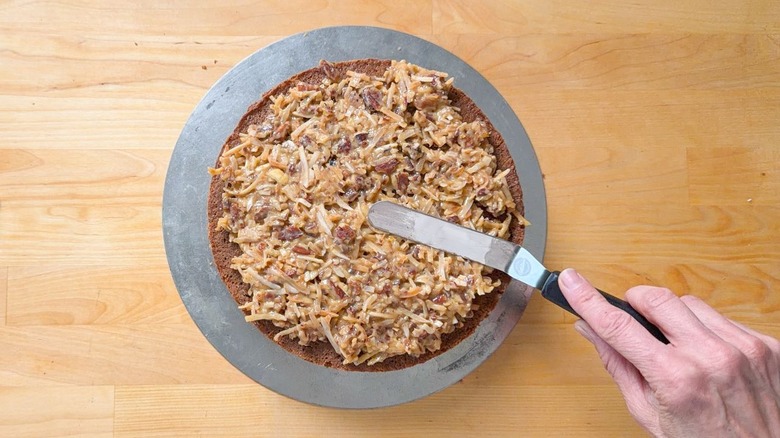
Add about ⅓ of the filling and spread in an even layer.
Step 30: Top with another cake layer
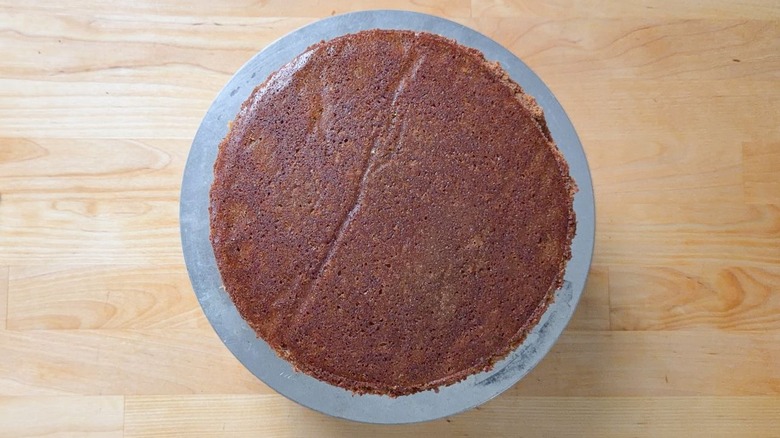
Top with another layer, followed by ⅓ of the filling, then finish with the last layer on top, bottom-side-up.
Step 31: Spread the remaining filling on top of the cake
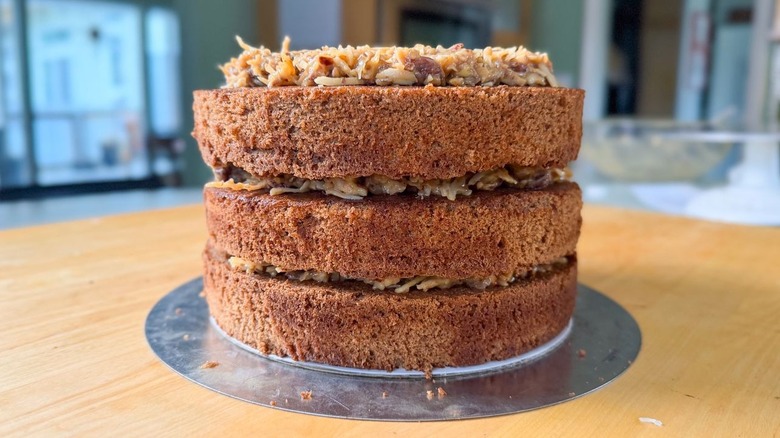
Spread the remaining filling in an even layer over the top.
Step 32: Spread the cooled ganache on the cake sides
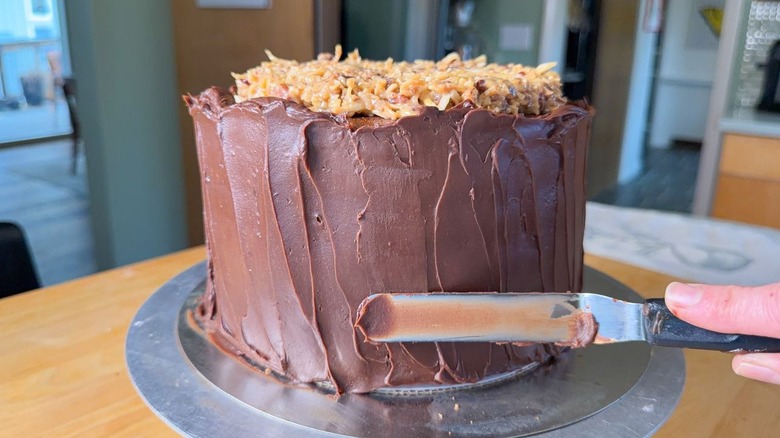
Once the ganache has cooled to a good spreading consistency, ice the sides of the cake.
Step 33: Garnish the cake
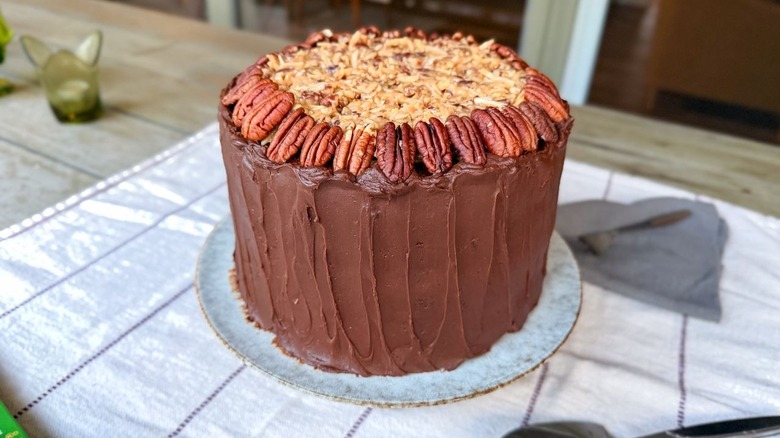
Garnish the cake with pecan halves, if desired.
Step 34: Slice and serve the German chocolate cake
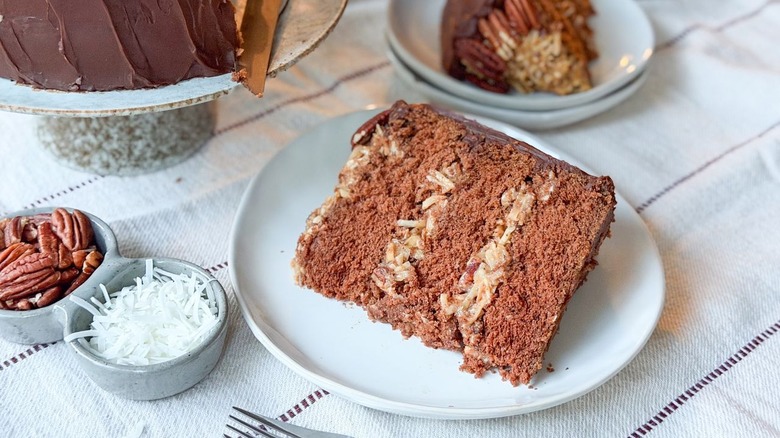
Chill the cake for at least 4 hours to set up, then slice and serve.
Entrees to serve before enjoying traditional German chocolate cake for dessert
Traditional German Chocolate Cake Recipe
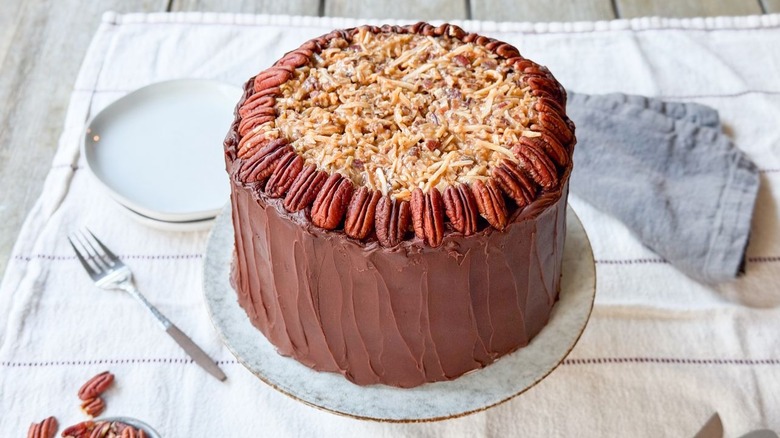
This traditional German chocolate cake features German's Sweet Chocolate-infused layers, a coconut-pecan custard filling, and chocolate ganache on the outside.
Ingredients
- For the cake layers
- 2 teaspoons espresso powder
- 4 ounces German’s Sweet Chocolate, roughly chopped
- 2 ¼ cups sifted cake flour
- 1 teaspoon baking soda
- ½ teaspoon fine salt
- 1 ½ cups granulated sugar
- ½ cup unsalted butter, softened
- ½ cup vegetable oil
- 4 eggs, yolks and whites separated
- 1 teaspoon vanilla extract
- 1 cup buttermilk, room temperature
- For the coconut-pecan filling
- 1 ½ cups chopped pecans
- 2 cups unsweetened shredded coconut
- 1 cup evaporated milk
- 1 cup packed light brown sugar
- ½ cup unsalted butter, softened
- 3 egg yolks
- ¼ teaspoon fine salt
- 1 teaspoon vanilla extract
- For the chocolate ganache
- 8 ounces German’s Sweet Chocolate, chopped
- 8 ounces heavy cream
- 2 tablespoons unsalted butter
Optional Ingredients
- Pecan halves, for garnish
Directions
- Preheat the oven to 350 F.
- Spray 3 (8-inch) cake pans with baking spray and line with parchment paper circles.
- Combine ½ cup boiling water and espresso powder in a heat-proof container.
- Place the chocolate in a heat-safe bowl and pour in the hot espresso water. Whisk the chocolate until smooth and set aside to cool.
- In a medium bowl, combine the cake flour, baking soda, and salt.
- In a stand mixer or with a hand mixer, cream together the sugar, butter, and vegetable oil until pale and fluffy.
- Beat in the egg yolks one at a time.
- Add the vanilla and cooled chocolate and mix until fully incorporated.
- Add ⅓ of the flour mixture to the bowl and mix just until moistened.
- Use a rubber spatula to scrape down the sides of the bowl and mix in half of the buttermilk. Continue to alternate the flour mixture with the buttermilk, mixing and scraping after each addition, and finishing with the flour.
- In a separate mixing bowl, beat the egg whites until stiff with clean beaters.
- Carefully fold ⅓ of the whites into the batter to lighten it.
- Fold in the remaining whites until the batter is uniform in color.
- Divide the cake batter between the 3 pans.
- Bake the layers for 25-30 minutes, or until a tester inserted in the center comes out clean.
- Remove the cakes from the oven and cool completely in the pans on a wire rack.
- While the cake layers are baking, line a baking sheet with parchment paper and add the chopped pecans and coconut in an even layer.
- Bake for 5 minutes, until the nuts are slightly toasted and the coconut just starts to turn golden.
- Remove the pan from the oven and immediately transfer the pecans and coconut to a large bowl.
- In a heavy saucepan, combine the evaporated milk, brown sugar, butter, yolks, and salt.
- Cook over medium-low heat, stirring constantly, until the mixture thickens enough to coat the back of a spoon.
- Pour the custard over the coconut and pecans. Add the vanilla and stir to combine. Set the filling aside to cool.
- To make the ganache, place the chocolate in a medium heat-proof bowl.
- Bring the cream and butter just to a boil in a small saucepan.
- Pour the hot cream over the chocolate and let sit for 5 minutes.
- Whisk the ganache until smooth and set aside.
- To assemble the cake, invert the layers from the pans using a rack or a plate set over the top of the pans.
- Place one layer on a round cake board or plate.
- Add about ⅓ of the filling and spread in an even layer.
- Top with another layer, followed by ⅓ of the filling, then finish with the last layer on top, bottom-side-up.
- Spread the remaining filling in an even layer over the top.
- Once the ganache has cooled to a good spreading consistency, ice the sides of the cake.
- Garnish the cake with pecan halves, if desired.
- Chill the cake for at least 4 hours to set up, then slice and serve.
Nutrition
| Calories per Serving | 960 |
| Total Fat | 66.3 g |
| Saturated Fat | 32.2 g |
| Trans Fat | 0.3 g |
| Cholesterol | 163.7 mg |
| Total Carbohydrates | 89.3 g |
| Dietary Fiber | 5.6 g |
| Total Sugars | 62.9 g |
| Sodium | 348.3 mg |
| Protein | 10.6 g |

What makes this a traditional German chocolate cake?
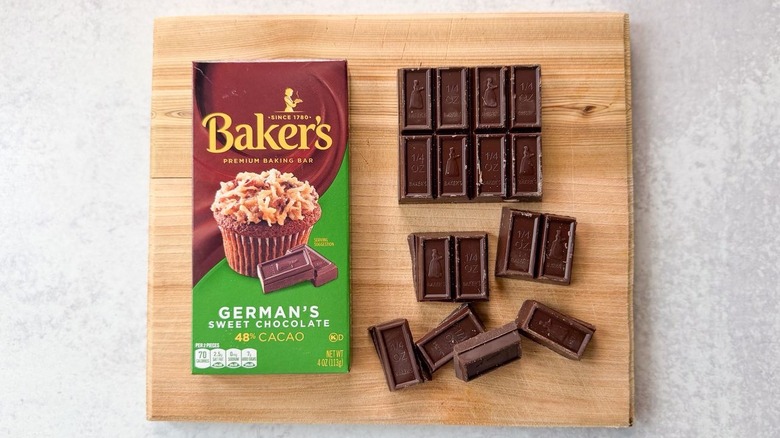
As mentioned earlier, German chocolate cake does not actually come from Germany, but it has an interesting backstory nonetheless. In the 1850s, baker and Baker's Chocolate employee Sam German concocted a new, sweeter baking chocolate that eventually was named after him — German's Sweet Chocolate. Fast-forward to 1957 in Dallas, Texas, where a local newspaper printed a recipe for "German's Chocolate Cake," named as such because the home baker used German's Sweet Chocolate in the cake. Over time, after the recipe had been published many, many more times, "German's" simply became "German," and you can probably tell where the whole German-origin misconception came into play from there.
Although many modern versions of German chocolate cake do not use the original German's Sweet Chocolate (cocoa powder or semi-sweet chocolate are typical substitutes), there are certain elements that must be included to keep the cake traditional. The cake layers should have a subtle chocolate flavor, differing from the average American chocolate cake. Three layers are best, with three layers/topping of the thick, custardy filling made with evaporated milk, coconut, and pecans. The original cake did not have any finishing icing or frosting, so skipping that step will make you a true traditionalist.
What are some tips for making the best German chocolate cake?
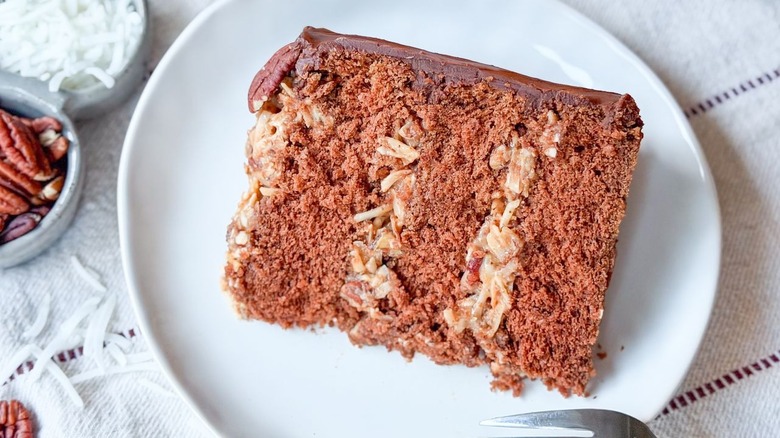
When making successful German chocolate cake, start with prepping the cake pans. Kinnaird prefers to use a product like Baker's Joy nonstick spray, which has a combination of oil and flour and sprays on the pan surface quickly and easily for clean release. Lining the bottoms of the pans with parchment paper also prevents sticking while baking. Cake flour is an important ingredient to yield a soft, delicate crumb in your cake. Having ingredients at the proper temperature is also important. The butter for the cake layers must be soft enough to easily cream with the sugar, but not so soft that it is starting to melt. For the eggs, they will incorporate into the batter more effectively if they are brought to room temperature first. When it comes to the filling, Kinnaird prefers the look of shredded coconut, but flake coconut tends to be a bit easier to cut through when it is time to slice the cake.
When the time comes to assemble the cake, use these tips for a level and sturdy presentation. First, if your cake layers come out with a dome top, use a long serrated knife held parallel to the surface to carefully trim and create a flat layer. Your cakes will come out more even if you remember not to open the door while baking, which can create fluctuations in the temperature that can affect how your cake rises. You may also want to briefly freeze your cake layers after trimming, which helps to keep the cake sturdy and intact while you spread on the thick filling.