

This Type Of Donation Isn't Always Accepted At Food Banks

A great way to help out people who need food assistance any time of year is by donating to your local food bank. But food banks can't necessarily take every type of donation. Perishables in particular are tricky when it comes to donations, so maybe think twice before bringing a carton of milk to the food bank.
The reason charities can't always accept perishables is right there in the name. These products have a very limited shelf life, which means that there is only have so much time to distribute them. Additionally, the food banks can't always verify that these items were stored properly prior to donation, since many perishables should be refrigerated immediately after taking them home from the grocery store. Food banks may also have limited space to store such food items (or none at all).
Examples of perishables many food banks can't or won't take are raw meat, fresh produce, milk and milk substitutes, and baked goods. And it's not just perishables. Expired goods, homemade food, and anything with damaged packaging will be turned away from your local food bank. Some places also distribute either food or other goods like clothing, but not both. And even if they're in good condition, food banks may not take take high sugar drinks like soda, including diet soda, or any kind of supplements. However, always check with your local charity, as they may make exceptions in certain cases.
How to donate perishables to your local food bank
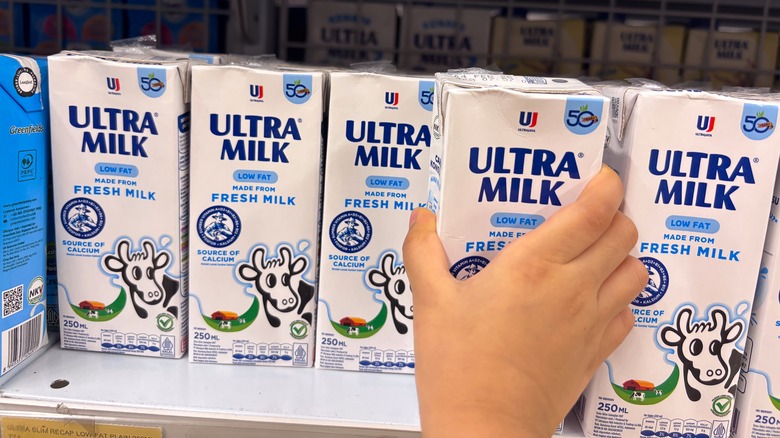
The rules on perishables aren't absolute. Some food banks do take these goods in some circumstances, or some may accept them only from certain organizations such as food manufacturers. Before shopping for goods to donate, call your local food bank and ask about its policies so you know your donation will be accepted. While you're at it, ask what kinds of goods it needs so you can help out the most.
If you want to donate foods like dairy or produce, you still can, they just need to be in a non-perishable form. Canned meat or produce and powdered milk are accepted at food banks, as are most any other canned goods. Other good items to donate that are almost always appreciated at a food bank include rice, pasta, peanut butter, baby supplies, seasonings, and toiletries.
When in doubt, donate cash. Food banks can stretch their dollars further than you can since many get food at a discount from retailers. Using this money, they can buy perishables that they can't accept as donations, like fresh produce. Food banks can also use the money to pay other expenses and help keep their doors open. A monetary donation is a great option if you're unclear on what to donate or are short on time to drop off goods in person.