

What Do Anti-Inflammatory Foods Do, Anyway?
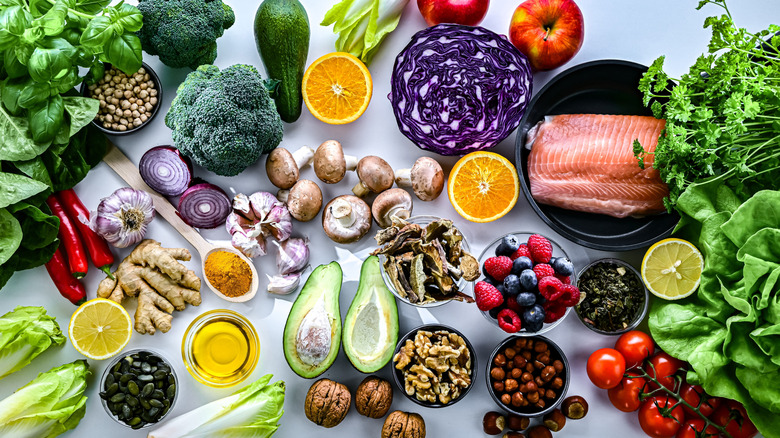
There are a lot of health claims vis-à-vis the foods we eat, and not just when it comes to calories, protein, or other macros with little room for subjective argument. Some such claims are completely spurious, like MLM supplements that could allegedly cure COVID-19, while others contain kernels of validity, like drinking rooibos tea for improved gut health. If you're an informed consumer, you've undoubtedly heard a lot of buzz about the dangers of chronic inflammation from eating certain foods, and, on the other hand, anti-inflammatory foods that are good for your whole-body health. What, exactly, is an anti-inflammatory food, and what is it fighting?
To understand anti-inflammatory foods, you need to understand the process of inflammation. When you injure yourself, an inflammatory response is triggered that causes heat and swelling at the site of the damage. Think of the last time you stepped on a tiny shard of glass or got a paper cut, and the site turned red and irritated. Certain foods, however, trigger what scientists theorize to be an overblown, chronic internal immunological response that, over time, can give rise to non-communicable diseases like type 2 diabetes, cancer, arthritis, and depression, among many others (via Mayo Clinic).
Anti-inflammatory foods, on the other hand, can cut back on or, over time, even eliminate inflammatory responses in the body. These are things you eat with high levels of antioxidants and polyphenols, both of which decrease inflammatory responses, per Harvard Medical School. There probably isn't a lot of weight behind claims that an anti-inflammatory diet will cure every single one of your ailments, but the evidence that this way of eating can ease certain physical problems seems to be credible and supported by evidence.
What foods are considered anti-inflammatory?
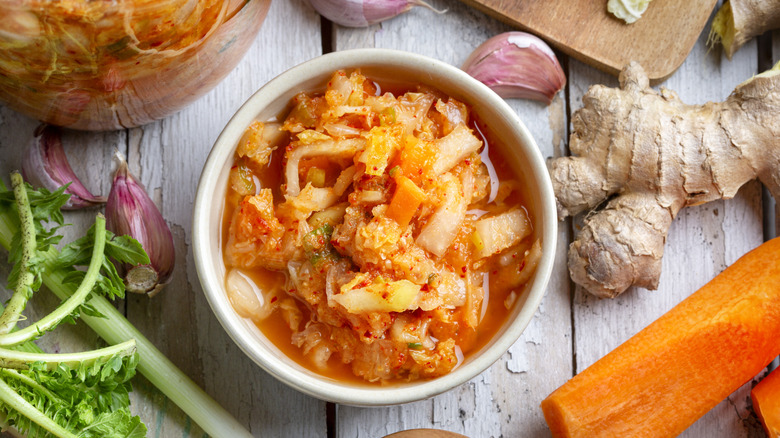
Certain foods and ways of cooking are associated with an inflammatory response. Anything deep-fried or grilled is a possible problem, while red meat, white flour, foods high in saturated fat, and those with a lot of sugar all have high inflammation indices. Generally speaking, the more processed a food is, the more likely it is to promote inflammation. How will you know if you are suffering from chronic inflammation? There are specific lab markers that your doctor can look for when doing bloodwork, for one, but there is also a spate of symptoms that, combined, are associated with this condition: weight fluctuations, repeated infections, insomnia, joint pain, gastrointestinal issues, and mental health changes.
On the other hand, anti-inflammatory foods are those containing a lot of omega-3 fatty acids, vitamin C, polyphenols, and either prebiotics or probiotics. For concrete examples, think canned fish, like the old-school sardines on toast Boomers loved that younger hipsters now consider a health food, leafy greens, fermented foods (kombucha, kimchi), and certain nuts and oils like olive oil — although, on that note, make sure you know the signs that you are buying real olive oil. Consumers who adhere to the Mediterranean diet are already eating a lot of the foods that are considered beneficial, so that can be a good place to start if you are interested in anti-inflammatory eating. As always, speak to a healthcare professional before instituting any major lifestyle or diet changes, especially if you already have diagnosed health issues.