

This Tiny Fishing Village Off The Coast Of Florida Is A Seafood Lover's Dream
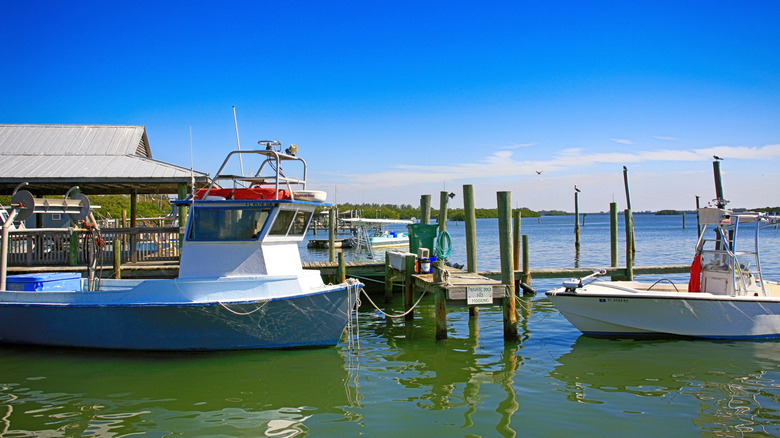
Just south of St. Petersburg and north of Sarasota, on the west coast of Florida, is a tiny fishing village called Cortez. Its recorded history of fishing goes back to at least the 16th century, when Indigenous peoples and Spanish explorers traveled the area. Officially founded in the late 1800s by families from North Carolina, it remains one of the last authentic commercial fishing communities on Florida's famed Gulf Coast. If you're a seafood lover and history enthusiast, you've come to the right place.
The village was built on the water and still lives by the tides. Banish the thought of Miami's skyscrapers, Orlando's theme parks, or Tampa's sprawl — Cortez is happily stuck in the past. While much of coastal Florida has been overtaken by condos and chain restaurants (Outback steakhouse was founded in Tampa), Cortez has stubbornly held onto its identity as a place where seafood is caught and eaten by locals.
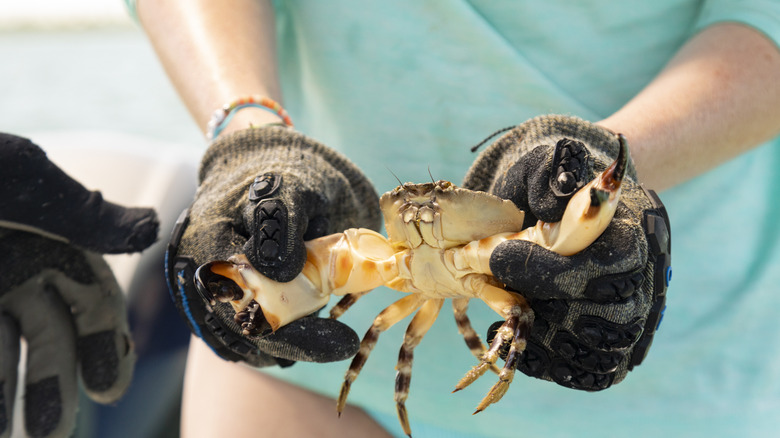
The biggest star here is Gulf shrimp, as it's harvested just offshore. Cortez shrimp is prized for its freshness and quantity. Snow crabs, when in season, and local fish like grouper, snapper, and mullet are often on the local restaurants' menus. Considering most of the restaurants are just steps from the dock, it's more than likely you'll see your fish dish being hauled in that morning. And if you prefer to cook, the fish markets are stellar. Just make sure don't ruin your beautiful swordfish with one of these common fish-cooking mistakes.
Cortez is a reminder of what Florida used to look like
Cortez's commitment to preserving its history is what makes the community so unique. Many families in the village can trace their roots back generations, and fishing knowledge has been passed down the same way recipes have. If you go, the Florida Maritime Museum is a must-visit, housed in a former schoolhouse. It documents the town's legacy with oral histories and meticulous archives, covering traditional net-making to vintage postcards to the ongoing fight to protect commercial fishing rights in a state dominated by development.
Understandably, sustainability and climate change is a huge focus for the people who live there. Most people's homes and livelihoods couldn't exist without a healthy estuary, and it takes a village to keep that alive. Though development is impossible to stop these days, Cortez residents seem to carefully consider every new construction project's affect on their community.
For first-time visitors, Cortez offers a reminder of what coastal Florida used to look like. There are no white-tablecloth dining rooms or flashy clubs with a dress code. Instead, there are paper napkins, tartar sauce that could rival Gordon Ramsay's, cold beer, and seafood that tastes just like the Gulf.