

This Old-School German Pot Roast Uses An Unexpected Sweet Ingredient
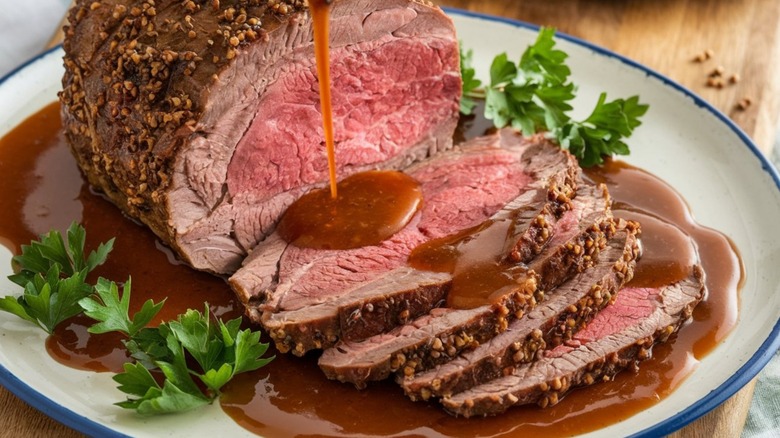
One of our all-star tips for perfect pot roast has to do with how much fat to trim off the meat, but the focus of German sauerbraten — or "sour roast" — is all in the sauce. According to legend, conqueror Julius Caesar was marching through what would later become Germany when his army encountered a spell of unseasonably torrid weather. Rather than let the men's rations spoil, he ordered the beef they carried to be preserved in wine. He happened to have raisins in his tunic from Tuscan grapes, which were added to the brew as well. Thus, the first sauerbraten was born. There's every chance this story is apocryphal, but Germans and German immigrants around the world still make sauerbraten as a festive dish today. The sour pucker comes from red wine vinegar, sometimes with additional red wine. And the sweetness? Well, that comes from gingersnap cookies.
In Europe, traditional cookies like lebkuchen are crumbled into the meat's gravy towards the end of the cook time, adding not just sweetness and nuance to the sauce, but working as a thickening agent as well. In North America, gingersnaps are frequently used instead.
On Reddit, one commenter was incredulous that cookies could ever have a place in a pot roast. "Most [recipes] say to add gingersnap cookies in towards the end," they marveled. "That doesn't sound right to me. Who would even think to add cookies to a dish like that?" The top comment disproved their doubts snappily: "It's 100% correct. Will not be the same without them. The cookies add flavor and thicken the gravy."
What else goes in sauerbraten besides cookies?
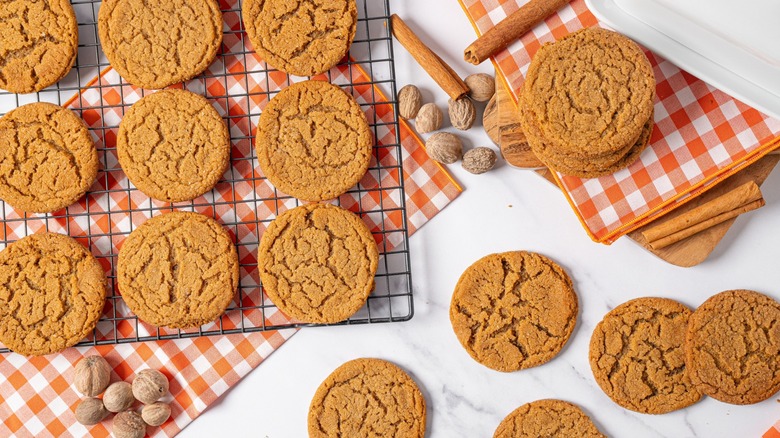
If you feel like indulging your inner Deutschlander, you might be inspired to make this unique, delicious pot roast at home. Recipes vary based on the regional origins of the writer, but many aspects are the same. Sauerbraten tends to contain many ingredients, as it has a complex sauce with multiple layers of flavor. Expect to see additional sweeteners beyond your cookies, like honey or even raisins that hearken back to Caesar's travels. Spices are pungent, even aggressive, including bay leaves, cloves, juniper, black peppercorns, and allspice. Not every preparation will include all these components, but they are frequent flyers that contribute big flavors.
Folks will go back and forth on the "proper" meat to use for roasts in general. Julia Child thought a rump roast was the right cut of beef, while some culinary mavericks will suggest that brisket is a worthy cut for your pot roast. Tradition agrees with Child regarding rump roast, but a nice chuck will, over the long and slow cooking process, produce meat that virtually falls apart on the tines of your fork.
Ideally, you'll marinate your roast in red wine vinegar for a long time. Three or four days should be sufficient, but some folks will go up to 10! A traditional, perfect sauerbraten is a labor of love and should not be hurried. That said, gingersnaps are added close to the end so that their piquant flavor is not diluted. Serve your roast with German favorites like potato dumplings, red cabbage, boiled vegetables, and pickled onions. Gingerbread cookies generally are associated with Christmas; maybe a sauerbraten will become your new holiday favorite!