

7 Foods With More Calcium Than Milk
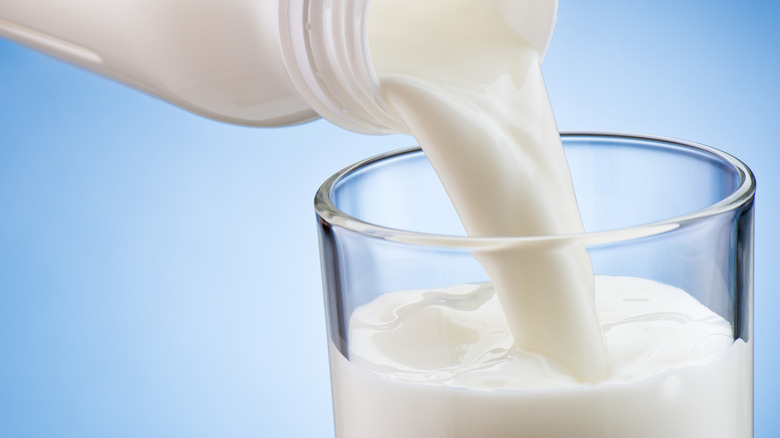
A slug of milk on cereal or a splash of creamer in coffee kick-starts the morning and takes us closer to the daily minimum of 3.5 ounces (100 grams) of calcium that experts recommend for most adults. It's one of the easier food goals to achieve too, because even if dairy items aren't your bag, there are plenty of alternatives packed with the mineral.
But first, some math. According to the USDA, a single cup of non-fat milk contains 32 grams of calcium (reduced fat and whole milk have a little less at 30g), just a little more than two slices of whole wheat bread at 18g, washed down with the 10g from a 100-gram glass of unfortified fresh orange juice.
Of course, dairy products such as cheese, kefir, and yogurt, as well as the wide range of plant-based milks, are all quick and easy ways to boost your calcium intake. But there are several foods with calcium levels that make a cup of milk look like small potatoes. Here's what to add to the weekly shopping list to help boost your bones and teeth.
Tofu
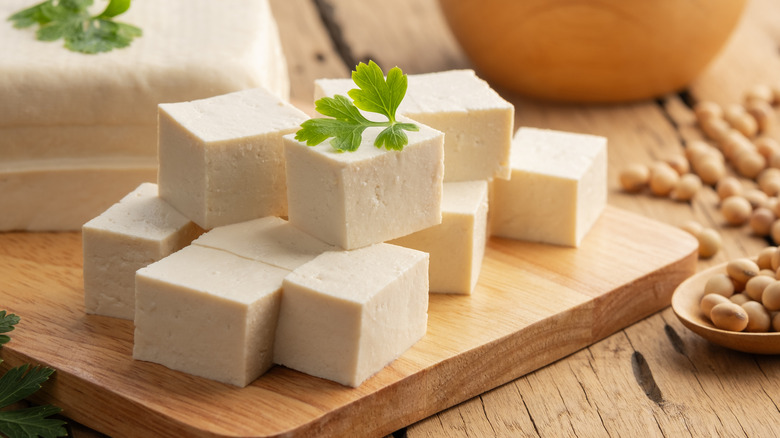
Firm tofu isn't just the best kind for grilling, it's also a brilliant source of calcium, and you don't have to be a veggie or a vegan to enjoy it. A mere half a cup will provide over 50 grams of the bone-boosting stuff, though it can be less if your preferred brand isn't made with added calcium sulfate. A quick check of the ingredients label will point you in the right direction.
Almonds
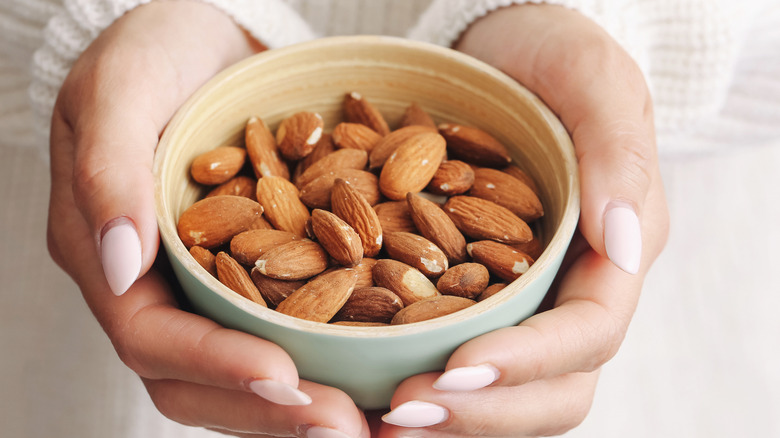
Nuts of all varieties, especially almonds, have become an essential part of many people's daily diet (we're including whoever makes Costco's chocolate-covered kind). Alongside all their healthy fats and fiber, a cup of these tasty snacks — unsalted, mind you — provides over 36 grams of calcium. If you're not a fan of dairy products, or you're always on the go and need a healthy boost, a couple of handfuls of almonds will help keep your calcium levels topped up.
Mozzarella
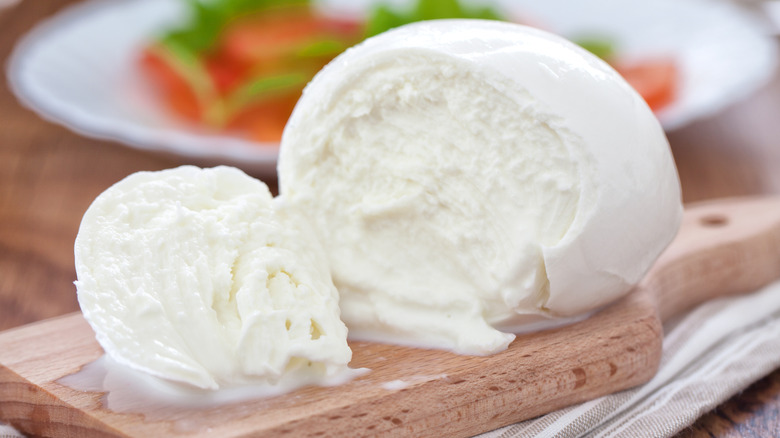
Okay, so it's no surprise that mozzarella contains calcium — it's a milk-based product after all. But what is worth noting is the amount you get. A cup of this diced soft cheese delivers a whopping 92 grams, almost three times that of milk. Creaminess isn't the only difference between mozzarella and burrata either if you're split between the two, as typically burrata only packs around 53g of calcium per 100g.
Chia seeds
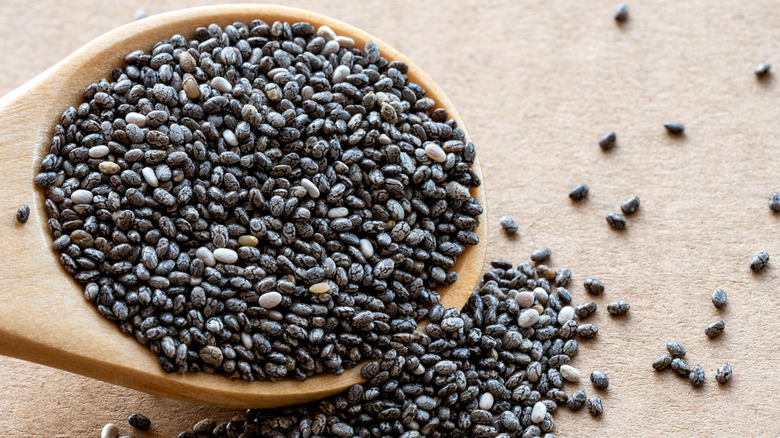
One of the most flexible ingredients in any home cook's pantry, chia seeds have been considered a superfood since the 1980s. They're ridiculously simple to add to a drink, but a handful thrown into a pudding, soup or sauce will help them thicken and increase your protein intake to boot. As for calcium? These little guys punch well above their weight: Just 100 grams will provide 59.5g of the bone-boosting mineral.
Canned salmon
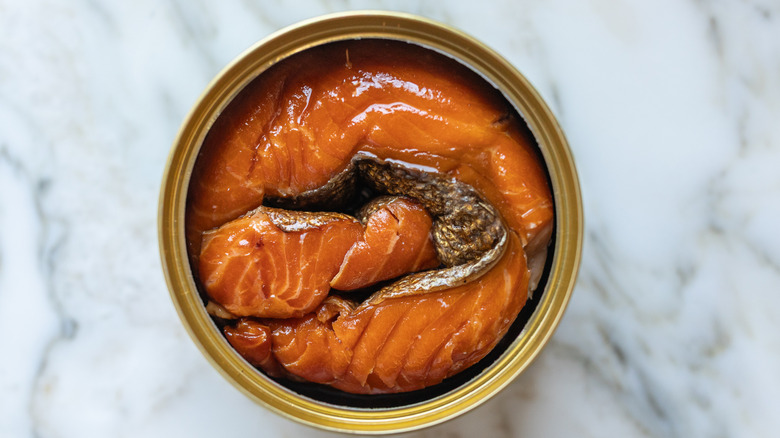
We've all got a can of something sitting in the pantry or the cupboard, and if yours is salmon, now's the time to crack it open. A 454-gram tin contains a whopping 96.7g of calcium, according to the USDA, whether you've got the pink or red kind. Both would be great for this salmon croquettes recipe. Meanwhile, a cup of canned sardines will serve up almost 57g of calcium, easily beating the cup of milk, but a small can of tuna at 25 g won't.
Sesame seeds
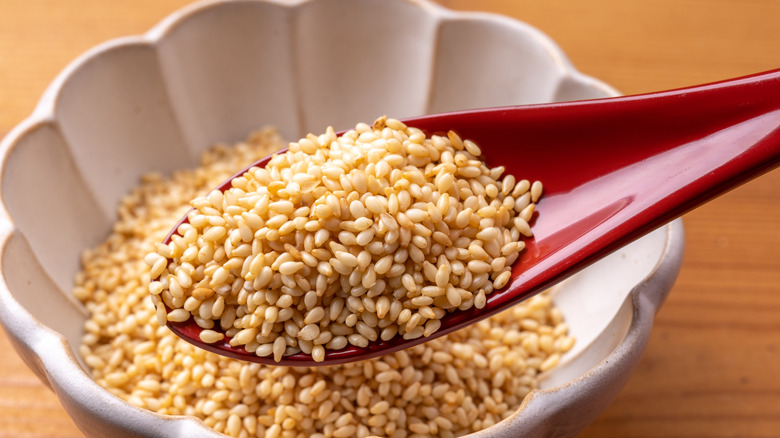
Who would have thought that fast food burger buns could be a delivery device for calcium? Not the bread itself, but those sesame seeds on top, that is. These tiny grains pack a flavor punch when toasted, and they also have an impressive 98.9 grams of calcium for every 100g. For those who won't, don't or can't do dairy, sesame also tops the list of the most calcium-rich plant milks.
Parmesan cheese
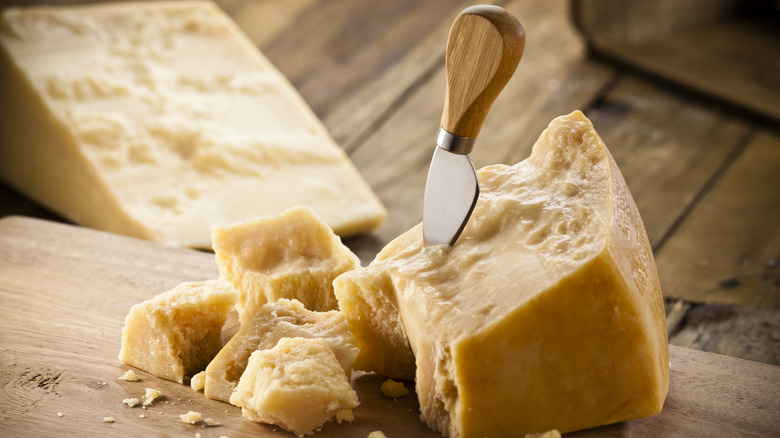
For some people, cheese is the food of the gods, while for others it gets a wide berth, but there are few dishes (except perhaps hot chocolate) that aren't elevated by a quick grate of Parmesan — and, hey, maybe the traditional Scandinavian cheese coffee means Parmesan isn't so off base there, either. As well as bringing all that nutty, salty flavor, this iconic cheese is a heavy hitter in the calcium stakes, serving up a whopping 118 grams for every 100g. If your taste runs closer to cheddar, it's no slouch either, at over 71g.