

The Best Cucumber Varieties To Grow On The East Coast
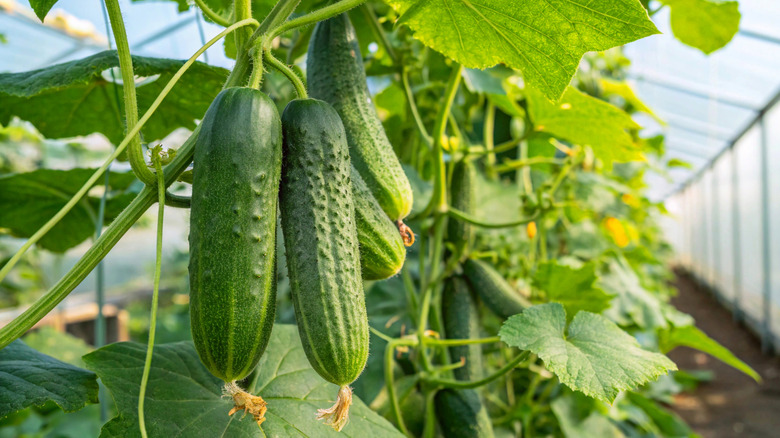
If you're keen to fill your salad bowl with fresh produce raised and harvested by your own hand, cucumbers are a good place to start, even if you live in the cooler Eastern U.S. states. Cukes need consistent warmth (around 70 to 85 degrees Fahrenheit) to grow successfully, and East Coast growers face a range of winter temperatures ranging from -10 to 40 degrees, according to the USDA plant hardiness zone map. Luckily, even if you live outside the warmer zones, there are plenty of varieties that will thrive in a greenhouse and outside. If the risk of frost has passed, you can plant cucumbers straight in the ground, or perhaps use this high-tech, portable planter to grow your cucumbers more vertically if space is a concern.
Cukes are a popular choice among green-thumbed veterans across the East Coast, many of whom are familiar with a peculiar quirk of this plant. Some varieties require "burping" once they're being prepped to reduce the fruit's levels of cucurbitacin. Although this compound naturally repels bugs, it can also cause a bitter taste and digestive discomfort for some people. To burp the fruit, cut off the stem end, remove the skin, and rub the cut ends together to draw out the cucurbitacin ... or invest in growing cucumbers that don't require this step. But which ones are best for East Coast gardeners? Read on for our picks of the bunch.
Suyo Long
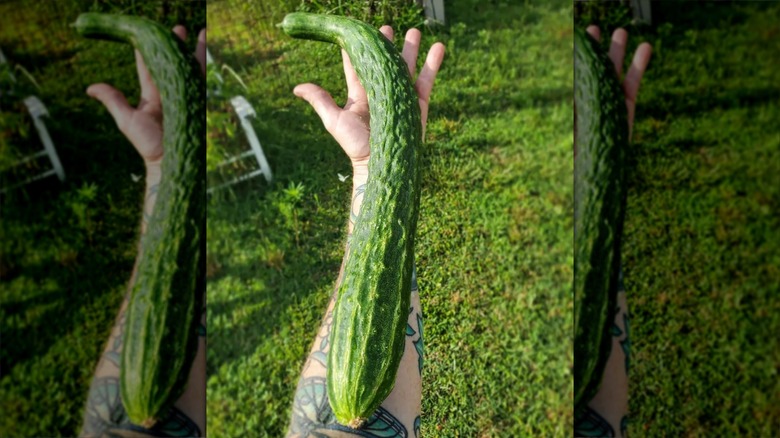
This burpless Chinese heirloom variety produces thin, knobbly fruit up to 16 inches long which, if it's not grown on a trellis, is often curved. Although this is a tender variety, plants do well in full sun and only require medium watering. Suyo cukes are delicious eaten raw and work particularly well with cream cheese and strong flavors like chili, while they are also perfect for pickling.
Beit Alpha
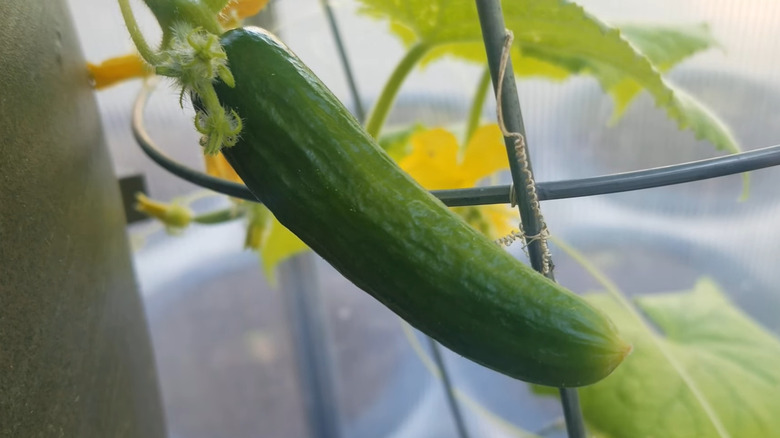
Named after the Israeli kibbutz where it originated, Beit Alpha cucumbers are beloved in the Mediterranean and increasingly popular in warmer zones across the United States. Although it's an easy grower, be aware Beit Alpha cukes need plenty of growing space, as well as six hours of sun per day and some shade. There are lots of varieties to choose from, including ones that don't need to be pollinated to produce lots and lots of fruit.
Arkansas Little Leaf
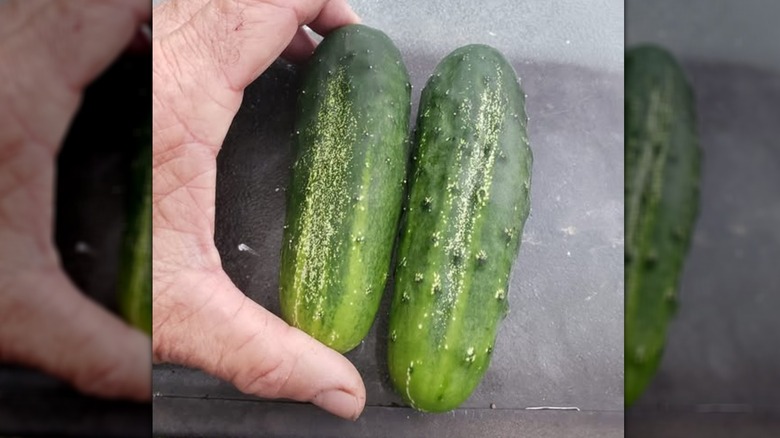
If space is at a premium and you want a lot of cucumbers, then Arkansas little leaf is just the plant for the job. Developed by the University of Arkansas, when trellised, this cuke will thrive in a range of climate zones, producing oodles of cucumbers until the plant gives up the ghost. Until then, it's resistant to disease, while its short, chunky fruit is delicious when pickled.
Sumter
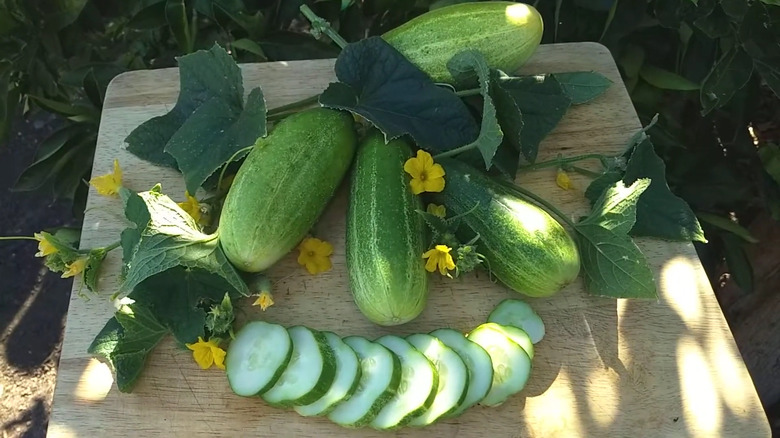
Regarded by many growers as a workhorse, thick, stripy Sumter cucumbers are a great addition to any East Coast garden. Their versatility means you can start them in the ground or a greenhouse, leaving them on the soil or planting them in a pot to train them on a trellis. It's also a hardy cuke that's resistant to mildew and disease and makes for delicious pickles.
Tasty Green
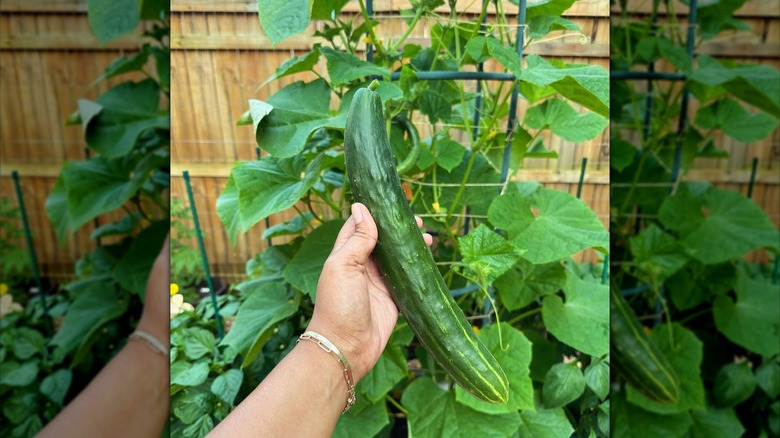
If you're looking for a long, crunchy, and burpless cucumber, the Tasty Green ticks every box. Like many varieties, it prefers warm and hot conditions, so keep it in the greenhouse if you're in a cooler zone, or make sure your garden soil stays at 60 degrees for optimum growing conditions. While it might be tempting to see just how long they will grow, these cukes at their best when they reach around 9 inches.
Shintokiwa
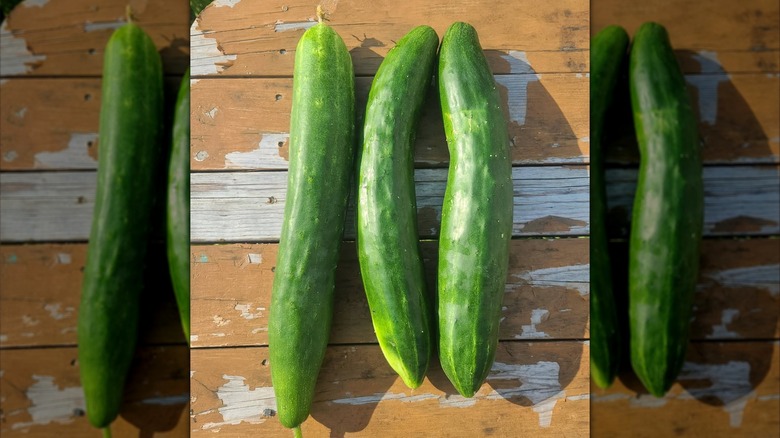
This popular Japanese variety provides long, seriously crunchy, and juicy fruit that are delicious eaten raw and fabulous for pickling. Growers note that, while it shares many characteristics with Lebanese or Asian cukes, the texture and taste — most notably how it doesn't turn bitter the longer the fruit gets — are all its own. Pop it in sandy, well-mulched soil after the last frosts and grow it on a trellis for straight cucumbers.
China Jade
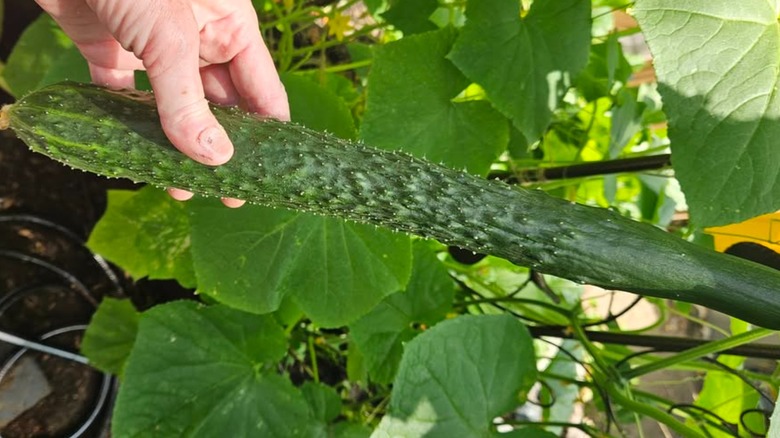
Parthenocarpic plants — those that don't need pollinators to produce fruit — have been a godsend to gardeners in zones where bee populations are struggling. China Jade is one of the most well regarded of these as it's burpless, the tiny spines won't tear your skin to pieces, and they're a sweeter variety of cuke. If you're growing them to sell, it's worth noting that China Jade can curl a lot even when it's set up on a trellis.
Garden Oasis
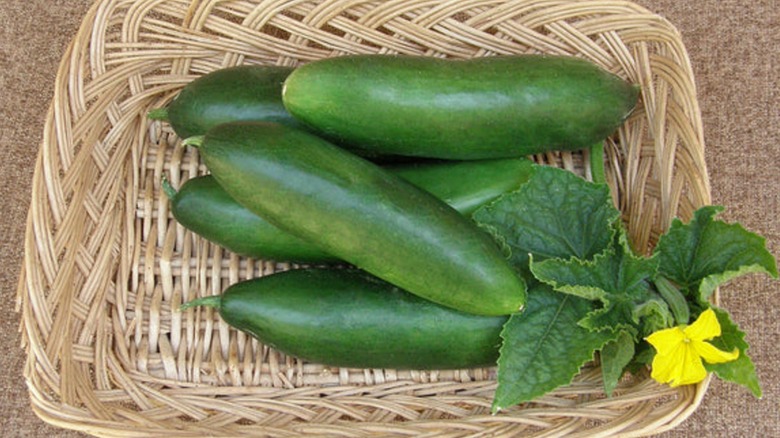
Suitable for almost all the hardiness zones, the Garden Oasis cucumber is another popular Mediterranean variety that has won many admirers in the United States. The plants are resistant to mosaic viruses and mildew, while the fruits can grow up to 8 inches, easily helping to create a cucumber salad that looks good enough to go viral. Bite through the smooth, thin skins to enjoy juicy, crunchy flesh, or dunk them in hummus for the ultimate summer bite.
Diva
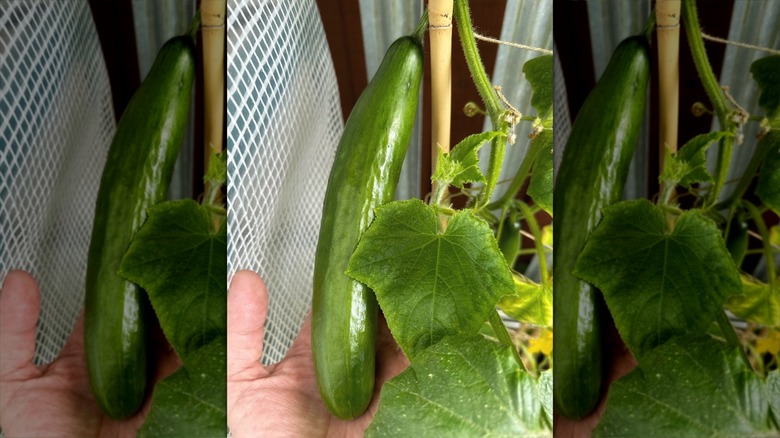
This reliable cuke has a reputation for consistently great flavor and zero bitterness. In some warmer regions, parthenocarpic Diva performs better on a trellis, whether you plant it in a pot or straight in the ground. It can take a while to get going, but once it does, you'll be rewarded with lots of crisp and sweet cucumbers.
Green Fingers
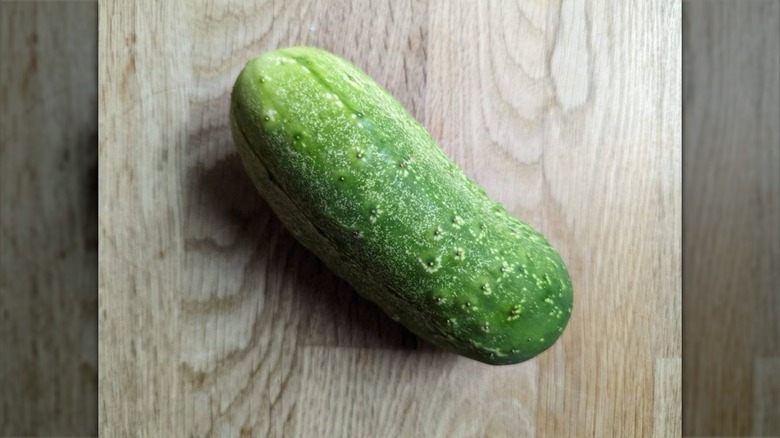
If you don't have a green thumb to start with, plant this cucumber variety, and you'll soon have Green Fingers! Seriously, these baby Persian cukes are ideal for zones up and down the East Coast, as they do a lot of the heavy lifting all by themselves. They're tolerant of powdery mildew, are self-pollinating, and fruit early in the season. Definitely one to chomp on right after harvesting, and one for the salad bowl.
Super Zagross
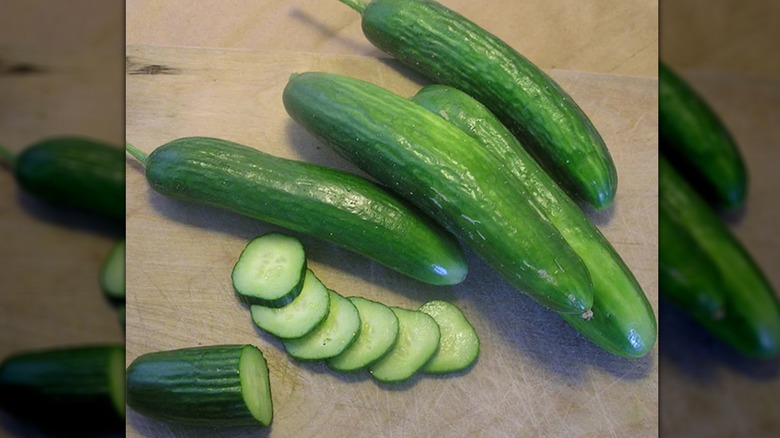
The cukes just keep on comin' with the Super Zagross variety. Ideal for all but the coldest hardiness zones, plant them every couple of weeks for six months, and you'll have a bumper crop for the whole summer. As with many varieties, Super Zagross cucumbers need lots of space, so trellis them if your yard is on the small side. When the fruit reaches between 3 and 5 inches, it's ready to eat. Just make sure to keep any extra cukes in the correct part of your fridge.
Armenian cucumbers
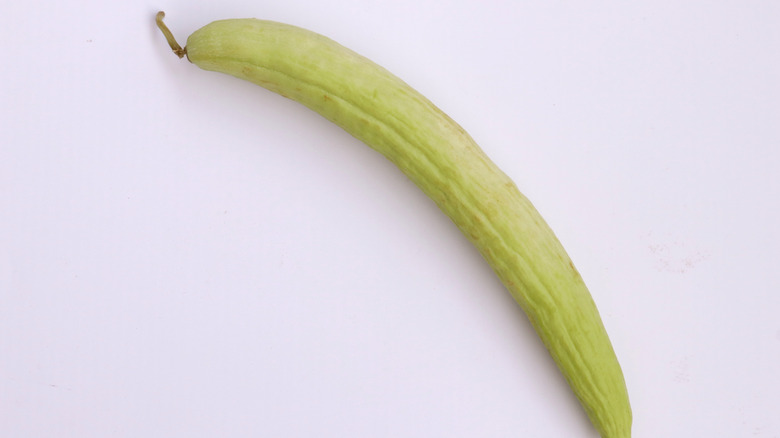
It might surprise you to know these popular cukes (which come in light, dark, and striped varieties) are actually melons, so they're ideal if you're in a warmer East Coast state. They're easy to grow and vigorous once established, while the young fruit are covered in a fuzz that washes off. Light Armenian cucumbers get harder as they mature but are very juicy, while dark cukes have better disease resistance, and the striped ones grow the slowest but will last right up to the first frosts.