

A Bite Of Sunshine: 9 Foods That Started In Florida
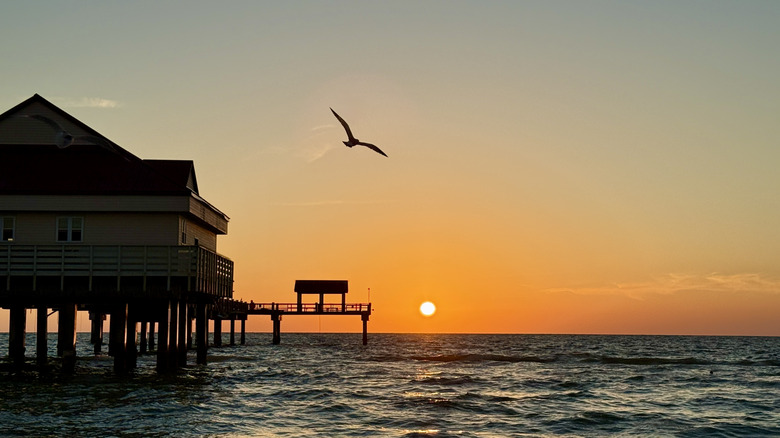
Down at the countless seaside souvenir shops that dot the beaches of Florida's Gulf Coast and serve the endless deluge of tourists, there's a popular t-shirt design that reads, "It's a Florida thing; you wouldn't understand." While the rest of the country shakes their respective heads over the weird habits of the mythical Florida Man — the seemingly endless, ridiculous exploits of which have to do mostly with the state's exceedingly liberal freedom of information laws — they may be prone to overlook the diet of the Florida Man. Let's call it Florida Grub, if you will.
Florida, come to find out, is the motherland of all sorts of delicious cuisine other than ice cream bars shaped like Mickey Mouse or convenience store roller hot dogs collected with sandy flip-flops at high noon. It's home to a restaurant with the world's biggest wine cellar, as well as a fishing village with seafood so fresh and delicious, you'll never want to leave. It birthed at least a couple of legendary sandwiches, a bright green dessert, and more fish and seafood-adjacent delights than we could reasonably list. Maybe you came to the Sunshine State for the weather, the lack of state tax, or the masochistic excitement of the annual hurricane season, but you'll probably stay for the eats. From highbrow delicacies to roadside noshes, Florida has originated some seriously good food.
Cuban sandwiches
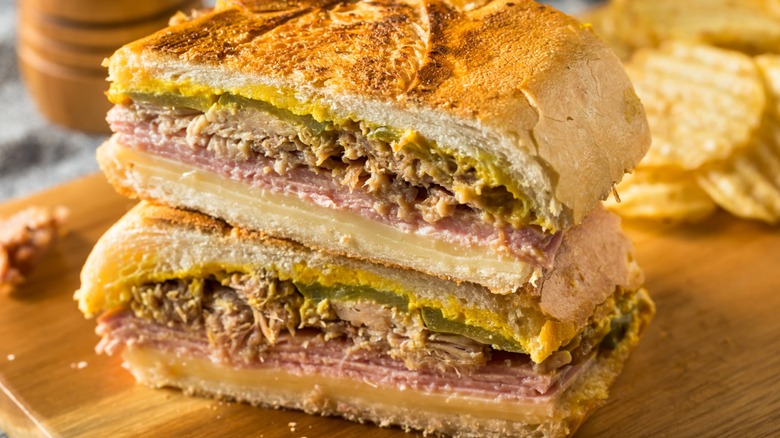
The fact that the Cuban sandwich, or Cubano, has its origins in Florida is not up for discussion, although residents of Tampa and Miami have been known to squabble over which city gets credit for its genesis. Here's what we know for certain: members of the Cuban diaspora made these filling pressed sandwiches as inexpensive lunches around the turn of the 20th century. The result rocked Florida's world. Whether a proper Cuban has salami is another point of hot contention. Don't get us involved; we'll be sitting here with mustard on our chins scarfing a Cubano with some plantain chips.
Gator nuggets
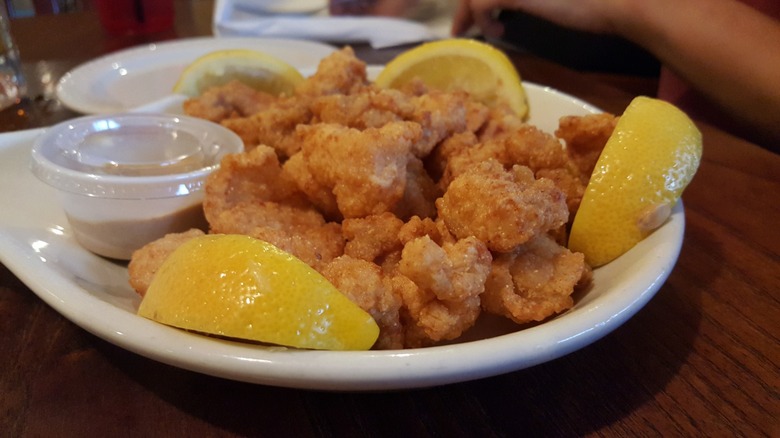
Those in the know understand that Florida's "swamp chicken" meat isn't poultry; it's alligator. There's a gator in virtually any Floridian body of water deeper than a puddle, and this plentiful reptile occasionally shows up on dinner plates. European colonizers learned how to prepare alligator from Native tribes during the Age of Exploration. We doubt they were popping nuggies with a big basket of french fries back then, but we're grateful for the education that led to modern iterations. Gator finds its way into sausage, gumbo, and grilled filets, but the gator nugget is usually the gateway repast for hesitant visitors.
Key lime pie
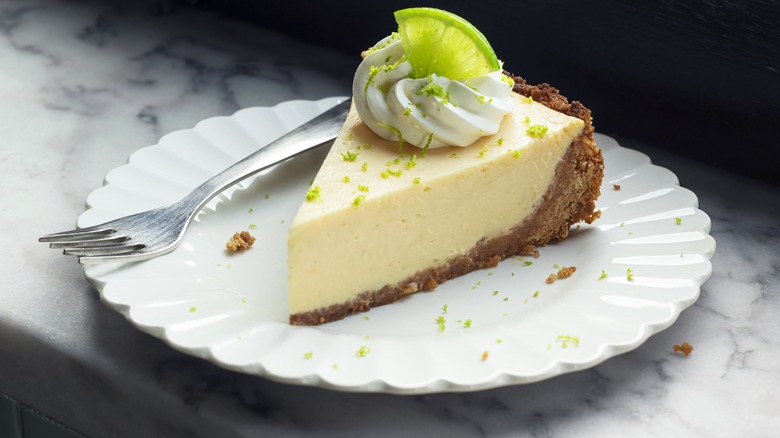
Ernest Hemingway's (classic) last meal was in Idaho, not in his beloved Florida Keys, but we bet Papa could put away some Key lime pie. The small, sour limes used in this pie — which may or may not feature bright green coloring — grew in abundance in the Keys at the end of the 19th century, when the dessert was first created. Today, you might see Persian limes being used in lieu of actual Key limes, but the gently sour pucker of the custard and the crumbly, sweet foundation of the graham cracker crust remain.
Devil(ed) crab
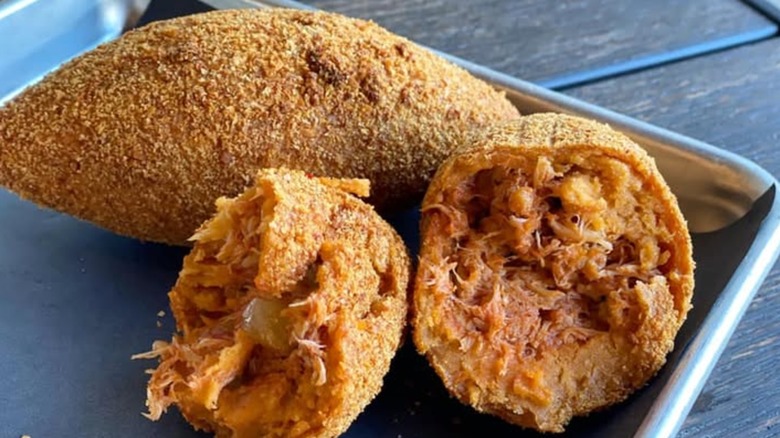
There's a whole list of crab types and how to eat them, but blue crab is the star of the Tampanian devil, or deviled crab. This deviled crab is not to be mixed up with either a Maryland-style crab cake or the type of deviled crab served in the Deep South (which is itself an oceanic take on chicken salad served in a shell). These are croquettes concocted of chunk crab meat and sofrito, rolled in crumbs of stale Cuban bread, then deep-fried. A spicy hot sauce mixed into the filling is usually the "devil" in the equation.
Grouper sandwiches
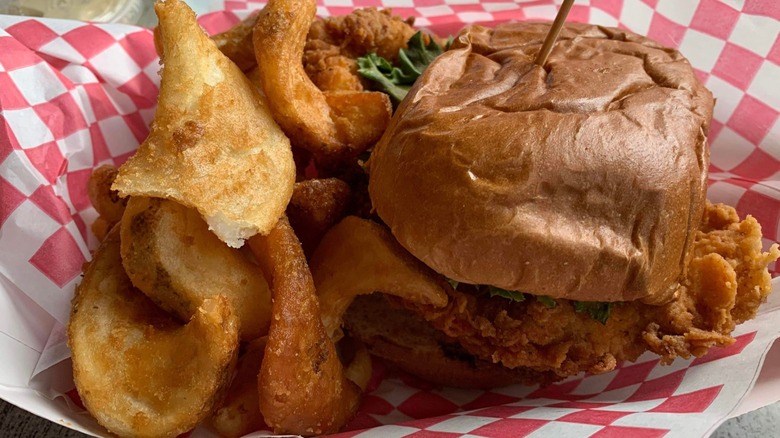
Many fast food restaurants will put out fish sandwiches for Lent, but a grouper sandwich hits right at any time of the year. Grouper is a meaty whitefish that includes multiple species, which can be caught off both Florida's Gulf and Atlantic coasts, as well as throughout the Caribbean. Its thick flesh and neutral taste make it the ideal canvas for a fried fish sandwich, which is ideally scarfed dockside with the brine of the ocean on the breeze. Overfishing into the 21st century has depleted grouper stock to no small extent, so unethical seafood shacks will sometimes sub other fish for actual grouper.
Swamp cabbage
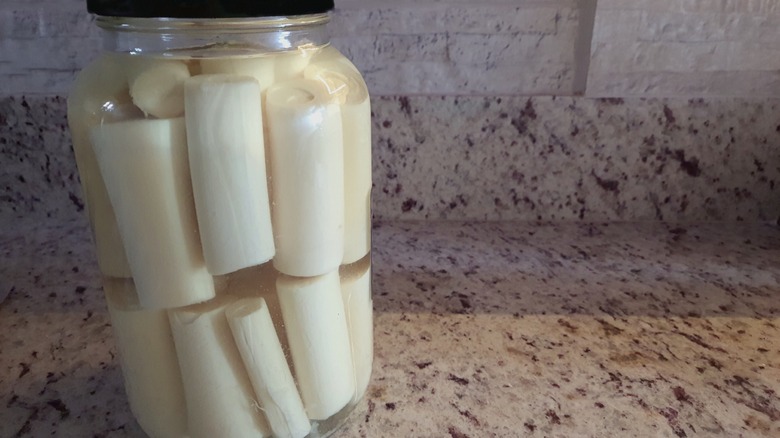
Known around the rest of the country as "hearts of palm," Florida's colorfully named "swamp cabbage" is the heart of the Sabal palm, the state tree. The tender core of the palm can be braised in a stew — like the leafy veggie from which it gets its nickname — or sliced thin over salads. As a nutritional bonus, it could join the list of foods that have more potassium than a banana. Swamp cabbage was first eaten by Florida crackers, the early ranch hands who drove cattle over the hot, scrubby terrain. Today, it has plentiful retro cachet.
Minorcan chowder
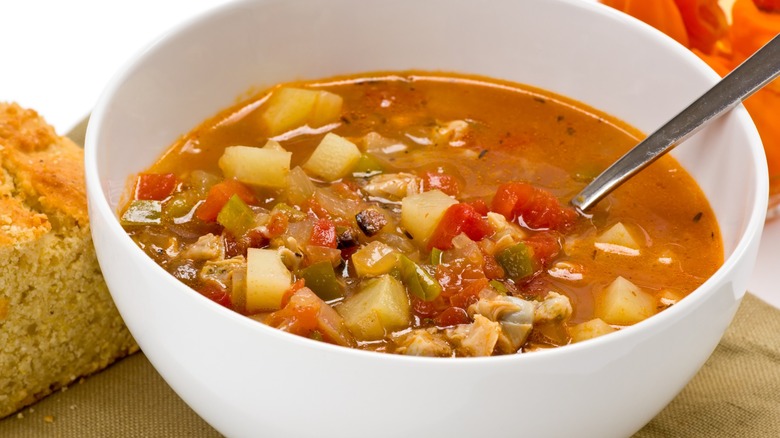
One item that does not land on the list of things to think twice about ordering at seafood restaurants, certainly not in Florida, is a spin on clam chowder called Minorcan chowder. Hailing from St. Augustine, the oldest city in the country, this soup might feature clams — and there's nothing wrong with that — but it might also reach back into Old Florida history and include conch, a native sea snail. Minorcan chowder gets its spice from the datil pepper, which has fruity sweetness in addition to a good level of heat.
Hibiscus tea
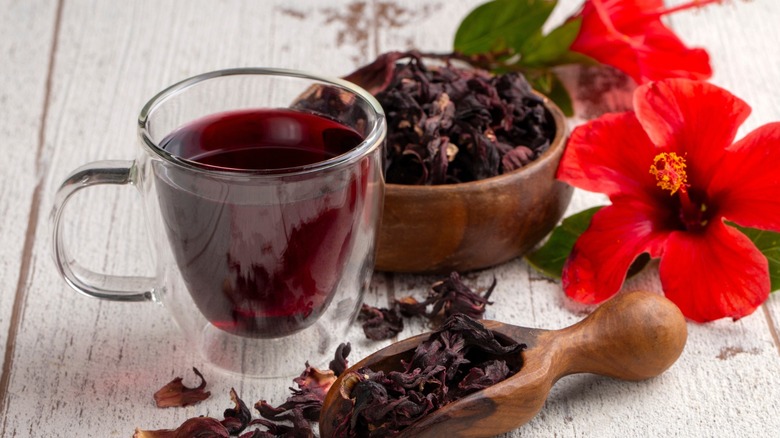
Another favorite of Florida crackers was a tea made of the roselle hibiscus, a brilliant red tropical flower that still blooms in many a Sunshine State backyard. Also called "sorrel," this drink has a tart flavor reminiscent of cranberry and can be served hot and spiced or cold over ice for a more refreshing take. The calyx of the hibiscus flower is the part that's harvested for tea, but the seeds and leaves of the plant are also edible. China may be the country that drinks the most tea, hands down, but lots of Americans enjoy hibiscus tea, too.
Tarpon Springs Greek salad
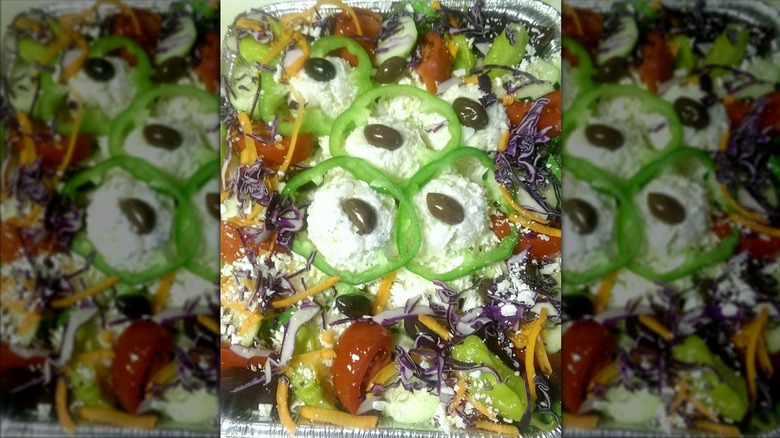
There are many ingredients you should be adding to your potato salad, but how about putting your potato salad atop a Greek salad? In the Greek-American stronghold of Tarpon Springs, Florida, it's more likely than you might think. Legend has it that local restaurateur Louis M. Pappas was the first to scoop potato salad atop a normal Greek salad in the 1920s. Today, good luck finding a Greek salad in Pinellas County that doesn't have this winning addition! The feta cheese and potato salad meld into something magical, an umami delight that's weighty enough for a main dish.