

10 Old-School Fast Food Chain Mascots Most Of Us Have Forgotten
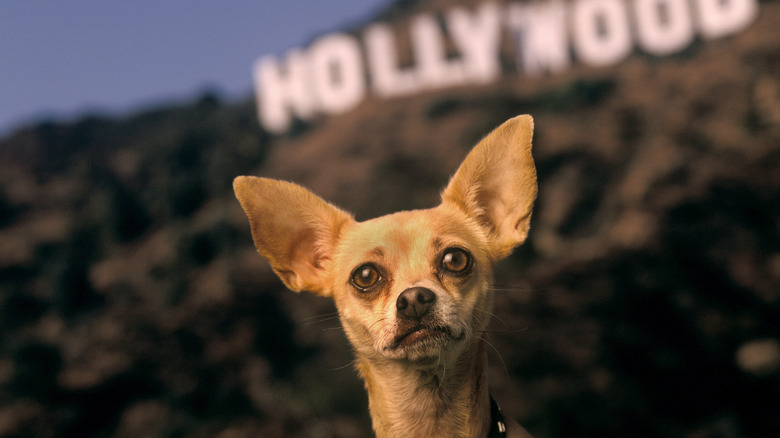
When breaking down the difference in fast food vs. fast casual, there's one criterion that stands out pretty starkly: the mascot. Fast casual generally doesn't have 'em, but fast food mascots litter the annals of food industry history. The undisputed mack daddy of mascots, Ronald McDonald, is said to rank second only to Santa Claus in terms of sight recognition amongst American tykes. Yet, not every mascot — or even most of them — makes a dent in the sphere of public recognition and achieves such memetic visibility. For every King from Burger King or grammatically challenged cow from Chick-fil-A (the name of which has an actual meaning), there's a vaguely creepy, bizarre mascot marketing decision that's perhaps best left in the past.
Look, it makes sense why fast food companies relentlessly pursue the perfect mascot. In an industry absolutely awash in competition, standing out is an achievement that translates to money in the bank. A cute or funny mascot can make your company popular with children, who watch commercials and hound their parents for your kids' meal. A more offbeat choice gets adults talking at the watercooler, generating organic buzz in a way that few other advertising decisions can manage. Unfortunately, many mascots simply flop. From copyright-infringing heavenly bodies to harmful caricatures to creatures with serious "WTF" factor, the fast food mascots on this list all have one thing in common — you probably don't remember them, and with good reason.
Mac Tonight (McDonald's)
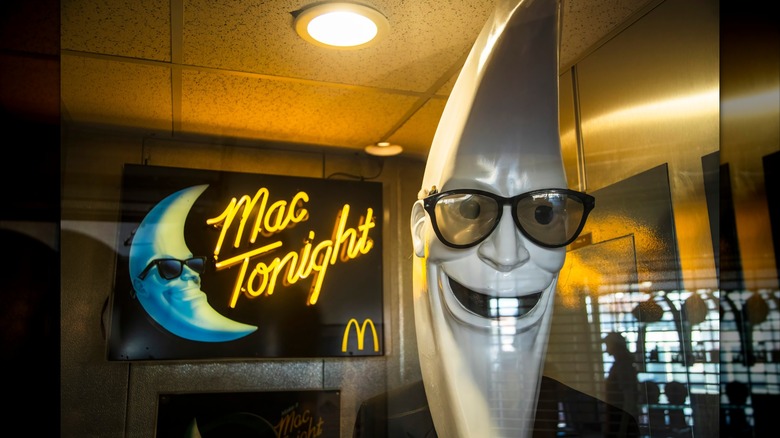
Many celebrities have a favorite McDonald's order, and, if they're elder Millennials or older, they and the rest of us might remember Mac Tonight. Created in 1986, this moon-headed mascot took no small inspo from a Bobby Darin cover of "Mack the Knife." Unfortunately, after three years of appreciable increases in P.M. food sales, Darin's estate decided to sue McDonald's for its rightful share of the pie. McDonald's put the brakes on the Mac Tonight campaign, and he (it?) wasn't seen again until Southeast Asian markets put Mac back in ad spots in the late 2000s.
The Noid (Domino's)
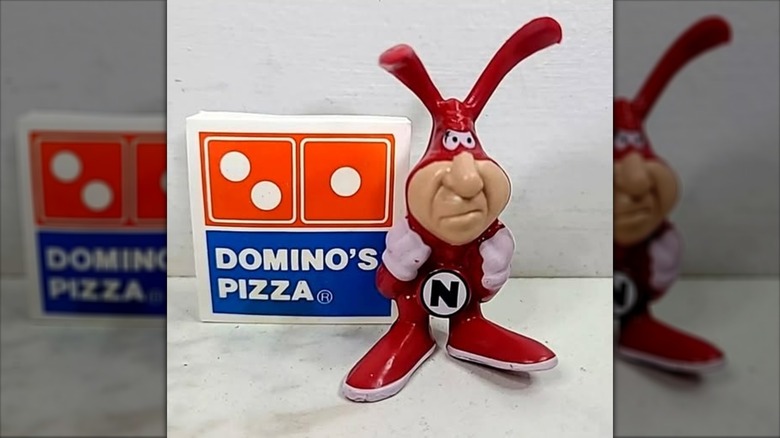
Also in 1986, Domino's Pizza rolled out "The Noid," a masked Claymation pest whose goal in life was to stop delivery drivers from making good on the chain's "30 minutes or less" guarantee. The Noid met an inglorious end when a (real-life) tragedy occurred: Kenneth Noid, a young man suffering from mental illness, entered a Georgia Domino's location and held two employees hostage (who ultimately escaped unharmed). Domino's eventually decided to cut ties with The Noid, even though it officially denies that the crime was the reason. Thinking about The Noid kinda makes us want to stick to one of our favorite frozen pizza brands, anyway.
Gidget the Chihuahua (Taco Bell)
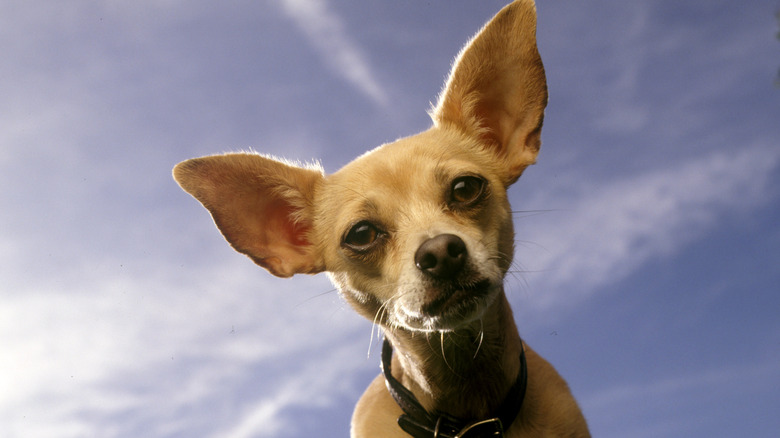
If you were of sentient age in the late '90s, it was impossible to avoid the Taco Bell chihuahua. Associated with the tagline, "Yo quiero Taco Bell!," this diminutive pooch appeared in countless ad spots for the Tex-Mex giant. This was around the approximate same time that Taco Bell "bought" the Liberty Bell in a publicity stunt, so it's clear the marketing department was feeling its goofy oats. Perhaps due to the cultural stereotypes implicit in the campaign, Taco Bell eventually retired Gidget, though the canine actor's son went on to star as Elle Woods's dog, Bruiser, in "Legally Blonde" (Gidget was considered, but her schedule was too packed).
Birdie the Early Bird (McDonald's)
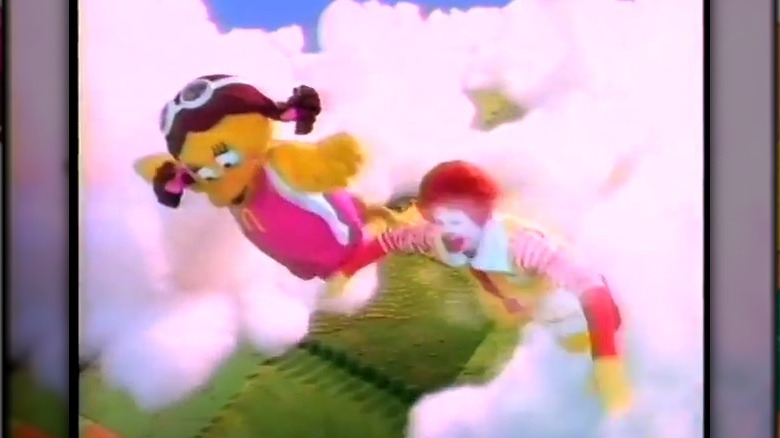
In 1980, Birdie the Early Bird joined the rest of the McDonald's McDonaldLand crew, which included Grimace, the Hamburgler, and, of course, Ronnie Mac himself. Birdie hatched from a giant egg and, appropriately, promoted the McDonald's breakfast menu. When's the last time anyone heard from Birdie, however? While Ronald McDonald is still very much alive and kicking, and Grimace starred in a 2025 Shamrock Shake spot with his green relative, Uncle O'Grimacey, Birdie seems to have been left behind in the 20th century for reasons unknown.
Spongmonkeys (Quiznos)
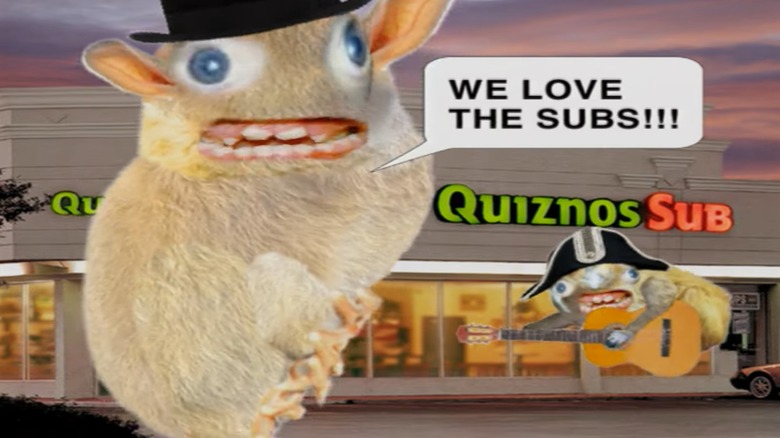
In 2004, a pair of singing rodent-esque creatures broke the internet with an objectively obnoxious song called, "We Like the Moon," and sandwich chain Quiznos adopted the critters as its mascots. The divisive "love it or hate it" nature of the quirky, strange singing commercials generated lots of attention from the public (see a high-def example on YouTube for a taste of the bizarre music), but many Quiznos franchise owners couldn't stand the Spongmonkeys. The mascots didn't last long, unless we're counting the way they haunt many Millennials' memories.
Pizza Head (Pizza Hut)
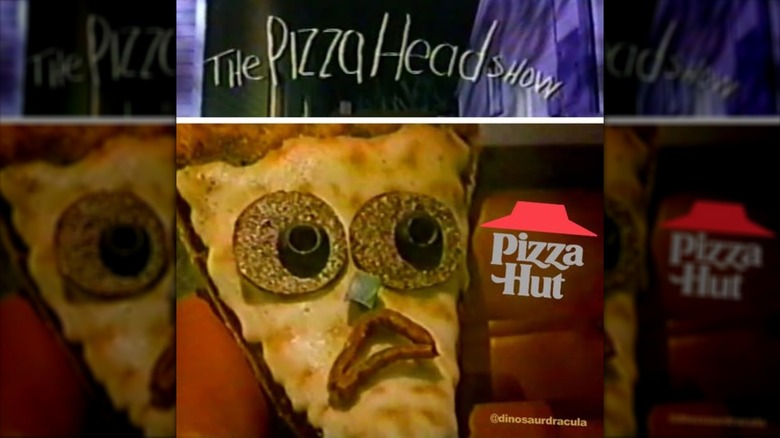
At the start of the 1990s, Pizza Hut unveiled a talking pizza slice called ... wait for it ... Pizza Head. It had anxious pepperoni-and-olive eyes, a chunk of onion for a nose, and an exaggerated bell pepper moue from which a squeaky voice cooed its way through advertisements called "The Pizza Head Show." Just like there are simple (but effective) ways to upgrade frozen pizza, so did Pizza Hut upgrade its endorsement strategy, ditching Pizza Head for slicker commercials starring celebrities.
The Burger King Kids Club (Burger King)
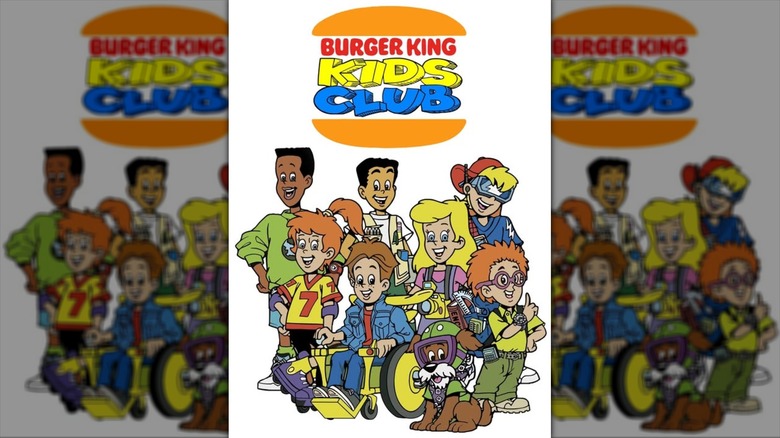
The '90s was arguably the tail end of the weekend cartoons' golden age, and Burger King had a whole ragtag team of juvenile animated mascots who chaired the chain's Kids Club. It's clear that a very politically correct marketing team was behind the Club's overt inclusiveness, in which differences were celebrated. Yet, as much as the Kids Club was a win for representation, it couldn't stand up to the dawn of the 21st century and an industrywide shift towards more trendy, grown-up marketing materials.
Fred the Baker (Dunkin' Donuts)
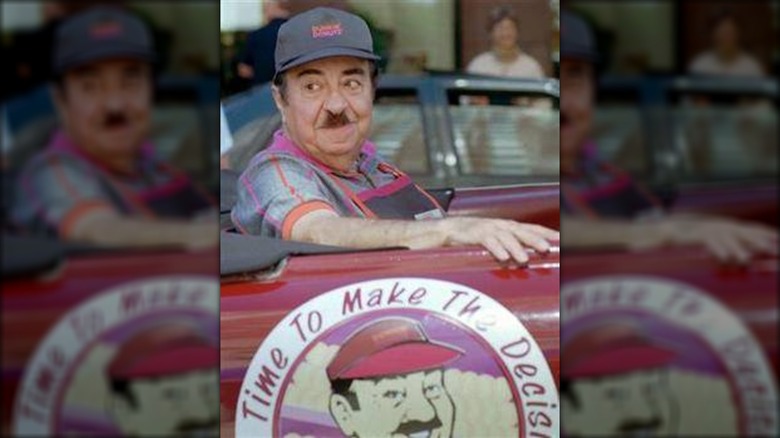
Most entrants on this list are animated or non-human, but not every bygone mascot fit that bill. Fred the Baker, a character brought to life by actor Michael Vale, hailed from a time when Dunkin' Donuts used to bake its own wares in-house. With the slogan, "time to make the donuts!," Fred charmed America from 1981 all the way until 1997. He even starred in commercials when fast food chain Dunkin' tried to parlay its success into breakfast cereal. So profound was Fred's reach that the city of Boston, long considered the stronghold of Dunkies dominance, even held a retirement parade for the character.
Jack (Jack in the Box)
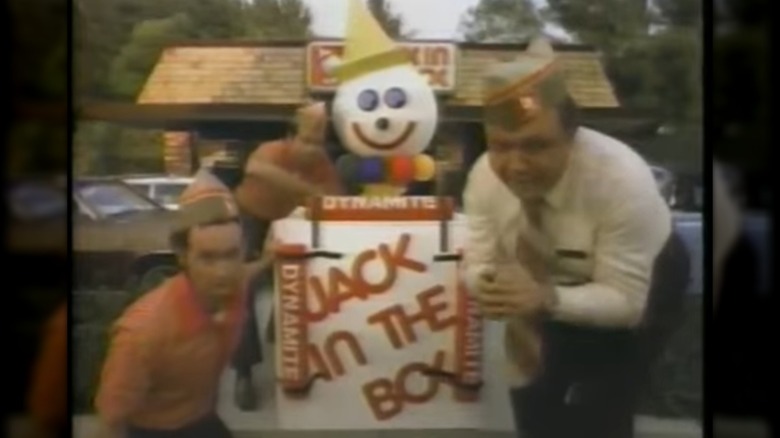
When regional fast food chain Jack in the Box decided to go in a new direction with its mascot, it took sadistic pleasure in killing off the old, childish character of "Jack," the literal clown-headed jack in the box. By which we mean that Jack in the Box blew Jack up. No cap. In 1978, Jack in the Box was struggling with its brand identity and looking for a cooler mascot. Not content to simply rebrand, it was decided that poor Jack would explode on TV. Still, he wasn't totally gone — just dramatically changed. Today, a less-clownish Jack wears a business suit and isn't limited to the box in which he came up.
Popeye the Sailor (Popeyes)
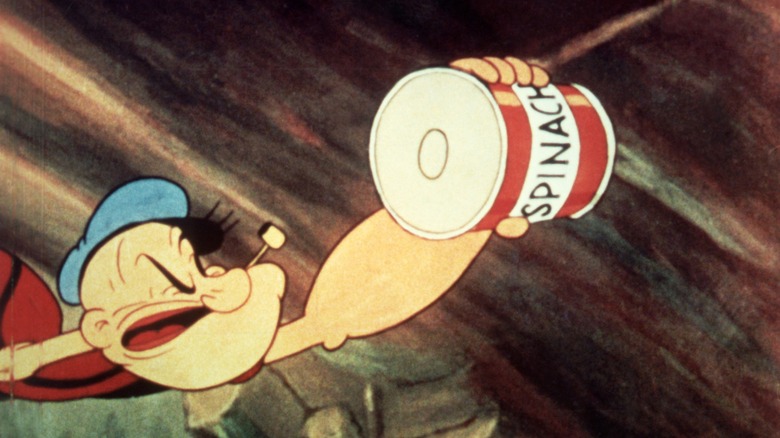
Popeyes, Anthony Bourdain's favorite fast food fried chicken chain, wasn't actually named for Popeye the Sailor — as per the company's website, the moniker was inspired by Gene Hackman's character in "The French Connection." That didn't stop Popeyes (the chicken joint) from paying as much as $1.1 million per year to license the rights to use Popeye (the sailor) in its advertising materials for 36 years. It wasn't until 2008 that the company decided to rebrand and steer away from the spendy cost of licensing spinach-lovin' Popeye in lieu of its current "love that chicken" jingle.