

10 Retro Bakery Flavors That Defined An Era (And Were Kind Of Iconic)
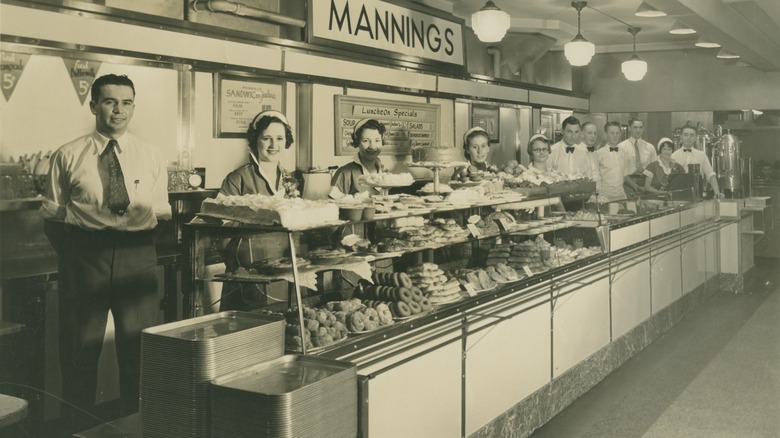
Nothing epitomizes the shift between generations quite like food. Baked goods, in particular, have evolved markedly over the 20th and 21st centuries as the tastes of the Silent Generation and Baby Boomers segued to the flavors enjoyed by Gen X, Millennials, and Gen Z. Your Boomer relatives didn't just snack on sardines on toast; they also enjoyed cakes, pies, muffins, and cookies in flavors that haven't passed the test of time. Take, for example, crème de menthe cheesecake, pie, or parfaits — all classic desserts that you are unlikely to see at a local bakery in 2026.
Before you turn up your nose at humble rum raisin or butterscotch bakery goodies, remember that time (usually) makes fools of us all, and today's "hot" flavors may just be a punchline by the time Gens Alpha and Beta have kids of their own. We say it's high time that some of these (currently under-appreciated) past iconic flavors get their time to shine once more. Here's a vote for ignoring trends and appreciating the baked goods our grandparents and great-grandparents once loved.
Rum raisin
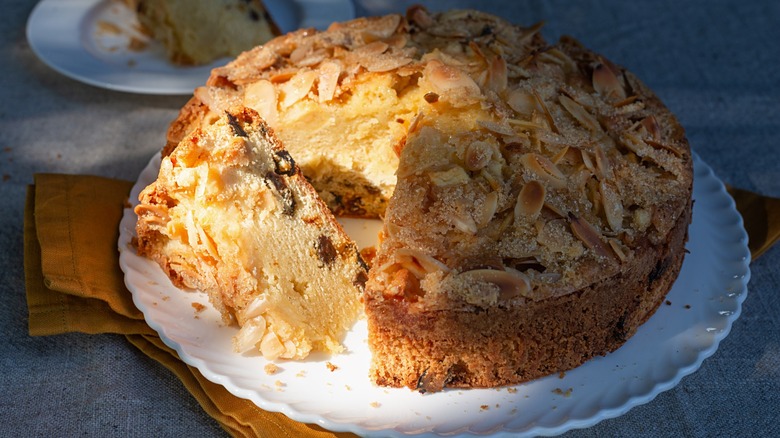
Just like it's lost popularity as an ice cream flavor, so has rum raisin fallen off in the bakery. A writer for Vassar College's student newspaper drubbed rum raisin as "[sounding] like something a hilariously old person would be eating [...] at a terribly understaffed and underfunded retirement center." That's an injustice to rum raisin as a flavor, honestly. Rehydrating raisins — which, admittedly, have a bit of an image problem – in rum and baking them in sweets is an oft-ignored trick to make cakes, loaves, and muffins not just tasty, but heartier as well. The cinammon, cloves, and nutmeg that normally accompany these desserts are appealing to today's palates as well.
Orange chiffon
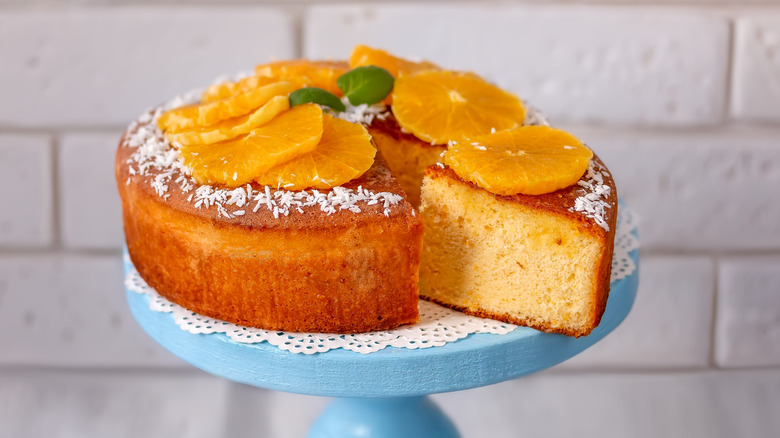
Orange isn't completely absent from today's desserts, but orange chiffon seems to have lost major footing over the years to cakes made with lemon. Chiffon cakes are a classification of cakes, muffins, and cupcakes that are made by whipping egg whites for fluffiness, and orange chiffon was once a belle of the ball. Chiffon cakes are starting to regain popularity after decades of dormancy ... could this be the time for orange chiffon to make its zesty, brightly-colored return?
Butterscotch
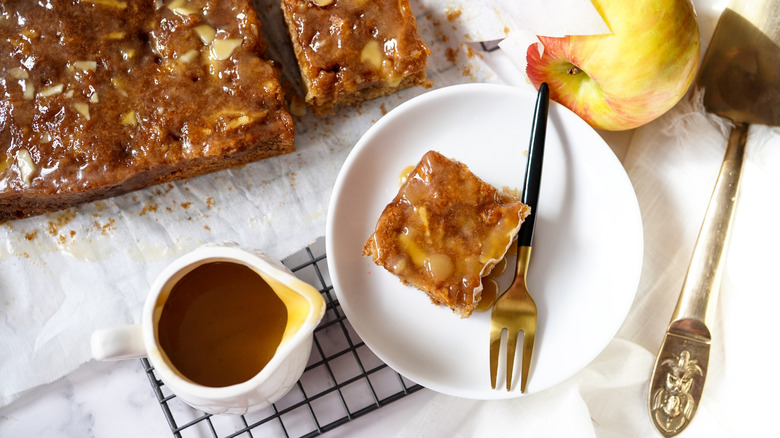
There's only a small, sugary difference between caramel and butterscotch, but the former lives on as a wildly-popular flavor, and the latter seems to have taken a tumble in the last 50 years. The fact that butterscotch is so deeply uncool right now is a mystery. Is it just too sweet for even those with a sweet tooth? One of the best things about butterscotch is how versatile it's always been: our predecessors loved butterscotch pudding, pies, cookies, and cakes. If there's one flavor that seems absolutely ripe for a revival, it might be this one.
Cherry chip
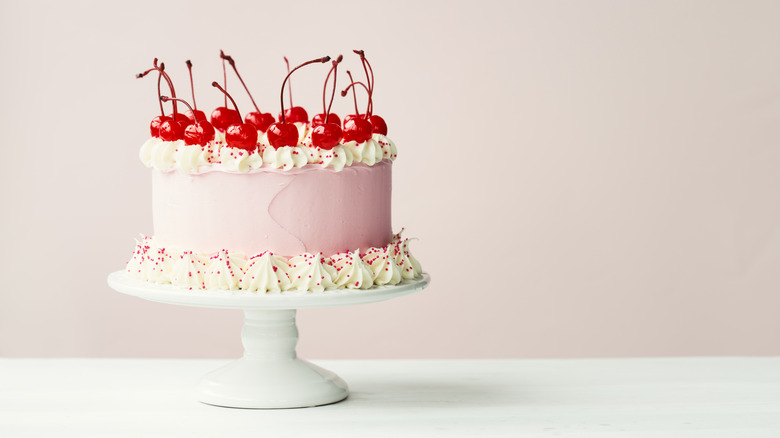
Depending on what source you check out, "cherry chip" can mean a few different things. Sometimes, it's a pink cake with tiny bits of dried cherry in the batter – this is the version that starred in a retro boxed cake mix. We've also seen a version with chocolate chips and cherry pieces, a naturally alluring pairing. Today, we happily eat cherry pie or easy cherry delight, but cherry chip seems to have fallen by the wayside. Cherry chip desserts seem not at all outré to modern audiences, which is why they're well due for a comeback.
Black walnut
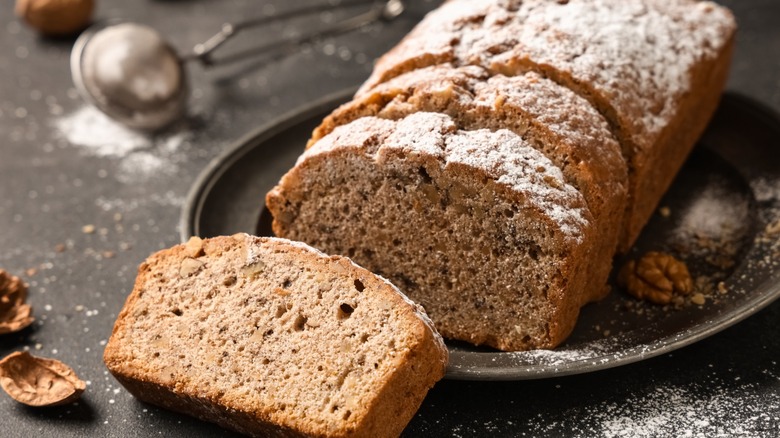
It's not surprising that black walnut was once beloved, as black walnut trees are some of the most abundant in North America. What's kind of nutty (pun fully intended) is that the flavor all but disappeared without a trace until social media started digging up Grandma's old recipes and sharing them. Sour milk used to be an old-school baking secret, and so were black walnuts — they appeared in drop cookies and pies, but especially cakes of all sorts. Some incorporated fruit or chocolate, while others let the nuts shine front and center.
Pineapple upside-down
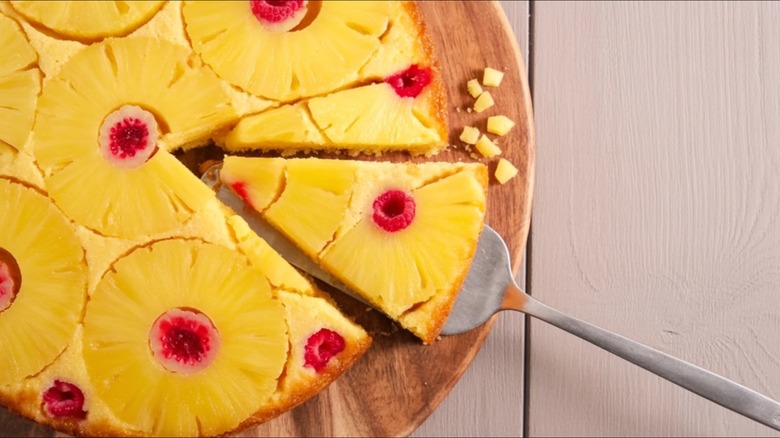
You could be forgiven for thinking that pineapple upside-down desserts were a midcentury creation, because they were so popular in the '50, '60s, and '70s. In actuality, pineapple upside-down cake and its sucessors, pineapple upside-down cupcakes, bars, et cetera, were products of the 1920s. The conceit behind the flavor was fun, as pineapple rings and maraschino cherries were baked upside down and then flipped to expose the colorful, sweet, caramelized surface. This one isn't extinct, per se, but it's not nearly as trendy as before.
German chocolate
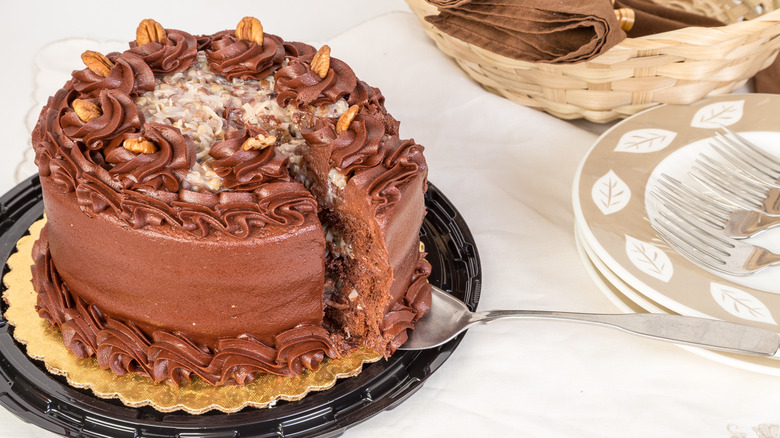
Where did you go, German chocolate? Today, we might discuss what liqueur to use in a German chocolate cake shot, but the actual cake – chocolate, and gooey with coconut-pecan frosting – is definitely considered a throwback, and much more likely to survive as a family recipe than a bakery offering. Interestingly, "German" chocolate is an American invention that got its name from German's Sweet Chocolate, named after confectionary Samuel German. We've seen German chocolate fudge, poke cake, pie, and, of course, the classic cake. Today, it's a bit of a cult classic, with some other social media users passionately hating the divisive coconut flakes in the frosting.
Coconut cream
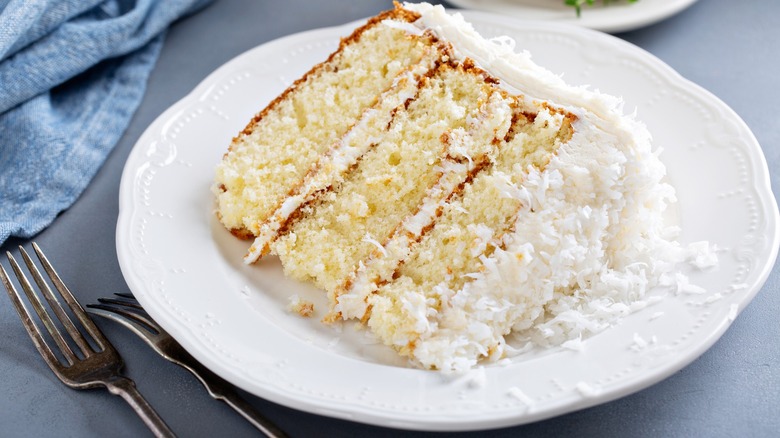
Once again, coconut used to be a rare and pricey treat. Today, haters are just as likely to complain about the unique texture of this controversial ingredient than to treasure it the way our grandmas and great-grandmas did. This is another vintage wonder that's more likely to be seen in church bake sales or home kitchens than commercial outlets, simply because coconut is so "love it or hate it."
Prune
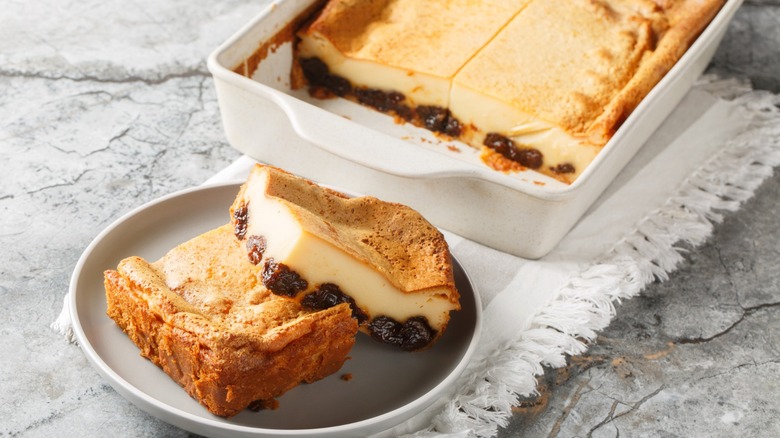
You'd be hard-pressed to find prunes anywhere on a bakery shelf. Prunes generally have a terrible reputation with today's youth, who tend to associate them with the bowels of geriatric folk. The sad fact is that prunes are an awesome ingredient for baking, adding natural sweetness and moisture to your desserts ... and, yes, plenty of fiber and sorbitol, which can aid digestive motility. Prune muffins, cupcakes, bars, cakes, and cookies all slap. Just use prunes' updated name, "dried plums," which is considered more palatable.
Maple
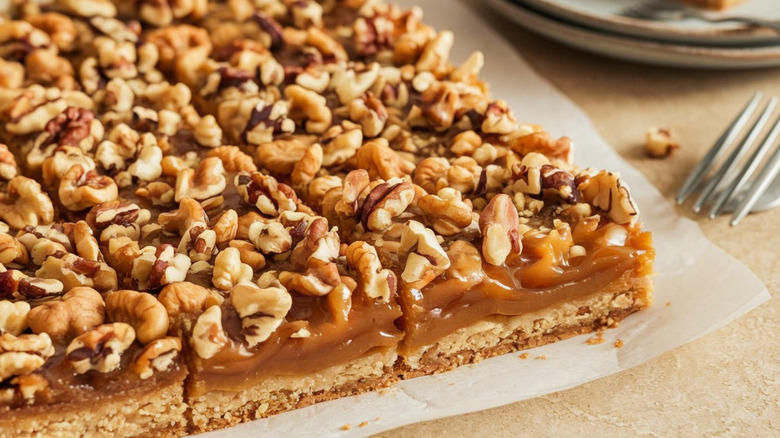
Over the 21st century, demand for maple syrup — a key component of maple flavoring – was in free-fall. Maple as a flavor for donuts and cake was consigned to more of a regional favorite. What will it take to bring maple back to the big North American stage? Perhaps its growing popularity as a fall flavor will bring it back to cakes, squares, puddings, and cookies, the way it used to be enjoyed.