

Plant These Herbs Once And Enjoy A Lifetime Of Flavor
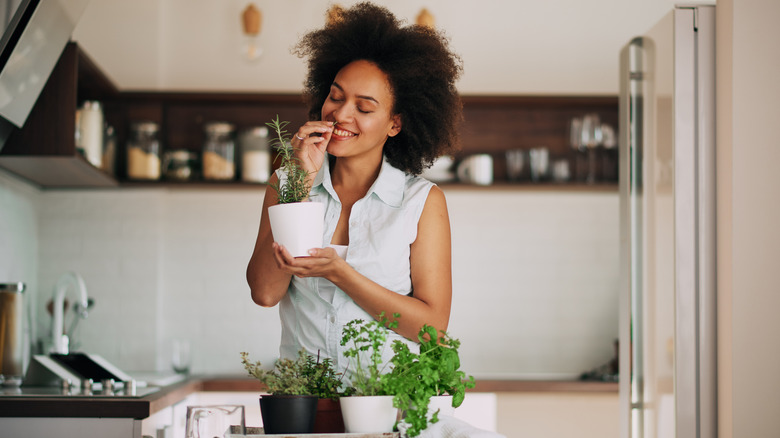
Millions of home cooks have a carousel of dried herbs they use alongside fresh ones to enhance their recipes. Our paper towel trick will help those fresh herbs last longer, but nothing beats growing your own to have a supply of flavor at your fingertips. Herbs are versatile plants too, filling out gaps in your garden, repelling pests, and — especially if they're in pots — bringing a dash of color to a patio or windowsill. While annual varieties only last a single season before they're done, perennial plants have more staying power. They will stick around for a couple of years at minimum, depending on the plant, where you live, and how you look after them.
There are plenty of perennial herbs to choose from that offer a wide range of flavors, too, from fruity and aromatic to earthy and vibrant. Some need a little more TLC during the colder months than hardier varieties, while others could be considered a planting mistake by your neighbors if allowed to run wild (ahem, mint). Get them right, however, and you'll have delicious herbs for years to come.
The mint family
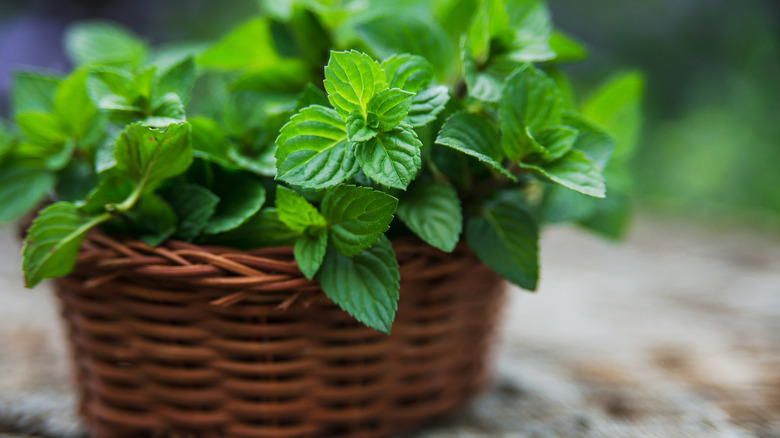
We're kicking off with not a single species but the motherlode of herbs. It includes mint but also covers woody varieties like sage, marjoram, oregano, anise hyssop, and thyme, as well as rosemary, and leafy lemon and lime balm. The mint family of perennials will bring a feast of flavor to your kitchen, pollinators to your garden, and — aside from keeping some greedy growers in check (hello oregano) — minimum work on your part.
Salad burnet
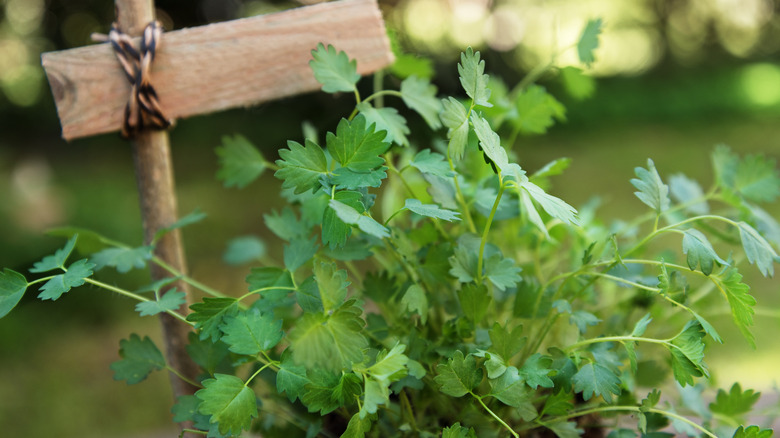
Related to the rose with cucumber-flavored leaves and gorgeous, edible flowers, salad burnet is having a moment in 21st-century cooking. European settlers brought it to American shores over 300 years ago, where it's adapted beautifully, tolerating everything from full sun to poor soil. It's definitely a gift that keeps on giving, as well-tended plants can survive for 20 years.
African blue basil
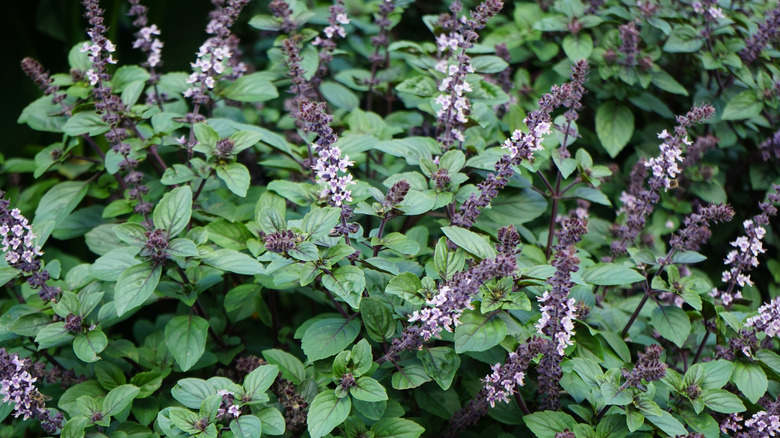
If you live in the warmer USDA hardiness zones 9, 10 or 11 and want a powerful-tasting basil variety that's ideal for smaller spaces, African blue basil will do the job. Home cooks and gardeners outside those regions can still grow it, but you'll need to bring it indoors to avoid colder weather. Many say it's more than worth it. Pollinators love African blue basil, and a few leaves sprinkled on a pizza are chef's kiss delish.
Sweet cicely
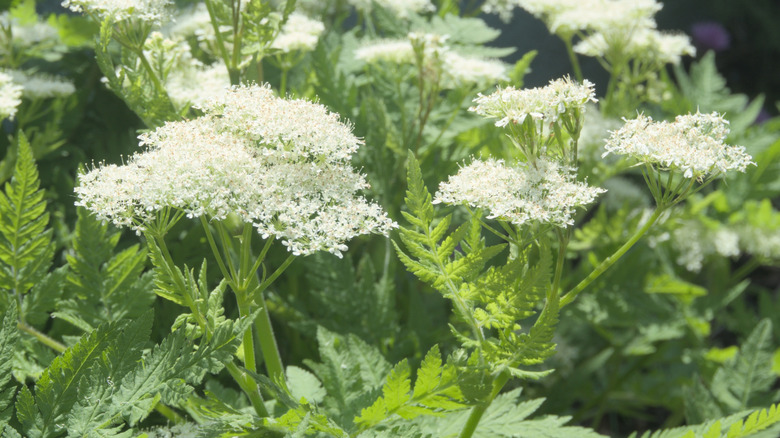
There aren't just vegetables and fruit you can eat every part of; herbs get in on the zero-waste action too, including perennial sweet cicely. Also known as sweet chervil or anise root, it's related to the carrot family and is great for planting in zones 3 to 7. The gentle aniseed flavor it imparts is traditionally paired with rhubarb, but it's also delicious served up with brassicas like cabbage. Make sure to harvest its seeds to keep the plant from growing out of control.
Lavender
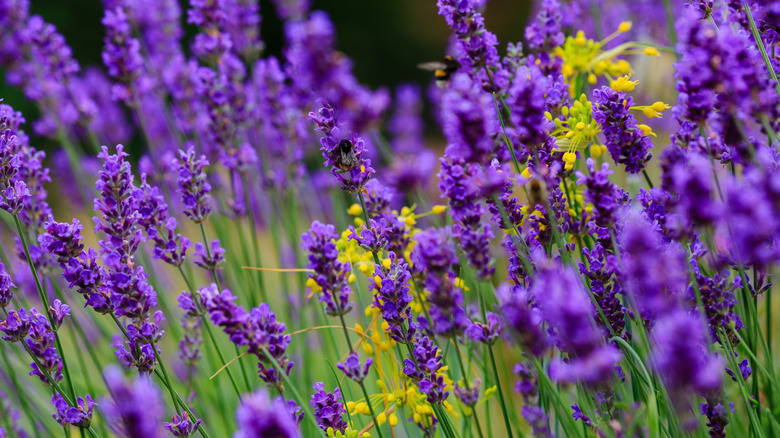
This perennial herb might look delicate and pretty, but it's actually as tough as old boots, with a lifespan of around a decade. Depending on whether you plant English, French, or an ultra-hardy variety of lavender, it will cope with temperatures and conditions in zones 5 to 10. As well as that magnificent odor and the fact that it's a draw for pollinators, lavender also gives a floral zing to this peach galette dish and many other desserts.
Tarragon
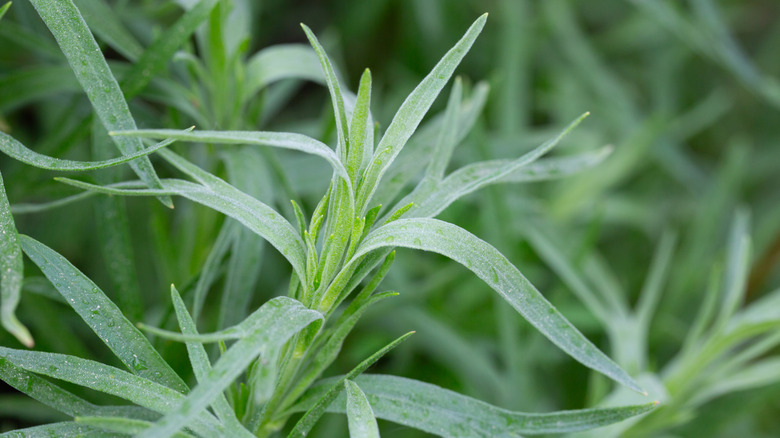
If you don't live in a state where tarragon grows wild, you can still plant your own and enjoy this earthy, tasty herb season after season. Many gardeners prefer French tarragon, claiming it has more flavor than its Mexican counterpart, but why not try both and decide for yourself? Do grow French tarragon in a pot to keep it under control, and know that bunches of both will bring a rustic touch to your kitchen.
Winter savory
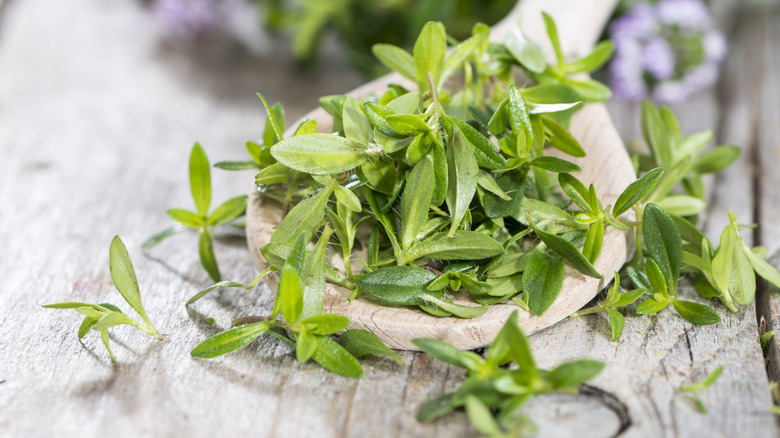
Its summer twin is an annual, but pungent, peppery winter savory is a hardy perennial that can easily tolerate colder climes outside with an insulating covering of hay or snow. If you're watching your salt intake, this herb is also great for adding flavor to stews and soups, while the leaves make a delicious tea. Winter savory needs regular watering in drier conditions, and a relatively aggressive prune will keep it in check.
Lovage
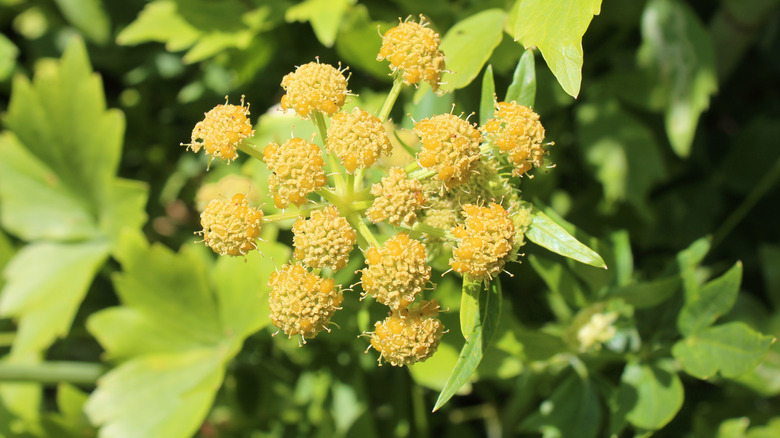
If you're looking for value for money from perennial herbs, lovage, with its celery, aniseed-like flavor, hits the bullseye. You can eat it from root to tip, its vivacious yellow flowers are a magnet for pollinators (especially bees), and it grows well whether it's put straight in the ground or in containers like this best-selling planter from Walmart. Lovage dies back in the winter, but don't panic; come springtime, it makes a welcome return.
Chives
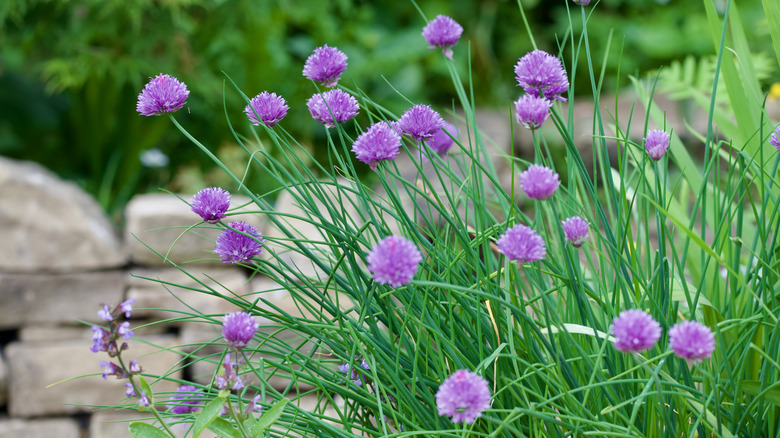
My dream lawn would be made up of chives, but until that happens, I'll have to content myself with clumps of it dotted around the garden. These plants love full sun and nutrient-packed soil, and can cope with warmer winters but should be moved indoors in the coldest regions. Cut a few of the leaves at a time to ensure a continuous supply of tangy, oniony herbs for your kitchen.
Bay leaves
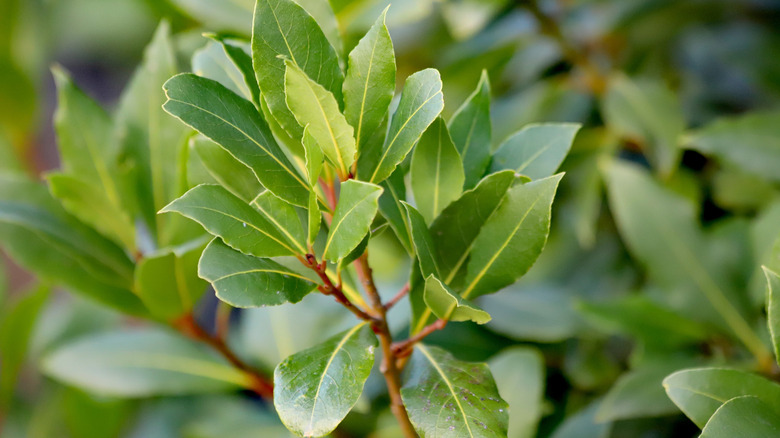
Bay leaves have been flavoring foods for centuries, so it's nice to think indigenous Americans and ancient Romans also fished around in cooking pots to remove them just like many of us do today. These magnificent plants are evergreens and need very little maintenance apart from the occasional prune (which is necessary if you want to prevent them from growing too tall — they can reach up to 60 feet!), along with rich soil and a steady trickle of water.
Sweet fennel
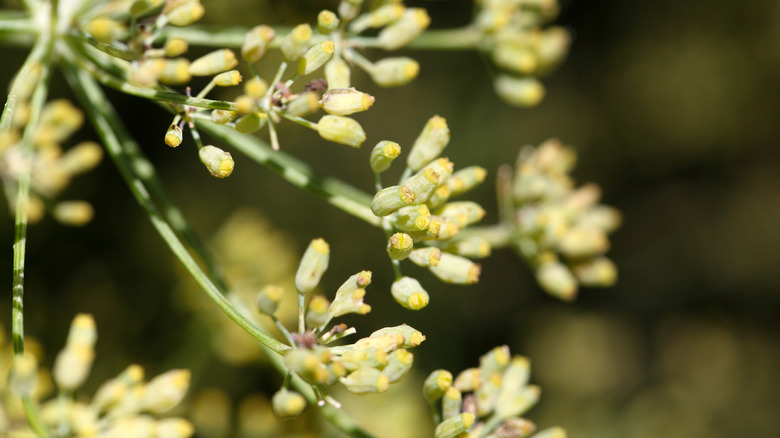
Not to be confused with Florence fennel, which gives us those beautiful, aniseed-flavored bulbs, sweet fennel (Foeniculum vulgare) is a perennial herb whose seeds give dishes a distinct, anise-forward taste. This plant is beloved by pollinators, especially bees and butterflies, but it comes with a serious caveat: sweet fennel can be horribly invasive. Don't be tempted to grow some from wild plant seeds. Instead, buy one of the less prolific garden forms that won't overtake your plot.
Mitsuba
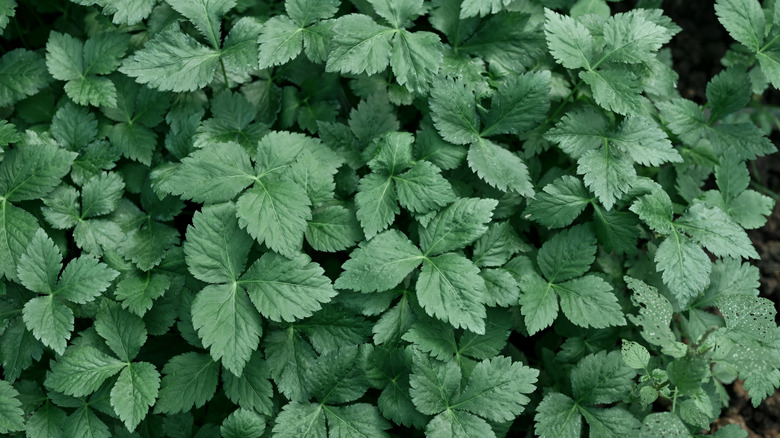
A hardy, self-seeding herb whose component parts are all edible, which can also be eaten as a veggie and looks lovely to boot? Count us in! Known as Japanese chervil or parsley, mitsuba is becoming the BFF of American home cooks in zones 5 to 9, and it's easy to see why. Alongside all the benefits just listed, it's also largely fuss-free to grow.
Lemon verbena
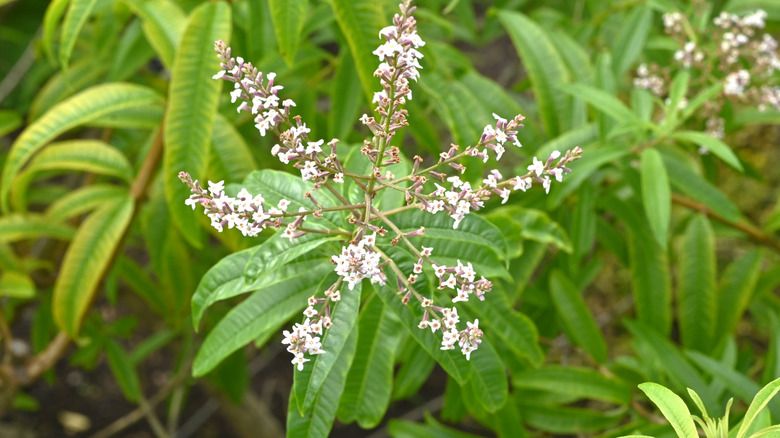
This South African shrub has found its feet in the United States, and while its lemony aroma has serious wow factor, the citrus flavor it carries is more subtle than other lemon-adjacent herbs. Lemon verbena can be planted throughout the year, depending on where you live, but needs protection from frosts and winter cold. If it's a newcomer to your herb garden, it's delicious in sweet and savory dishes, from soups and salads to jams and ice cream.
Sorrel
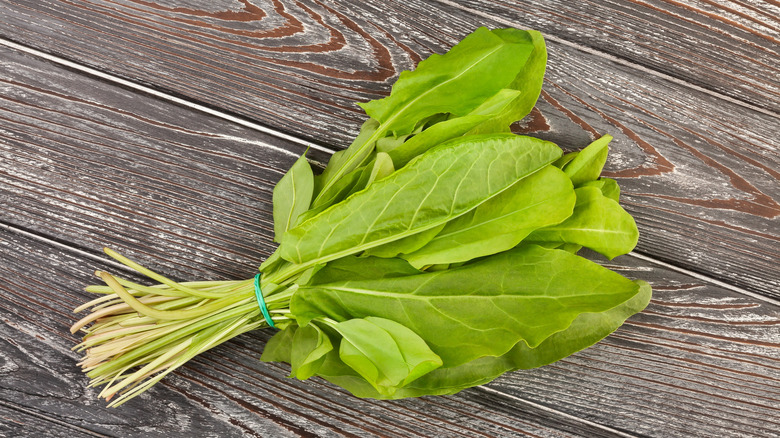
Many home cooks looking to start a herb garden start with sorrel because it's so user-friendly. There are several varieties to choose from, including English, French, and red-veined sorrel, and although many are suitable for the cooler zones 3 to 8, it pays to read the plant label to get the best out of this citrusy, tangy perennial.