

Deter Garden Pests The Natural Way By Planting These 8 Herbs
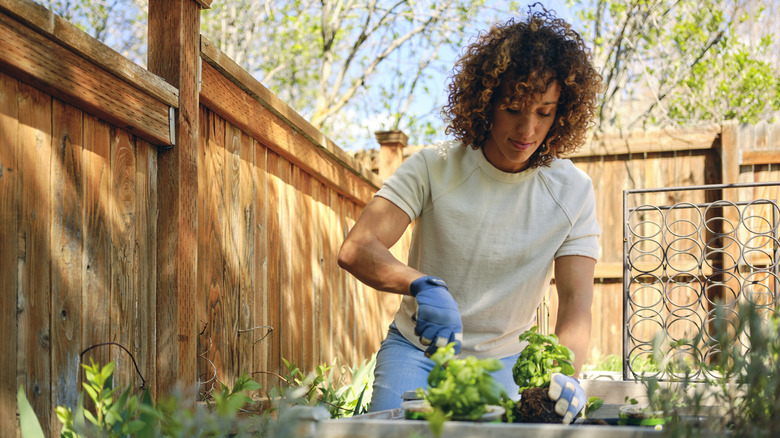
Gardeners looking to reap a bumper harvest have a lot of tools at their fingertips — and we're not just talking about deploying the best fertilizer for peppers or weather-resistant trellises for cucumbers. There's lots of other, more subtle knowledge, often passed from generation to generation that's founded on lived experience and real results. Among the most precious pearls of wisdom relates to herbs, including how this tasty range of plants can prevent your crops being devoured or destroyed by garden pests.
We already know oregano can help to keep bugs away from your grill, but it's not alone in possessing bug-deterring powers. If you're plagued by spider mites, aphids, ants, or the dreaded mosquito, there's an herb that may work to combat it. You can either plant them directly in the ground in the same beds as your prized veggies and fruits, or keep them in containers close by. Best of all, when the growing season is done, you can take steps to overwinter your herbs so they stay fighting fit, ready to protect your plants from pests all over again next year.
Nasturtiums
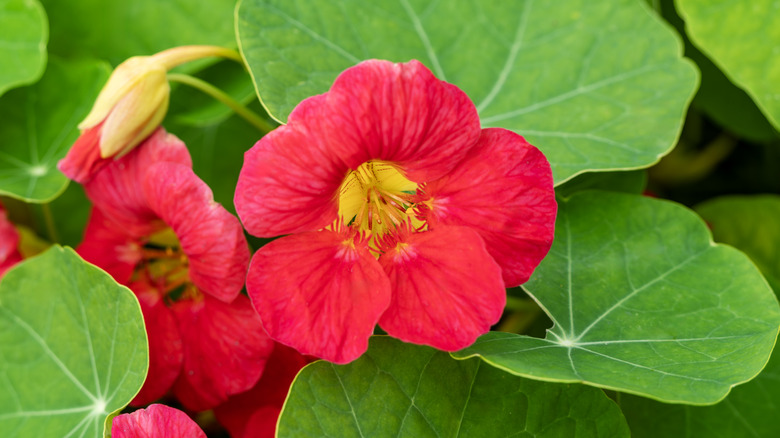
This peppery-tasting culinary herb brings a splash of vibrant color wherever it goes, is delicious in a salad, and is brilliant for deterring a lot of garden pests. Growers of kale, broccoli, and cabbages use it to attract cabbage moths away from their crops. If your tomatoes, cukes or squashes are at the mercy of aphids, squash bugs, white flies, or cucumber beetles, nasturtium plants will see them off.
Thyme
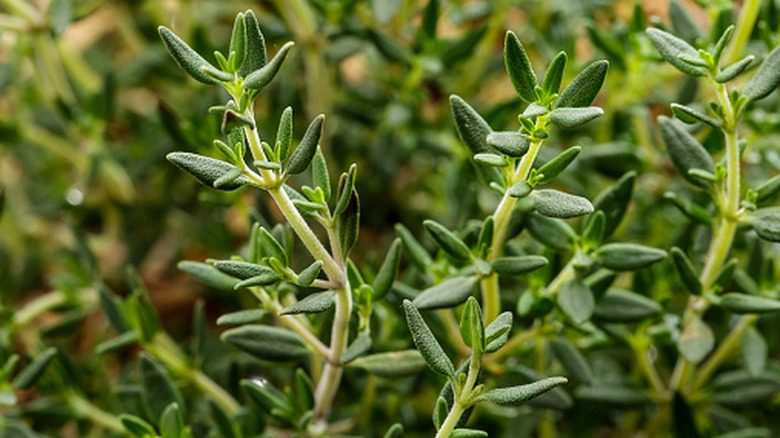
Many home cooks plant thyme because it's a tasty addition to myriad meals (and they get to use this nifty leaf-removing trick), but there's also a laundry list of veggies it can help protect from pests. Peppers, beets, brassicas, tomatoes, and potatoes are just a few that benefit from having Common thyme as a companion plant, as it repels aphids, spider mites, cabbageworms, and Colorado beetles.
Bush basil
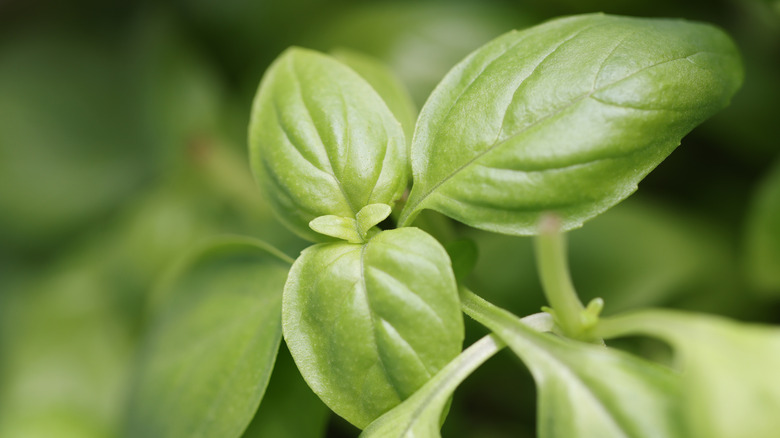
Who doesn't love sprinkling a home-made pizza with home-grown basil leaves, but growing one particular kind of this flavorful herb will do more than most to combat spider mites. In a 2025 study in the Journal of Agricultural and Food Chemistry focusing on beans, researchers found that bush basil not only attracted insects that fed on pests, it was especially good at deterring the critters because it activated the beans' own defense mechanisms. All that and it tastes great too!
Mint
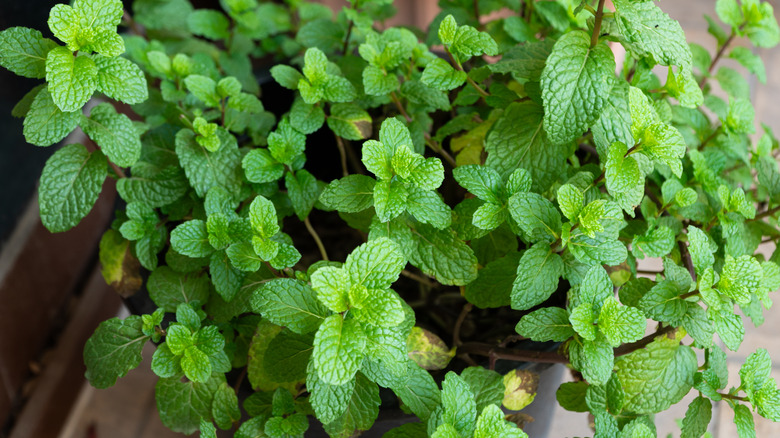
Flea beetle, aphids, white cabbage moths, and ants are just a handful of the garden pests that loathe this aromatic herb, adored by green-fingered enthusiasts looking for natural ways to keep bugs at bay. At the same time, mint plants will attract important pollinators like butterflies and bees, plus it will draw caterpillars away from other veggies, so all your plants benefit. Just make sure to contain it, or risk the wrath of your neighbors.
Bay leaves
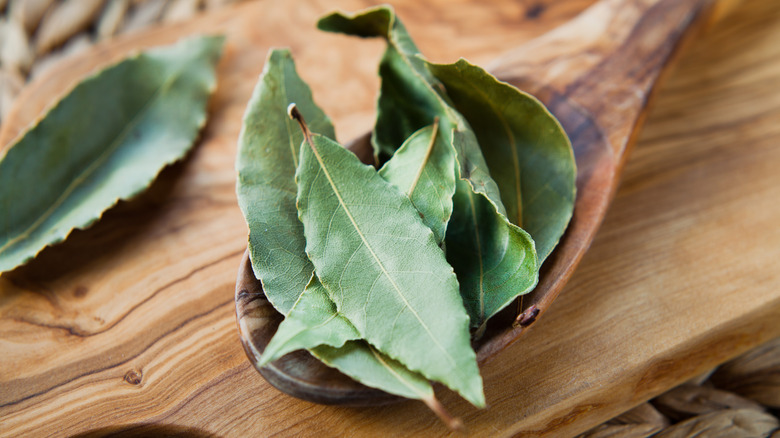
Dropping two or three of these large, flat leaves will bring depth of flavor to a soup or stew. But the flavor and aroma home cooks love is thanks to chemical compounds. Research published in PMC showed that essential oils from bay leaves can protect against agricultural pests. To get maximum results, dry the bay leaves and sprinkle them at the base of plants. As well as deterring pests, they'll also enrich the soil.
Chervil
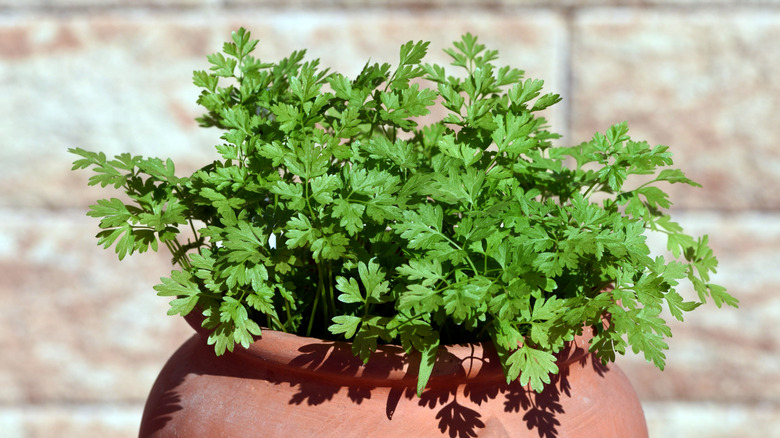
With its delicate taste and vivid green leaves, there's a lot to like about chervil, but it really steps into its own as a deterrent against slugs. Some say they can't stand its lingering odor, while others claim that it attracts slugs away from other plants. Chervil is also reportedly great for keeping aphids away from lettuce plants, and will increase the growth and flavor of those salad leaves, as well as radishes and broccoli to boot.
Sage
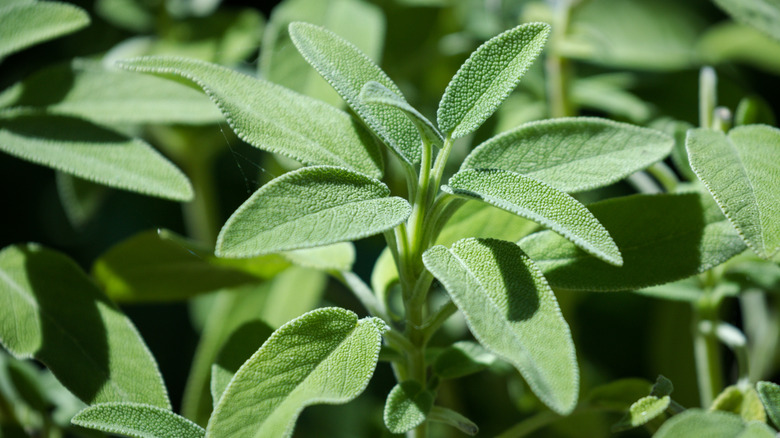
Fed up with snails gorging on everything you've carefully planted, or moths and flea beetles swarming about the plot? Sage has got you covered. Pots or plants of this delicious herb not only provide a handy supply of flavor, the oils from their leaves will send all the aforementioned garden pests a'running. Be aware sage and cukes don't make for happy bedfellows, so plant them far apart.
Chives
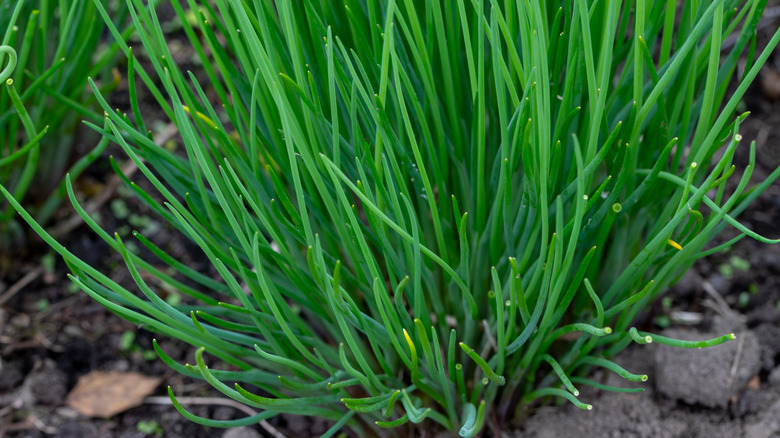
This plant might look like a punky kinda grass, but as well as lending its delicious, oniony zing to everything it touches, chives are fantastic at sending slugs packing. The plants give out a strong, sulfury smell that the slimy critters loathe, and they're not the only ones. If your veggies are bothered by aphids or carrot flies, or bigger pests like rabbits, drop in some chives and they'll soon vamoose.