

The 12 Best Beans To Grow For A Massive Crop Every Year
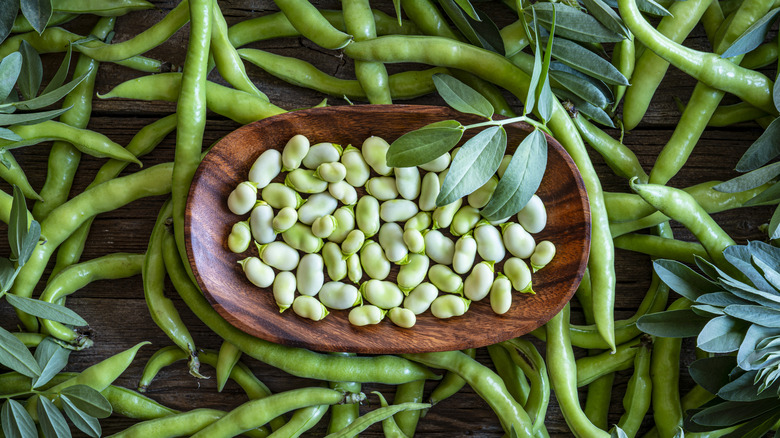
I grew up in England, where beans on toast is indeed a breakfast staple. It's just one way to cook the bean, so often described as "humble," though it is anything but. Part of the pulse family, we've been farming and eating beans for thousands of years. They are incredibly good for us, as sources of protein as well as vitamins, minerals, and antioxidants, and as an ingredient beans are wonderfully flexible. Beans are brilliant in soups, chilis, salads, and even sweet, baked goods. Best of all, there is a wide variety available — we previously cast an eye over 17 types of bean and how to use them – and many of them are super-easy to grow.
There are a few rules to planting beans. They're not big fans of the cold, so watch out for frosts, and they are sun lovers, needing a good six hours of direct sunshine a day. They don't require much fertilizer or watering, so they're fairly maintenance-free. Like tomatoes, they come in determinate and indeterminate varieties, though depending on how big the plants, your beans may need a trellis for support. Read on to learn which ones to grow for the best chance of a bumper bean harvest!
Tiger's Eye
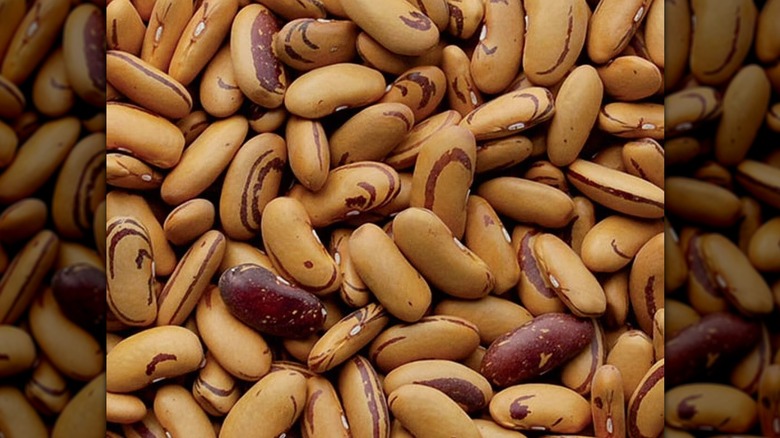
This striking heirloom dry bush bean originated in South America and gives growers two opportunities to eat them. Tiger's eye are delicious in their early days as snap beans, but if you leave them to mature and dry on the vine, you're rewarded with the beautiful orange and red beans. Sadly, their skin vanishes during cooking, but they do make the creamiest refried beans.
Triomphe de Farcy
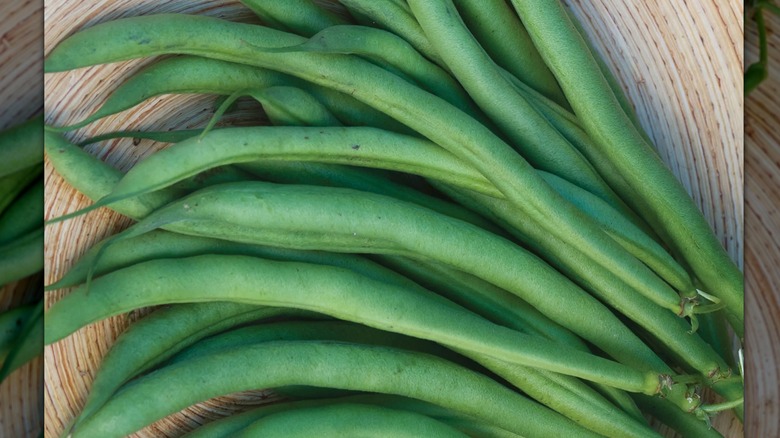
Fancy something other than the standard haricot? The heirloom bean Triomphe de Farcy is a fantastic alternative. Growers get their money's worth too, as it's an early and prolific producer of long, thin pods that are bursting with sweet, green flavor. Pick them at least every two days, and use this handy tip to safely store your bumper harvest.
Garbanzo beans
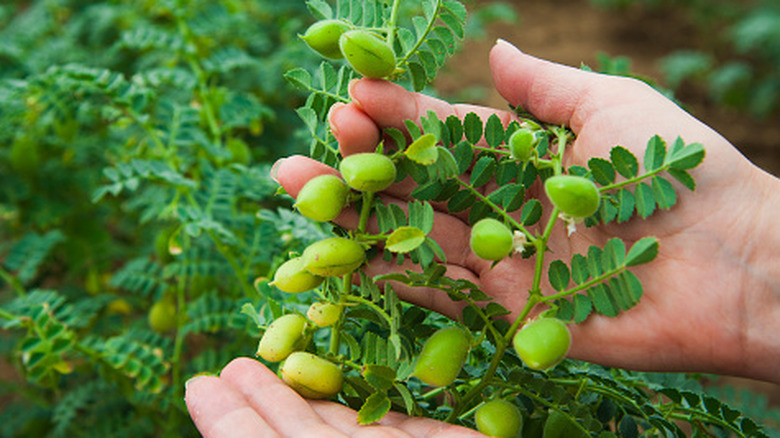
Whether you call them chickpeas or garbanzo beans, this tasty source of veggie protein can be a little choosy about its growing conditions. They like to be huddled together when planted, should be in well-drained ground before the last frosts, and don't need much fertilizer or water. Get the balance right and you can eat the early seed pods like peas, or let them dry out for use over the winter.
Asparagus beans
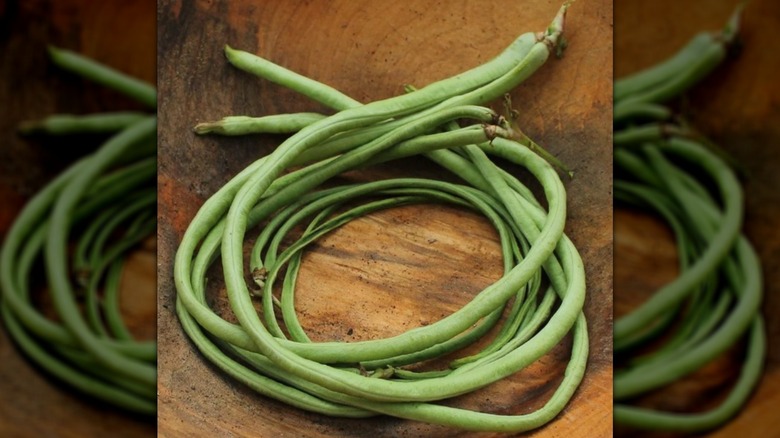
In 1957, the BBC aired an April Fool's day clip about spaghetti being harvested from trees, and looking at asparagus beans immediately brought it to mind. These hanging, slender pods can grow to up to 26 inches, and while they look like rope, they are stringless, tender, and taste sweet and delicious. Asparagus beans are not fans of the cold, but avoid the frosts and they'll crop reliably.
Cannellini
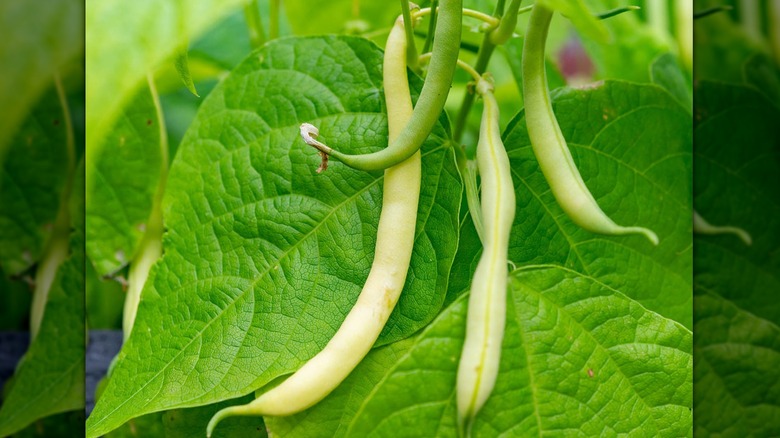
Also known as white kidney beans, cannellini are as simple to grow as they are delicious to eat. You can raise them in a bed or a pot as long as they're not at risk of a cold snap, and are ready to be picked when the green pods turn yellow. They're delicious eaten fresh or dried, and would be the star of a hearty Italian ribollita soup.
Momentum
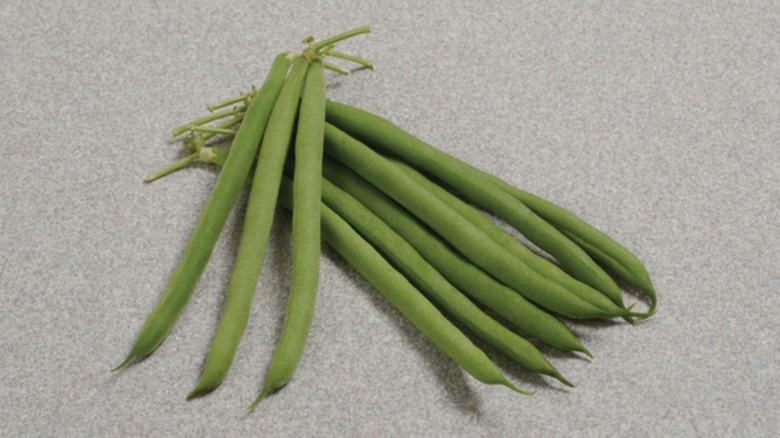
There are a few mistakes people make when cooking green beans, but choosing to grow this hardy and robust bush bean won't be among them. It's suitable for most zones across the United States, and is renowned by gardeners for providing "outstanding" yields. Don't worry about any glut, Momentum beans are good for freezing, canning, and eating straight off the vine.
Flagrano
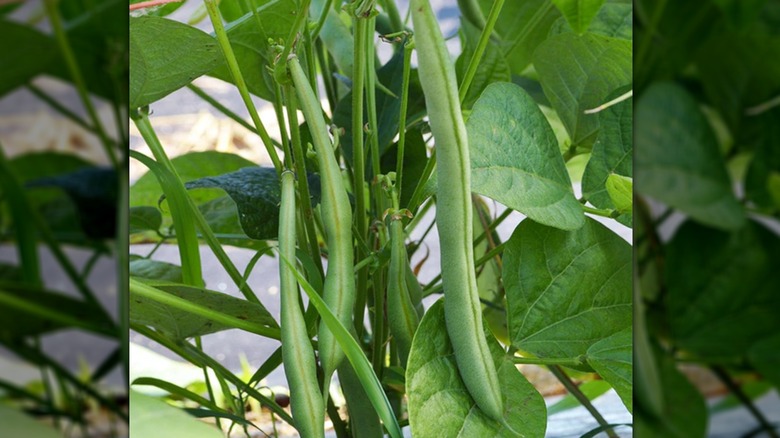
More "delicious" than "delicto", this French heirloom flageolet is small but perfectly formed. If you've never raised Flagrano before, you might need to introduce beneficial microorganisms to your soil, known as a bacterial inoculum, to ensure you get a good crop. Don't eat the pod but the beans are amazing fresh or dried.
Cranberry
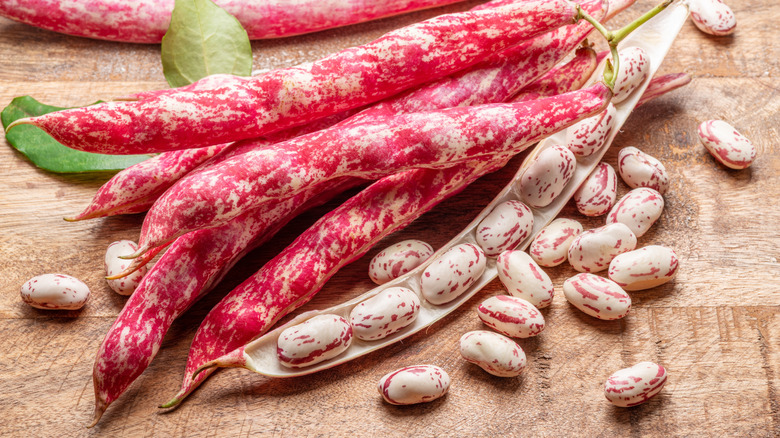
Also known (among other names) as Borlotti beans, they bring a vivid dash of color to the garden thanks to their pink and white pods. They do well in a warm climate, planted in the ground or a container, but will need to be supported with a stake or trellis like this weather-resistant tool from Walmart. Although the beans lose their lovely color when cooked, they are a fantastic source of protein and fiber.
Bountiful Stringless
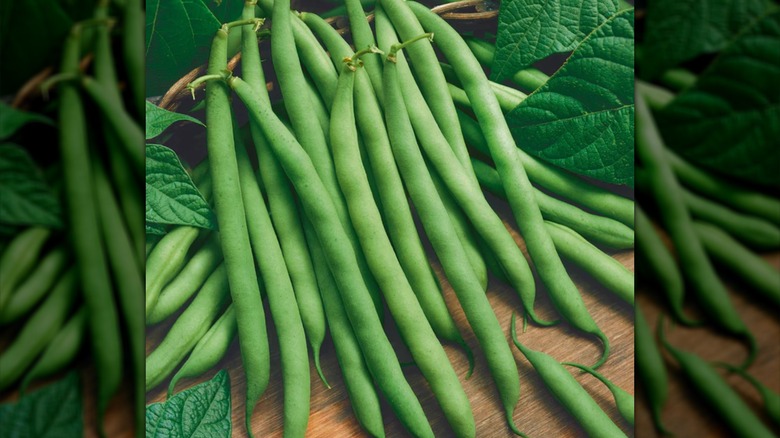
The clue about the sort of yield you can expect is in this bush bean's name: bountiful indeed! As well as quick off the starting blocks, producing lots of early pods, their flavor is almost unbeatable — with no annoying strings. The beans freeze beautifully, so don't worry about not being able to eat them all during the season.
Romano Purpiat
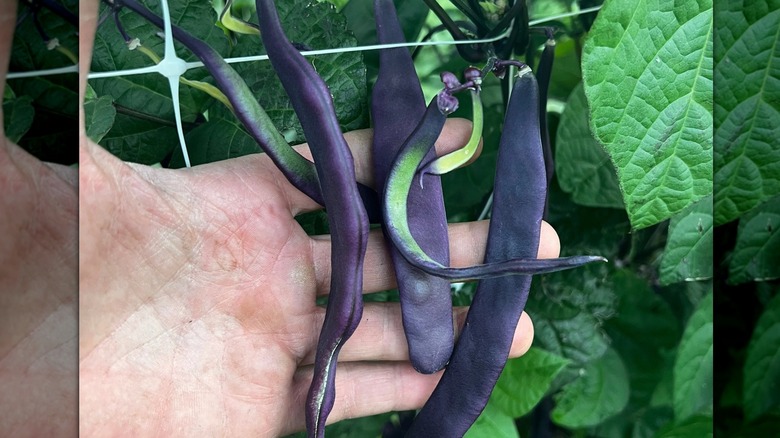
Looking for something that stands out from the crowd but will still give plenty of tasty beans? Jaw-dropping variety romano purpiat ticks every box. It produces lots of flattened, purple pods that turn vibrant green when cooked. Snap them straight off the vine for a tender morsel, or dry them and store them in the pantry for the colder months.
Golden gaucho
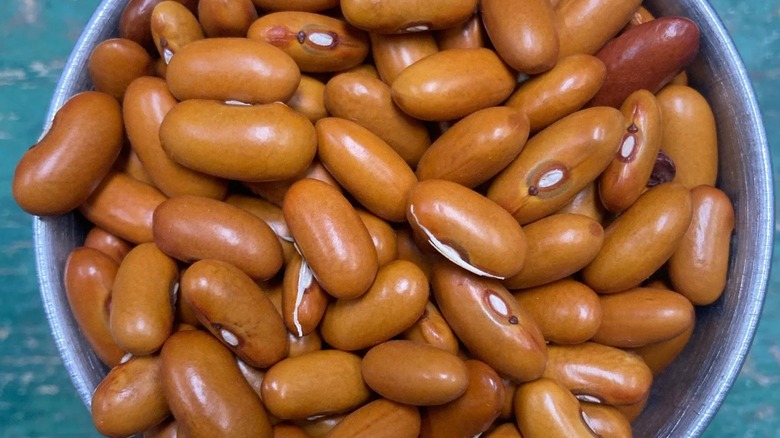
This Argentinian heirloom variety has a dedicated following among growers in the United States. They love its ability to produce lots of beans even though it's a relatively small bush, but it's the flavor that brings people back for more. Described as "hearty" and "full-bodied," Golden gaucho is a delicious addition to soups or stews, but divine served with a little seasoning and butter.
Flagg
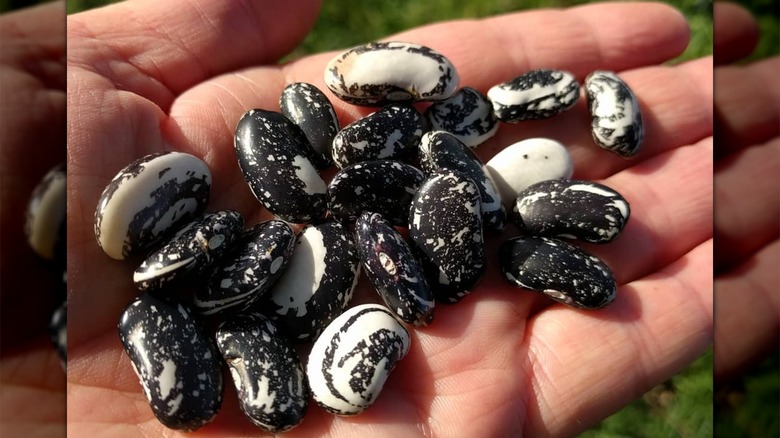
You get lots of lima-style beans from this vigorous variety, also known as Chester or Skunk, which is ideal for gardeners with a truncated growing season. First raised by Iroquois, flagg beans benefit from being given solid climbing support, while the stunning black-and-white beans (occasionally a completely black one will be produced) are ideal for drying and cook fast too.