

Forget Regular Broccoli: This Underrated Veggie Packs Way More Nutrition
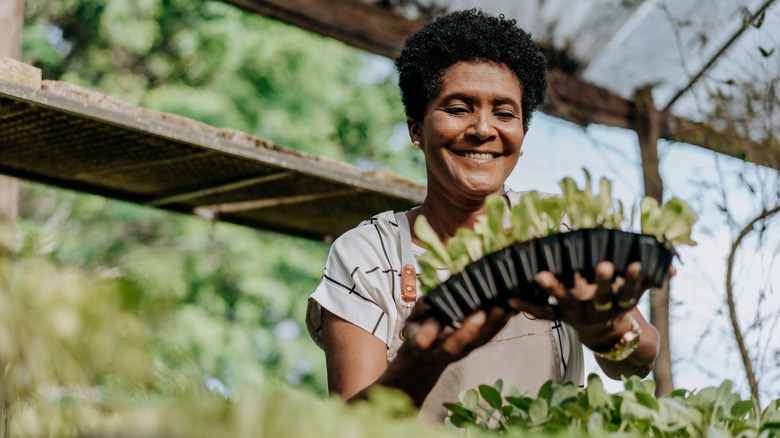
Every day, millions of unhappy kids across the world are told "eat your greens." Some of them discover the delights of vegetables as they get older, including broccoli (we love it with cheddar in soup). Little do they know that, in its very early stages of growth, this much-maligned member of the cruciferous clan is a nutritional megastar. At just three to four days old, broccoli sprouts contain around 100 times the amount of sulforaphane compared to mature broccoli florets. What's sulforaphane and why is it so special, we hear you ask? The answer involves a chemical reaction that relies on us chowing down.
All cruciferous veggies (also known as brassicas) contain sulforaphane, from arugula and kohlrabi to mustard greens and watercress. More importantly, they are also sources of myrosinase which, when the broccoli sprouts are chewed, mixes with sulfur-based compound glucosinolate to create the antioxidant sulforaphane, and that's the really good stuff. As well as being a handy source of fiber, calcium, and iron, sulforaphane has been proven to protect the body against several types of cancer, and that's just the tip of the health benefit iceberg.
Levels of sulforaphane in broccoli sprouts peak at three to four days, and eating them at this time can help reduce high blood pressure as well as cut the risk of heart disease. There's evidence they can help regulate blood sugar levels, support our brain and gut health, and potentially even ease mental health issues, such as depression. Not bad for a scattering of days-old seedlings, right?
You can grow your own broccoli sprouts, though they taste nothing like you imagine
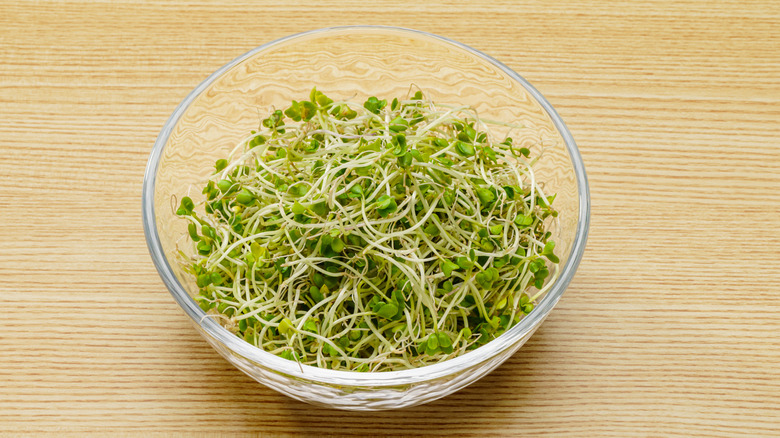
Getting your hands on broccoli seeds can be a bit tricky, as they lurk in long, thin pods that grow after the plant has flowered. Dry them out and extract the seeds. To germinate them, soak the seeds in water in a warmish spot, away from direct light for up to 12 hours. Rinse off the water and transfer the seeds to a sprouting jar, keeping them in the same warm, dark conditions, rinsing them several times a day until they start to sprout. Three to four days later, they should have grown small, dark leaves and be ready to eat.
As well as being a free alternative to store-bought seeds, broccoli sprouts have another surprise in store: They taste nothing like broccoli. Some people say they have no flavor, while others get a spicy hit, a little like a radish, but it depends on how many you're eating and what you do with them. They're a brilliant addition to a salad but you can throw them into a veggie-based smoothie too, for an antioxidant boost.
While boiling rosemary has real health benefits, it's worth noting that the cooking process isn't good for the sulforaphane in any veggie. Exposure to heat above 158 degrees Fahrenheit destroys the enzyme that's needed to make it. However, a dash of dried mustard seed powder on your steamed, boiled, or air-fried brassicas replaces it! If that's not your flavor bag, a 2004 study found that heating broccoli sprouts to exactly 158 degrees Fahrenheit intensifies the production of sulforaphane, so you get more nutrition per mouthful.