

Boost Your Fiber Intake & Save Money With 9 Root-To-Tip Veggies & Fruits
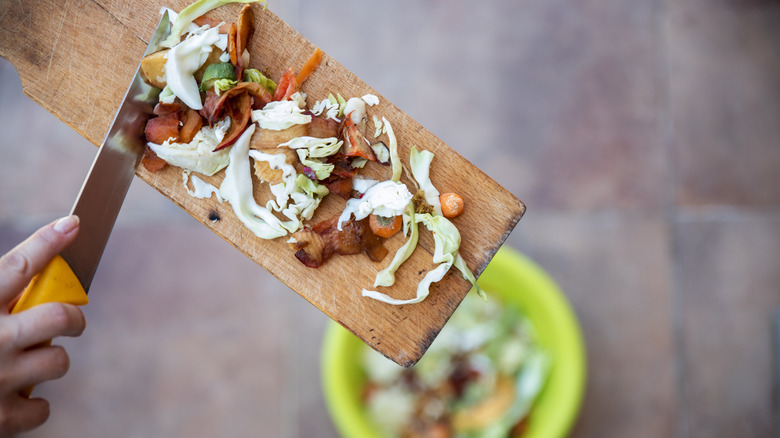
There's lots of fun to be had working the recommended five portions of veggies and fruit per day into our three square meals, from zhuzhing up French fries with ranch seasoning to turning a boring frozen pizza into a yummy dish via fresh veg. As well as the kaleidoscope of flavors on offer, vegetables and fruit (both frozen and fresh) bring lots of nutritional value to the table, especially when it comes to fiber. However, home cooks who prepare fresh veggies and fruit could be losing out both nutritionally and financially, simply because we're throwing away the most fiber-rich parts.
In 2026, researchers from King's College London looked at the fiber levels of peels, seeds, and stalks of popular vegetables and fruits. They found the discarded scraps — which accounted for between a quarter and almost half of the produce weight — contained more fiber than the bits that were eaten (per the International Journal of Food Sciences and Nutrition). Now, chef Steven Satterfield already told us his favorite root-to-tip fruits and veggies, but we wanted to dig deeper and find out which ones had the most fiber, how much of it we were potentially tossing in the garbage, and what we could do with these scraps instead.
Beetroot
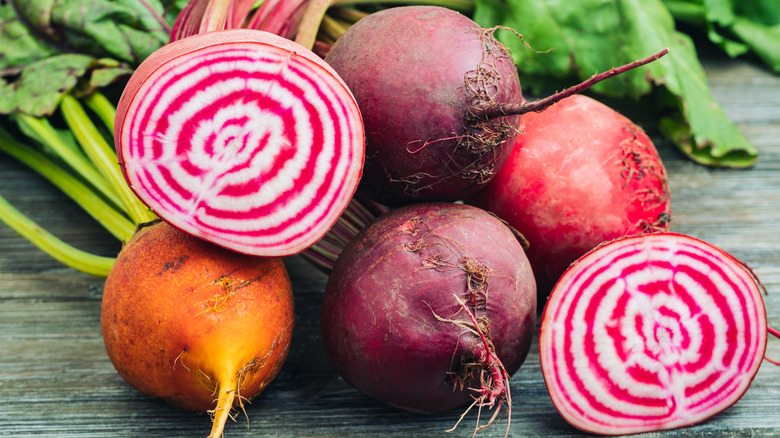
We know that beet greens are powerhouses of potassium, but if you want to boost your fiber intake, don't peel your beetroot. According to the King's College researchers, the skin of this earthy vegetable contains a whopping 40% more fiber than the rest of the bulb, so it makes great nutritional sense to eat it, rather than throw it away. Simply give the veggie a good scrub to make sure it's clean, then slice and dice it the way you would a peeled beetroot.
Leeks
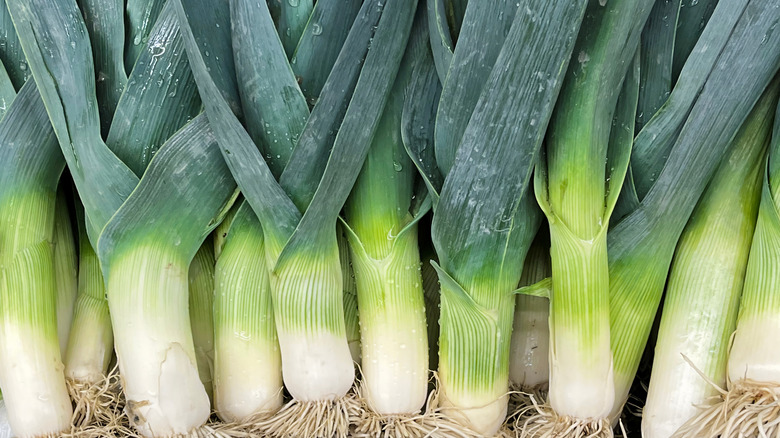
We are notorious for favoring the creamy white parts of a leek and being rather sniffy about the dark green tops, which invariably end up in the trash. That hasn't just been money down the drain; turns out we've been throwing away the most fiber-rich part of the veggie, as the darker leaves have almost 77% more of the good stuff than the white section (though they will require a bit of extra cooking time). Will we be adding them to our next batch of this creamy leek and potato soup? You betcha.
Celeriac
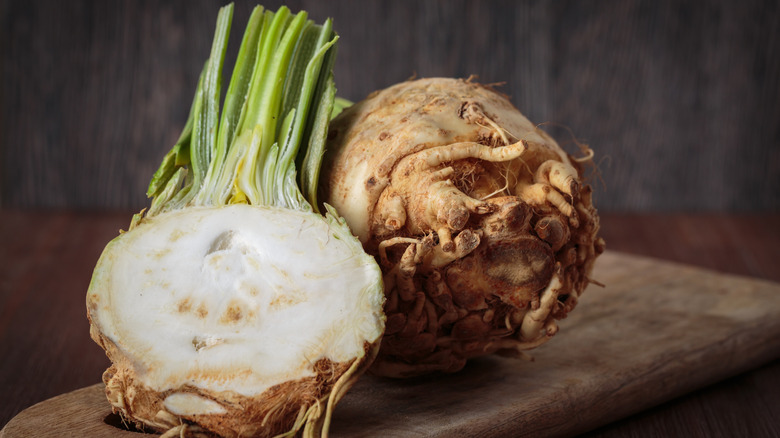
It's far from the prettiest veggie out there, but hearty celeriac — a.k.a. celery root — is an underrated superstar. It's a low-carb alternative to potato, though the flavor isn't quite as mild. It's also a good source of fiber, though chances are many home cooks aren't getting all they could. Celeriac skin contains nearly 84% more fiber than the rest of the knobbly veggie, and all that stands between us getting the benefit is a quick dip in some water and a scrub to clean it up, followed by a cooking method to break down the rough skin, like a good roast or time in the soup pot.
Pineapple
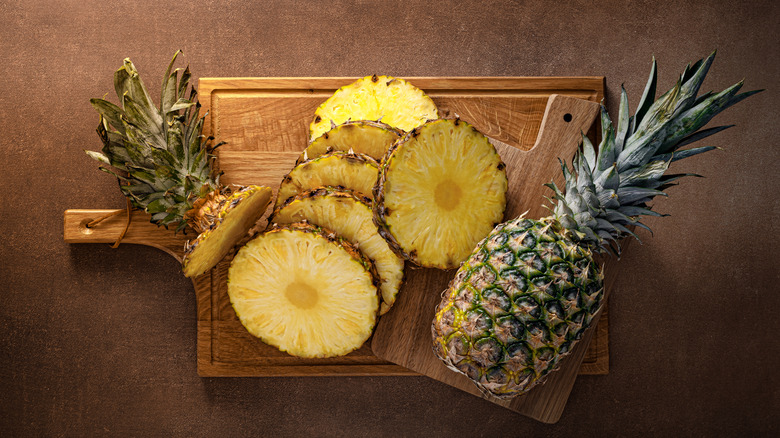
This tropical fruit might be a pain to prepare, but that sweet, juicy flesh is always worth it in the end. You might think there's not a lot of value in the core or that pile of prickly skin, but you'd be wrong. Both those leftovers have almost 454% more fiber in them than those delicious rings or chunks. We wouldn't recommend eating either as they are, but you can stick the core in a blender and give your next fruit smoothie a real fiber boost.
Butternut squash
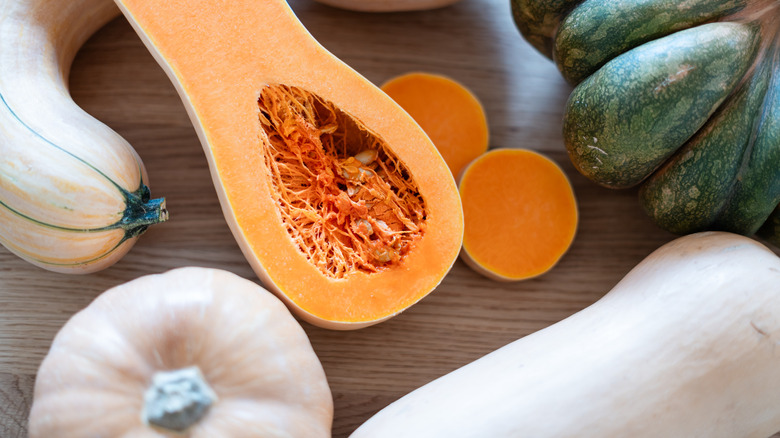
If you spent summer gorging on no-peeling-required summer squash, take a leaf out of that book for the winter varieties for a fiber filip. Roast or braise your butternut — skin, pith, and seeds — to take advantage of the 363% more fiber lurking in them. Even with the skin on, roasted squash is pillow-soft (we think it tastes like candy) and makes a perfect side or addition to other dishes. If you prefer scooping out those seeds, roast them in herbs and spices, then toss them into a salad, soup, or straight into your mouth.
Watermelon
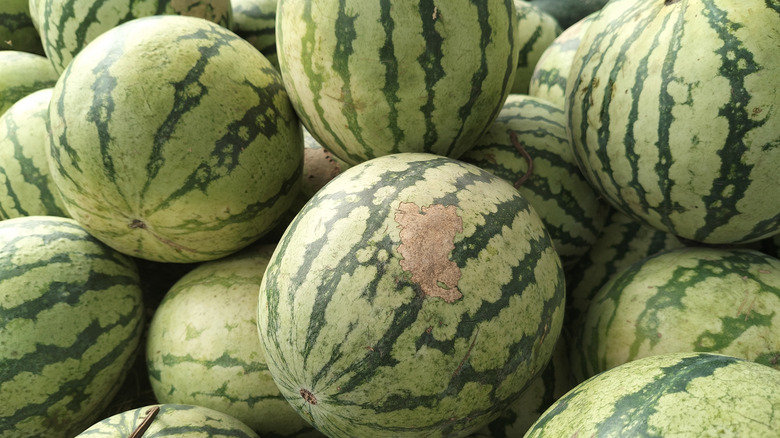
If you followed our advice and roasted your watermelon this summer, chances are you dipped on eating the rind. That's a pity, because it's got 425% more fiber than all that juicy flesh. Happily there are several ways to maximize the value and nutrition of watermelon rind, including treating the white portion like a cucumber or zucchini. It's a delicious addition to gazpacho or a stir fry, too. Alternatively you can pickle it — including the green skin — for a tasty snack.
Cauliflower
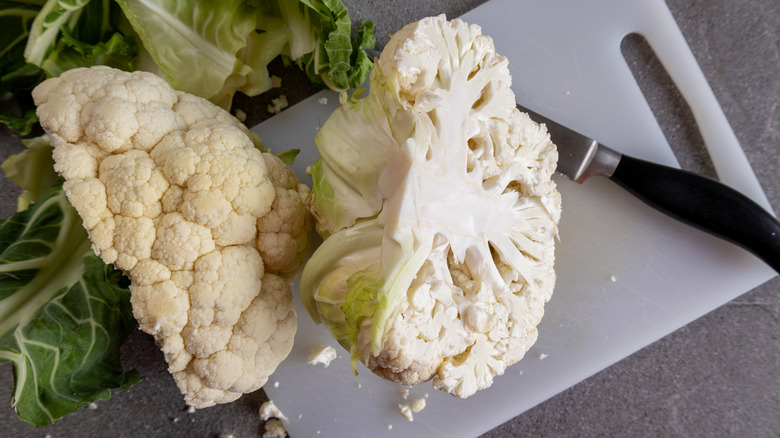
JJ Johnson gave us a great double-dip tip for frying cauliflower, but we wonder if he thought about the vegetable's core once he'd removed the florets? It's got 112% more fiber than those knobbly add-ons, yet more often than not, it ends up in the garbage or compost heap. Instead, chop it up and add it to your next cauliflower cheese or soup to boost the heartiness. Alternatively, pop the cauli core in a food processor and blitz it before stirring the results into rice, couscous, or even mashed potato.
Bell pepper
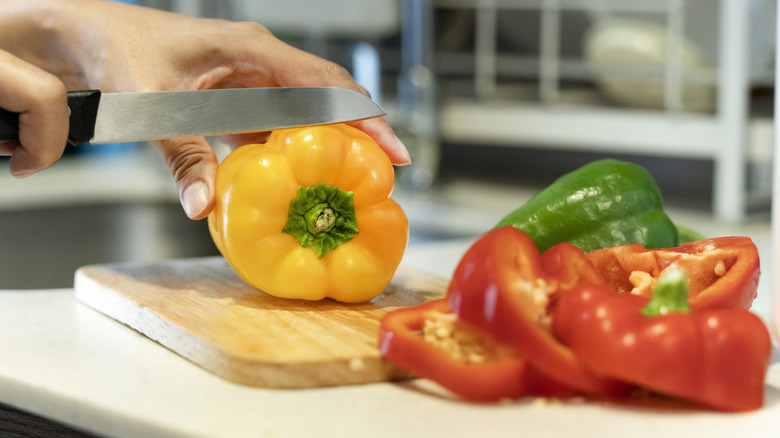
Many home cooks spend a lot of time fiddling around with bell peppers, including chopping out the stem and cleaning out the pith and seeds before throwing them all away. Yet there is almost 234% more fiber in those unloved — yet entirely edible — bits than the rest of the bell pepper. One of the best ways to get the benefit of all this fiber goodness is to roast these colorful veggies, then stuff them with an ooey-gooey blend of ground beef and cheese.
Kiwi fruit
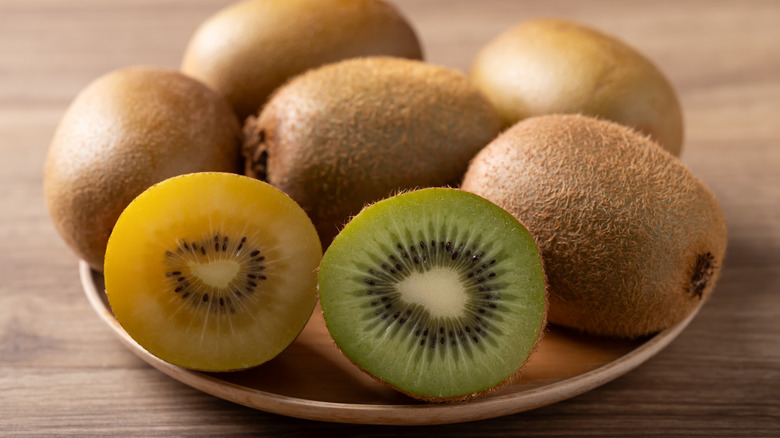
We're suckers for these slightly peppery, sweet fruits, which always find a place in our fruit salad, and are 100% part of Team Eat 'Em with the Skins On. We know that's not the case for everyone, but here's the kicker: all that time spent carefully peeling this furry food is both money wasted and nutrition lost. That's because kiwi fruit skin contains 195% more fiber than the interior flesh. If you want to up your fiber intake, it's worth learning to swallow them down.