

The Ingredient That Puts Colorado Chili Into A League Of Its Own
We may receive a commission on purchases made from links.
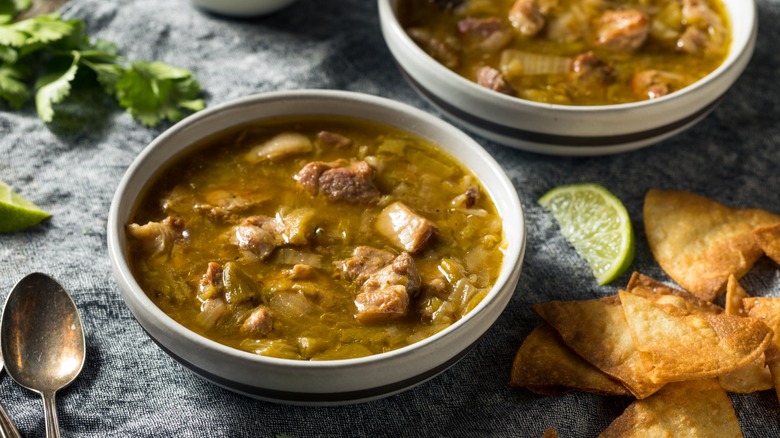
Regional variations of chili abound, from Skyline chili in Cincinnati to Texas-style chili con carne, which inevitably leads to the "beans in chili" debate. Colorado is a slept-on travel destination for Mexican food, and this is evident in the state's tremendous chili tradition. Chili from Colorado is visibly different from the bowls of meaty red stew you get elsewhere — for one thing, it's green. Secondly, you won't only find this chili in a bowl, as Coloradoans use it to smother just about any food you can think of, from omelettes to burgers to tacos.
The chili verde of Colorado is something special because it is made with chile peppers that are unique to the state. Dr. Fabián Garciá was the horticulturist who developed Colorado's green chiles from a New Mexican cultivar at the turn of the 20th century and changed the state's culinary scene forever. In an interview with Foodie's sister site, The Takeout, Kirk Bachmann, president, provost, and master chef of the Auguste Escoffier School of Culinary Arts Boulder campus, had some wise words on the character of these peppers. "Many ingredients can be sourced elsewhere, but the use of local chiles is what gives [Colorado chili] its identity," Bachmann said. "The high elevation and the warm days followed by cool nights create a growing environment that produces a chile with a distinct flavor, similar to how the terroir in certain regions of France impacts the grapes that produce incredible wines."
How do you make Colorado chili?
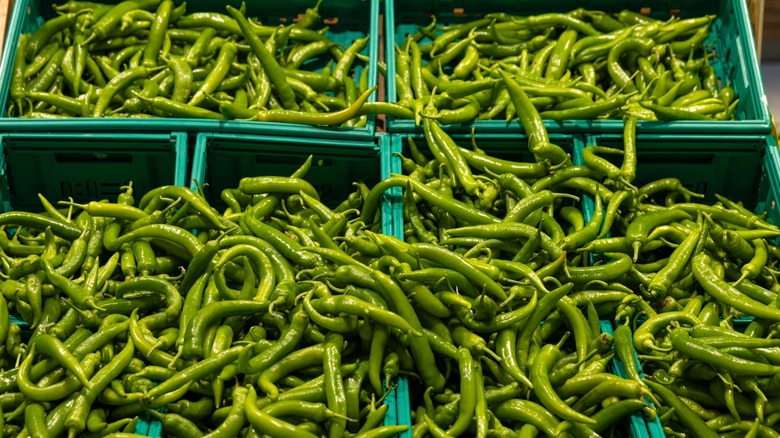
A few things (that aren't as crucial as the Colorado chiles) set apart the green chili of the Centennial State. First of all, it's usually made with stewed pork, like a butt roast. Beef isn't a traditional ingredient in Colorado chili, nor any of the popular alternatives like venison or bison. To keep the chili green, you may or may not use tomatoes – green tomatillos are a verdant substitute that gives much of the same flavor while preserving the hue. Some folks will use a mix of tomatoes and tomatillos.
Speaking of mixing, you may want to really consider your choice between mild green chiles and hot green chiles, depending on the spice preferences of your loved ones. At times, jalapeño is added to the pot for some real kick. Not in Colorado? A can of Hatch green chiles will get the job done serviceably, albeit without that distinct Colorado flavor.
Other than a handful of standout ingredients, you'll find a lot of usual suspects in a Colorado chili: broth, onion, garlic, herbs and spices, and perhaps a hint of sweetness from some sugar, honey, or agave nectar. It won't be authentic, but you can definitely add a little taste of Colorado to your favorite chili recipe by subbing or adding in green chiles on top of your normal list of components. Making chili is an art that can be highly individual to the cook, and a bit of out-of-state influence will definitely set your chili apart.
Static Media owns and operates Foodie and The Takeout.