

Retro School Lunches We Forgot About Until Now
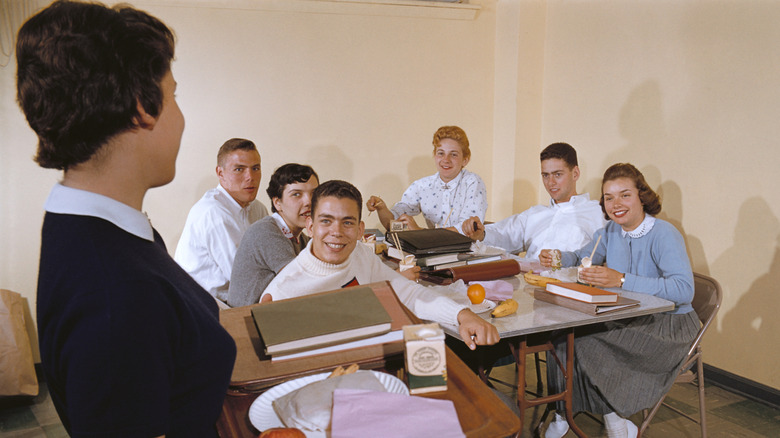
Adults of yore enjoyed midday meals that we simply don't eat anymore, like the old-fashioned diner special of roast beef Manhattan. Tastes change over time, trends rotate through cycles, and once-popular meals become relegated to misty memories and "remember when?" online listicles. School lunches aren't so different. Various vicissitudes have impacted the contents of school lunches throughout the 20th century, such as societal attitudes towards subsidized lunch programs, national events like the Great Depression and world wars, and improving knowledge of nutrition. Meanwhile, the National School Lunch Program was founded in 1946 and is one of the longest-running social initiatives in United States history, having consistently promoted universal lunch access for children and healthier lunches at schools.
Today, parents are more educated than ever about what kids need in their diets, and ho-hum sandwiches made with processed deli lunch meats are often sidelined by more nutritious options. The lunches served at schools, too, have widely evolved. Taking a look back at forgotten school lunches of the 20th century gives us not just a peek into the past, but a glimpse at widespread attitudes regarding the feeding of American children. Do you remember any of these foods on your lunch tray?
Peanut butter and dried beef sandwich
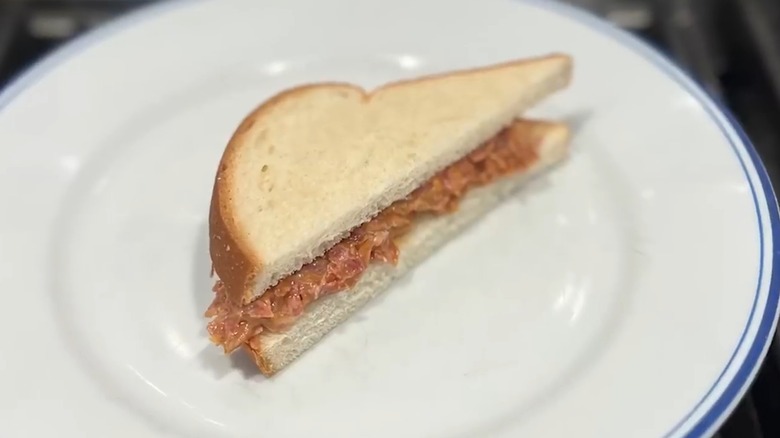
You thought the peanut butter and chili Midwest sandwich combination was weird? The USDA 1957 Type A School Lunches recipe book lists peanut butter and dried beef sandwiches, an unholy combination that can only have been engineered to give kids more protein. YouTuber Sandwiches of History followed the vintage recipe and claims that the filling actually isn't as offensive as you might think, and that the accompanying mustard and mayo add creaminess and brightness. The USDA suggested serving this sandwich with tomato soup and a cheese-apple crisp.
Shrimp wiggle
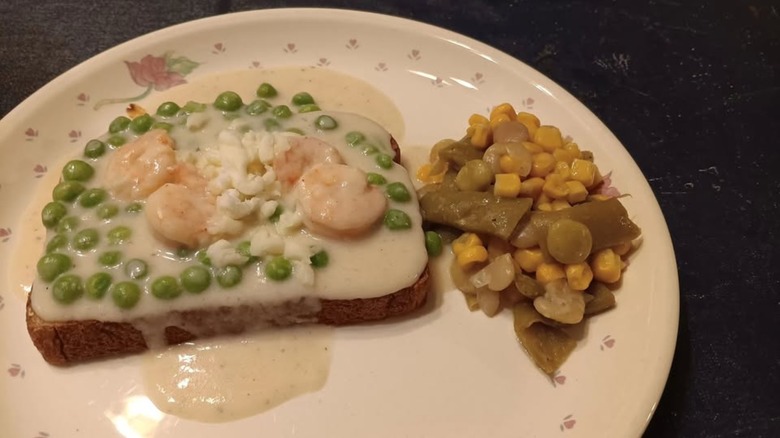
Another banger from the 1957 Type A recipe book, "shrimp wiggle," has a wild name, but it's actually not as peculiar as its label suggests. It's an ideological relative of cream of chipped beef on toast (a.k.a. "SOS"), consisting of canned shrimp in a white sauce, sometimes with peas, served over a starch like white toast or rice. Wiggles were evidently popular in the '50s, as the USDA cookbook also lists preparations for flaked fish wiggle or salmon wiggle. It was served with a green salad and "prune crunch," which we bet kids nowadays would have a field day inspecting.
Lamb stew
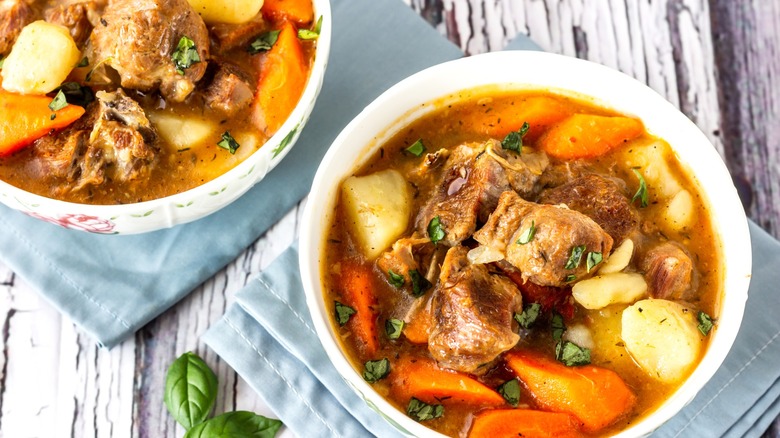
A 1979 volume entitled "Quantity recipes for child care centers" by the United States Food and Nutrition Service lists a recipe for a lamb stew using potatoes, carrots, celery, and onions. Today, lamb may be seen as a part of Easter dinner, but there's neither hide nor hair (or Easter hare?) to be seen of lamb in most U.S. public schools. That's likely because lamb is a more expensive protein than beef, chicken, or pork; many Americans dislike the taste; and there are ethical issues associated with the husbandry and slaughter of young sheep. No wonder it's MIA in so many places in the 21st century.
Tuna-rice loaf
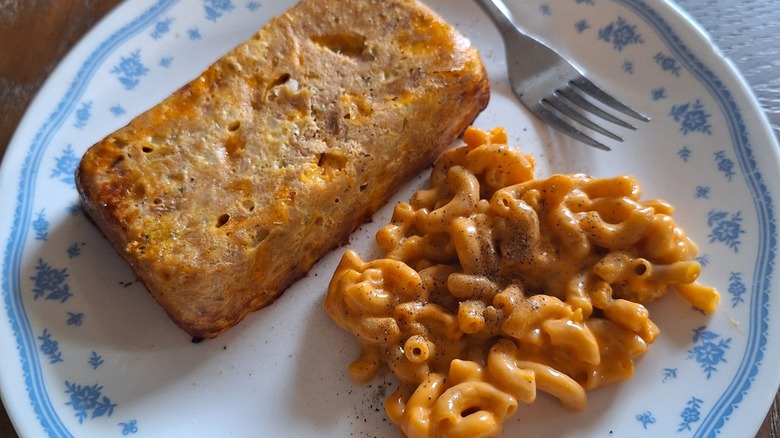
Beloved, popular meatloaf has its origin as a breakfast food, but tuna-rice loaf is something else entirely. Another '70s school lunch that has not stood the test of time, this baked loaf was made with canned tuna, white rice as a binder, and lemon juice, parsley, and green pepper to round it out. The baking powder in the recipe would conceivably have given this loaf some height or aeration. Canned fish is a cheap shortcut to lunches even today, so we can see how this might have been a cost-cutting entrée option for schools to put on menus.
Chicken à la king
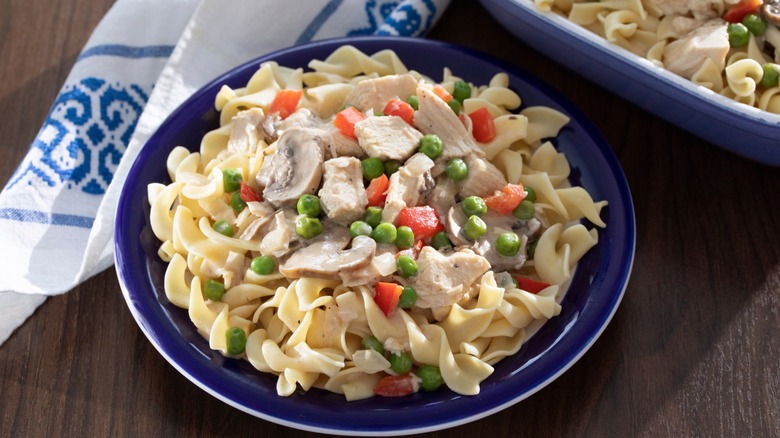
An old-school boomer diner meal that we feel deserves a comeback, chicken à la king was still getting some play on school lunch menus in 1988, as per that year's copy of "Quantity recipes for school food service." The recipe called for a basic, no-frills white sauce based on a roux and spiced with salt, pepper, and poultry seasoning. The meal could also be made with turkey. The cookbook didn't specify how the chicken was to be served, but noodles are a safe bet — they're cheap, bulky, and kids practically always like pasta.
Carrot-raisin salad
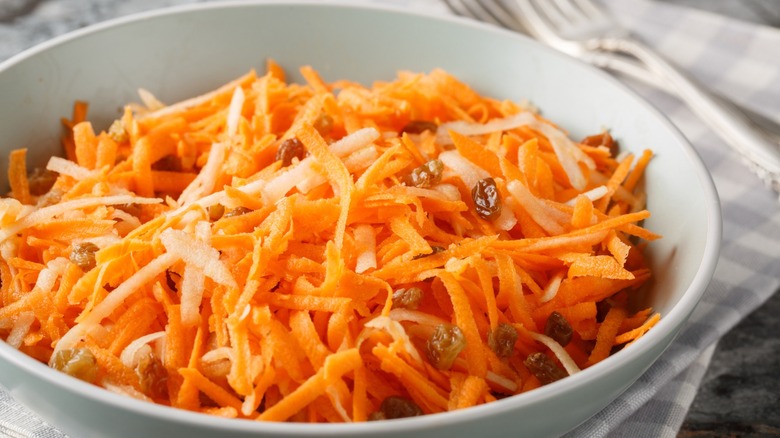
The 1988 recipe guide issued by the United States Food and Nutrition Service lists carrot-raisin salad as a possible side dish. Does this sound like a weirdo novelty dish to you? It might interest you to know that a certain (small) coterie of devotees is still clamoring for the return of Chick-fil-A's discontinued carrot and raisin salad, which has real Southern cred. Here, the shredded carrot and raisins were combined with either a mayo-based condiment or salad dressing, and possibly nutmeg and/or lemon juice for flavor. Raisins are popular with toddlers as a finger food, but we'd bet most school-aged kids won't enjoy them as much.
Hamburger gravy over mashed potatoes
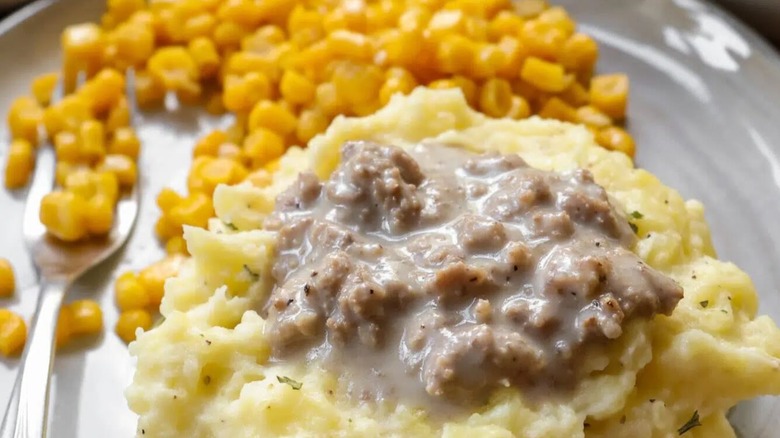
On a Reddit discussion of retro school lunches, hamburger gravy over mashed potatoes was a fond memory for many commenters. Nowadays, we like a three-ingredient cottage pie with ground beef and must admit that hamburger gravy over mash is already most of the way there. It's inexpensive and wholesome, two virtues that have always been popular with the administrators of school lunches. Adding veggies to the gravy is easy-peasy, and the recipe is easily simplified further with potato flakes and boxed gravy mix. No wonder kids loved it just as much as lunch ladies surely did!
Creole spaghetti
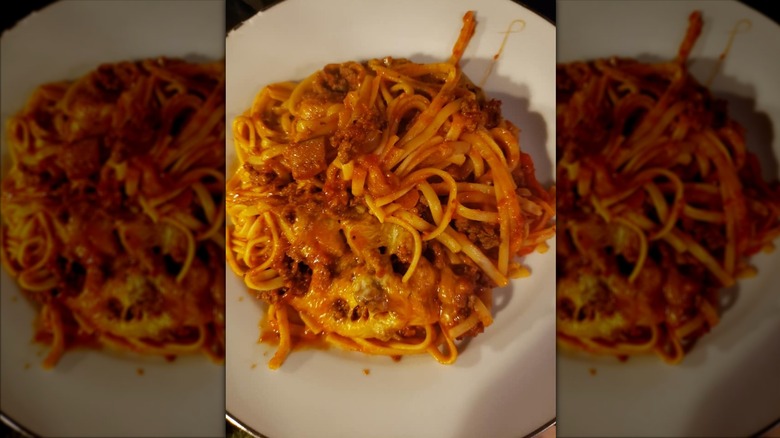
A hit with Boomers that earned nostalgic recognition in The Times Record News of Wichita Falls, Texas, Creole spaghetti was a spin on plain spaghetti pie that had a mild kick from chili powder in the sauce. Chopped bell pepper and onion are Creole-ish, we guess, but the name was definitely a long shot. Spaghetti, mixed with the spiced ground beef sauce, was popped in the oven with a crown of cheddar cheese. We've covered a classic baked spaghetti with a creamy, cheesy twist; now, we're a little tempted to throw some chili powder in our next pan!
Cheese zombies
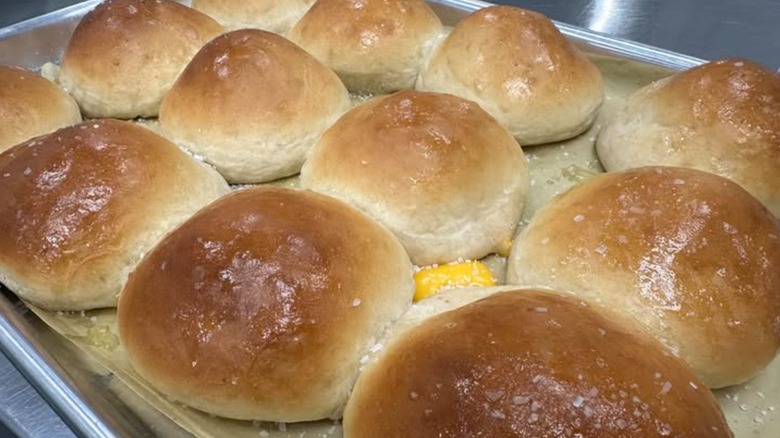
Some say that cheese zombies came about because of a unique problem: school cafeterias having too much Velveeta cheese (which isn't actual "cheese" as per the FDA) and running out of ways to use it other than mac and cheese. Cheese zombies were created in the '60s, but were eaten in the '80s and '90s in certain parts of the country. Despite the scary name, they were simply a bread product stuffed with molten cheese. Sometimes this took the form of a roll, and sometimes it was an inverted pizza. Today, straight carbs and processed "cheese" probably wouldn't pass muster in more enlightened lunchrooms.
Liver (in all forms)
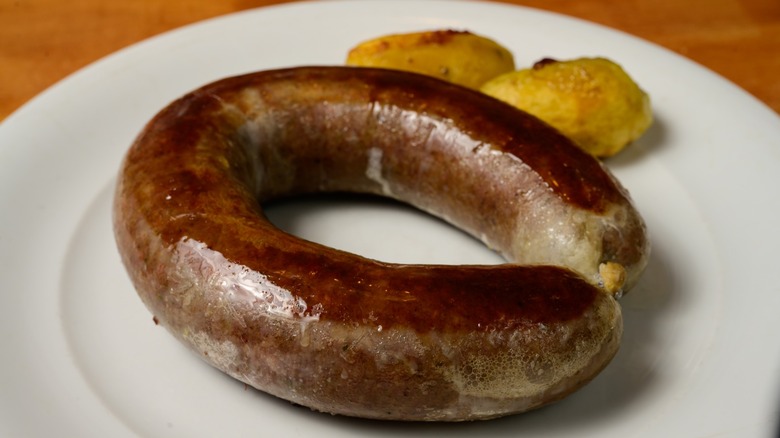
You'll never confuse liver with a ribeye steak — or even a cheap bottom round steak — but it probably doesn't deserve its maligned reputation. Liver had a moment during World War II, and was steadily falling off in popularity by the 1970s. It was inexpensive, but considered very nutritious for children (many of whom hated it), so naturally, it showed up in school lunches. On Facebook, memories of liverwurst patties, liver with onions, and liver sausage still haunt many Boomers. Today, schoolkids would probably revolt if they saw liver on their plates.