

6 Retro Gardening Hacks That Are Still Effective Today
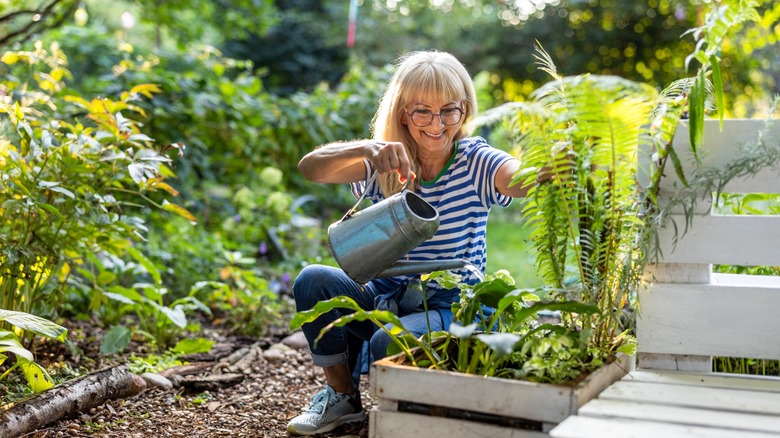
Gardening in the 21st century has some undeniable perks. The modern focus on sustainability has fueled a few truly impressive inventions, like self-watering planters, while cool hybrid species of old, familiar favorites have helped to ensure that we have access to fruits and vegetables that are hardier, yummier, and more attractive than ever before. Take the rare, Dixie Golden Giant tomato — its seeds are now widely sold, when it used to only be available to a small circle of those in the know. Progress is a beautiful thing.
Yet, the further we come as home gardeners, the more we realize that the old ways sometimes really are the best. Humans have been planting and growing our own food for some 23,000 years! We may not know exactly what tips and tricks got passed around in ancient Babylon, for instance, but we do know the gardening hacks that our grandparents swore by ... and we know that many of them are still viable today.
From repurposing plastic silverware in our gardens to planting by the cycles of the moon, using old onion sacks as garden canopies to potting coins with produce, there are some so-called "old wives' tales" that are just as valid nowadays as they once were. So, go ahead and read up on great-nana's notes from her victory garden, or buff up on Memaw's faded country wisdom. You might just find some long-buried tips that improve your modern-day gardening game.
Garlic spray for pesticide
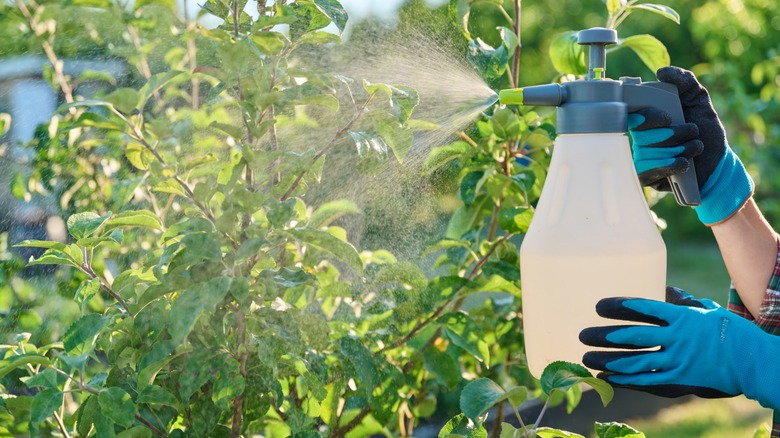
When old-timey gardeners saw the leaves of their garden plants being eaten by pests, there weren't always readily-available pesticides for them to purchase. Our forebears might have made a solution of fresh garlic, water, and perhaps some dish soap, then sprayed it on the leaves of their affected plants. The pungent scent of the garlic effectively deters pests like aphids and slugs! Martha Stewart has a tip for removing the smell of garlic from your hands, but when it comes to your garden, the stink is what you want.
Companion planting
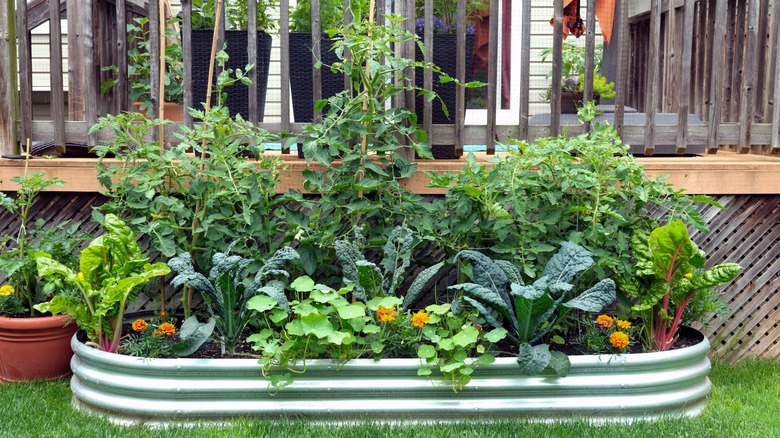
The concept of companion planting is hundreds of years old — the Haudenosaunee coalition of tribes pioneered the "Three Sisters" method of growing beans, corn, and squash together because the crops helped one another thrive. Today, we know that many plants have symbiotic relationships with other species and have laid out elaborate garden plans so that companions can help their friends grow bigger and stronger. There's a clever reason to plant tomato and basil together in your garden, for instance, and it's not just because they go great together in a pasta sauce!
Trapping slugs and snails in beer
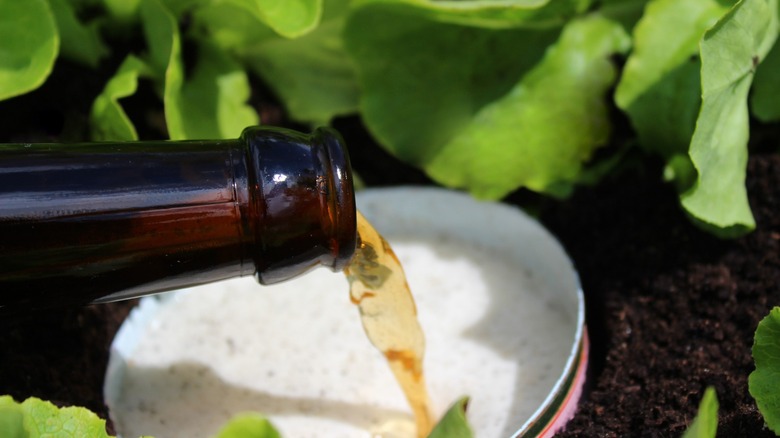
Prior generations knew that leftover beer was the secret ingredient in a gardening trick to trap pests — specifically, slugs and snails. Allegedly, these crawling nuisances would be attracted to the hoppy scent of the beer, which was poured into shallow dishes in the garden, and subsequently drown in the liquid. Amazingly, this one actually works! A few effectively-spaced beer traps amongst your growing plants can, in fact, yield many dead pests that you can then remove. This may not be as effective as pesticides, but it's a tried-and-true natural remedy to at least help address the problem.
Epsom salts as plant food
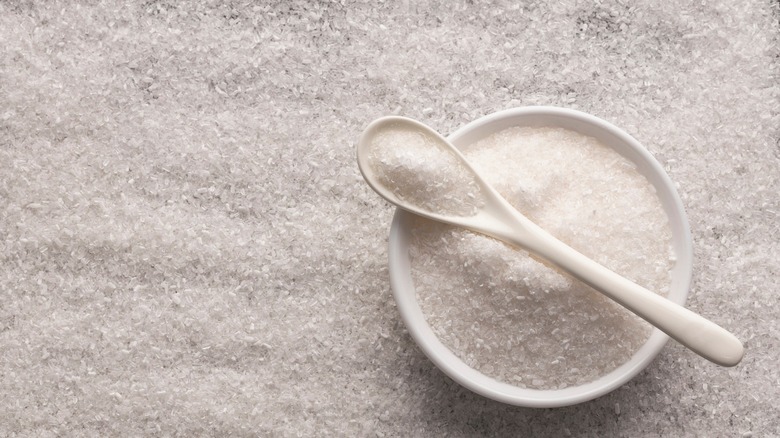
Wouldn't you naturally think that a salt sprinkle is bad for plants? Turns out that Epsom salts can actually be life-giving in your garden, as per an old folk remedy. Not only do Epsom salts deposit potentially much-needed magnesium and sulfur in your soil (depending on the soil you're working with, of course), but they also boost chlorophyll production and help prevent blossom-end rot in tomatoes. All you need is a modest application once a month. We recommend testing the composition of your soil first, as overdoing it can harm plant growth. On the list of fun facts you didn't know about tomatoes, the need to potentially salt them before harvest is definitely a neat one!
Planting potatoes on Good Friday
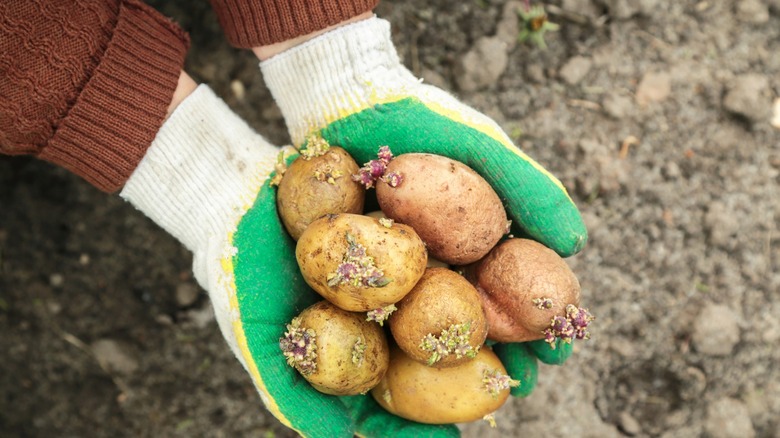
The origins of planting potatoes on Good Friday are a little murky, but may date back to Irish Catholics thinking that Good Friday planting and a sprinkling of holy water were a two-pronged approach for sanctifying your crops. Coincidentally, most dates on which Good Friday can possibly fall — there is a 34-day range — are the right time to plant potatoes in zones that aren't too cold. To get more precise, compare that date to the average temps for your growing zone. Knowing the average last frost date for your region is what counts, so that you can whip up baked potatoes that taste as good as a restaurant's.
Lavender or rosemary by the door for good luck
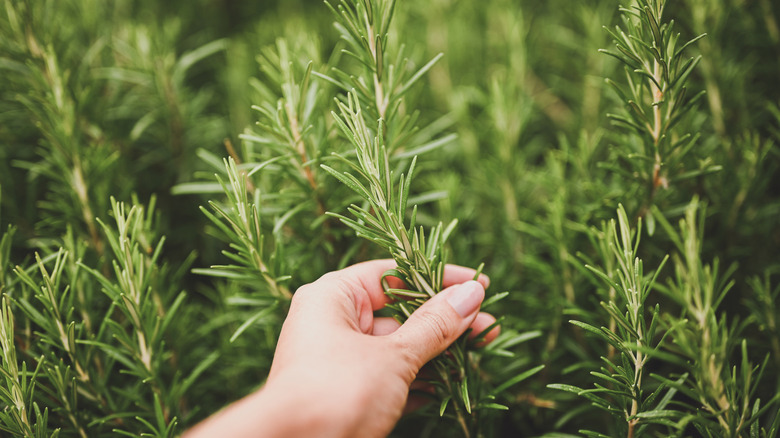
An old superstition holds that planting either rosemary or lavender by your front door (or garden gate) dispels malevolent forces from your home and invites good vibes. This is true, in a roundabout, science-y way. While herbs can't actually banish evil, as far as we can tell, both lavender and rosemary are known to have calming scents for many. Don't just take our word for it, as the benefits of aromatherapy have been suggested by no less than Johns Hopkins Medicine. So enjoy the perfume of these plants and remember the right way to harvest rosemary in your garden.