

It's True: Watering Tomatoes Less Can Improve Their Flavor
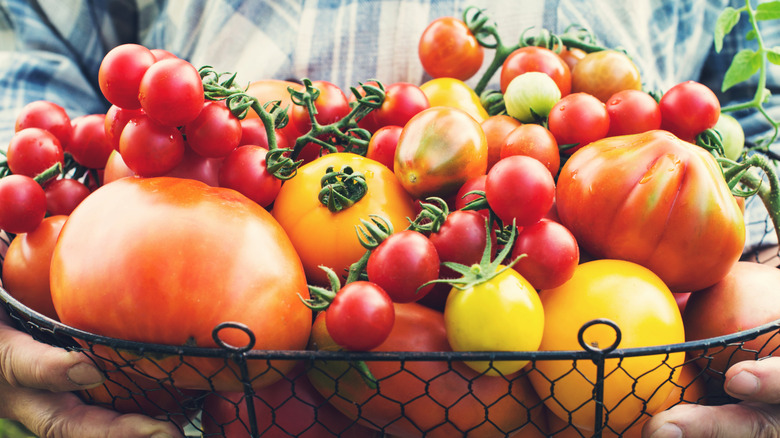
Even the greenest newbie to raising fruit and veggies understands there are some fundamental rules that will — at least on paper — result in a feast of home-grown goodies. Plant things in rich, nutritious soil, give them enough sunlight, and water them regularly. You could be forgiven for thinking the goalposts aren't so much being shifted as picked up and thrown away with this pearl of wisdom: water your tomatoes less to get better flavor.
Whether you're planning to nurture a rare, giant heirloom tomato variety this summer, or are furiously saving and crushing eggshells to get the biggest fruit, how your tomatoes taste can be the difference between a good and a great harvest. Experienced gardeners know that a lot of hybrid varieties have been specifically created to be disease-resistant or produce lots of fruit, but nobody paid as much attention to their flavor. Luckily, scientists went where commerce didn't, and ran experiments on 15 Micro-Tom cherry tomato plants in a 2026 study published in Scientia Horticulturae.
Twenty days after the plants began flowering, the researchers steadily reduced watering levels to 45%. Sidestepping a lot of math, analysis of the tomatoes that were produced found that many of them had higher levels of volatile organic compounds which boosted the tomatoes' floral, fruity, and minty flavors. Pretty cool, right? The funny thing is, green-thumbed folk have known this for a long, long time.
Dry farming could be good news for gardeners living in drier climes
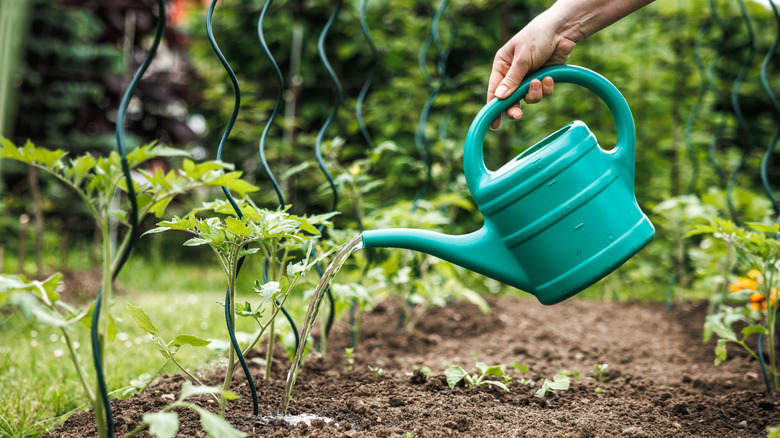
It has many names, including water stress and dry farming, but it all amounts to the same thing. Giving tomatoes less water means the plants will focus their energies on generating fruit rather than producing leaves, while their roots probe deeper into the soil to find nutrition. Quality mulch is key here, as it will trap moisture in the ground too. While it's important to be consistent to avoid cracking, don't cut the hydration too early either, or you won't do your fledgling tomatoes any favors at all.
Wait until the plants are mature enough to set fruit before dialling back on watering, and keep an eye on whether they start to wilt to add a drop or two. If you're not confident the plants will respond well, wait until around a week before harvesting before cutting the water and you'll still taste the difference. Several varieties cope with water stress well, including Cherokee purple, yellow brandywine, and the ever-popular Sungold, so there's plenty of choice if you want to give it a try on tomatoes, but it also works with cherries and these fast-growing fruit trees. Obviously dry farming uses a lot less water during the fruiting stage of a tomato plant's growth, but this proven tip could also be a saving grace if you're in an increasingly dry, warm state.