

11 Foods With More Vitamin C Than An Orange
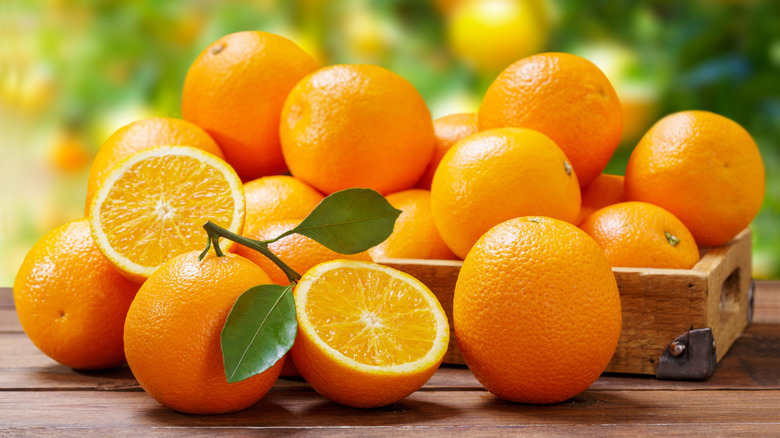
The necessity of getting vitamin C might make us think of scurvy-ridden pirates, eagerly sucking on lemons, but as good as it is for our gums, this essential nutrient does more than give us a healthy smile. Vitamin C – also known as ascorbic acid — is vital for cell protection and production. Because we don't make it ourselves, we must absorb vitamin C from the foods we eat, with the recommended daily intake being 90 milligrams for adult men and 75 mg for women. Happily, a medium-sized orange contains just short of 83 mg, according to the USDA. However, it's far from being the foodie frontrunner in the vitamin C delivery stakes.
We pored through the data to find items that knocked your average orange out of the park, based on official data from the USDA and 100-gram servings. Surprisingly, lemons, litchis (a.k.a. lychees), pineapple, and kiwis all fell short of the 83 mg of vitamin C offered by an orange (though they'd make a cracking fruit-infused tequila cocktail), as did cauliflower. So, which foods blew that figure out of the water and should be added to your grocery shopping list? Read on to find out!
Acerola cherries
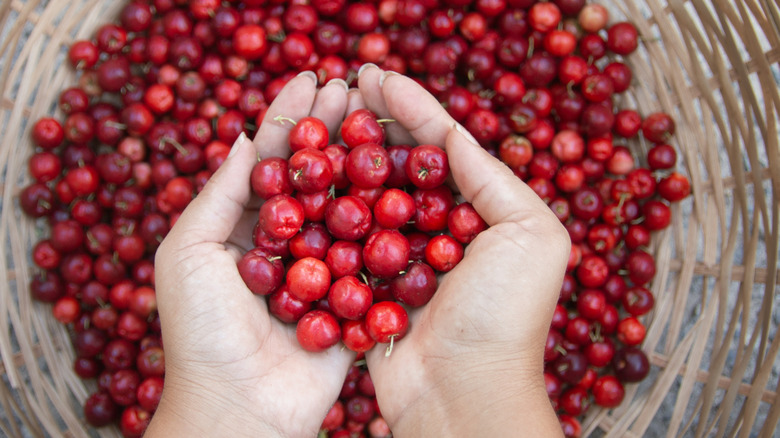
Also known as West Indian or Barbados cherries, this tart, sweet fruit is often grown in Texas and Mexico. It's also a major source of vitamin C, clocking in at a whopping 1,680 milligrams per 100-gram portion. Acerola cherries are also bursting with goodies, including anthocyanins, carotenoids, and flavonoids, alongside almost no fat. There are many acerola cherry powders and supplements available online, as well as other products containing the fruit, like jam.
Peppers
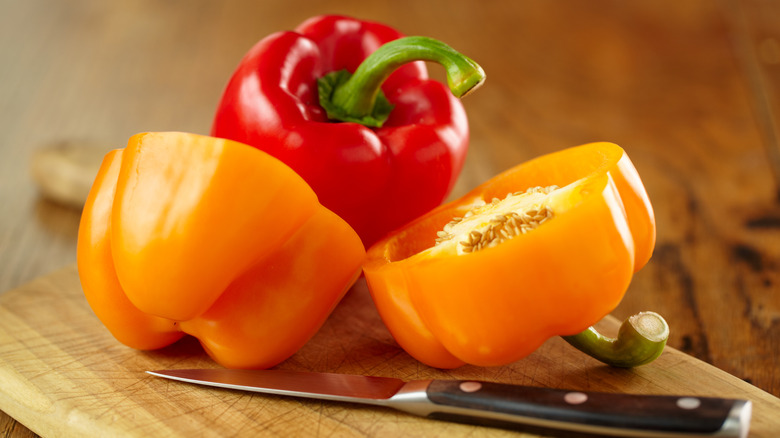
Pretty much every color of pepper will provide a hefty dose of vitamin C, but orange bell peppers lead the pack with 158 milligrams per 100 grams. Red varieties are hot on their heels with 142mg, while yellow serves up 139mg. Even the humble green bell pepper has a not-to-be-sniffed-at 99.5mg. Add them all, sliced or diced, to a summer salad to give your tribe the ultimate vitamin C boost!
Rose hips
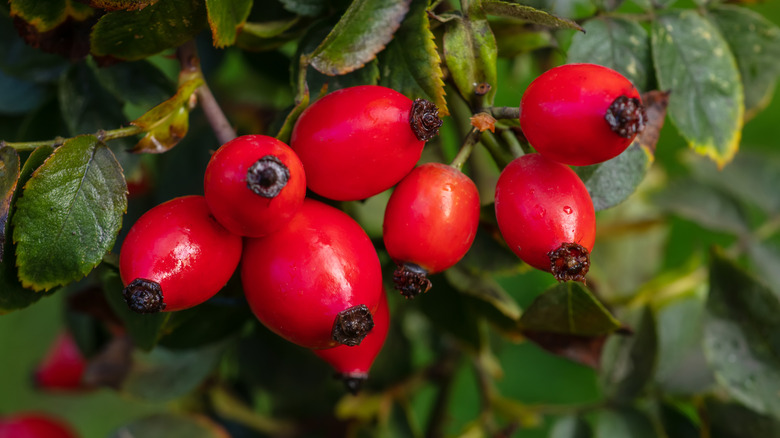
The delights of rose hips have flown under the radar in recent years, but we think it's time they made a comeback. The fruits of rose plants, rose hips, are 100% edible and 100% delicious — especially when turned into jellies. Team it with PB for the ultimate version of the iconic snack that will also serve up 426 milligrams of vitamin C for every 100 grams.
Kale
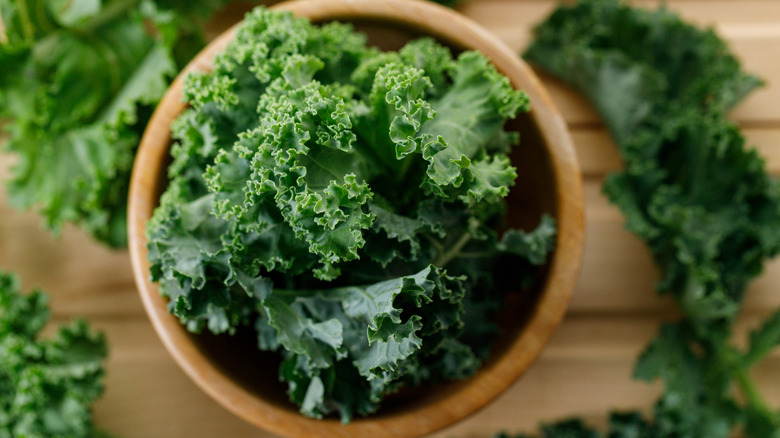
If kale's positive impact on our skin, gut, heart, and immune system weren't reason enough to crowbar more of it into your life, the vitamin C count might be. For every 100-gram portion, you get 93.4 milligrams of the good stuff, not to mention vitamins K, A, and B. If you're looking to add more dietary fiber to your meals, kale is a good place to start.
Blackcurrants
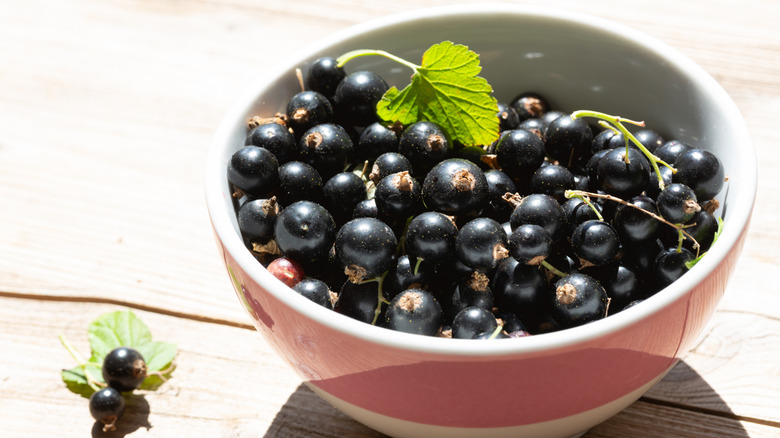
Long blamed for the spread of a pine-targeting parasitic fungus that sparked a crisis in the United States' timber industry, once-prohibited blackcurrants are finally making a comeback. It's just as well, because 100 grams of this tart but sweet superfood packs 181 milligrams of vitamin C, and has potential anti-inflammatory properties. They also taste amazing, making a great addition to smoothies or simply tumbled onto ice cream.
Broccoli
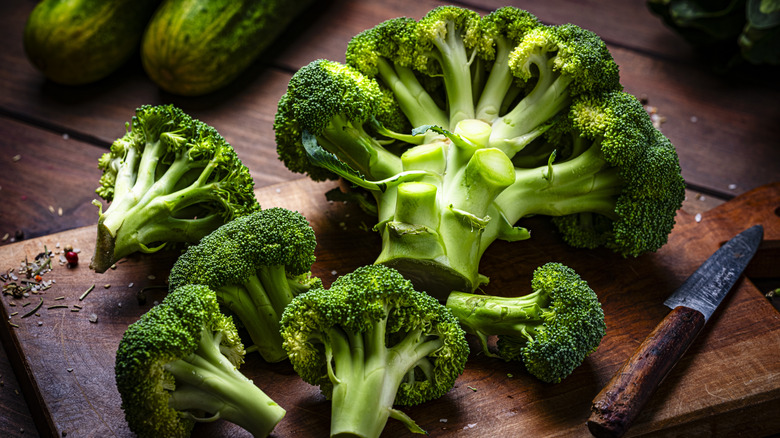
It nudges out a medium-sized orange for vitamin C delivery, with 91.3 milligrams for every 100 grams, but smaller members of your family will probably still prefer the citrus fruit over a portion of broccoli. At least the grownups among you can benefit from the fact that this green veggie also provides 303 mg of potassium — almost the same amount as a banana.
Strawberries
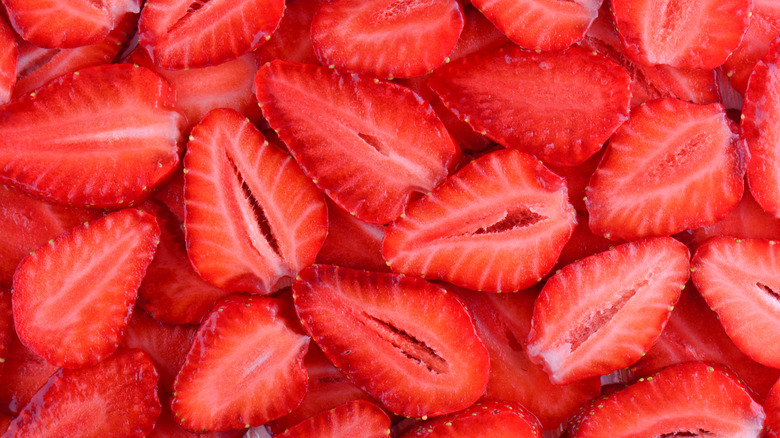
We have to hold our hands up for this entry in our list, because it's the only one where we've deviated from the 100-gram measurement. Using that metric, strawberries provide 58.8 milligrams — a lot less than a medium-sized orange. However, a cup of sliced strawbs (about 166g) delivers a more-than-impressive 97.6mg. We're fans of less is more, but not in this case!
Mustard spinach
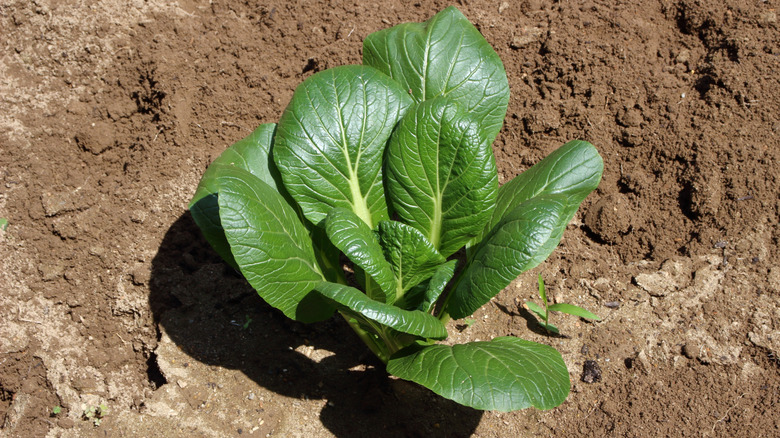
Don't be put off by the name, as this mild-flavored leafy green is one of the best delivery devices for vitamin C, with 130 milligrams per 100g. Part of the Brassicaceae family, mustard spinach leaves are delicious in salads when picked young, and can be added to soups or stews when fully mature. Don't sleep on those edible flowers, either.
Brussels sprouts
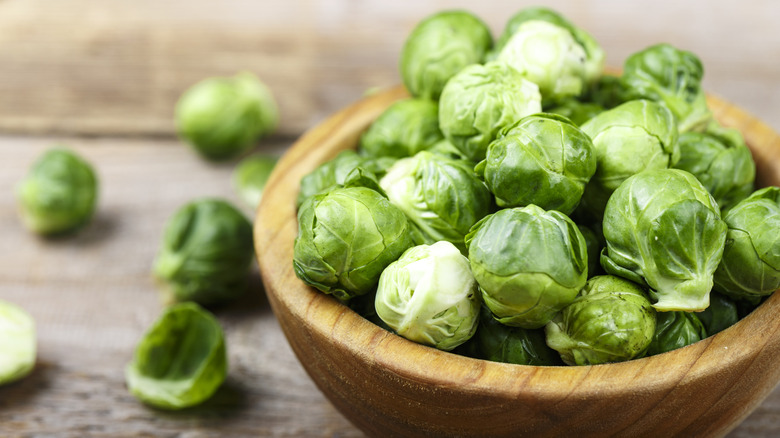
This delicious, sweet cruciferous veggie has a terrible reputation among kids (and plenty of adults), but it's unfairly maligned in our opinion. Each 100-gram serving of Brussels sprouts provides 143 milligrams of vitamin C, as well as calcium and fiber. Get them to eat the Brussels sprouts from LongHorn Steakhouse, and maybe the doubters will change their minds?
Ataulfo mango
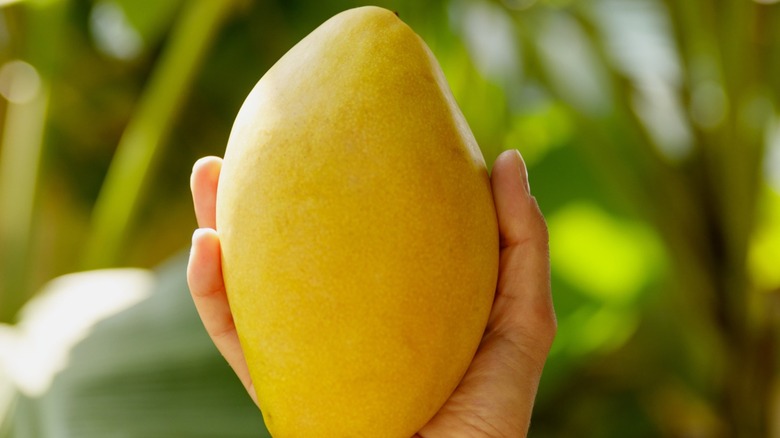
Is there anything more delicious than a bite of fresh, juicy mango? A three-quarter cup serving of this fruit provides around half our daily vitamin C requirement, according to Mango.org, but the Ataulfo or honey mango is the real nutrient powerhouse. It provides 168 milligrams for every 100-gram serving, and, as well as bringing in a good amount of fiber, it's another summer fruit that packs more potassium than a banana.
Guava
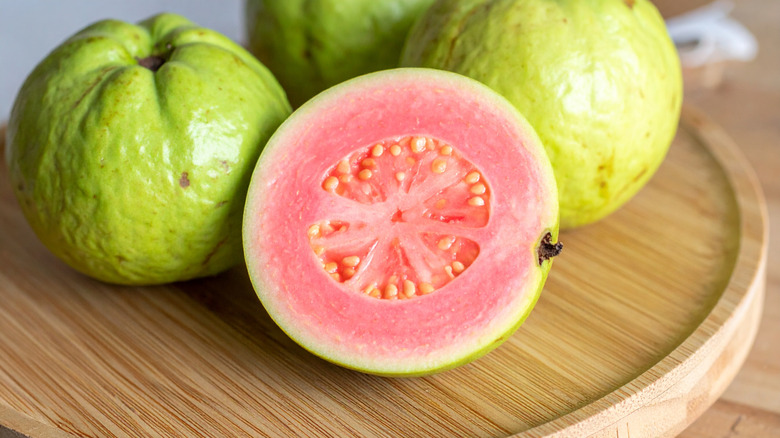
It's a delicious taste of summer and a worthy addition to any fruit salad, but guava is also one of the best food sources of vitamin C. A 100-gram portion delivers 228 milligrams, not to mention that it's also great for our digestion — take a bow, dietary fiber — and heart health. Guava is also stuffed with antioxidants that are good for our skin. Now there's no excuse not to try some guava paste paired with grilled cheese.