

Why So Many Boomer-Era Recipes Call For Boiling Your Food
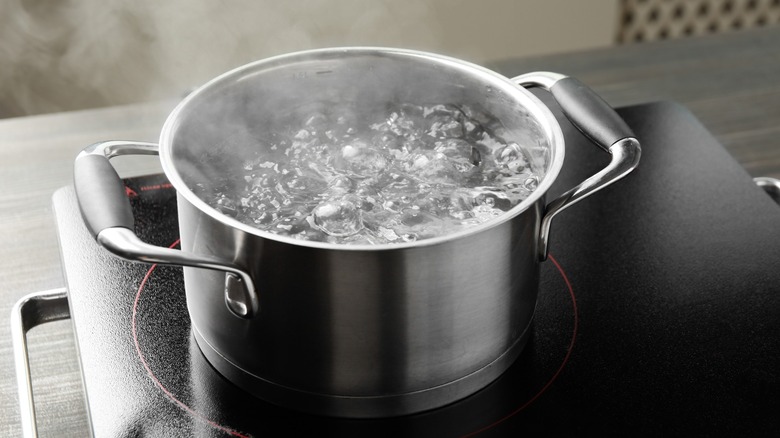
If there's one difference between the cuisine that boomers remember and the food we eat today, it just might be prior generations' reliance on boiling, especially when it came to vegetables. There were exceptions, of course — sardines on toast were a boomer snack that's considered a healthy meal today, while this generation also loves potassium-rich fresh grapefruit as a breakfast food — but our parents and grandparents, on the whole, boiled food a lot more than we tend to do today. What gives?
A Reddit thread from r/AskHistorians broke it down pithily, in an answer that we've verified to be true: a reliance on boiling is a carryover from generations past, in which vigorously boiling foods was often the only way to make them safe for consumption and avoid various foodborne illnesses like typhoid, which were deadly in heavily settled areas. What's more, boiling was cheap (all you needed was water and a heat source) and reliable. Fresh vegetables had been known to be a vector for diseases dating back to the end of the 19th century, and, even though food safety was in its infancy as a science, folks knew that boiling was a good way to kill off pathogens.
Unfortunately, boiling also tended to kill the flavor and nutritional profile of many foods, but, in the face of a painful death, that was a concern that nobody could afford to take seriously. While boomers didn't necessarily live in typhoid-stricken circumstances, old habits learned from prior generations die hard. Today, things have changed dramatically, and so we have the luxury of eschewing boiling in favor of different cooking methods.
Today's younger folks prioritize tastier, healthier food
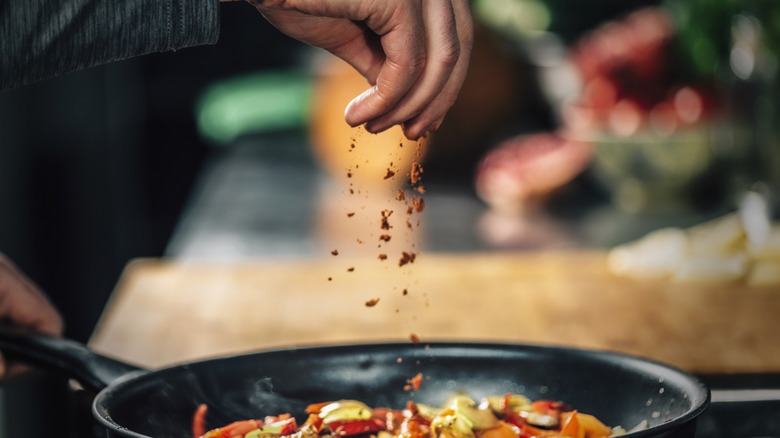
We have nothing against boiling as a form of cooking — catch us boiling corn in butter all summer long, for instance — but today, we recognize that it's far from a catch-all form of food preparation, especially when it comes to those same veggies that our boomer loved ones used to boil to oblivion. Per Healthline, large amounts of water-soluble vitamins and minerals are lost when vegetables are boiled, particularly if they're peeled first. The same immersion in boiling water also tends to leach out flavor. On the other hand, a nice sauté, roasting, or trip through the air fryer not only preserves the flavor profile of veggies, keeping them crisp and delicious, but also ensures the wholesome nutrition of these foods remains intact.
Boiling definitely has its place in the kitchen ... we love a boiled corned beef and potatoes dish for St. Paddy's Day, of course, and we will never give up on blanching green beans for a beautiful green hue before frying them with bacon and Dijon mustard. Still, we're glad to live in a day and age where increased food safety standards throughout the supply chain give us the (fairly recent) privilege of only lightly cooking our food and savoring its innate taste. And let's be understanding; there are plenty of memes about boomers cooking food to death, but keep in mind that times were different, especially for their elders who taught them how to cook. Sometimes, food preparation was 100% a safety issue.