

5 Foods With More Omega-3 Than Salmon
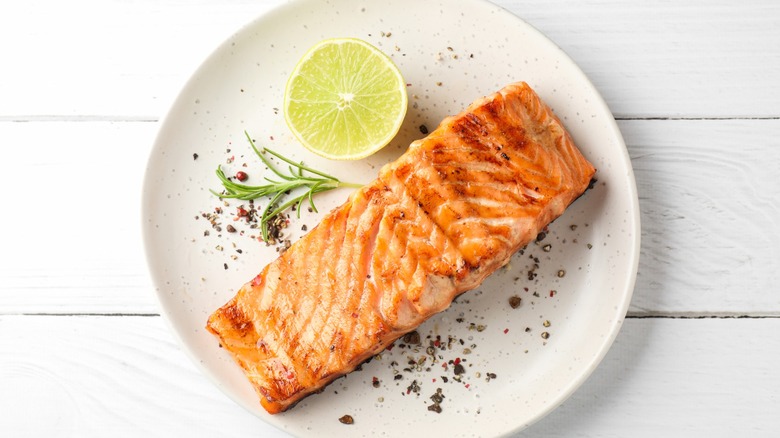
One common mistake you're probably making when cooking salmon doesn't have to do with fiddly pin bones or improper skin crisping — even though these are important considerations — but, rather, with making assumptions about the omega-3 fatty acids that you're getting as you chow down. It's often assumed that salmon is the king of the mountain when it comes to this essential dietary component, but that's not quite the truth.
One serving of salmon, or 3.5 ounces, contains 2,150 miligrams of EPA and DHA, which are two of the three main types of omega-3 fatty acids (along with ALA). EPA and DHA are more direct ways of increasing your omega-3 levels, as your body needs to convert ALA to these other forms to best utilize it, though plant-based sources of ALA omega-3 fatty acids are still plenty good for your body. Most healthy adults need between 1,100 — 1,600 miligrams of omega-3 per day, with pregnant or lactating people having greater needs than the standard for grown women.
These polyunsaturated fats are critical for heart health and keeping triglycerides low. In infants, omega-3s (and DHA in particular) are associated with brain development. Our bodies don't produce these fatty acids on their own, meaning that omega-3 is an essential nutrient. When it comes to getting our daily value in, salmon is great ... but there are a handful of foods that may help you do it even more effectively.
Walnuts

One 28-gram serving of walnuts – about 14 nut halves — packs in 2,570 miligrams of ALA omega-3, along with a generous helping of fiber. We love walnuts as an extra-special ingredient in baked goods, or simply nibbled as a snack. (Some cheese and good wine are delicious, but not essential.) A handful of walnuts a day delivers all the good fats that you need. Make sure you leave the skin on the nuts, as this part contains the most antioxidants.
Mackerel
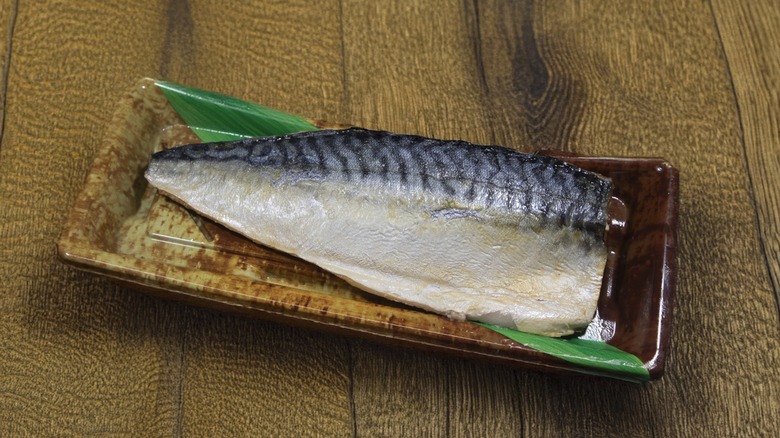
There are some mistakes to avoid when using canned sardines, but, in terms of tinfish, we also love mackerel, another small, oily sea creature with big health benefits. One 3.5-ounce serving of mackerel has 4,580 miligrams of combined EPA and DHA, which is way more than the same-sized portion of salmon. Foodies love to swap canned tuna for canned mackerel, claiming that the latter is both more flavorful and more sustainable ... and that's not even getting started on the nutrition! Smoked mackerel is also a special treat that delivers bold flavor and enviable macros.
Chia seeds
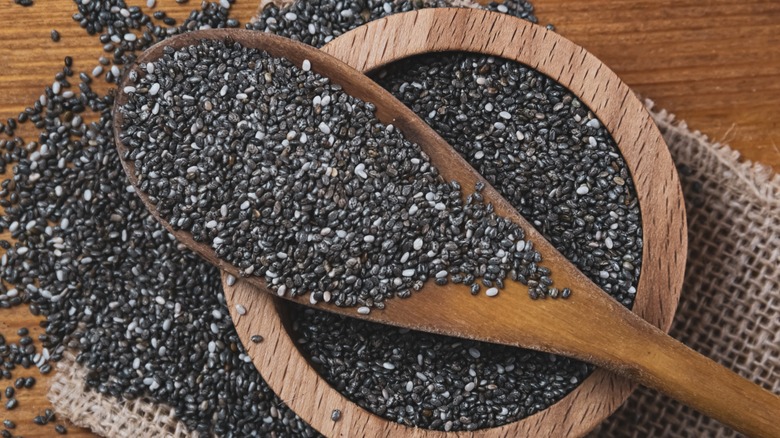
We love to add chia seeds to drinks for both texture and health benefits ... well, it turns out that a rich amount of omega-3 is prominent on the list of reasons to opt for these tiny granules. There are 5,050 miligrams of ALA omega-3 in just one ounce of chia seeds, to say nothing of five grams of protein. When chia seeds (which are a member of the mint family!) are soaked in liquid, they take on a gel-like texture that's highly enjoyable in puddings and bowls with lashings of fruit, nuts, grains, and other goodies.
Tofu
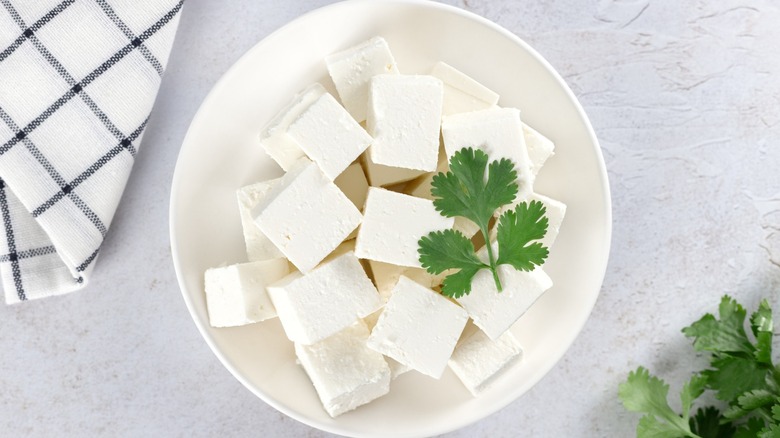
A great source of plant-based ALA, tofu contains 3,000 miligrams of omega-3 per half-cup serving. We love hacks for marinating tofu and exploring the list of different styles to enrich our dinner menus, but tofu has a lot to recommend it in general. It's a vegan-friendly source of protein that not only can help you bulk, but decreases your cancer risk as well. Plus, we don't know many foods as truly versatile. Bread it and fry it, stir it into your soup, or sauté it in chunks with crisp veggies and your favorite sauce ... it's so good!
Flaxseeds
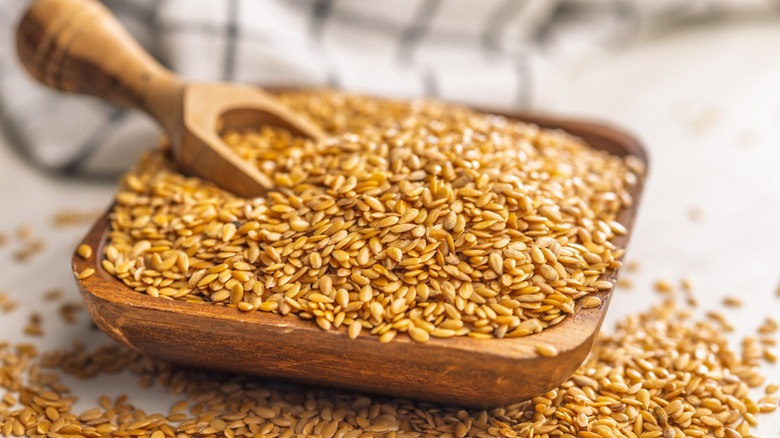
Just two tablespoons of flaxseed contains 3,600 milligrams of ALA omega-3, making these tiny kernels a nutritional powerhouse! They're also a great source of both protein and fiber, meaning they should merit a "gotta have it" place of pride in your diet. Processed flaxseeds can be added easily to smoothies, grain bowls, or meat dishes needing a filler; you can also down a couple tablespoons of flaxseed oil for quick and painless absorption. Ground flaxseed with water also makes a vegan "egg" that can be used in many plant-based recipes.