

How The Regional Food Scene Makes This Part Of America Primed For Healthy Living

Does the West Coast truly equal the "best coast," as the saying goes? When it comes to healthy living by way of the local food scene, there just might be a case to be made there. California and the Pacific Northwest share in common several cultural and agricultural elements that make the region especially amenable to those wanting to indulge in nourishing whole foods and delicious fare that does a body good. Not for nothing is the Golden State a legendary foodie paradise — remember when we covered the best burritos in California and America's oldest Italian restaurant, a NorCal institution? There's something for every appetite on the West Coast, home to both In-N-Out and Starbucks, but we're focusing on the aspects of Pacific Coast food that promote nutritious diets that feed the stomach and the soul.
Whether you're scooping the flesh of a California avocado or indulging in some Pacific salmon, you've undoubtedly enjoyed some of the legendary food that distinguishes the West Coast. What elements contribute to the West Coast way of eating, and how is it good for you? Let's take a dive into the food scene of our western neighbors and celebrate the cuisine that contributes to strong bodies and full hearts.
Abundant local produce

A full third of America's vegetables and three-quarters of its fruit come from California, along with tons of milk and nuts. Overall, 11% of the US agricultural value is seated in Cali, and a handful of ubiquitous, beloved foodstuffs like almonds, olives, and figs only grow there. Grocery stores from coast to coast often use old produce for their salad bars, but even the "old" fruit and veg is fresher in Cali. Therefore, consumers have access to fresher produce that's bursting with peak nutrition, with farmer's markets and produce stands stocked with the bounty of the season.
Strong immigrant food culture

West Coast cuisine as a monolith is shaped by a number of immigrant influences ranging from Mexican to Southeast Asian to Mediterranean. What these cultural foods have in common is a reliance on whole, healthy ingredients like rice and other grains, seafood, herbs, and vegetables, along with nourishing emphasis on fermentation and lighter cooking methods. Anyone who's ever made homemade sushi owes a debt to California, which was home to America's first Japanese sushi restaurant. Pacific coast food is multicultural, which is exactly why it's so diverse, delicious, and good for you to boot.
Coastal access for fresh seafood
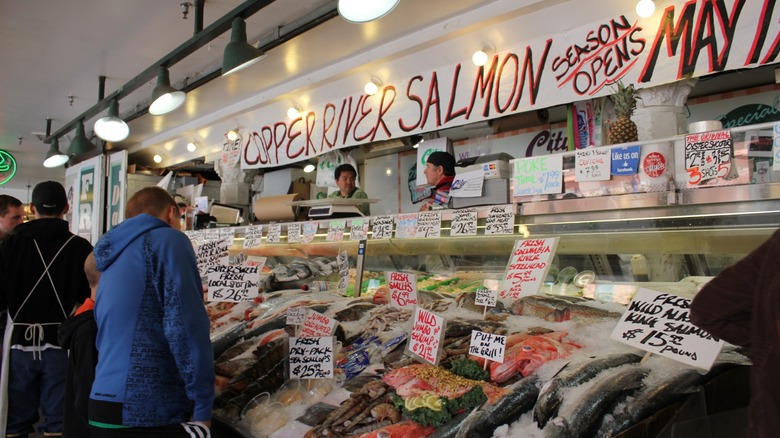
Fresh fish isn't a "special occasion" meal, but a standard part of the West Coast diet. Shellfish in the Pacific Northwest is a quarter-billion dollar industry, and salmon fishing is a massive part of that region's identity. While much of the United States has to become proficient at cooking frozen seafood, West Coast denizens have access to its deliciousness and nutritional benefits all year long. Who can picture Seattle without its world-famous Pike Place Fish Market, or forget San Diego's history as the Tuna Capital of the World?
Health culture ethos

What do vegetarian/vegan diets, the organic food movement, natural food co-ops, and the concept of environmental sustainability in eating all have in common? They were all popularized on the West Coast, especially in the 1970s when growing countercultural trends promoted holistic health that started in the kitchen. You could say that West Coast residents are just built different when it comes to pioneering and living lifestyles that are associated with healthier outcomes. Not for nothing, the most expensive grocery store in the U.S., which is known for its "luxury wellness" stock, is based in California.
The California Cuisine movement
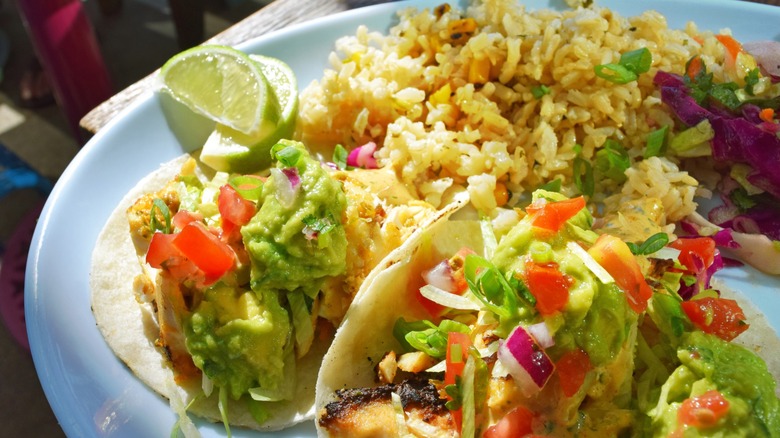
Fresh, simple ingredients sourced locally are central tenets of the California Cuisine movement, which had its origin in the 1970s as an American spinoff of French Nouvelle Cuisine, known for its lightness and emphasis on seasonal components. Julia Child, who loved Hellmann's mayo, was a vociferous critic of California Cuisine, but there's no denying the foothold it gained in West Coast food culture — an influence that lingers today. Farm-to-table eating and seasonal menus, which have built steam across the U.S., entered the lexicon in California and shaped the way many people eat on the Pacific Coast.