

Extend Your Vegetable Garden Harvest With This Essential Tip
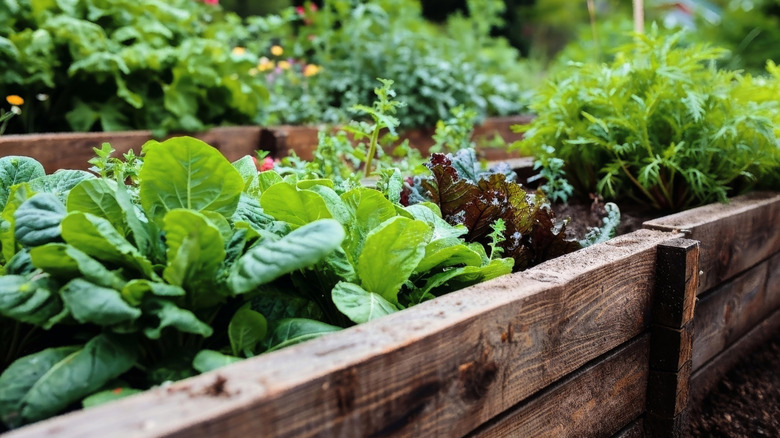
The typical growing season for gardeners across the United States changes, depending where they live. While the warmer southwest enjoys roughly 200 to 300 days of frost-free conditions, the season is barely half that in cooler northern regions, where it's around 90 to 150 days. Getting the most out of your zone's growing season can feel like a race against time, even if you plant fast-growing tomato species, but there are several ways to extend your vegetable garden's harvest. One of the simplest and most effective is to cover your crops, keeping them a little warmer for longer and nurturing those last, precious veggies to maturity.
If you haven't already got some stored in the shed, spending a few dollars on plastic row covers can help protect plants from the first frosts of late season. They can increase the temperature around your veggies by up to 4 degrees Fahrenheit compared to the air outside, though be sure to vent them on warmer days. You can even remove the covers completely during the day so pollinators can do their work, then pop them over your plants at night.
Setting up a cold frame is another great way to extend your growing season, especially when it comes to leafy greens that prefer cooler climes. However, make sure to use a thermometer to monitor the internal temperature. The cold frame should be closed if it drops below 45 degrees Fahrenheit and vented at over 50. Likewise, panes of glass resting on bricks or bales of hay can have a similar warming effect for plants, though this setup may not offer quite as much protection against icy winds.
Other ways to bring the heat and extend your veggie harvest
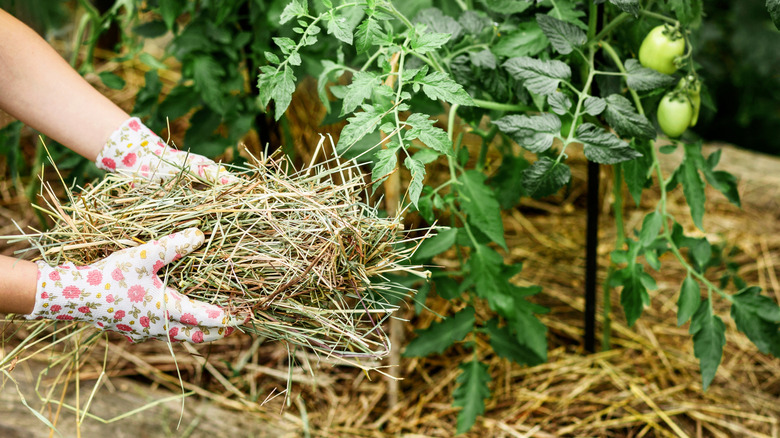
If you don't have row covers, a cold frame, or even a few old windows to hand, you're not out of options. Laying down a thick layer of mulch, around 10 to 12 inches, can help to warm the soil and enrich it, while insulating your plants' roots from harsh frosts. Mulch has the added benefit of being a bit more convenient than row covers, as it's easy to push aside and dig down to your veggies. Just make sure your garden hygiene is up to scratch and the mulch is free of diseased plants or debris.
Another neat trick is to find areas of your garden or property that already offer pockets of heat or shelter from cold winds, then maximize the heck out of them. A sun-trap patio is a great place to pop veggies in containers like one of these popular mobile planters. If your garden's on a slope, plants at the top are less likely to be affected by frosts, so even as the chillier months roll in, they could keep on producing vegetables after your summer crops have given up the ghost.