

9 Garden Hygiene Mistakes That Are Killing Your Vegetables
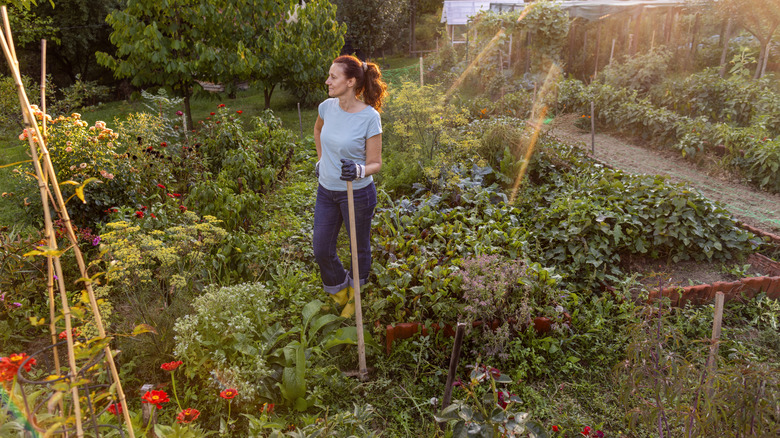
It takes a lot of work turning a patch of soil into a flourishing garden that supplies your kitchen with an array of fresh veggies. Some of it is good fun, like planting seeds and harvesting crops, while other parts require a bit more effort (we see you, endless weeding). Sure, there are plenty of old-school gardening hacks around that are super-effective, but all the blood, sweat, and tears could be for nothing if your garden hygiene isn't up to scratch.
For many people, garden maintenance probably brings to mind raking fallen leaves, a little light pruning (don't throw away your tomato suckers, as they're great for pest control), or picking vegetables to keep them coming. Yet there are several fundamentals that even seasoned enthusiasts might sidestep or ignore altogether, potentially putting not just one or two plants at risk but an entire season's yield. Pull up a chair and take note of the garden hygiene mistakes to avoid so your vegetables can survive and thrive.
Ignoring spotted leaves
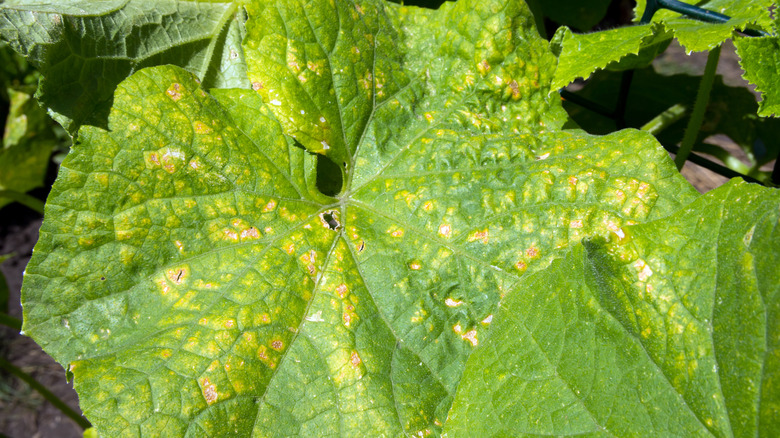
The road from sprouted seedling to armfuls of vegetables can be a long and bumpy one (unless you've planted some of these fast-growing tomatoes, perhaps), but nothing gets the alarm bells ringing like spotty leaves. There can be many reasons for their appearance, but one of the worst mistakes gardeners can make is to ignore them. Like the one kid who turns up sick at school and infects the rest of the class, a whole crop or section of your garden could become affected if you don't pay attention and remove potentially diseased leaves.
Throwing diseased leaves, plants or veggies into your compost
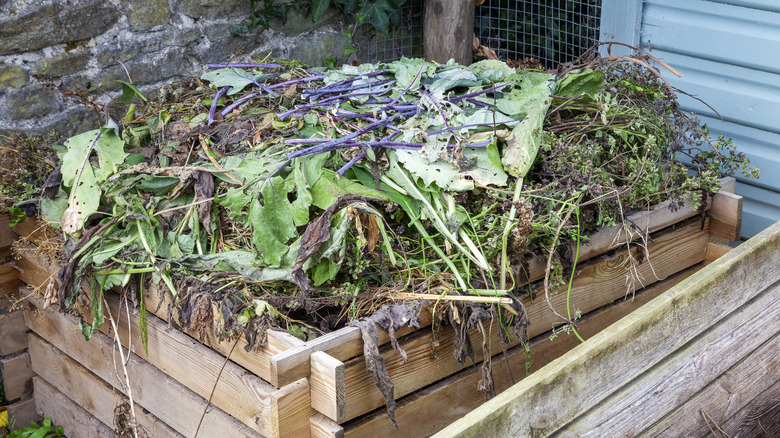
Hopefully, once a few spotted leaves are removed, your plant will go on to thrive. If it doesn't, you need to remove said veggie quickly to minimize spread. However, never be tempted to throw any diseased leaves or other plant bits into your compost. Unless you're certain temperatures inside will reach the 131 to 149 degrees Fahrenheit needed to kill bacteria (apart from the beneficial ones), you're sending them to the horticultural equivalent of a 5-star hotel, where they'll happily stay until they're put back in your soil.
Planting in dirty seed trays and pots
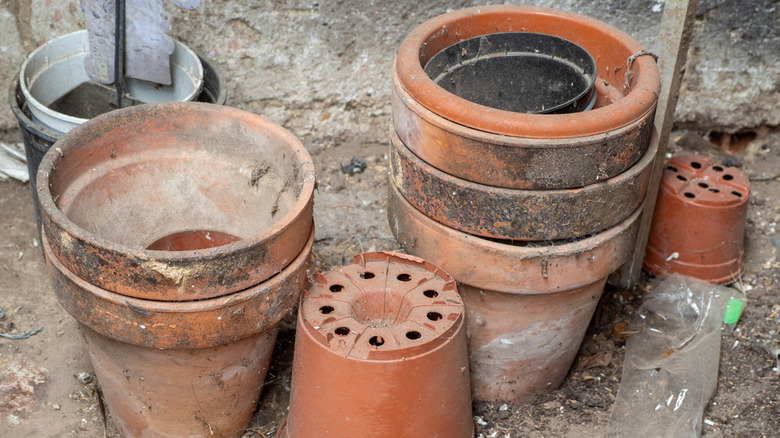
Few of us would eat from a dirty plate. If the thought of that makes you go "eew!," then why would you plant new seeds in begrimed trays and pots? Unless you're using this egg carton hack, residues left in last year's containers could be home to all kinds of nasties waiting to infect your seeds before they even make it into the ground or hitch a ride with seedlings when they are planted. Instead, grab those old pots, including the bucket you used to grow potatoes, fill them with warm, soapy water, and give everything a hearty scrub.
Overcrowding your plot
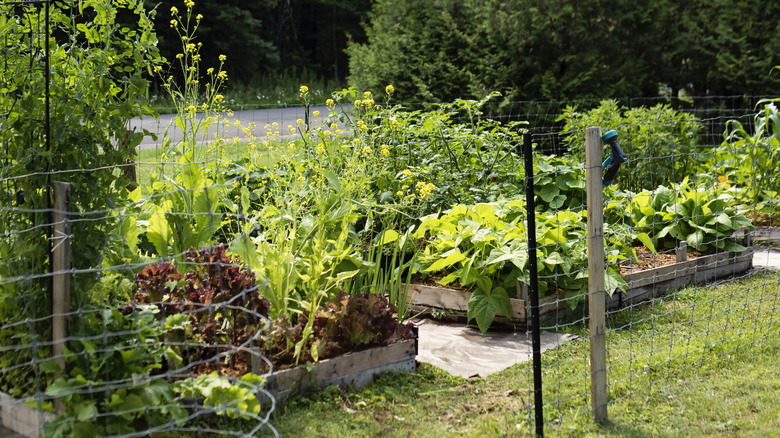
One of the most common garden hygiene mistakes green-thumbed enthusiasts can make is to pack their plots with vegetables. While some of them may be herbs used to deter pests, overcrowding can be fundamentally bad for your garden. A lack of access to light combined with poor or restricted airflow around your plants can increase the risk of disease, especially by enabling its spread. Plant smartly, keep weeds to a minimum, and stay on top of clearing debris to keep your plot clean and healthy.
Working in a wet garden
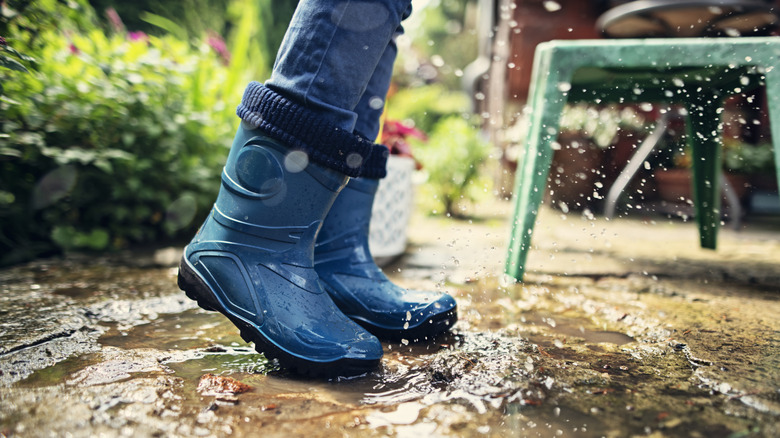
We've previously highlighted the soaker hose watering method to keep your tomatoes in tip-top condition, which helps to highlight the fact that water can be a villain in the garden as well as a hero. Pottering around your plot after it has rained might be tempting, but it can facilitate the spread of disease. Moist spores can stick to clothes and are easily transferred to plants as you brush against them. Work when the conditions are dry to limit the chances of damage from diseases like blight.
Reusing untreated soil
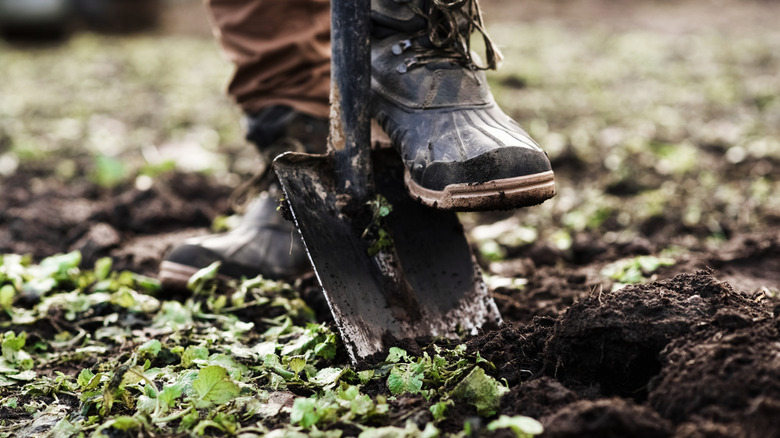
Many gardeners spend time caring for their soil throughout the growing season. But, just as planting in dirty pots should make our hair stand on end, reusing untreated soil year after year can be a recipe for disaster. Before the new season, give your soil a good clean, which means getting rid of all the old roots and any remnants of rotten veggies. Then, add in some quality organic matter such as cow manure. Add a scattering of compost to bring good microbes and hopefully get rid of any lurking nasties, and cover the lot with straw or other mulch for a couple of days to lock in moisture.
Using unsanitized gardening tools
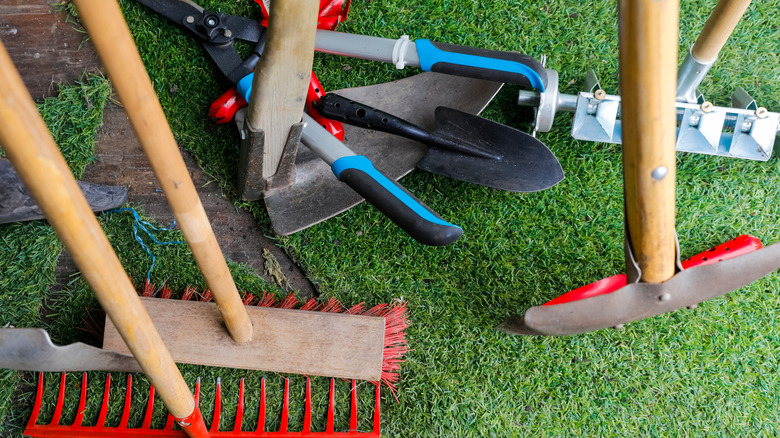
We had fun spotlighting the best gardening tools at Dollar Tree, but they lead us to one of the biggest issues lurking in the garden shed. How many of us clean our gardening tools? I will scrape my shovel if it's muddy, but apart from that ... nada. Turns out that can be a massive mistake. Everything from pruning shears to your trusty wheelbarrow should be regularly and thoroughly disinfected, either with rubbing alcohol or a weak bleach solution, to limit the spread of bacteria and keep your veggies disease-free.
When did you last clean your garden gloves?
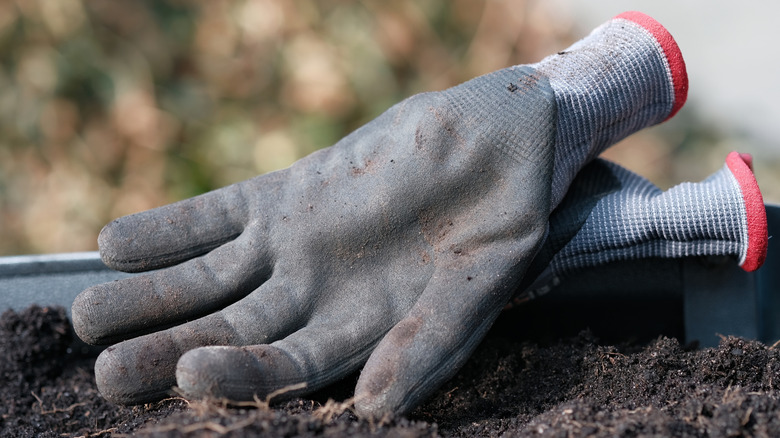
Many people wear gloves to protect themselves from scratches or anything lurking in the soil, but we'd bet dollars to donuts that only a fraction of them ever give those gloves a jolly good clean. Garden gloves can be a cozy home for bacteria and pest eggs, and you could be slathering them all over your freshly cleaned tools. To prevent that, take your crusty gloves and wash them in hot water and detergent every couple of weeks or so.
Avoiding spring-cleaning greenhouses
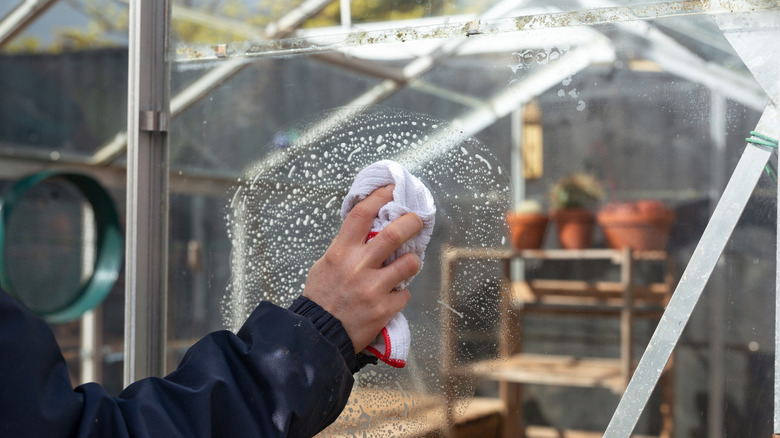
A greenhouse, polytunnel, or cold frame can be a lifesaver for gardeners in colder zones or to give seedlings a kick start at the beginning of the growing season. But even the most fastidious gardeners who keep their tools spotless may still forget to clean these spaces. Yet they are magnets for a laundry list of problems, from slugs and aphid eggs to mildew and spider mites. A deep clean will stop them all in their tracks.