

Zinc Is An Essential Nutrient In Your Diet: These 9 Foods Have The Most
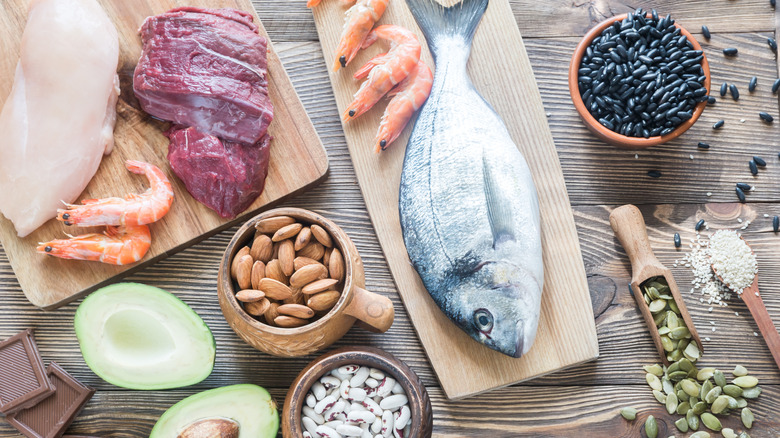
Foodies rely on their senses of taste and smell to cook and enjoy a wealth of dishes. But without zinc, their world would lack flavor, and oodles of delicious aromas would pass them by. Dietary zinc is crucial for our bodies — and not just when we eat. This trace mineral plays a major role in everything from insulin and testosterone production, to bone growth, wound healing, and our immune system. The recommended daily intake for adults over the age of 19 is 8 milligrams for women and 11 milligrams for men, which isn't much, but some people still struggle to reach those figures.
Symptoms of zinc deficiency include our senses of smell and taste being impacted, as well as hair loss, a dip in energy levels and, particularly in children, diarrhea. Luckily, there are plenty of everyday foods containing zinc. How many of these can you add to your weekly dinners to boost your family's zinc intake?
Oysters

Top of the zinc pops is oysters. Eaten raw, 3 ounces will provide a little over 32 milligrams, while breaded and fried versions contain a whopping 74 milligrams according to the USDA. Even canned oysters are good for you, though watch out for their sodium levels. Once you've chomped your way through several types of oysters, you can boost your zinc intake with other shellfish, including blue crab and America's favorite: shrimp.
Lean beef
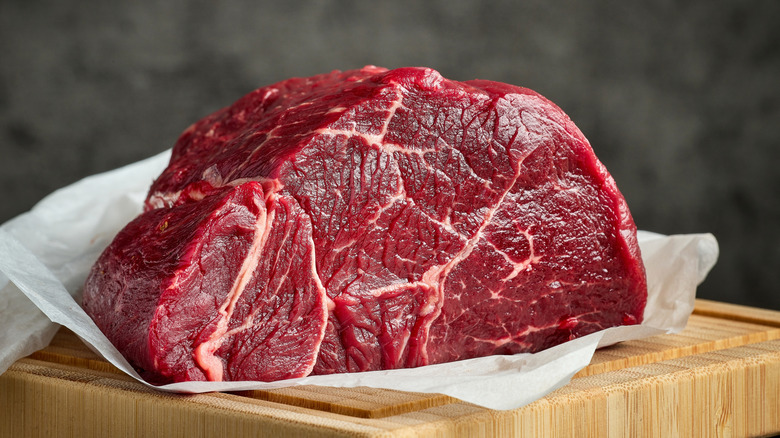
There are lots of ways to cook different cuts of beef, and while the leaner cuts can be more challenging, they've got more zinc. Trimmed of all fat, a braised 3-ounce cut of short ribs, chuck, or boneless beef will deliver more than 10 milligrams of zinc, while a cooked flat half of brisket with no fat serves up a shade under 7 milligrams. Next time you fancy homemade burgers, use extra lean chuck and you can tick off your daily zinc requirement!
Adzuki beans
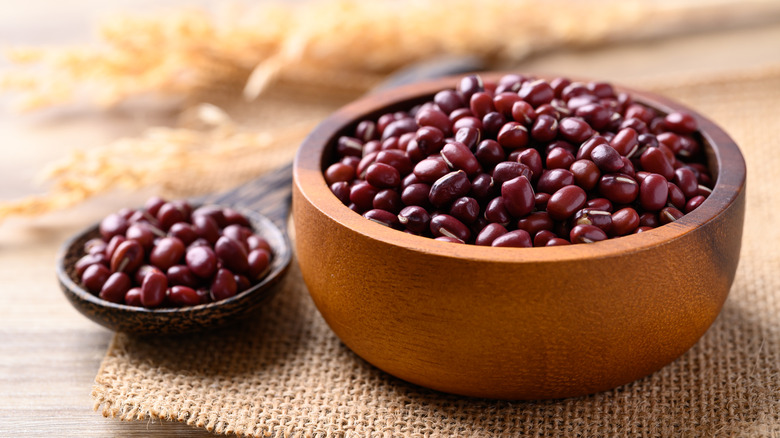
Japanese food devotees will be familiar with adzuki beans which, when raw, contain almost 10 milligrams of zinc per cup. Many beans and members of the legume family also contain healthy amounts of zinc but ironically, they're also rich in phytates. These are dubbed "antinutrients", because they prevent our bodies from absorbing the zinc in foods. Soaking beans before cooking them, and eating a balanced diet is a good way to offset that potential problem.
Hard-boiled eggs
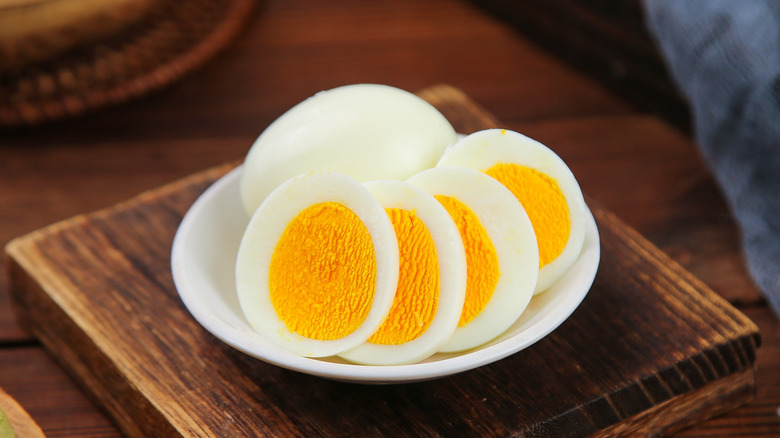
We love this nifty gadget for cooking hard-boiled eggs, and now we've got an excuse to eat more of them. A single hard-boiled egg contains just over 1 milligram of zinc, so you can tell the tribe your next batch of deviled eggs won't just be delicious, it will be good for them! If you don't have an Instant Pot, panic not: we've got a foolproof way to tell if your eggs are done or not.
Pumpkin seeds
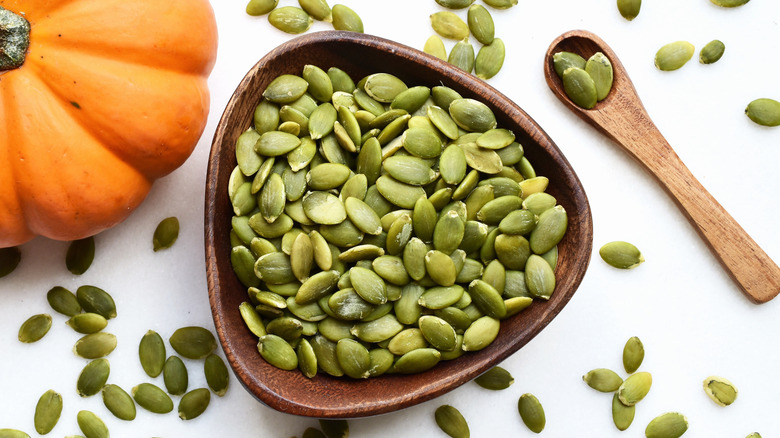
It can be a bit of a faff cleaning pumpkin seeds before roasting them but it's definitely worth it. A single cup of these little guys has a fraction over 9 milligrams of zinc, and they taste amazing! In fact many seeds are zinc heavy-hitters. A cup of toasted sunflower seeds has just over 7 milligrams while 100 grams of chia seeds sends 4.5 milligrams of zinc your body's way. Sprinkle those over your morning yogurt or oatmeal and you're well on the way to your daily recommended amount.
Cow's milk
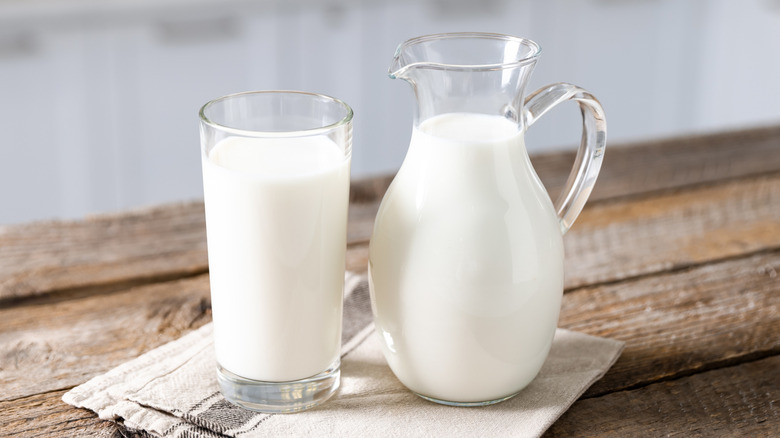
There are lots of alternatives to cow's milk out there, but there are two good reasons to stick to this dairy product if you can. First, a cup of non-fat milk contains 1.1 milligrams of zinc, which is not to be sniffed at when we're enjoying a bowl of breakfast cereal. Second, cow's milk contains elements that increase our bodies' absorption of zinc, so if you eat a lot of phytate-rich beans and pulses, drink a glass of milk at the same time to get all the nutritional benefits.
Wheatgerm
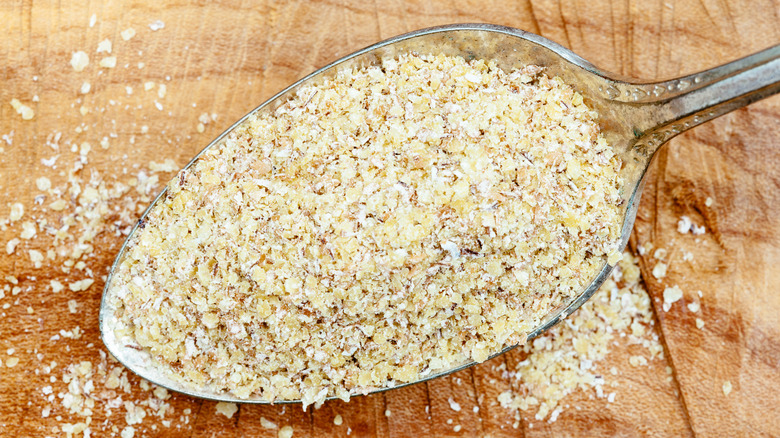
Love a bowl of granola or whole grain breakfast cereal in the morning? You're getting a zinc boost, thanks to the wheatgerm they contain. A 100-gram serving of breakfast cereals with wheatgerm delivers between 14 to 16.6 milligrams of zinc. Not only is it a tasty way to start the day, it ticks the box of your zinc needs. That said, it's recommended not to have more than 40 milligrams per day, so it's worth keeping an eye on what you're eating!
Organ meats

They're not top of everyone's menu (remember seeing liver on the school dinner menu?) but organ meats really do punch above their weight, and are one of the best delivery devices for zinc. Calves liver is the best, providing 12 milligrams for every 100 grams, while pork liver has a not-to-be-sniffed-at 7 milligrams. If that doesn't persuade you to put a homemade paté on the table, remember: organ meats are a great source of protein and are crammed with iron and lots of key vitamins.
Dark chocolate

In 2025, Aldi shoppers went bonkers for one of the store's dark chocolate bars. Little did they know they were giving their zinc levels a filip, as well as their tastebuds a treat! A 100-gram serving of dark chocolate provides 3.3 milligrams of zinc — not to mention a goodly dose of magnesium and iron. That's three great reasons to chow down on a square or five if ever we heard them.