

10 Foods With More Vitamin A Than Milk
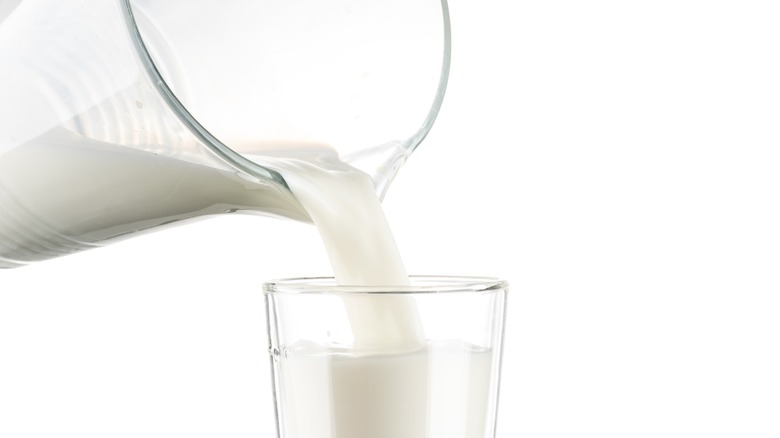
We love whole milk, whether it's in breakfast cereals, stirred into soups, or even drunk cold as a quaff on a warm day. Milk is high on seemingly everyone's shopping list, which is part of the reason why it's kept at the back of the supermarket. And, yet, when it comes to the quest for more vitamin A in your diet, milk is not the be-all and end-all that you might assume.
Vitamin A is considered an essential micronutrient, which means that you need it in your body and your body can't make it alone. For that reason, you need to consume it in foods. Vitamin A supports good vision, surface cell replacement, infection resistance, and several other critical bodily functions. The amount of vitamin A needed varies by biological sex and age, and is usually expressed in one of two ways: micrograms of retinol, or micrograms of retinol equivalents (REs). Only animal products contain retinol, or "true" vitamin A; some plant matter contains REs, or carotenoids, which are roughly equivalent. Note that some people can't properly process REs at full efficiency. Consuming oil alongside your vitamin A-containing foods is recommended since this micronutrient is fat-soluble.
One cup of whole cow's milk contains 78 micrograms of retinol, which is approximately 9% of your daily value. This makes it a solid choice, but you can do even better. The following foods are nutritional powerhouses of vitamin A, and should be part of your well-rounded diet for healthy functioning.
Beef liver
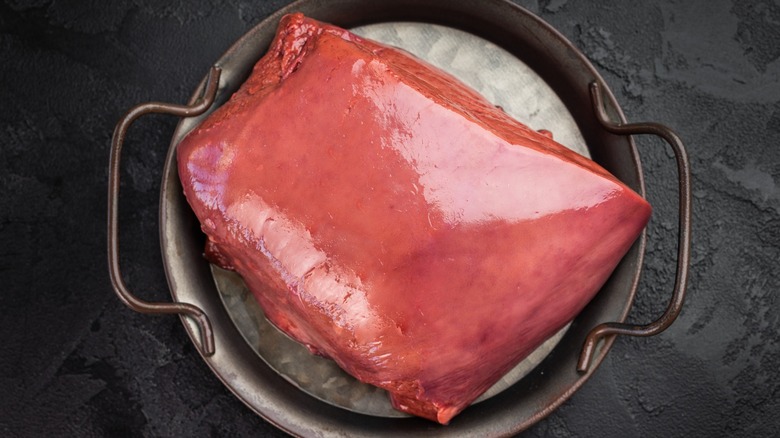
Beef liver isn't just a retro school lunch we forgot; it's a nutritious food with much more appeal than its former reputation lets on. In the 2020s, health influencers are rediscovering the benefits of liver, including its rich vitamin A content: 7,740 micrograms of vitamin A per 3.5 cooked ounces, or 860% of the recommended daily value. Liver is still a polarizing food, no matter how many nutritional bonafides its racks up. One great way to include it in picky eaters' diets is to grind it and mix it with other ground meats in burgers, chili, and/or stews.
Sweet potato
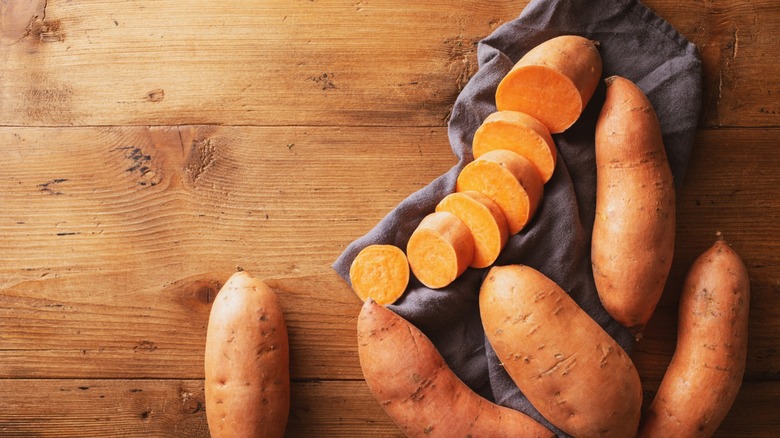
Cooked sweet potatoes are delicious and nutritious, especially when it comes to vitamin A: these orange tubers contain 1,920 micrograms of REs in one cooked cup, or 213% of your daily value. Whether you boil 'em, bake 'em, or stick 'em in a pie, you'll be nourishing your body when you consume sweet potatoes. Keep in mind that there's a difference between ube and purple sweet potato, and this applies to vitamin A as well – ube contains less than its sweet potato brethren.
Butter
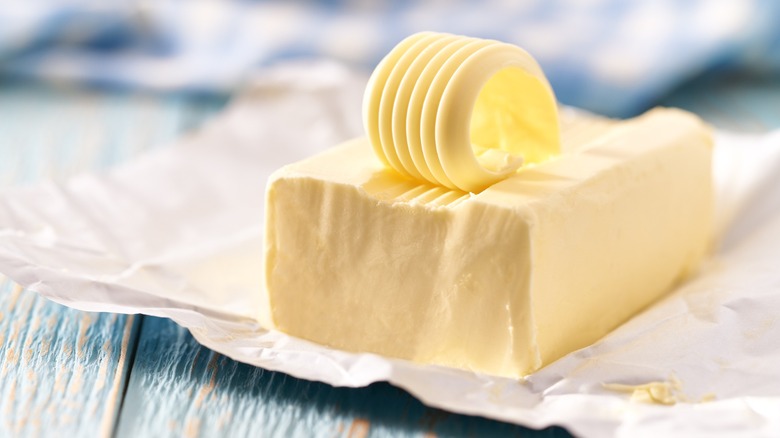
We're not about labeling foods "good" or "bad," and we think it's fair to say that butter's fine name has been maligned as a junk food for far too long. Butter (in moderation!) has numerous health benefits, including a healthy dose of retinol: 97 micrograms per tablespoon, or 11% of your daily value. That's not a ton more than whole milk, but it's a denser package that's easier to consume.
Butternut squash
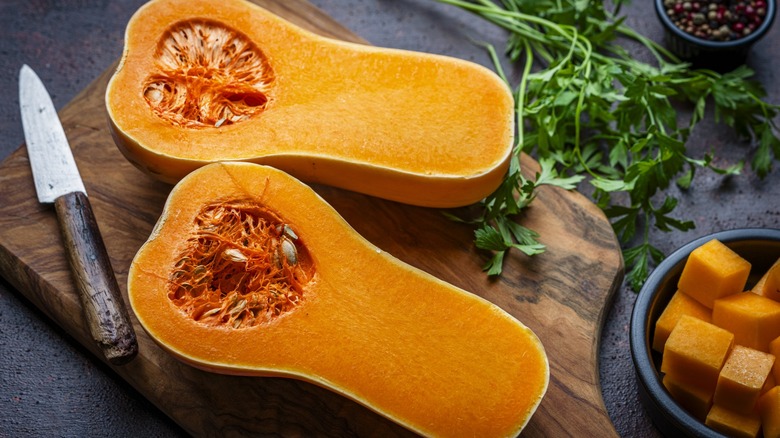
Whether we're roasting butternut squash or looking up the best toppings for squash soup, we love consuming this fleshy gourd. Butternut squash boasts lots of nutritional benefits like fiber and folate while being low-cal and gluten-free, but we love its vitamin A content. One cooked cup contains 127% of the daily value, or 1,140 micrograms retinol equivalents. If you have a family history of cataracts or macular degeneration, you might load up on butternut squash for your eye health.
Bluefin tuna
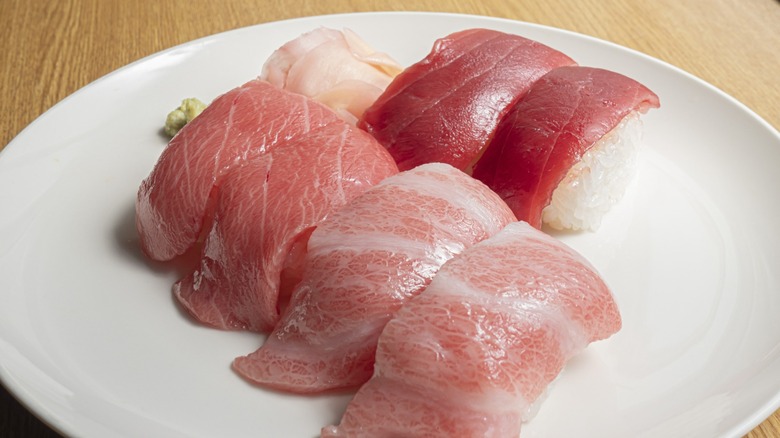
Bluefin tuna is often eaten in whole filets or raw in sushi. Some gourmands have even gone on record as saying this precious catch is better than steak! Fatty, delicious bluefin isn't just an indulgence; it's also high in vitamin A to the tune of 757 micrograms (84% of daily value) per 3.5-ounce serving. Eating well doesn't always need to be a drudgery, and this is fully evident with the inclusion of a luxurious nosh like bluefish tuna on our list.
Carrots
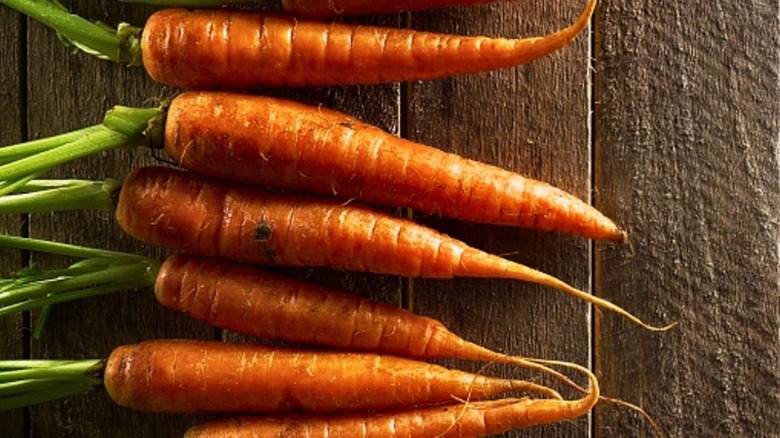
We think carrots are one of the most versatile veggies. You can lean savory with them, cooking them with garlic and butter for umami deliciousness, or you can lean sweet, like a classic Jewish Rosh Hashanah carrot dish. Carrots spark our culinary creativity while also beefing up our vitamin A intake. One cup of cooked carrots provides 1,280 micrograms of retinol equivalents or 142% of the daily value. Cooking your carrots in a little olive oil is a big-brain move since the good fats help promote vitamin A's fat solubility.
King mackarel
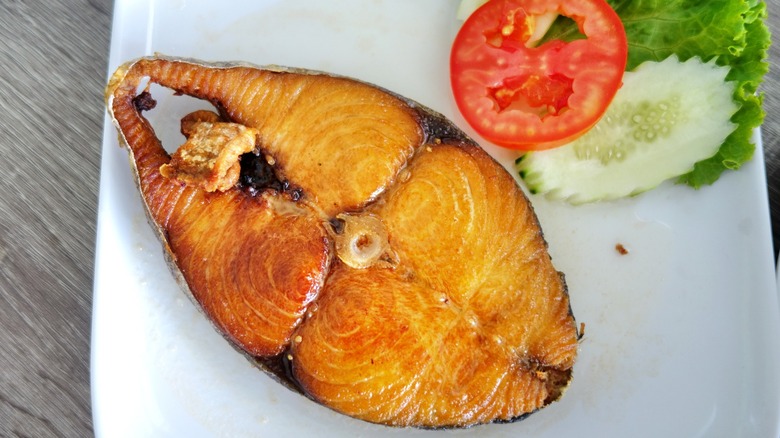
King mackarel, also called kingfish, is larger and more aggressive than Spanish mackarel, like you might eat smoked. Knowing how to cook frozen seafood is a skill that every home chef should know, but those who live close to the Gulf can enjoy the benefits of fresh-caught king mackarel, along with its vitamin A load: 252 micrograms of retinol in 3.5 cooked ounces, or 28% of your daily value. Like Spanish mackarel, king mackarel is dark and oily, which makes it unpalatable to some more timid seafood eaters, but a fresh catch can be a real (reel?) treat.
Spinach
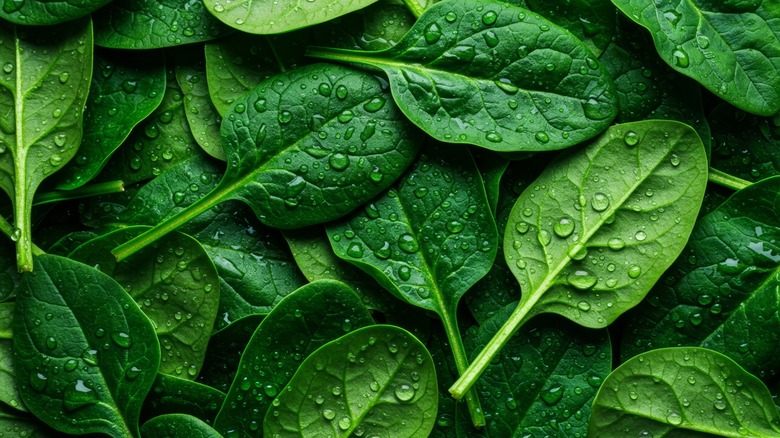
The association of leafy, green spinach with cartoon character Popeye might well be based on myths and inaccuracies, but one thing is for certain: spinach is rich in vitamin A. One cup of cooked spinach contains 105% of your daily value of retinol equivalents, or 943 micrograms. If you aren't storing spinach in your salad spinner, you might be doing things wrong, but we don't think there's an incorrect way to cook this delicious veggie.
Liverwurst
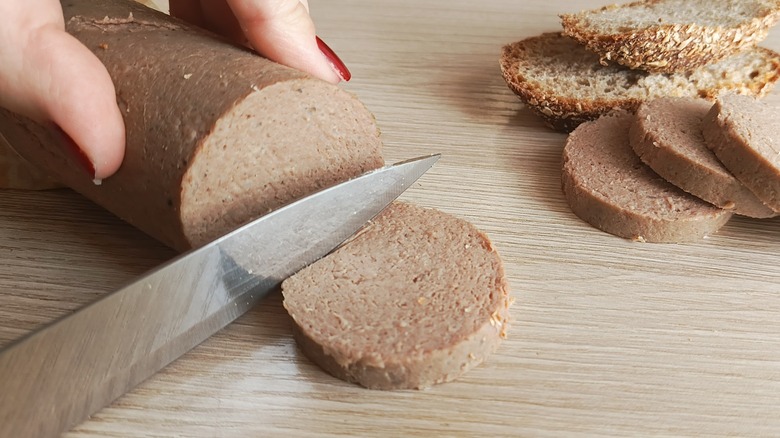
Bring all your best sausage cooking tips to the table for a nourishing dish made with liverwurst, also known as liver sausage. The vast differences in styles of liverwurst mean that it can be soft and spreadable or harder and served in slices. Either way, it makes a killer sandwich! A 3.5-ounce serving of liverwurst contains a whopping 8,310 micrograms of retinol, or 923% of your daily value — more than beef liver by itself! Served with some great pickles and a spicy mustard, we think you'll agree that this "wurst" is the absolute best!
Sweet red pepper
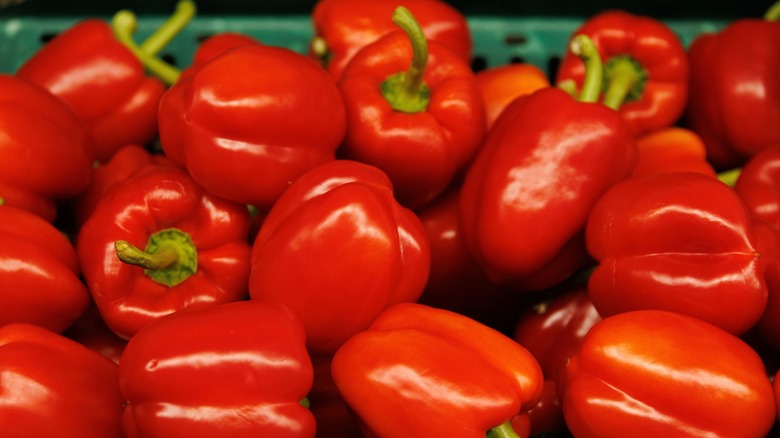
We've covered the best fertilizer for growing peppers, but not so much the fact that peppers are nutritionally dense and good for you. In particular, sweet red peppers are a great source of carotenoids, containing 257 micrograms of retinol equivalents, or 29% of the daily value. Their bright, punchy color is a dead giveaway, as reddish fruits and vegetables are associated with beta-carotenoids. Slice these peppers up and dip them in some hummus for a delicious, refreshing snack that fills your tank in more ways than one.