

13 Foods With More Antioxidants Than Blueberries
We may receive a commission on purchases made from links.
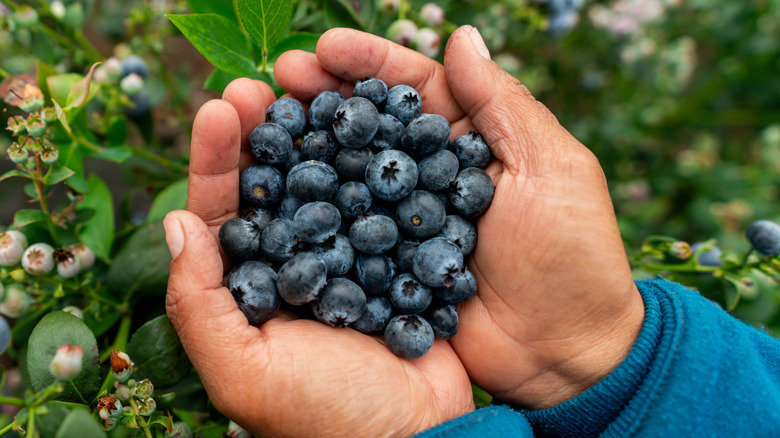
Poor Benny Blanco. When the star dropped a video to show off the roughly $200 box of enormous blueberries he'd been sent, he kicked off a huge debate about the cost. But he also showed just how much we leurve blueberries. On average, some sources estimate that Americans eat almost 3 pounds of them per person a year. That includes putting 'em in muffins, scattering 'em in our breakfast (they're a high-fiber food and help us feel fuller for longer), and tumbling 'em over pancakes. Yet, while many of us are aware they're one of the healthiest foods around, they're not necessarily the only ones bringing in serious antioxidant levels. They may not even be the highest.
Blanco's monsters notwithstanding, blueberries may be tiny, but they are definitely mighty. They are loaded with antioxidants, a group of enzymes that protect our cells from damage. According to the USDA's Oxygen Radical Absorbance Capacity measurement, 100 grams of raw blueberries achieve a score of 6,552 micromole Trolox equivalents — written as μmol. While that's pretty impressive, there are a bunch of foods that blow blueberries (even Benny's big ones) out of the water in the antioxidant stakes.
Spices
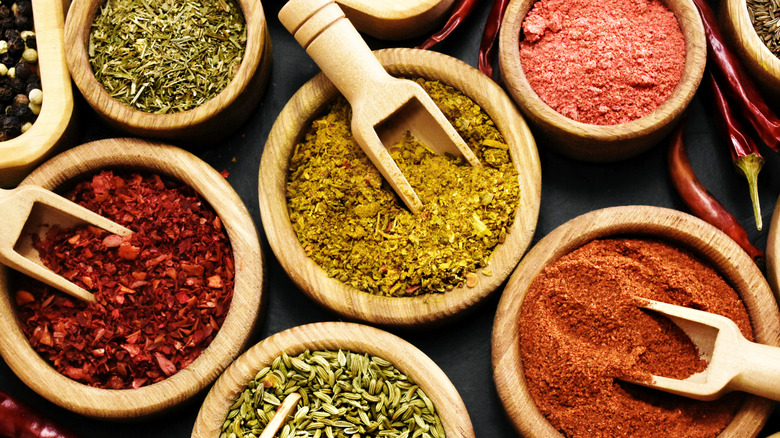
My first port of call to give a dish pizzazz is always the spice rack, but spices aren't just good at adding flavor. Several of them are also outstanding sources of antioxidants. Cloves, both whole and ground, rack up a jaw-dropping 314,446 μmol per 100 grams. Before you start trawling your cookbooks for what to do with them apart from studding a ham, we're not done. Cinnamon provides 267,536 μmol, turmeric has 159,277, and chili powder delivers a none-too-shabby 23,636!
Black diamond plums
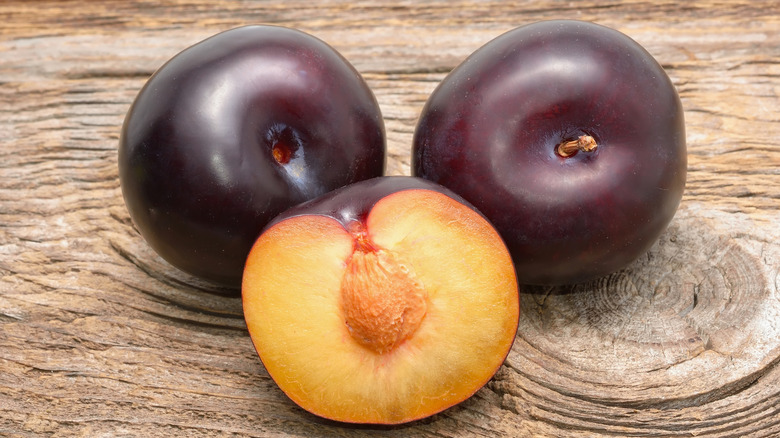
Stone fruit season is one of my faves. I love sinking my teeth into a juicy, ripe plum or using some as the base of an oaty, sweet crumble for the fam. There are more than 140 different kinds of plum available in the United States, but if it's antioxidants you want, look no further than a fresh black diamond plum. Be sure to eat the flesh and the skin (that's where the fiber's at) to get as much of its 7,581 μmol of antioxidants as you can.
Chocolate
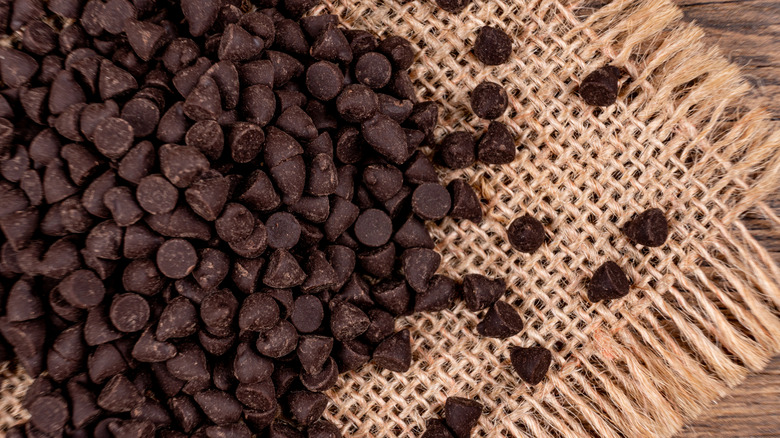
Next time you fancy whipping up a batch of chocolate-dipped strawberries from your latest harvest, make sure you've got some unsweetened baking chocolate in the pantry and use that. As well as pairing beautifully with that sweet, sharp fruit, you'll get a whopping 49,926 μmol of antioxidants. Dark and semi-sweet candies are good sources too, serving up 20,823 μmol and 18,053 μmol respectively, and even milk chocolate ones have 7,528 μmol (though you may wish to consider the sugar content, too). Happy days for everyone with a sweet tooth!
Nuts
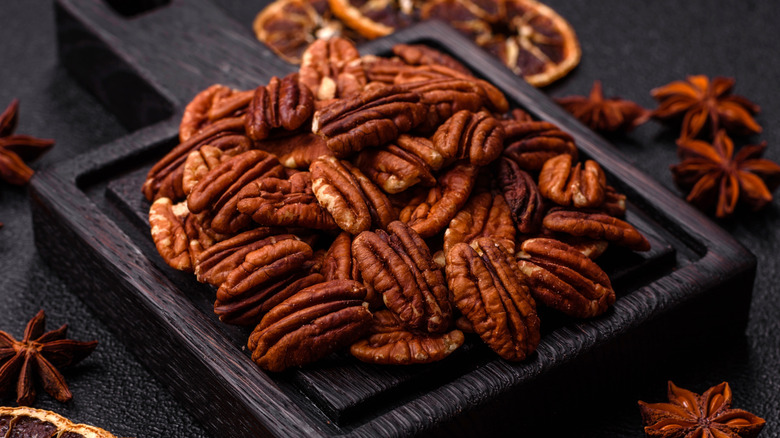
Pecans are a key ingredient in our mouthwatering, brunch-worthy French toast recipe, but if you need to justify the indulgent treat, remind yourself 100 grams of these nuts have 17940 μmol of antioxidants. They're not the only ones packing an antioxidant punch, either. Walnuts serve up 13,541 μmol, hazelnuts provide 9,645, and if pistachios are your preferred snack, 100 grams will give you 7,983 μmol.
Cranberries
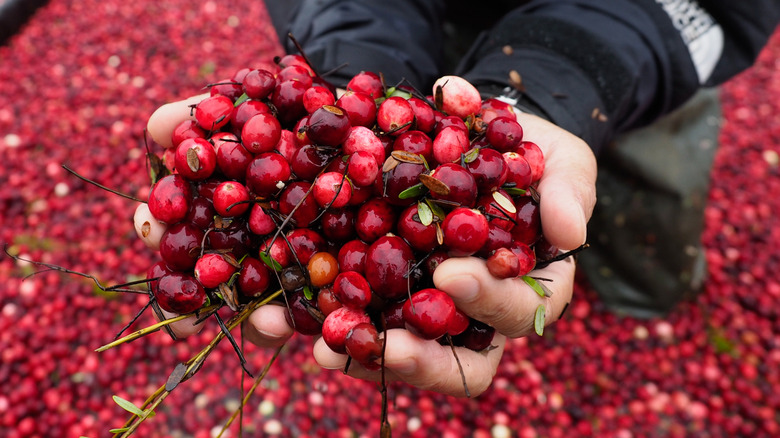
Cranberry bogs are not the new "Fear Factor," no matter what internet rumors about spiders and suchlike claim. However, for anyone looking to up their antioxidant intake, this tart red fruit is the way to go. A 100-gram serving of raw cranberries has 9,584 μmol of the enzymes, and if that's not an excuse to whip up a batch of this compound butter recipe outside of Thanksgiving, we don't know what is.
Blackcurrants
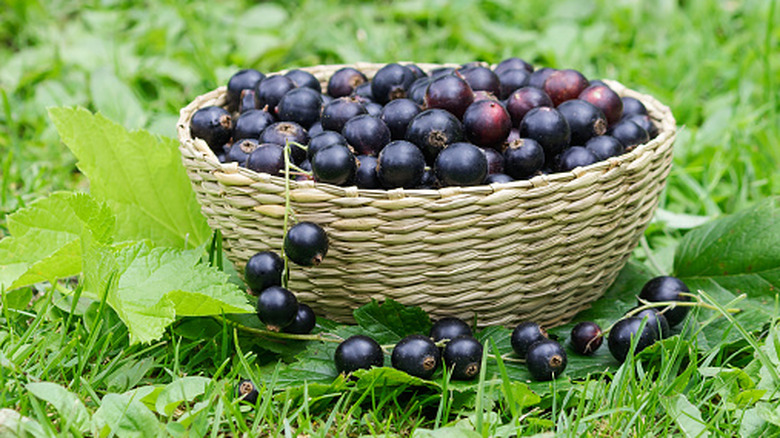
As a kid, I would theoretically crawl over hot coals for a glass of my favorite blackcurrant concentrate if I couldn't get my hands on the actual berries in my grandad's garden. Thankfully, the United States' nonsensical ban on these delicious fruits was lifted in 1966, and today millions of people can enjoy them as much as I do. Just like blueberries, blackcurrants are great sources of antioxidants, particularly vitamin C, packing a hefty 7,960 μmol per 100 grams.
Chokeberries
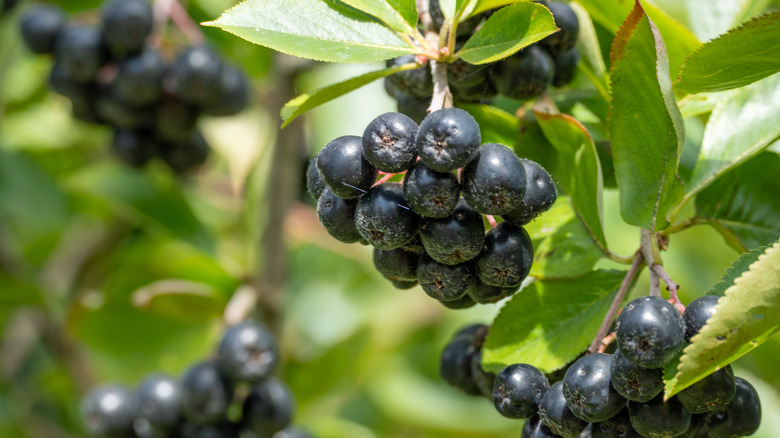
Also known by the rather more elegant name of aronia berries, these dark blue fruits are often turned into jellies and jams, thanks to their robust mouth-drying characteristic. Their dark-blue color means they're full of anthocyanins, but they're also packed with polyphenols, giving them 16,062 μmol on the Oxygen Radical Absorbance Capacity scale. Excitingly, studies have suggested that chokeberry extracts may have benefits for breast and pancreatic cancer patients.
Ginger
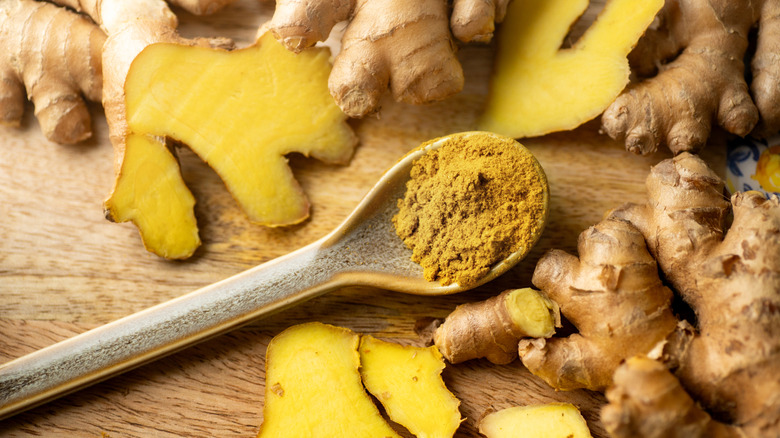
Fresh ginger is a fragrant, fiery way to introduce a world of flavor into food, from Asian-inspired recipes to comforting cakes. I buy big roots and use this method to store them so they stay good and fresh, but taste isn't the only reason I love raw ginger. It's also a good source of antioxidants, packing a hefty 14,840 μmol per 100 grams. Not bad, but it's left in the dust by powdered ginger, which clocks in at 28,811 μmol.
Lentils
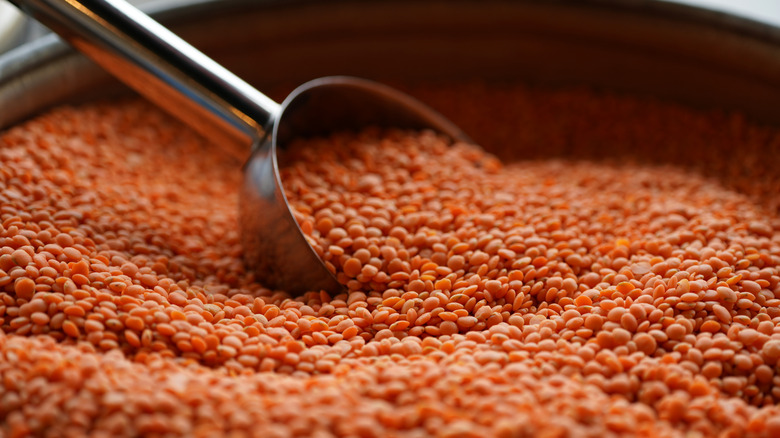
Dua Lipa loves a lentil, as she told the Dish podcast. So does Reese Witherspoon, who cooked them in a soup on Insta, and they were in Pamela Anderson's Moroccan anti-inflammatory soup, featured in her 2024 cookbook "I Love You: Recipes from the Heart." If you're not on the lentil train, now's the time to get on it! As well as being a good source of fiber, 100 grams of raw lentils will boost your antioxidant levels thanks to their handy 7,282 μmol. Pam knew it. Now you do too.
Cocoa powder
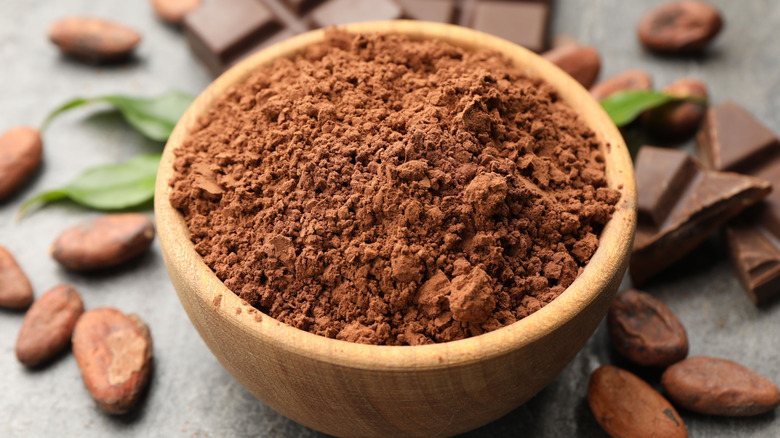
There are some things we never run out of. Coffee, butter, and rice are among our everyday staples, but there is always a box of cocoa powder somewhere in the kitchen, too. You never know when you'll need an emergency chocolate cake or want to stir richness into a chili, for instance. Luckily for us, cocoa powder is loaded with antioxidants, at 80,933 μmol per 100 grams. If you prefer the Dutched kind, it provides less but still packs a punch at 40,200 μmol.
Beans
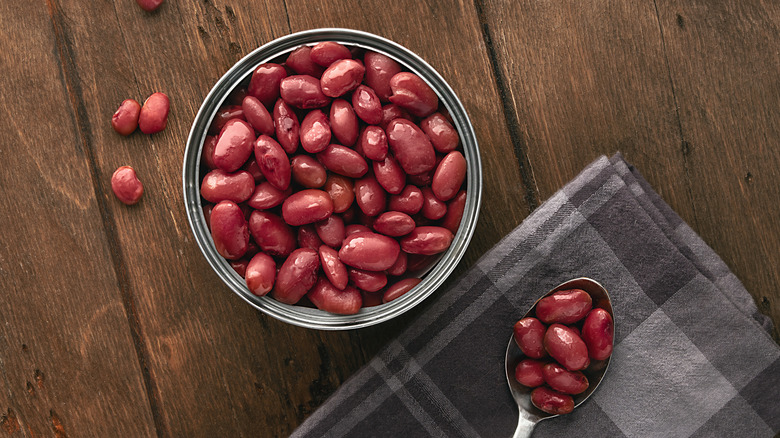
Adding beans to pasta is a quick 'n' easy way to up your protein intake, but this versatile and tasty ingredient will up your antioxidant levels, too. Red kidney beans outstrip blueberries the most, providing 8,459 μmol for every 100 grams, closely followed by black beans at 8,040 μmol. If you're a pinto bean devotee, have we got good news for you! A 100-gram serving contains a respectable 7,779 μmol.
Fresh herbs
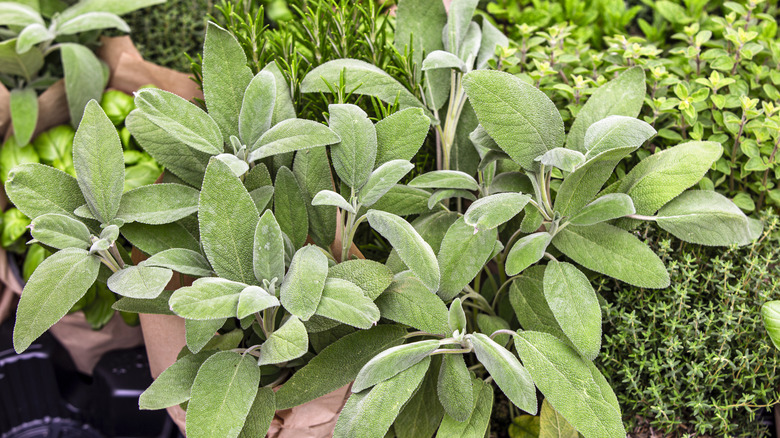
You can absolutely use most dried and fresh herbs interchangeably, but if you're keen to add more antioxidants to your diet, the latter is definitely the way to go. Fresh sage tops the list, with 32,004 μmol, followed by thyme at 27,426, a squeak ahead of marjoram at 27,297 μmol. Fresh oregano and peppermint clock in at 13,970 μmol and 13,978 μmol respectively, while tarragon will provide 15,542 μmol of antioxidants, and fresh savory 9465 μmol.
Elderberries
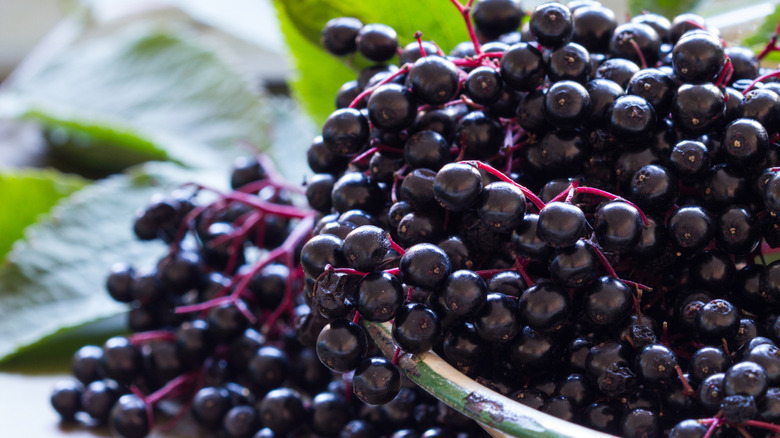
I love late summer and early autumn where I am, when the hedgerows are laden with bunches of almost black elderberries that I can snip off. Some of them get turned into jam, but others I tumble over indulgent bowls of good vanilla ice cream. It's not just the ultimate sweet-and-sour combo; it's a boost of antioxidants that makes blueberries look like amateurs. A 100-gram portion of elderberries serves up 14,697 μmol, not to mention a zingy taste of fall.
Sorghum bran
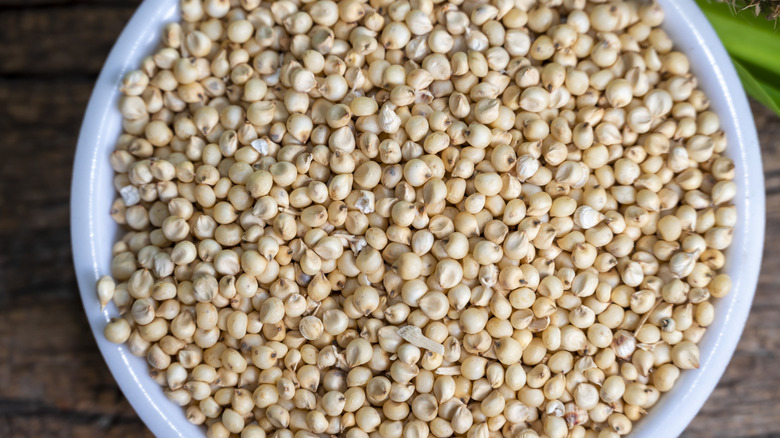
People who eat a plant-based diet or who are sensitive to gluten may already be familiar with sorghum bran, milled from the grain of the same name. As well as making delicious bread, the high-tannin form of sorghum bran is a phenomenal source of antioxidants, providing 240,000 μmol for every 100 grams. Although wheat bran doesn't feature on the USDA ORAC list, rice bran does and offers a solid 24,287 μmol. If you're a baker and want to step outside your wheat-based comfort zone, here's your sign!