

15 Foods With More Sugar Than You May Have Realized
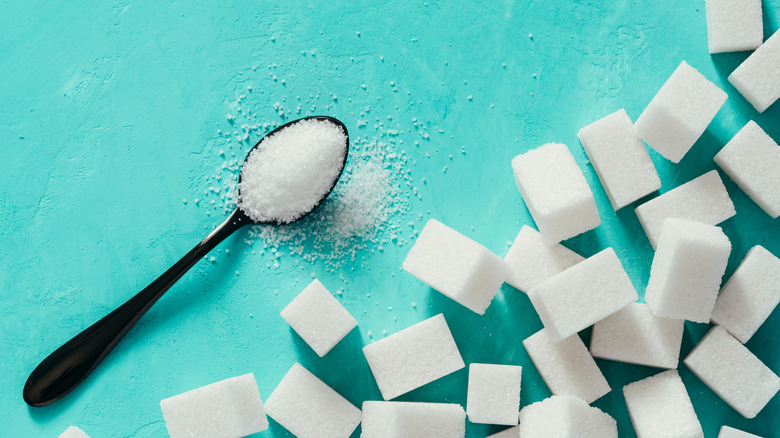
In 2025, I found out I had type 2 diabetes. The condition affects around one in eight Americans and in my case was the result of an intense, decades-long love affair with refined sugar. It was the absolute epicenter of my food world, most often delivered in the form of my favorite three "c's": Cookies, cakes, or chocolate, and severing those ties is an ongoing process. Although I'm still learning to love apples and not demand a taste test to determine the difference between angel food and sponge cakes, avoiding less obvious sources of sugar is proving easier said than done.
We all know that condiments like ketchup and mayo can be bursting with added sugars (though there are plenty of low-sugar alternatives), likewise jarred sauces — they're the reason I learned to make several substitutions for marinara sauce. But not all foods are such high-profile delivery devices for sugar and, as I've discovered from looking at many, many labels, some are genuinely surprising. Which ones from our list are currently sitting in your fridge or pantry?
Protein bars
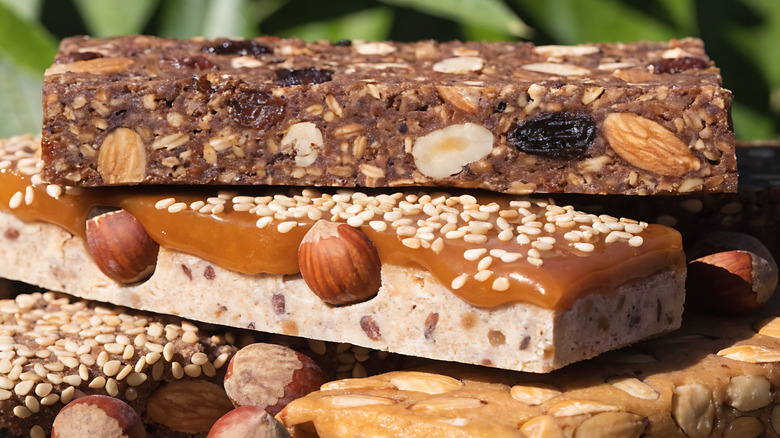
They're bought for the kids but I loves me a protein bar, especially if they have peanuts and bits of chocolate. Unfortunately, some of them stray more into candy bar territory than something that's nutritious, thanks to sneaky extra sugars. Experts recommend buying products that have less than 8 grams of additional sugar combined with a minimum of 10 grams of protein for maximum nutritional benefits.
Kombucha
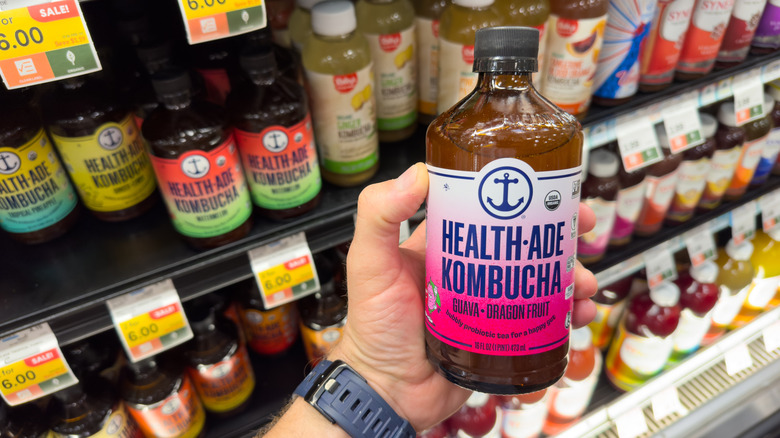
This fermented tea has gone from a niche drink to a tipple for millions in the United States. It's led to a tidal wave of kombucha products, though not all are created equal. Kombucha is made from sugar, as it feeds the yeast at its heart. In well-fermented kinds, very little of it remains, so the sugar levels are low compared to sodas or juices. However, some brands increase the sweetness after fermentation. Check the label for indications of added sugar, or if stevia (which doesn't affect blood sugar) has been used.
Yogurt
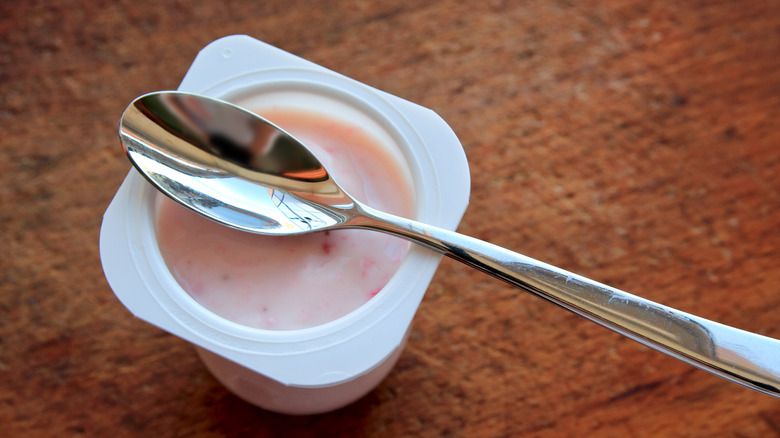
As a fan of every yogurt under the sun, this was a bit of a sucker punch: Many store-bought products pack a hefty dose of sugar. That unctuous Greek yogurt with a layer of fruit on the bottom? It's got 14 grams, almost a third of the FDA's 50-gram recommended daily intake of added sugars. Even small, healthier-sounding pots made with low-fat milk can contain 18 grams. Stick to natural yogurts with no added sugar, and if you have to have a sweetness boost, add fresh fruit.
Bread
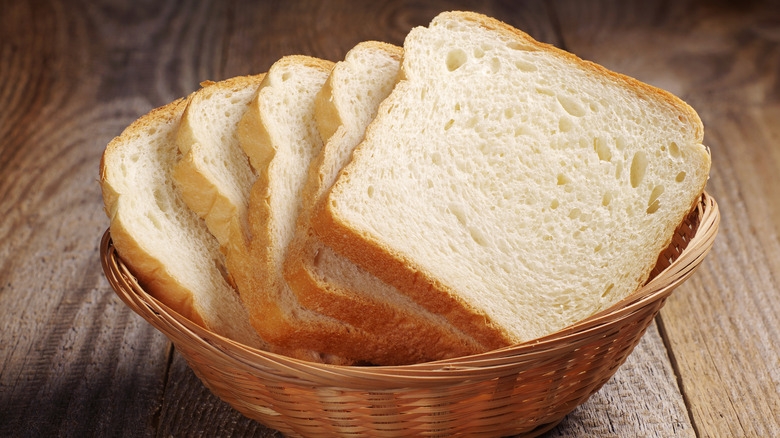
Giving up store-bought white bread has been a challenge (we can use this kind for grilled cheese!) as it's got more sugar than you think. Refining the flour makes white bread paler but removes all the fiber, increasing the glycemic index. That's before we get to the added sugars ... Gluten free bread can use them to improve the texture, and even some healthier options, like multi-grain loaves, have additional sugar among their ingredients. Instead, switch to a high-fiber slice or investigate alternatives like flaxseed bread.
Plant-based milks
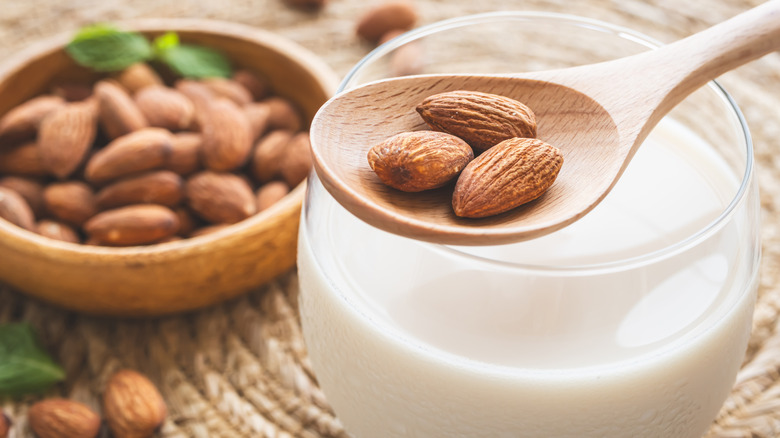
There are lots of alternatives to cow's milk these days — who hasn't kick-started their day with a soy latte? Many plant-based milks are fortified with vitamins and nutrients found in other foods, but it's worth checking the label for their added sugar content too. Obviously you'll find it in vanilla, strawberry, or chocolate-flavored products, but some natural-flavored plant-based milks can slip it in too. Unsweetened varieties may be more of a taste adjustment, but your blood sugar will thank you.
Coffee creamers
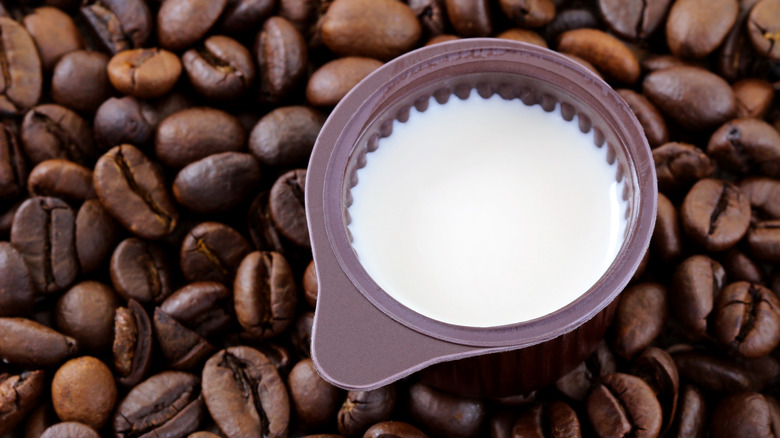
Whether you're a liquid or powder coffee creamer kinda drinker, unless you're using a low or zero-sugar option, it's a dollop of extra sugar in your day. Originally marketed as an alternative to half and half (which ironically has practically no sugar), coffee creamer now comes in all kinds of tasty flavors. If you're looking to reduce your sugar intake with your morning joe, swap your coffee creamer for this breakfast staple.
Breakfast cereals
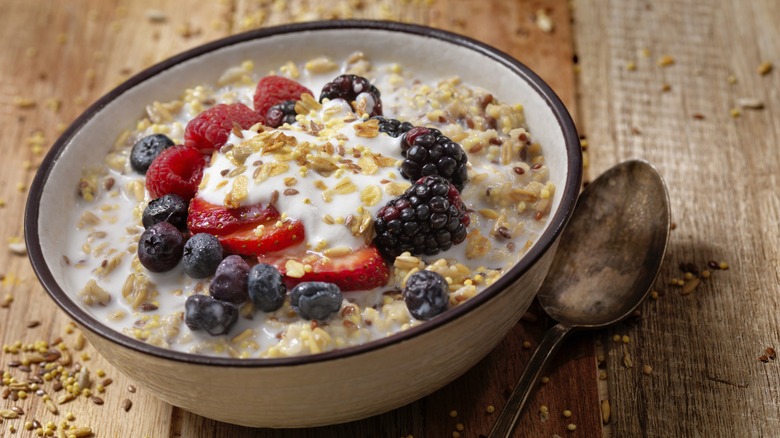
It will come as no surprise that many mass-produced breakfast cereals are loaded with added sugar, but some really do raise eyebrows. A quarter cup (or 28 grams) of store-bought granola can have up to 9 grams of sugar, thanks to the addition of refined ingredients or clusters of additional sweeteners. Even some brands of instant oats can contain 13 grams of extra sugar. The trick is to read the label and find breakfast cereals that are high in fiber and contain low or no added sugars.
Canned fruit
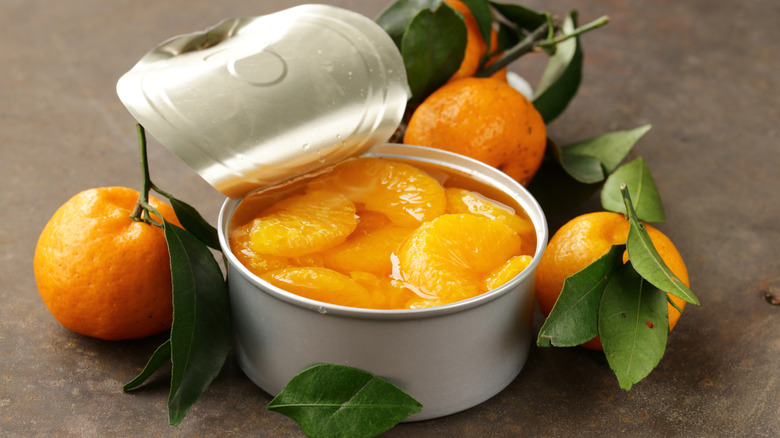
Canned fruits are a boon to my breakfast overnight oats, providing a burst of sweetness without resorting to refined sugars. Now, canned fruit in water or its own juice will have natural sugars such as fructose, but almost no added sugar: Great news if you like to stock up for when fresh fruit is out of season. However, the same can't be said for canned fruits in a heavy syrup. While levels vary between brands, alongside those natural sugars, they can have around 14 grams of extra sweeteners.
Jams and jellies
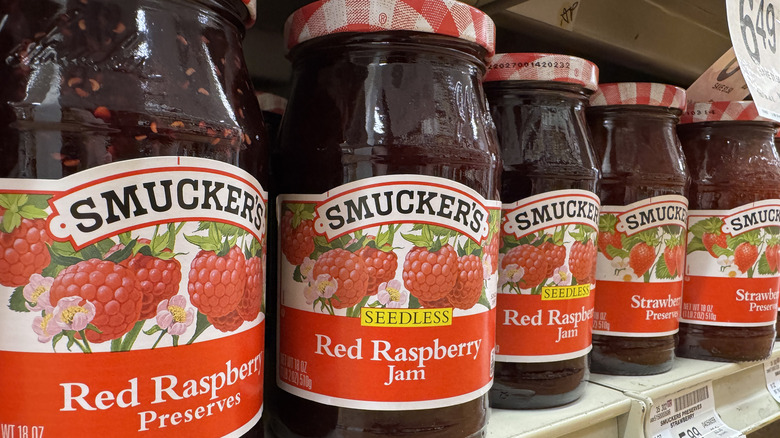
These preserves are made using sugar — though you can use honey or maple syrup — so of course they're going to be heavy on the sweet stuff. A 20-gram tablespoon of strawberry jam is almost 98% carbs, and serves up almost 10 grams of sugar, but some brands pile on almost the same amount again in added sugars! There are lots of low and sugar-free jellies and jams (the latter is regarded as slightly better for us because of its fiber-rich fruit content) in grocery stores, so you don't have to miss out.
Nut butters
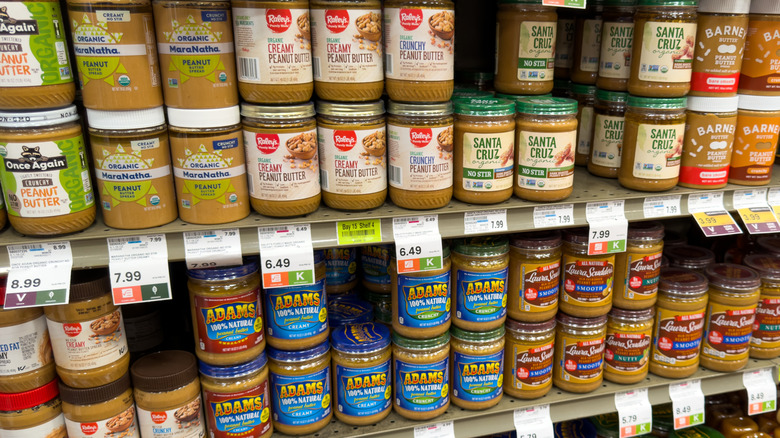
Just when you thought you'd sorted out your run-of-the-mill or out-of-left-field PB&Js with a low-sugar jelly, we've got a spanner to throw into your sandwich works. Some brands add at least 5 grams of sugar to prolong the product's shelf life and enhance the flavor. Sadly, it extends to other nut butters too, such as cashew or almond, potentially dulling their health benefits. Seek out jars that shout about having no added sugars and drop one (or four) in your cart.
Smoothies
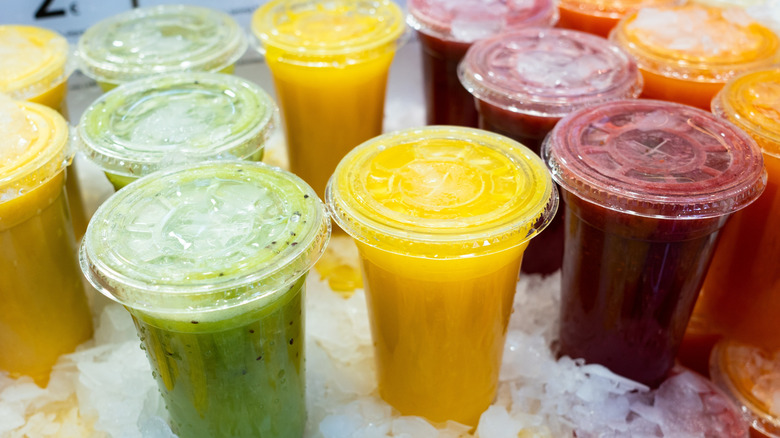
If you're the kind of person who throws fresh fruit and this fiber-packed underrated grain into a morning smoothie, bravo. If you cheat a little and buy them, there's a chance your fave drink has more sugar than you realize. One Redditor, who claimed to work at a smoothie shop, did the math: The combination of fruit syrups and sugar water delivered a whopping 70 to 100 grams of sugar in a single serving. A small, 180-gram glass of store-bought smoothie isn't much better at 18 grams. The solution? Make your own!
Flavored water

There are many unsettling facts about diet soda, but flavored water isn't much of an alternative if you want to cut down on your sugar. Figures vary from brand to brand, but one 17-ounce product had the equivalent of over 4 teaspoons of sugar. In water. Sometimes it's easy to spot if high fructose corn syrup is listed on the label, while others use artificial sweeteners such as sucralose, and the jury's still out about its purported benefits. Stick to plain water or, if that's too boring, add a dash of lemon or lime.
Wine

As with kombucha, you can't make wine without sugar, though in the latter drink's case, it comes from grapes. Whatever isn't turned into alcohol is dubbed residual sugar but — and this was quite the shock for me — some cheaper wines have added sugar or contain grape concentrate to enhance the sweetness, especially if they're made using under-ripe fruit. Naturally, the sweeter the wine the higher the sugar content, but even an off-dry vino can have around 12 grams of sugar per 5-ounce serving.
Canned soup
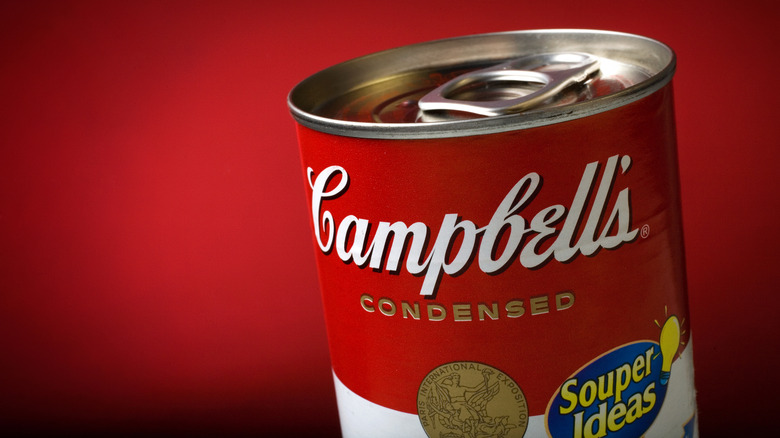
It is beloved by millions of home cooks across the world, but one of several things we know about canned soups is they can be packed with sugar. It's not restricted to lower-quality brands either. A half-cup of Campbell's condensed tomato soup contains 12 grams with another 8 grams of additional sugars. Without checking the label, it can be tricky to determine if a store-bought soup has added sugar because they don't always taste sweet. Making your own is a good solution, but do watch out for some bouillons and stocks, which can also contain added sugars.
Dark chocolate
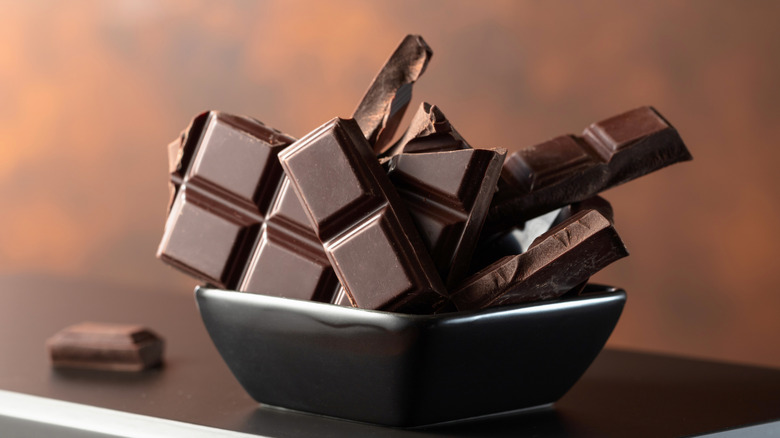
Saying "no" to chocolate (weeps over Trader Joe's whopping Pound Plus bars) remains the hardest thing of all, and it turns out even dark chocolate isn't the safety net I hoped. While it is packed with antioxidants, the smaller the cocoa percentage, the more sugar it has — anywhere between 5 grams and an eye-watering 30 grams. Happily, there are plenty of dark chocolate bars with upwards of 70% cocoa that taste divine, even if I can only eat them one square at a time.