

6 Foods With More Sodium Than You May Have Originally Thought
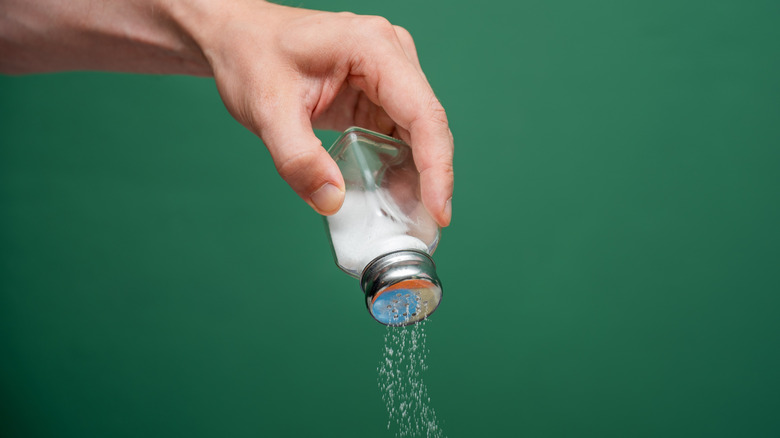
Regardless of who you are, there's a good chance you're eating too much sodium in your diet. According to the American Heart Association, the average American downs 3,100 milligrams of sodium each day. That flies in the face of its recommended amount of no more than 2,100 milligrams for healthy adults, with 1,500 or below being preferable. People with certain health conditions, like high blood pressure, should aim for even lower daily sodium intake of 1,000 milligrams or less.
Salt is a crucial ingredient in our kitchens, and it has a lot to recommend it. It makes food taste great, for one, and it (practically) never goes bad. It can keep ice cream frozen in a cooler, it's a surprising secret to perfect baked sweets, and you'd have to pry our salted butter out of our cold, dead hands. Plus, not all sodium is salt, even if the two are often used synonymously; a lot of sodium comes from dietary salt added to food, but it's also a byproduct of processing.
While some foods are a "no duh!" when it comes to sodium content (like French fries and movie theater popcorn), you'd be surprised how many common foods contain a surprising amount of the stuff. If you are trying to tone down your personal sodium consumption or simply want to stay informed as to what you're eating, it can be useful to keep an eye on these salt mines hiding in plain sight. If you're vulnerable to a higher-sodium diet, you might want to avoid these foods entirely or at least restrict your intake.
Deli meats
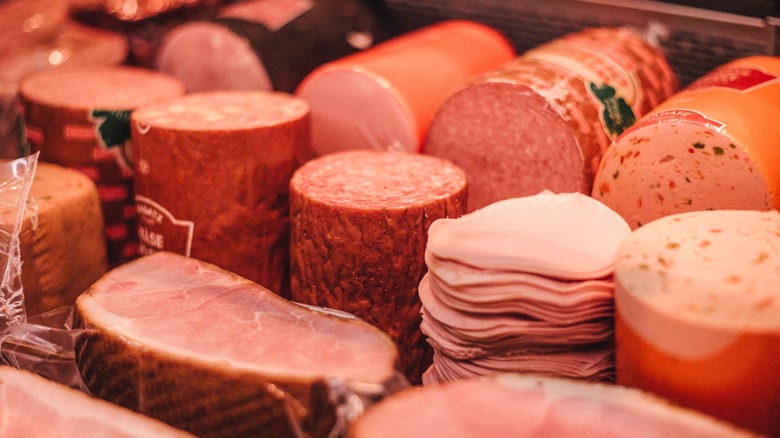
Old-school olive loaf, ham, pastrami, and even beloved bologna all have something in common ... these deli meats are chockablock full of sodium. The salinity in processed deli meats is not only a result of makers wanting to improve taste, but also comes from preservative usage as well. Numbers vary by product, but one slice of meat can contain hundreds of milligrams of sodium. You'll note that cured meats are especially salty. As an unpleasant, but related, note, the nitrates in cured deli meats are associated with a higher risk of colon cancer (per the National Cancer Institute). Opt for low-sodium deli meats or choose non-cured options like turkey or chicken.
Pizza
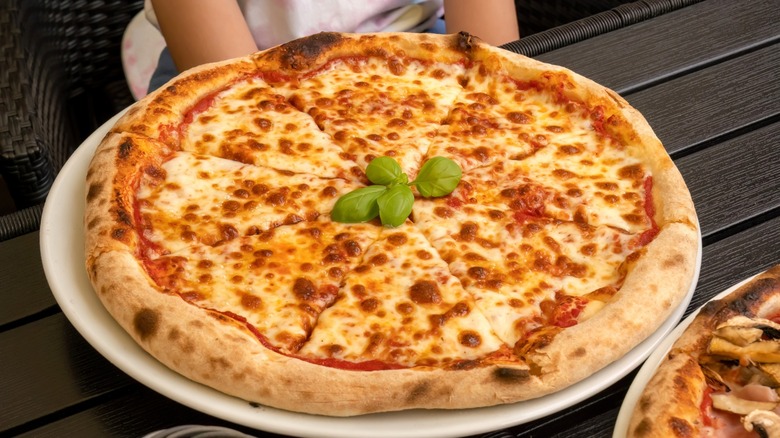
One of the facts we never knew about pizza isn't a fun one ... it concerns the matter of sodium. When you stop to consider the ingredients list, it makes sense — cheese, tomato sauce, and bread are all salt bombs, so why wouldn't pizza also fit the bill? If you put a cured meat like pepperoni or sausage on the pizza, that number only stands to go ever higher. Even a veggie or plain cheese pizza has a lot of sodium. You can take steps to mitigate the sodium in your pizza, like choosing thin crust, light cheese, and lots of veggie toppings.
Tortillas
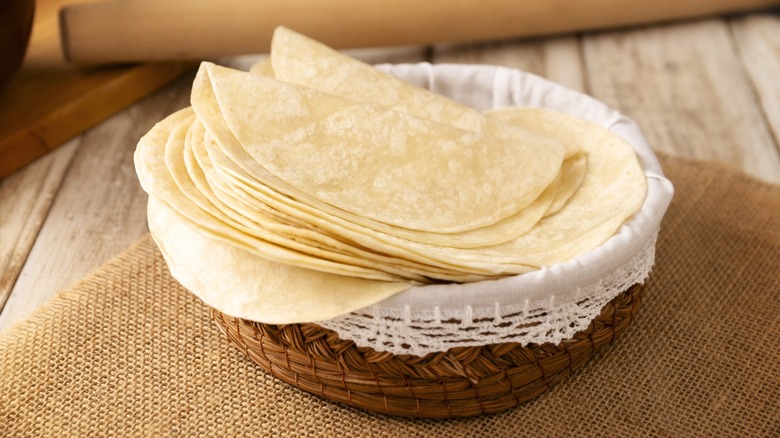
There's a difference between an enchilada and a wet burrito, but both begin with one floury fundamental: a tortilla. Flour tortillas, like many bread products, can be secret sodium agents. One single tortilla may contain between 300 to 400 mg of sodium per 44-gram serving, though that can change quite a lot depending on the size and manufacturer. For a substitute that can cut down on a lot of sodium, opt for corn tortillas, which typically contain around 19 mg in one large (44 gram) tortilla (a couple of six-inch tortillas may represent more like 15 mg of sodium). While you're at it, keep your eyes on sandwich bread, buns, and rolls as well.
Canned tuna
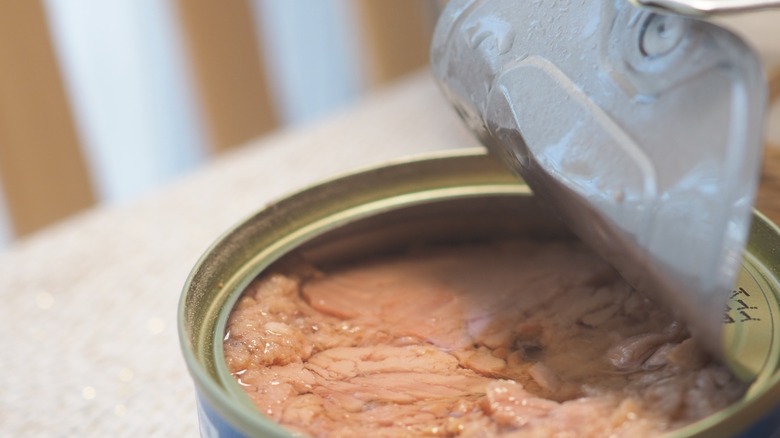
We love us some tuna salad — especially when we follow Julia Child's tip for a deli-worthy sandwich — but we have to admit that this particular fish can be almost as salty as the sea from which it came. Five ounces of canned tuna may contain around 300 milligrams of sodium, and that's before you add in any mayo or relish. To reduce this impact, compare labels at the grocery store and choose a tuna that's lower in sodium, like a no-salt-added variety (which can still contain some sodium). Overall, this might have to be a "sometimes" meal for those watching their consumption.
Vegetable juice
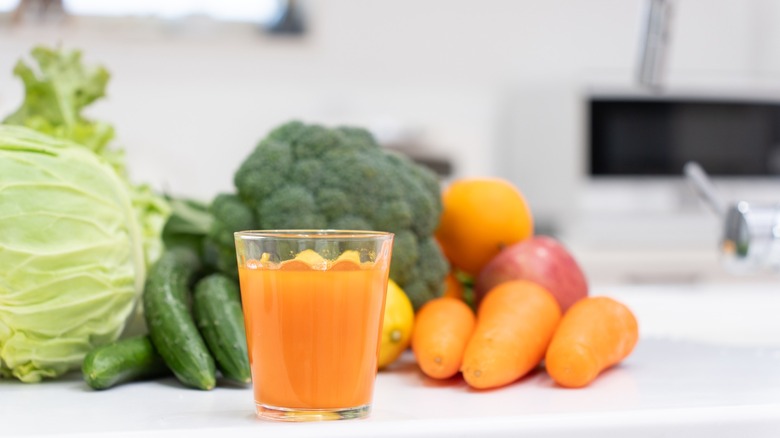
We made a whole list of vegetables you should be adding to your smoothie, but you may wish to look at the label of its close cousin, that tall glass of vegetable juice. Well-known brands of store-bought vegetable juice like V8 can contain a whopping 640 milligrams of sodium in one petite eight-ounce cup. You can opt for a low-sodium version or choose to either juice your own vegetables ... or just eat them whole for maximum nutrition. Vegetable juice may be considered more wholesome than soda, but perhaps the vegetable part of the name can get misleading.
Restaurant food

Have you noticed that restaurant burgers almost always taste better than homemade? The secret weapon at many eateries is the salt shaker or salted butter. But, almost without exception, restaurant food is way saltier than practically the same dish made at home. Plus, at restaurants, servings are often quite hearty, which can push consumers into overeating. Your best bet is to ask for sauces on the side (since condiments are often loaded in salt) and search the menu for steamed, grilled, or baked fare, which is more likely to have lower sodium.