

This Could Be The Top Disadvantage Of Superfoods
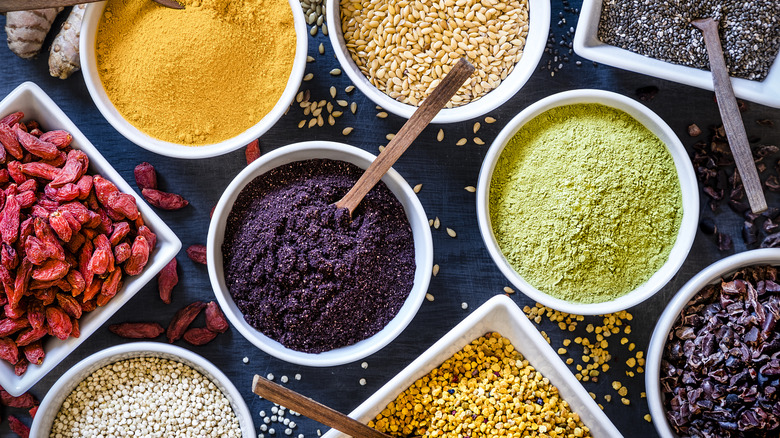
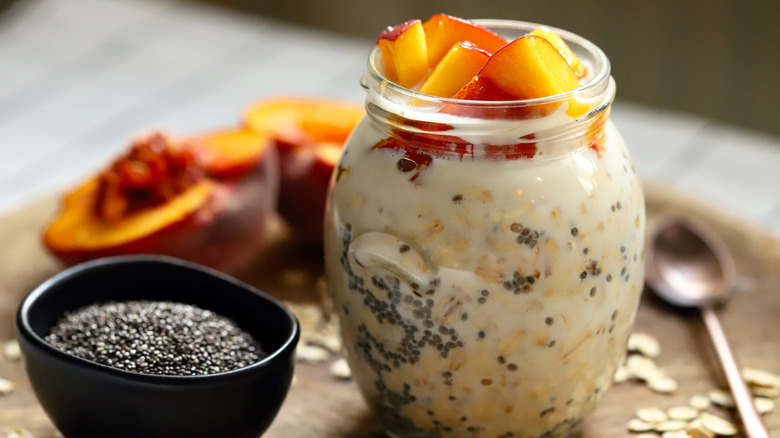
We love a superfood, from this underrated, protein-packed ingredient, to gulping down spoonfuls of this overnight oats recipe. But, just as all that glitters isn't gold, there can be more nuance to superfoods than is sometimes offered by either advertising or the internet. We know eating a balanced diet is important, and incorporating superfoods can provide an important health boost. However, scientists have found that the results of trials looking at the benefits of superfoods can vary, depending on how the studies are conducted. Changes in portion size, how the superfoods are consumed, and the way they're measured can affect the final conclusions — and their interpretation.
There are lots of established benefits to eating superfoods. Many are packed with essential nutrients and vitamins, can help reduce the risk of illness and tackle obesity, while most of them are pretty easy to add to our everyday diets. You can probably name several without thinking too hard (hello kale, blueberries, quinoa, and chia seeds) and may even have some in your pantry or fridges.
But there is no scientific definition for what makes a superfood, which leaves quite a bit of wiggle room for brands looking to put a spin on those scientific studies or unfounded online claims. It has led to a rash of superfood trends, with millions of us throwing kimchi on everything to chewing chocolate-coated açai berries, without necessarily knowing what the real health benefits are.
Even with superfoods, balance is everything
Shoppers being bombarded by messaging about superfoods isn't just a 21st century phenomena. One of the first brands to do it was The United Fruit Company, which wanted people to eat more bananas in the early 1900s. It combined the convenience and flexibility of the fruit with health information from the American Medical Association, prompting a spike in consumer interest that led to the banana diet craze.
In recent years, a slew of superfoods have been hyped as the best thing since (whole wheat) sliced bread, including salmon, which we know is bursting with nutritional goodies, garlic, renowned for its anti-cancer properties, and leafy greens, which have lots of antioxidant and anti-inflammatory benefits. But focusing too much on certain superfoods can limit all the potential advantages they have for our health, because we could miss out on essential nutrients from other foods.
Instead, we should always aim for a balanced plate, one that offers a variety of tasty, healthful ingredients. Superfoods can be a delicious addition to many recipes, but it's always worth doing the research, especially for anything being touted as the latest fad on your social media feed. Find out if there's substance to any claims being made online, either by asking a dietician or your doctor, before you give them a try. If they're genuine, great, dig in. But if they don't pass the smell test, you can sidestep them in favor of a superfood you know is good for you.