

Here's The Average Lifespan Of An Electric Stove
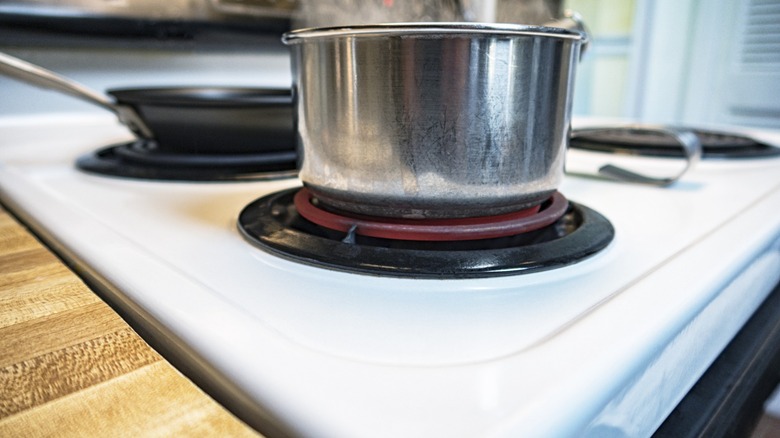
Replacing kitchen appliances can be either one of the most exciting or most onerous tasks in homeownership. If you're swapping out your big-ticket items as part of an upgrade related to home improvement, the purchase may seem very rewarding. If your old fridge or dishwasher gave out on you and left you stranded, you may be feelin' some kinda way, as the kids say. An electric stove is the focal point of your kitchen, a nigh-indispensable component of your cooking arsenal. When you buy a new one — or, if you're staring down one getting "up there" in years — you may be wondering how long you can expect it to last.
Gas stoves have slightly lengthier lifespans on the whole, but an electric model lasts around 15 years, on average. Heavy or incorrect use (more on that in a bit) can shorten its usable years, while light work and gentle handling might get you a few extra miles. Of course, this is only an estimate, and some experts say that anywhere from 13 to 16 years is considered "normal" for an average stove.
How will you know that your oven is about to give up the ghost? Usually, there will be signs. An oven's temperature may be slightly inaccurate as a matter of course, but if you notice longer and longer cook times, the elements may be about to burn out. Any funky smells that aren't immediately identifiable are warning signs, too. And is the digital display of your oven prone to flickering? It might be time to start researching the best models for your floor plan and budget.
Proper care and maintenance can help your electric stove go the distance
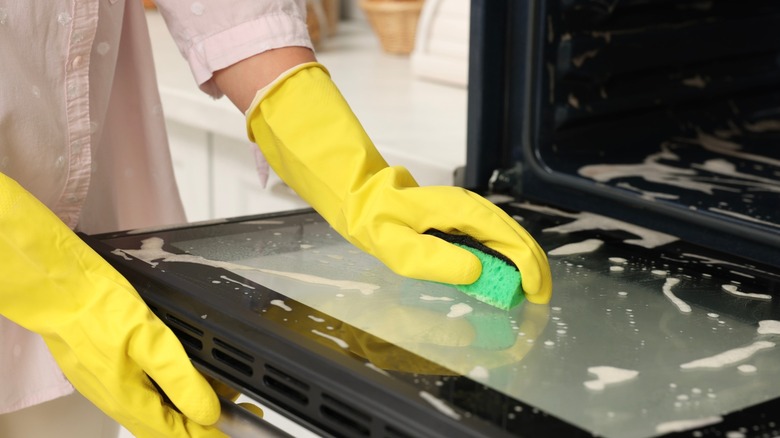
The experts agree: taking good care of your stove is a major factor in how long it lasts. While not all malfunctions in an electrical appliance can be prevented, proper maintenance goes a long way. To this end, you should keep your oven as clean as possible — and it's pretty much always the case that you aren't cleaning your oven enough — repair or replace parts when they give you trouble, and refrain from using the self-cleaning mode too much.
Regarding that last note, the self-cleaning feature actually may be more trouble than it's worth. It's hard on fuses and electrical components, and it subjects the seals and gaskets of your oven to extreme high heats that aren't the best for their longevity. It's sometimes said that you should eschew the self-cleaning function altogether, but, if you like it, try to keep its use down to just twice a year at most.
Keeping your stove clean is also a great way to help it stay useful for longer. The jury's out on whether it's best to clean a hot oven, but most cleaning advice focuses on nontoxic cleaners that won't create residue or fumes from chemical agents when you next cook. Likewise, overall care when dealing with your expensive appliance (not slamming the oven door or stabbing the buttons, handling the burners with care if they're removable, and not scratching or dinging glass stovetops) may pay off in the long run.