

What's The Best-Selling Candy Company In The World In 2026?
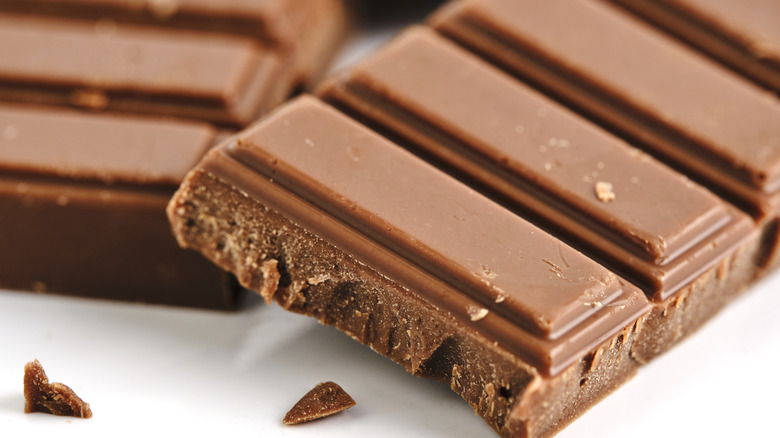
Anyone who, like us, longs for the return of this classic chocolate bar shouldn't be knocking at Cadbury's door. They need to take their request to the company behind the brand: Mondelēz International. Cadbury is one of several big-name candy brands owned by the Chicago-headquartered behemoth, a fact that can go some way to explaining why Mondelēz claimed the top spot in the 2026 list of the top 100 global candy companies compiled by Snack Food & Wholesale Bakery. Mondelēz International racked up $38.5 billion in sales (SF&WB noted the figure does include non-confectionary products), nudging rival firm Mars, Inc. (with over $36 billion in sales) into second place.
Mondelēz International's achievement is all the more intriguing when we factor in the company's age. It was formed in 2012, when Kraft Foods CEO Irene Rosenfeld decided to capitalize on the fast-growing snacking sector and spun out Mondelēz as a standalone business. Since then, it has continued to add to its roster of companies, with a recent purchase being frozen baked goods manufacturer Evirthfood in 2024, as part of the company's expansion into the snack bar and pastry industries.
The world of candies owned by Mondelēz, and the bittersweet Cadbury tale
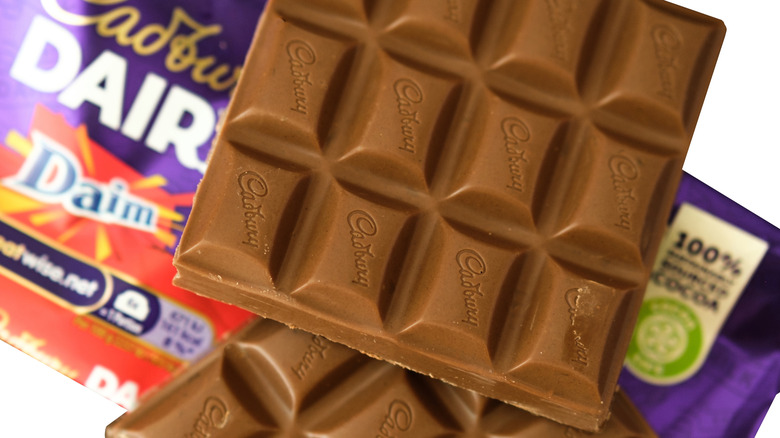
Whether your sweet tooth runs to chewy gummies or give-it-to-me-straight chocolate, Mondelēz International's collection of candy brands has got you covered in the United States and beyond. Among its collection are Swiss icon Toblerone, German brand Milka (which is also home to this delicious Aldi bar), French chocolate Cote d'Or, and Nordic favorite Daim. Although Mondelēz is a fairly young business, some of the brands it owns are more than a century old, including Cadbury, an acquisition that has had its fair share of ups and downs.
Kraft's attempt to buy the much-loved British brand in 2010 — the year after it had agreed a landmark deal with ethical company Fairtrade — sparking fears the takeover would see the latter's logo removed from Cadbury's wrappers. Initially it remained, but shortly after the purchase, Kraft was criticized by a trade watchdog for backtracking on a pledge to keep a key British factory open just a week after the deal was done. Then, in 2018, Kraft quietly ended the Fairtrade partnership and switched to Mondelēz-owned Cocoa Life.
Today, Cadbury is a firm fixture among Mondelēz International's stable of brands, but not everyone is happy about that. Devoted fans have grumbled about changes to their beloved chocolate, always made with high quality ingredients, from a shuffling round of ingredients (cocoa butter went down the list and palm oil went up, for instance), to the bold choice of adding sultanas to Cadbury's iconic Fruit & Nut bar. The moves may have dismayed some but, as the sales figures clearly show, Mondelēz International is still the cream of the candy crop.