

Southern Biscuits And Sausage Gravy Recipe
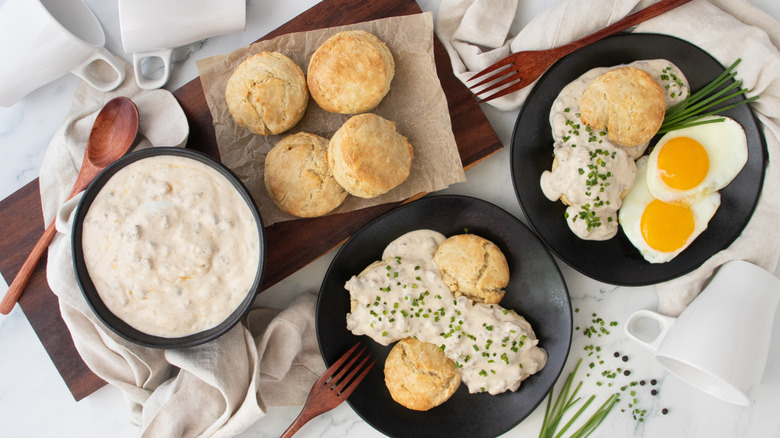
Biscuits and gravy is a classic Southern charmer with lots of savory appeal — undoubtedly comforting and ideal for a hearty weekend breakfast (followed by a substantial nap). My Southern biscuits and sausage gravy recipe showcases scratch-cooking at its finest, from those fluffy, flaky, and tender biscuits to that sensationally savory and rich gravy.
If you find yourself fretting over biscuit-baking, I can assure you that this recipe is very straightforward. I've always enjoyed biscuit-making and all it entails, even with the mess that you inevitably create, so I encourage you to embrace and trust the process. The buttermilk biscuits in this recipe boast a combination of butter and shortening; some folks use one or the other, but I like the baking and flavoring power of both. Butter provides a rich, savory taste while the shortening produces tender texture and stability. As for the sausage gravy, I kept it pretty traditional with just the slightest uptick in seasoning (no bland sausage gravy on my watch!). It all starts simple enough, with pork sausage simmered in a creamy sauce and seasoned with black pepper, garlic, and paprika. My two secret ingredients are beef bouillon paste and poultry seasoning, which provide an unbeatable herby-umami undertone that takes regular sausage gravy to something truly spectacular.
Gather the Southern biscuits and sausage gravy ingredients
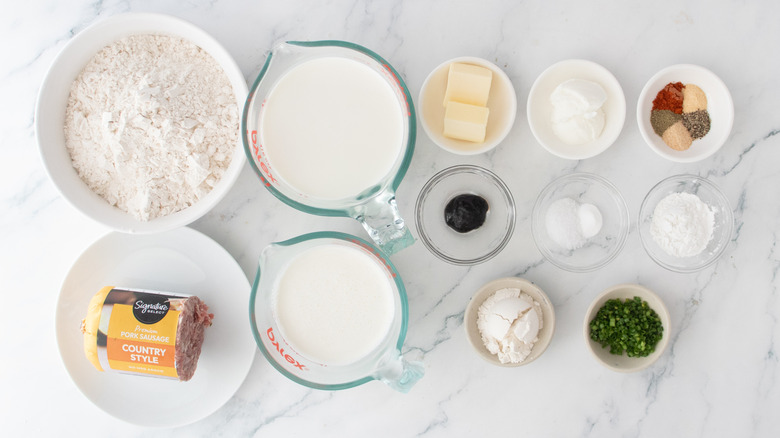
To make the homemade biscuits, you will need all-purpose flour, baking powder, baking soda, salt, unsalted butter, vegetable shortening, and buttermilk. To encourage a nice golden brown finish, I recommend brushing a little bit of whole milk onto the biscuits before baking.
For the sausage gravy, you will need ground, raw pork breakfast sausage, whole milk, beef bouillon paste, onion powder, garlic powder, dry poultry seasoning, sweet paprika, and black pepper. For garnish, I recommend some chopped fresh chives.
Step 1: Preheat the oven
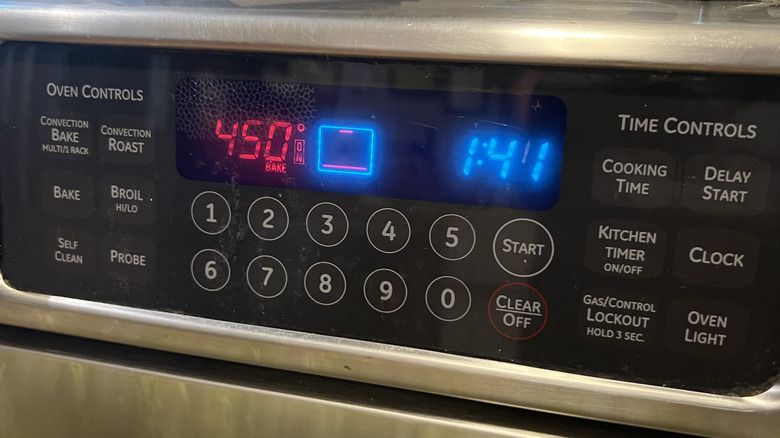
Preheat the oven to 450 F.
Step 2: Whisk the dry biscuit ingredients
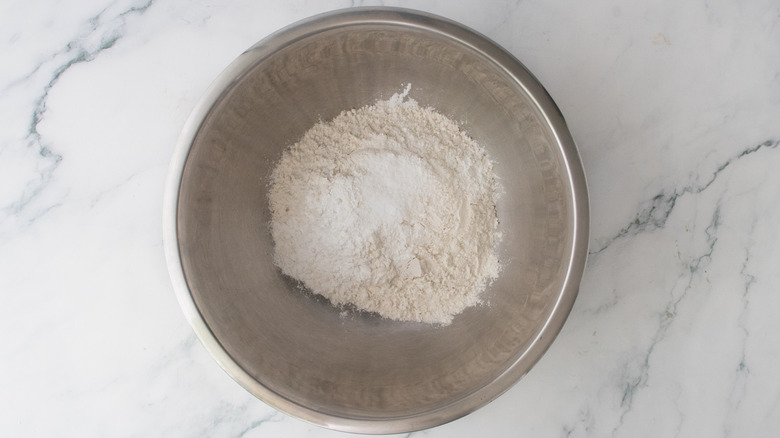
To make the biscuits, place the flour, baking powder, baking soda, and salt in a large bowl. Whisk to combine.
Step 3: Add the butter and shortening
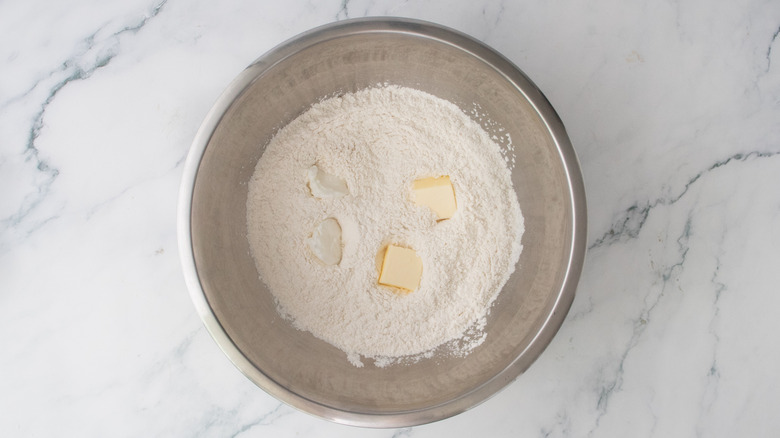
Add the chilled butter and shortening to the bowl.
Step 4: Work the butter and shortening into the flour
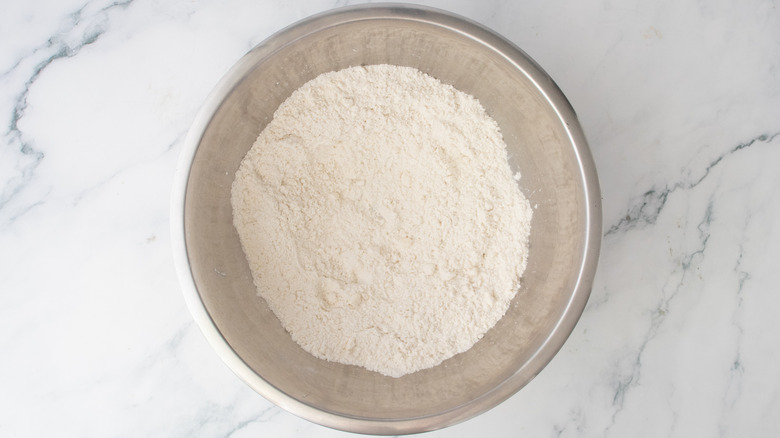
Using a pastry cutter or fork, work the mixture together until pea-shaped crumbles form.
Step 5: Add the buttermilk
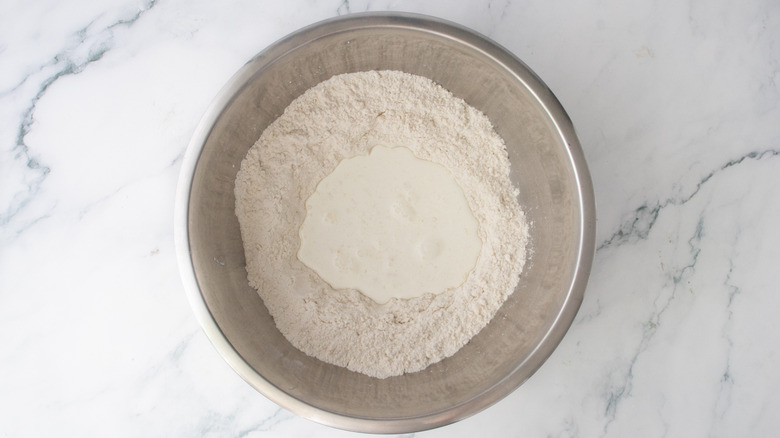
Make a well in the center of the mixture and add the chilled buttermilk.
Step 6: Form the dough
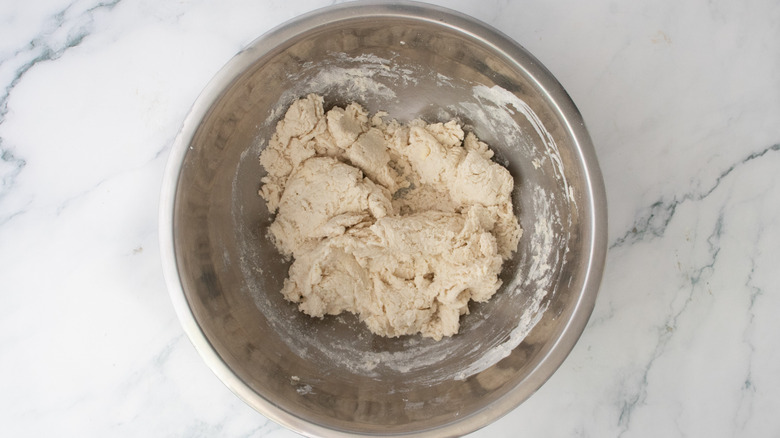
Using your hands or a wooden spoon, combine until a shaggy dough forms.
Step 7: Flour a work surface
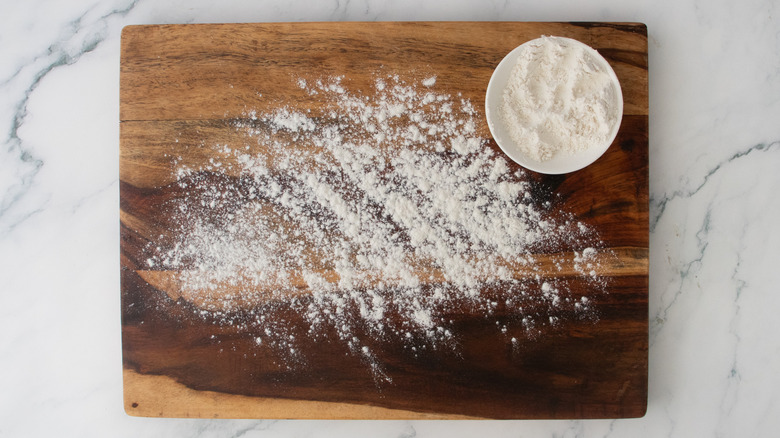
Sprinkle a clean work surface with a small amount of flour.
Step 8: Place dough onto work surface
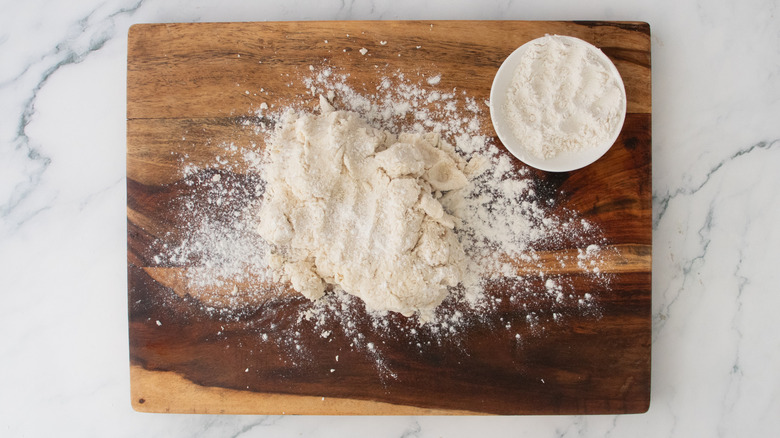
Transfer the rough dough to the flour-dusted work surface. Sprinkle a little flour on top the dough as well if it is still super sticky.
Step 9: Fold the dough
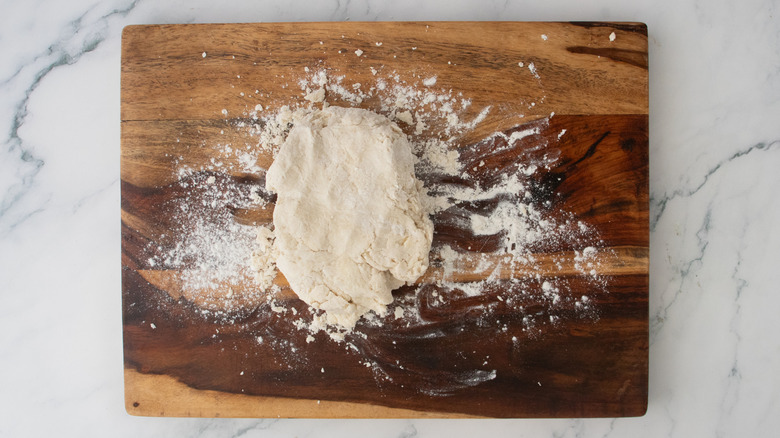
Press the dough down slightly then fold it over itself. Press it down and fold once again, repeating this process 4 total times to ensure flaky layers.
Step 10: Form the dough into a square
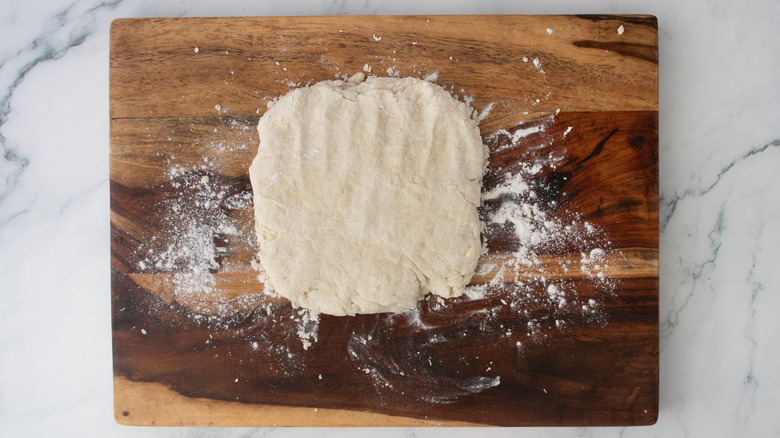
Pat the dough into a ¾ inch-thick square.
Step 11: Cut out biscuits
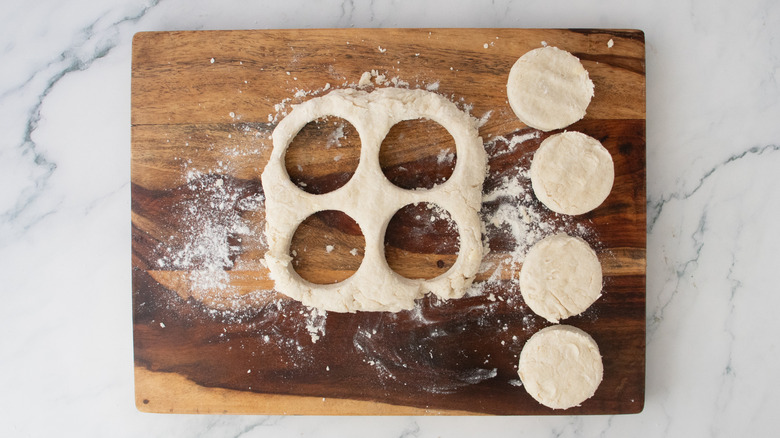
Portion the dough into biscuits using a round (2- to 3-inch) cookie cutter.
Step 12: Reshape the scraps and cut out more biscuits
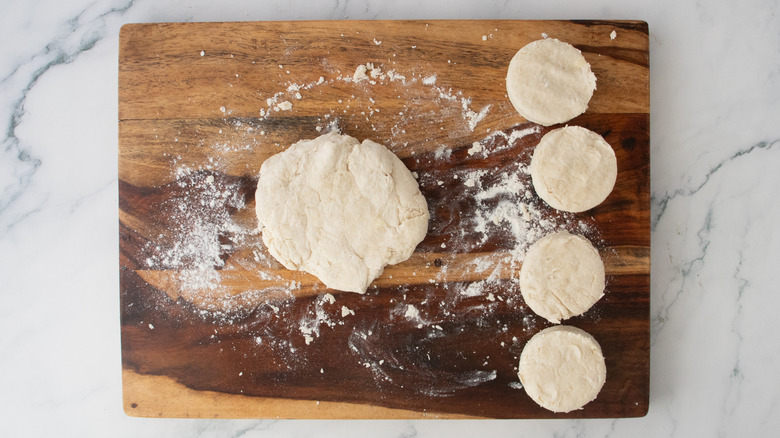
Reform the dough scraps into another rectangle and cut out more biscuits. You should end up with about 7 to 8 total biscuits.
Step 13: Prep a baking sheet
Line a large baking sheet with parchment paper.
Step 14: Place biscuits on baking sheet
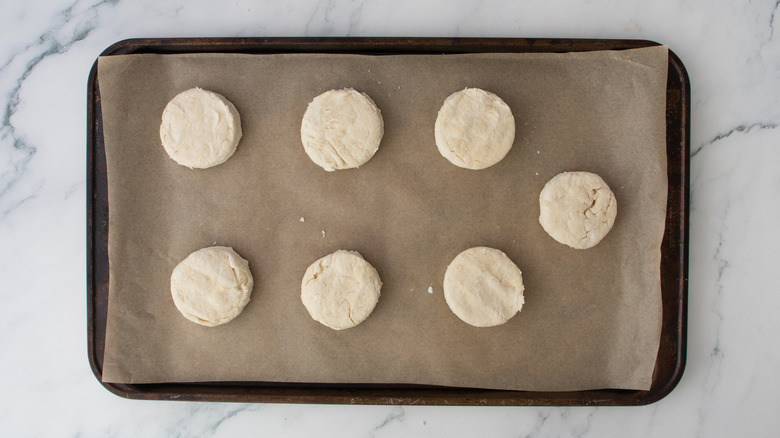
Transfer the raw biscuits to the prepared baking sheet, spacing them about 2-inches apart.
Step 15: Brush biscuits with milk
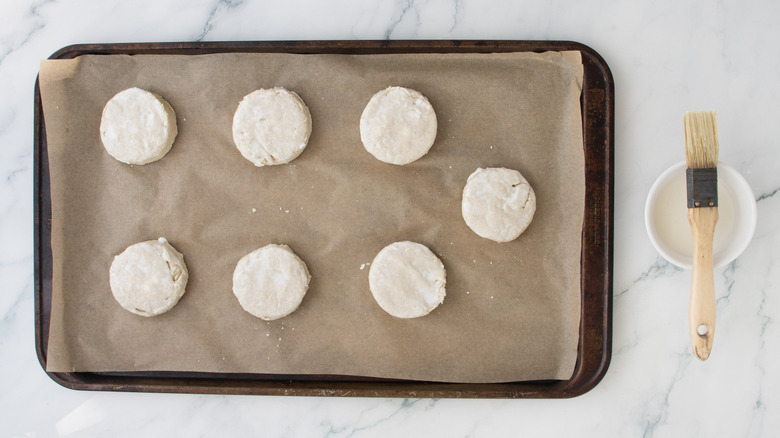
Brush the tops of the biscuits with whole milk and place in the oven.
Step 16: Bake the biscuits
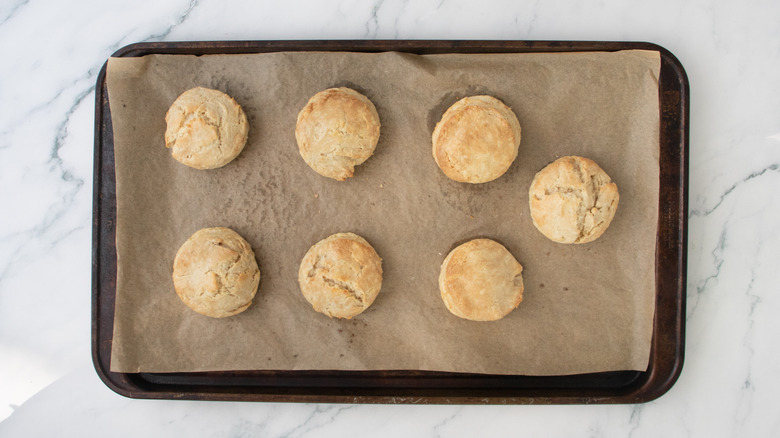
Bake for 12 to 15 minutes, or until golden and fluffy. Remove from the oven and set aside.
Step 17: Add sausage to pan
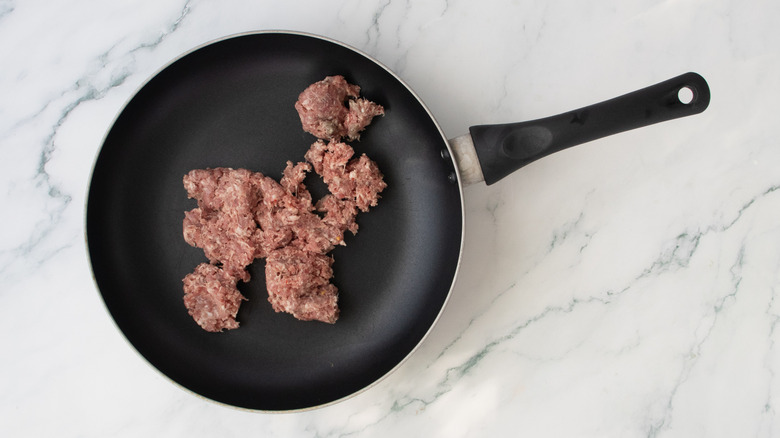
Once the biscuits have baked, begin making the gravy by placing the ground sausage in a large non-stick skillet over medium-high heat.
Step 18: Cook the sausage
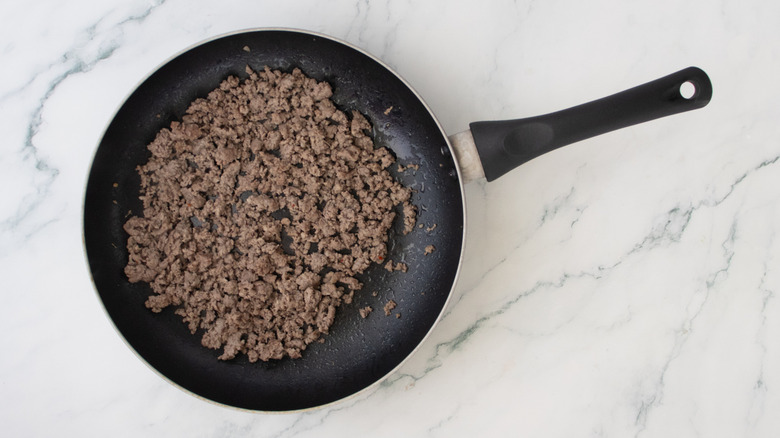
Cook the sausage until brown and cooked through, about 5 minutes. Reduce the heat to medium-low.
Step 19: Mix flour into sausage
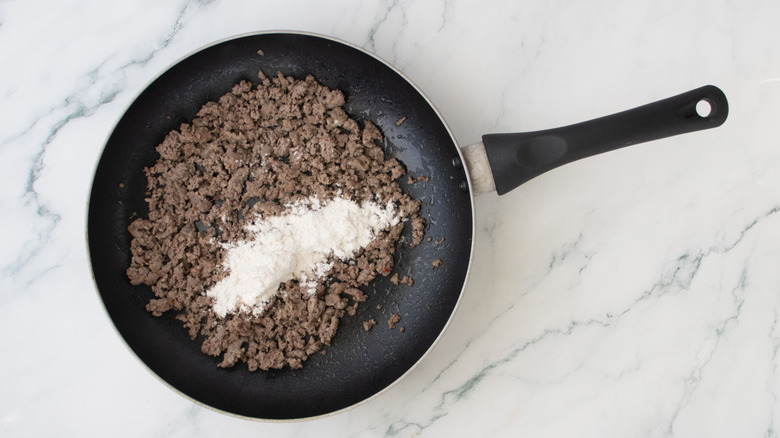
Sprinkle the cooked sausage with flour, stir to combine, and cook for 1 minute more.
Step 20: Add the milk and seasonings
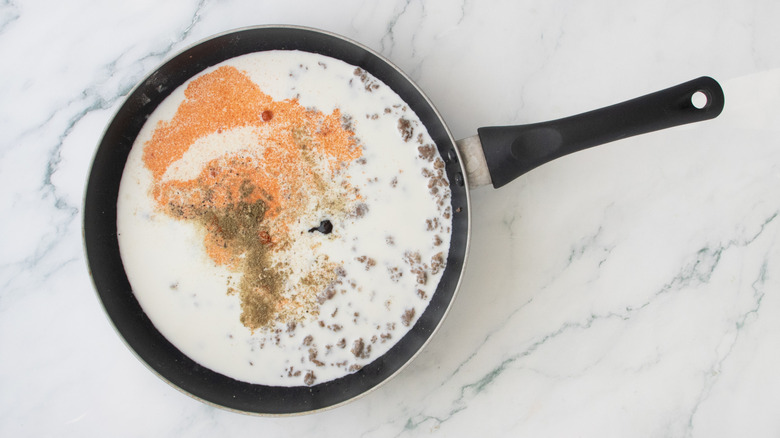
Add the whole milk, bouillon paste, onion powder, garlic powder, poultry seasoning, paprika, and black pepper to the pan.
Step 21: Cook the gravy
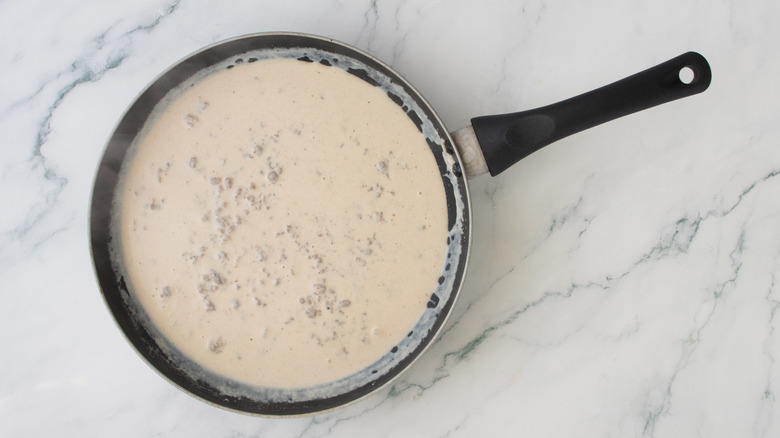
Whisk to combine and bring to a low simmer. Cook the gravy for 5 to 8 minutes, or until thick and creamy.
Step 22: Plate the biscuits and gravy
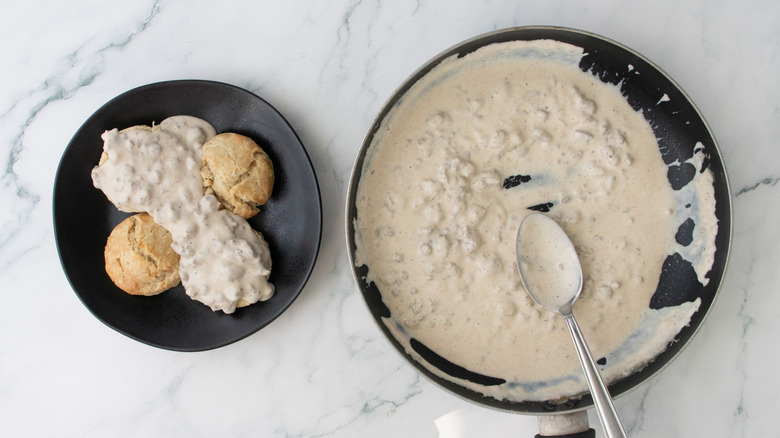
To serve, cut biscuits in half and divide between plates. Generously spoon the gravy over the split biscuits.
Step 23: Garnish and serve the biscuits and gravy
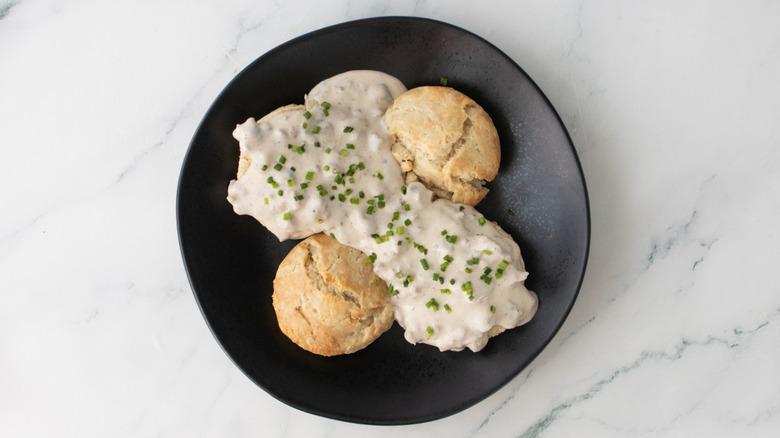
Sprinkle the biscuits and gravy with fresh chopped chives to garnish.
Pairs well with Southern biscuits and sausage gravy
Southern Biscuits and Sausage Gravy Recipe
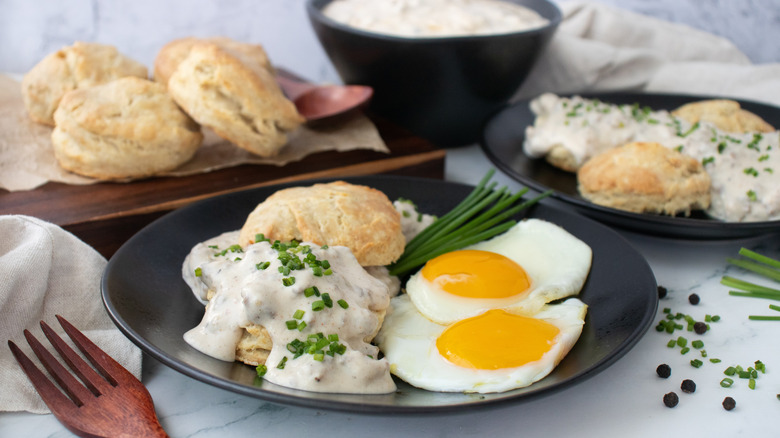
Upgrade your Saturday morning routine with this Southern biscuits and sausage gravy recipe, which features a few flavor twists for optimal savory goodness.
Ingredients
- For the biscuits
- 2 cups all-purpose flour, plus extra for dusting
- 4 teaspoons baking powder
- ¼ teaspoon baking soda
- 1 teaspoon salt
- 2 tablespoons unsalted butter, chilled
- 2 tablespoons vegetable shortening, chilled
- 1 cup buttermilk, chilled
- 2 tablespoons whole milk
- For the sausage gravy
- 8 ounces ground pork breakfast sausage
- 2 tablespoons all-purpose flour
- 2 cups whole milk
- 1 teaspoon beef bouillon paste
- ¼ teaspoon onion powder
- ¼ teaspoon garlic powder
- ¼ teaspoon dry poultry seasoning
- ¼ teaspoon sweet paprika
- ¼ teaspoon black pepper
- 2 tablespoons chopped fresh chives
Directions
- Preheat the oven to 450 F.
- To make the biscuits, place the flour, baking powder, baking soda, and salt in a large bowl. Whisk to combine.
- Add the chilled butter and shortening to the bowl.
- Using a pastry cutter or fork, work the mixture together until pea-shaped crumbles form.
- Make a well in the center of the mixture and add the chilled buttermilk.
- Using your hands or a wooden spoon, combine until a shaggy dough forms.
- Sprinkle a clean work surface with a small amount of flour.
- Transfer the rough dough to the flour-dusted work surface. Sprinkle a little flour on top the dough as well if it is still super sticky.
- Press the dough down slightly then fold it over itself. Press it down and fold once again, repeating this process 4 total times to ensure flaky layers.
- Pat the dough into a ¾ inch-thick square.
- Portion the dough into biscuits using a round (2- to 3-inch) cookie cutter.
- Reform the dough scraps into another rectangle and cut out more biscuits. You should end up with about 7 to 8 total biscuits.
- Line a large baking sheet with parchment paper.
- Transfer the raw biscuits to the prepared baking sheet, spacing them about 2-inches apart.
- Brush the tops of the biscuits with whole milk and place in the oven.
- Bake for 12 to 15 minutes, or until golden and fluffy. Remove from the oven and set aside.
- Once the biscuits have baked, begin making the gravy by placing the ground sausage in a large non-stick skillet over medium-high heat.
- Cook the sausage until brown and cooked through, about 5 minutes. Reduce the heat to medium-low.
- Sprinkle the cooked sausage with flour, stir to combine, and cook for 1 minute more.
- Add the whole milk, bouillon paste, onion powder, garlic powder, poultry seasoning, paprika, and black pepper to the pan.
- Whisk to combine and bring to a low simmer. Cook the gravy for 5 to 8 minutes, or until thick and creamy.
- To serve, cut biscuits in half and divide between plates. Generously spoon the gravy over the split biscuits.
- Sprinkle the biscuits and gravy with fresh chopped chives to garnish.
Nutrition
| Calories per Serving | 414 |
| Total Fat | 21.2 g |
| Saturated Fat | 8.3 g |
| Trans Fat | 0.6 g |
| Cholesterol | 46.9 mg |
| Total Carbohydrates | 41.4 g |
| Dietary Fiber | 1.3 g |
| Total Sugars | 7.1 g |
| Sodium | 676.3 mg |
| Protein | 14.6 g |

Can I make my biscuits ahead of time?
Biscuits are pretty resilient and hearty, which makes them ideal for meal prepping. There are a couple of points throughout this recipe where you can pause and store your biscuits for later use, which will make the whole process a little more manageable. To start, you can refrigerate or freeze the portioned raw dough. Once you have portioned your biscuits, thoroughly wrap the baking sheet (under-over wrap) and place it in the refrigerator. This is an ideal option if you plan to bake the biscuits the next morning. Brush the biscuits with some milk once you remove them from the fridge and bake, but note that you may need to add on an additional 3 to 5 minutes of baking time if you take the fridge-to-oven route. If you want to freeze the portioned biscuits, I recommend individually wrapping each biscuit, and placing those wrapped portions in a larger zip-top bag, arranged in an organized layer so they don't squish one another. This is ideal option if you want to bake your biscuits later in the week or month. If you go the freezer route, let your biscuits thaw in the fridge overnight before baking.
If you want to store baked biscuits, make sure to cool them thoroughly at room temperature before wrapping and either refrigerating or freezing. Baked, refrigerated biscuits will keep for about five days, while frozen baked biscuits will keep for a month or more.
What are tips for making the best biscuits?
One of the most important the most important biscuit-making tips is to thoroughly chill your butter, buttermilk, and shortening before mixing the dough. Our goal is to keep the fatty ingredients (butter and shortening) solid for as long as possible, which results in flaky and tender biscuits down the line. If we add warm or room temperature fats to our biscuit dough, that kickstarts the gluten development in the flour, resulting in dense, tough biscuits. When I am prepping my biscuits, I keep everything (butter, shortening, and buttermilk) in the refrigerator up until the minute I need it. If I get sidetracked, I pop those ingredients for a quick chill in the freezer. If you are working in a particularly hot kitchen, refrigerate the dry ingredients as well.
My next big beautiful biscuit tip involves the dough. Shaggy dough is the best for biscuits. This "barely mixed" approach deters the gluten from over-developing and protects our chilled fats, ensuring that the biscuits bake tender and flaky rather than dense, tough, and flat. Folding the dough over itself several times is also essential to establishing those flaky layers, but take care not to press the dough too hard during the folding process. And, if your dough ever starts to feel warm, pop it into the fridge for a little while before returning to it.