

8 Fruits That Have More Potassium Than A Banana
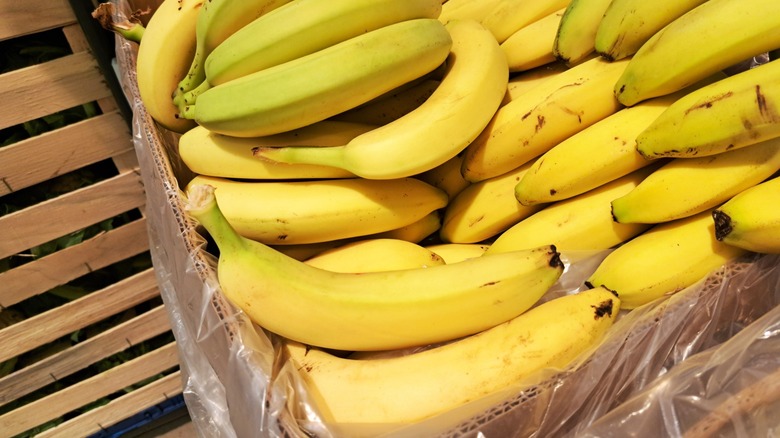
How bananas became the culinary byword for potassium loading might have just been an example of good marketing, because they aren't even in the top ten of common fruits with the highest concentration of the good stuff. We love eating bananas — and we appreciate tips on how to keep our bananas fresh for longer – but, if you're purposely trying to get potassium in your diet, you might want to put that banana bunch away.
Ever wonder how much potassium is in a banana, exactly? One medium banana contains roughly 451 milligrams of potassium. Healthy adults should get between 2,600 – 3,400 milligrams a day, depending on sex. Those folks trying to stave off or treat high blood pressure may be encouraged to consume as much as 5,000 milligrams a day. (Check with a medical professional if you have questions about how much potassium suits your individual needs.)
In addition to promoting heart health, potassium also helps your kidneys, muscles, and nerves work the way that they should. Ever get a wicked muscle cramp after working out or, worse yet, in the middle of the night? Your potassium might be low! We previously covered the fact that a cup of white beans has double the potassium of one banana; now, read up on fruits that smoke 'nanners in the potassium stakes!
Plantains
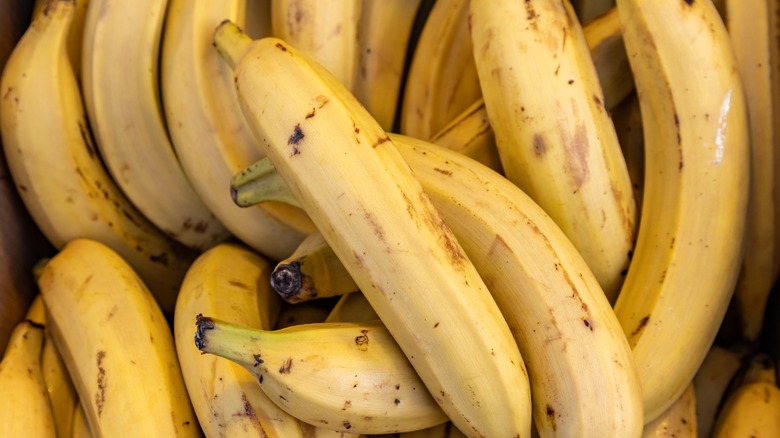
Plantains, a close relative of bananas, are more dense in potassium than their smaller, sweeter cousins. One medium raw plantain contains almost ⅕ of your daily potassium level, or 872 milligrams. Unlike bananas, plantains are usually cooked before eating. Deep-frying your plantains into crispy chips may cancel out some of the abundant nutrients in these fruits, but we condone sautéing slices in a heart-healthy fat alongside croquettes and sauce made from leftover salmon, for instance.
Coconut (water)
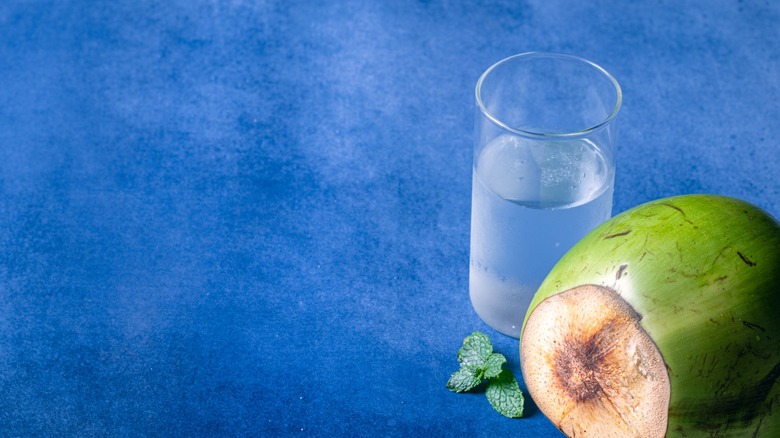
You've heard that orange juice is more hydrating than water, but drinking one cup of coconut water post-workout may be the best idea of all! There are 600 milligrams of potassium in just eight ounces, and that's not the end of the health benefits. Other electrolytes besides potassium are found in abundance in coconut water, and it's a great source of low-calorie hydration, just as long as you pick a variety with no added sugars. If you dare, read up on our tips for how to open a coconut and drink your coco water fresh!
Avocados
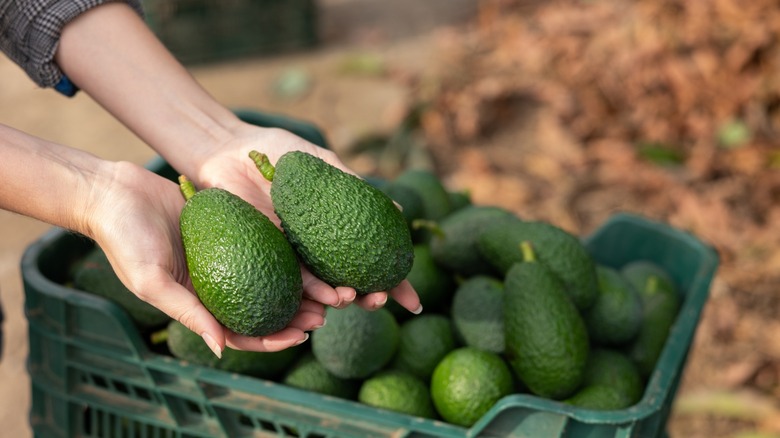
Switching one medium banana for one whole avocado when you're feeling snacky will pay dividends in your potassium intake. A whole medium avocado without the skin and seed contains a whopping 690 milligrams of potassium, as well as low-sodium, heart-healthy good fats. Avocados aren't just a fascinating type of fruit; they are also lean, green powerhouses of well-rounded nutrition. Cut some up for a smoothie, make a simple salad with tomato and red onion, or — this is our favorite, of course! — whip up some homemade guac and munch it straight from the bowl.
Watermelons
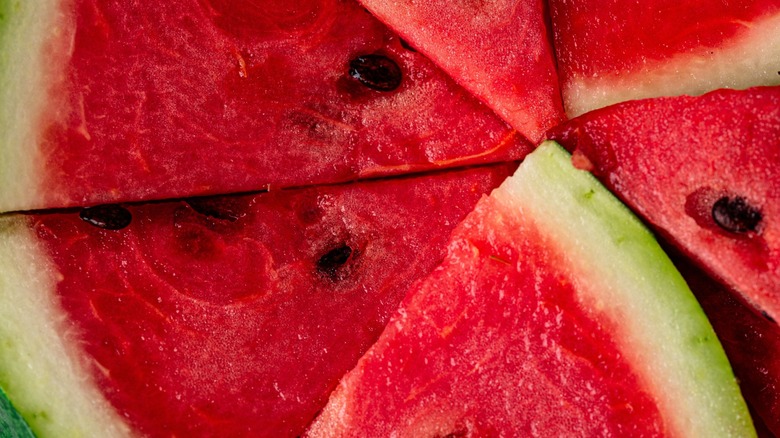
If, like Harry Styles, you've got that watermelon sugar high, we've got great news for you. Just ⅛ of a whole watermelon, or two wedges, gives you 640 milligrams of potassium, and couldn't be more delicious or thirst-quenching. There are plenty of reasons to never refrigerate watermelon, but we can't argue with the delights of cold melon on a hot summer day. Some Southerners swear by a sprinkle of salt on their watermelon for a pop of flavor, but we like to add spicy Tajín seasoning to our slices.
Raisins
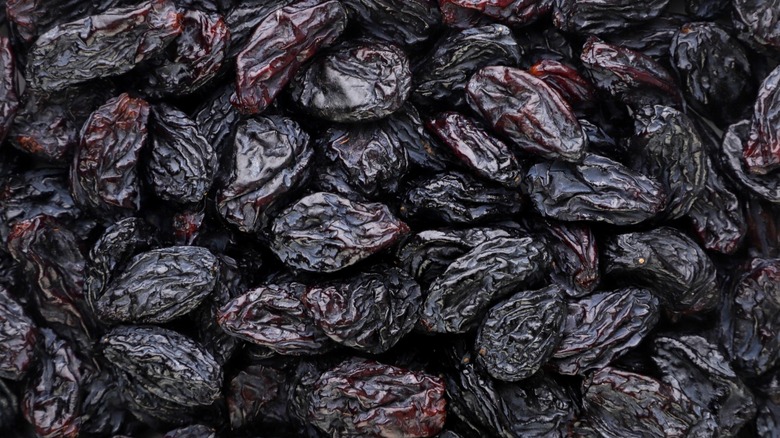
With 615 milligrams of potassium in a tightly-packed ½-cup, we can't imagine a sweeter or more poppable snack to meet your potassium goals! Drake once (in)famously put raisins in his birthday mac and cheese, but we'd rather mix them into a trail mix with some (heart-healthy!) mixed nuts or bake them into cookies. For a filling, nutrient-rich snack, whip up a mini afternoon charcuterie spread with some cubed ham, sliced cheese, raisins, and some whole-wheat crackers. Hear that? Our bellies are rumbling!
Dried apricots
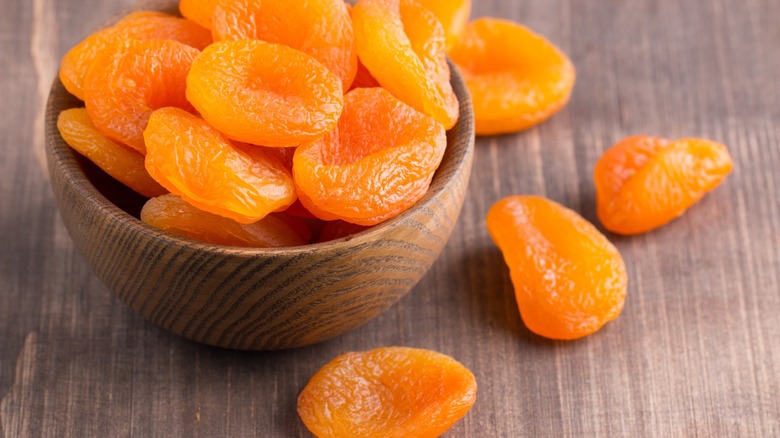
A stone fruit related closely to plums, apricots are often dried to bring out their tangy sweetness. Just ½ a cup of this oh-so-snackable dried fruit contains an impressive 755 milligrams of potassium! If you like peaches, you'll probably enjoy apricots — they share a tart savor that tons of people love. Ree Drummond, the Pioneer Woman, actually hates bananas ... maybe apricot is a better choice for her if she wants to up her potassium? If you make homemade granola bars, you'll find that the chewiness of dried apricot is a welcome addition.
Pumpkins
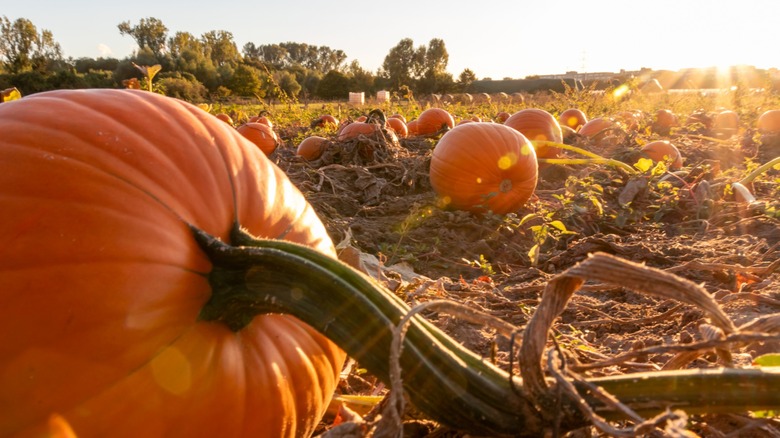
Did you know that pumpkin is a fruit? Because pumpkins grow from a flower, they are botanical fruits ... botanical fruits that pack a potassium punch! Just ½ a cup of pumpkin meat contains 465 milligrams of the good stuff. When cooked, pumpkin is exceedingly versatile and delicious in way more preparations than just pie! Autumnal curries, stews, and soups all sing with this big, orange fruit of the vine. Don't worry, however: we've still got you covered with a list of the seasonings that make up pumpkin spice blend.
Medjool dates
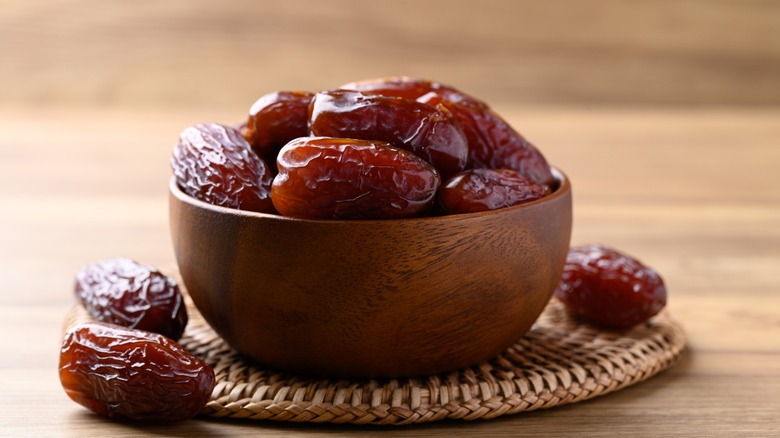
Just three Medjool dates contain 501 milligrams of potassium, along with a healthy dose of natural sugars and carbs that translate into a quick burst of energy. When you go gram-for-gram, dates actually have twice as much potassium as bananas. No wonder that date syrup is one of the best sugar substitutes for your coffee! Wrap a date in bacon, spear it with a toothpick, and air fry it ... you can thank us later. Alternatively, chop some dates in your oatmeal for a sweet breakfast that's not cloying.