

The Best 14 Veggies To Plant In Shady Areas
Parts of the United States that enjoy long periods of bright, warm weather are great for growing plants that fruit in the open air, such as these fast-growing peach trees. More than six hours of sunshine per day is considered a "full sun" environment, but not everyone is lucky enough to have those conditions. We've previously showcased the best varieties of cucumbers for the east coast, where the zones range from some of the country's coolest to warmest, so now it's time to shed light on the veggies that thrive in shadier places.
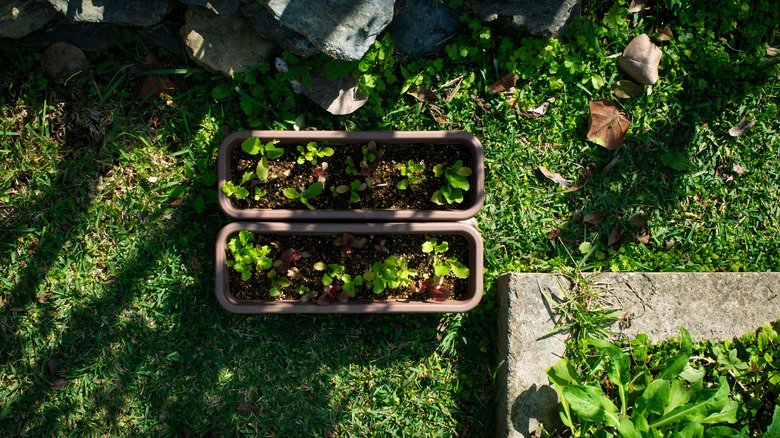
The variety of vegetables that will grow without a lot of sunshine might surprise anyone flexing their green thumb for the first time. Plenty of herbs, including rosemary, cilantro, and sage, thrive out of the limelight. Planting veggies that will do the same begins with understanding what kind of light you're working with. Four to six hours of sun per day, primarily in the morning but which can spill into the afternoon is deemed partial shade, while fewer than four hours is full shade. Armed with that knowledge, here's our round-up of veggies that do best with less sun.
Radishes
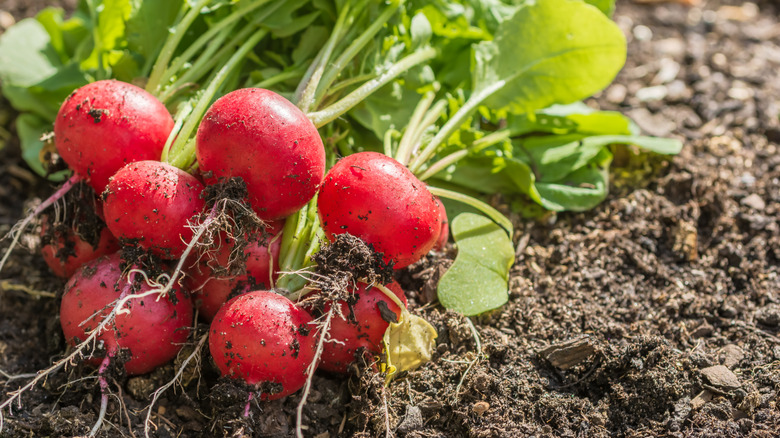
We think of radishes as a confidence-boosting vegetable, because even if everything else you plant withers, these tasty guys will grow just about anywhere. Many varieties like full sun to start with (so buy older, more established plants, rather than growing them from seed), but as they mature, your radishes will appreciate partial or full shade.
Mushrooms
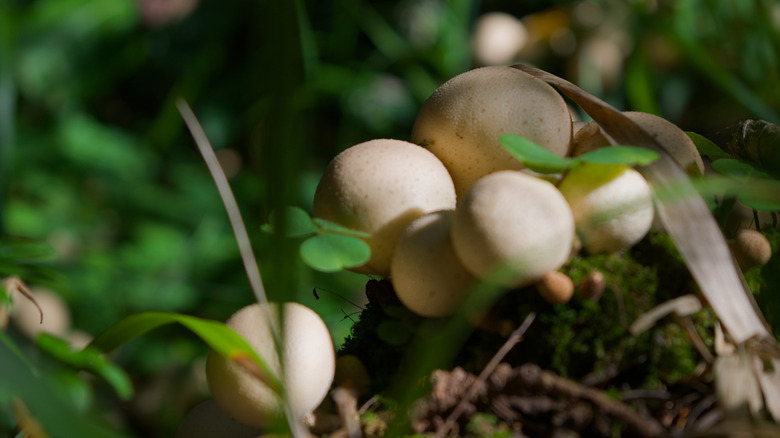
Hands up if you thought fungi only grew in the dark? When you think about it, nobody turns the lights off in a forest, where delighted foragers scoop them up. Your shady yard can be home to a supply of delicious mushrooms, from shiitakes grown on logs to garden giants that will thrive in your mulched beds. Yes, technically they're a fungus and not a vegetable, though we often treat them as such in dishes where they accompany many veggies anyway. Added extra: they can help reduce pests while enriching your soil.
Broccoli
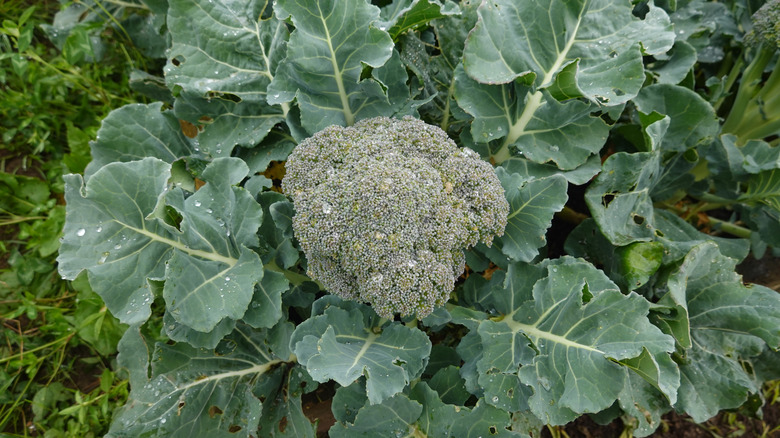
A garden with partial or dappled shade is the perfect place if you want to take your broccoli into the warmer, summer months. It is traditionally sown in the spring and autumn, so it's naturally used to cooler, less bright conditions. That said, it is worth remembering that the shadier the environment, the slower your broccoli will grow.
Peas
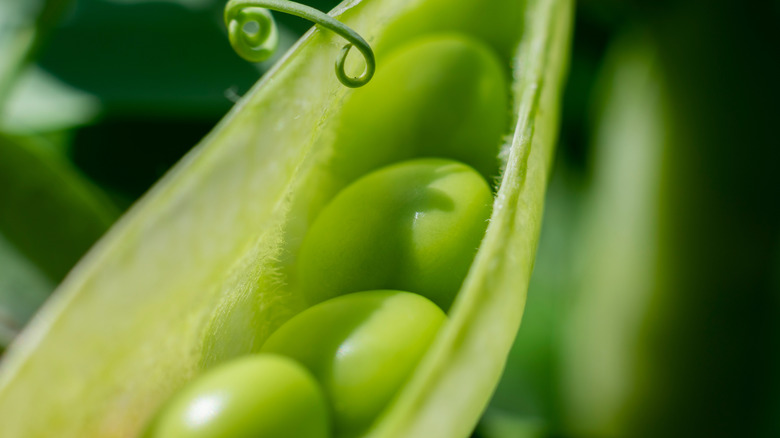
These veggies may be tiny but they can be mighty, even in a garden that doesn't get much sun. The trick with peas is that shady areas help to extend their growing season, so you can still enjoy their sweetness when summer comes around, or dry them for a source of fiber that's better than lentils. Plus, you can do the same with bean plants too.
Kale
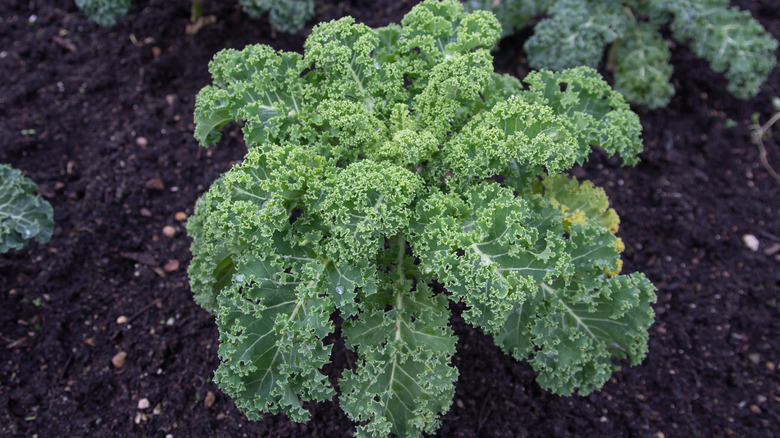
Guaranteed to be among the last leaves standing in a store-bought bagged salad, kale is also a mainstay in a shady garden plot. Just a few hours of sunshine is enough for them to thrive, and they're hardy enough to withstand both early and late frosts. What a fuss-free accompaniment to our miso and ginger-glazed salmon recipe!
Celery
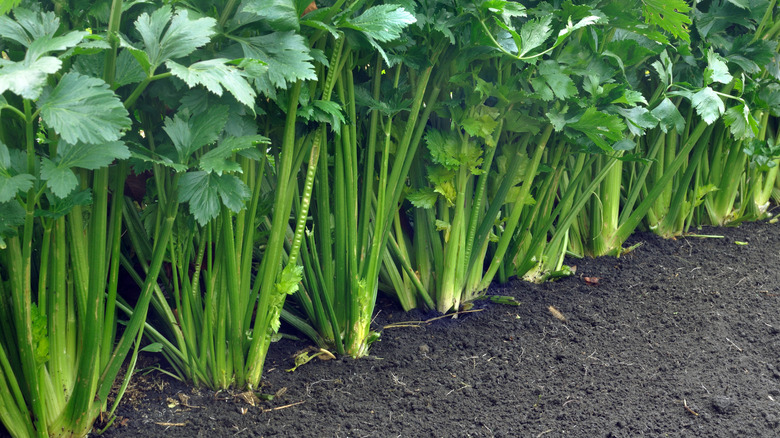
If you've previously tried to grow celery and found it bitter, it could have been exposed to too much sun. This salad staple prefers cooler, shadier climes, and full sun only in winter. Focus on keeping the soil fed and watered, and if you want whiter, sweeter celery stalks, blanch them by covering with mulch or card up to three weeks before harvesting.
Turnips
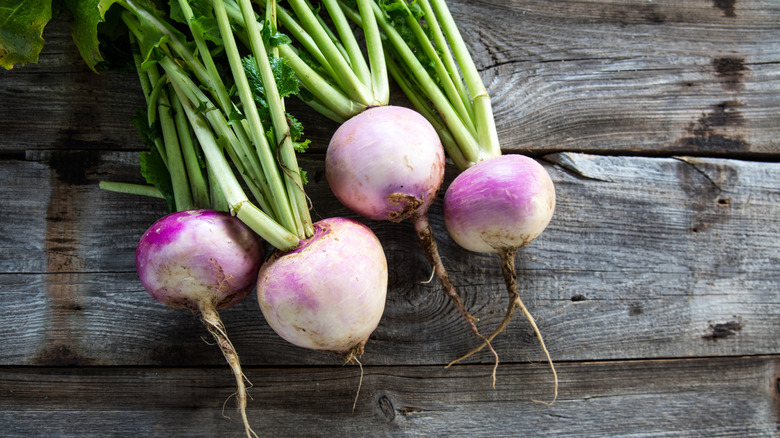
The humble turnip might not be as sexy as some produce, but for wannabe veggie growers who don't get a lot of sunshine, it's a winner every time. It delivers twice over, too, because you get the turnip itself — a delicious addition to several old-school winter soups — and picking the young leaves will keep your salad bowl full for weeks.
Carrots
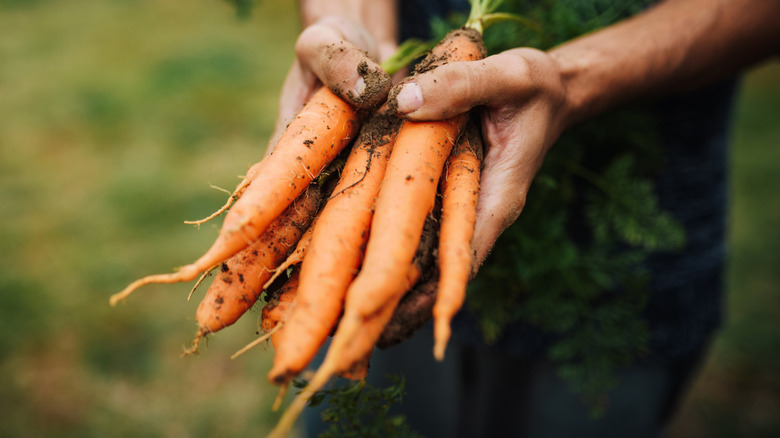
Growing these veggies in heavy clay soil can be a challenge, but partial shade? Not a problem for carrots, in fact they appreciate it in the warmer states. Cooler conditions can stop them splitting, which might make for the occasional amusing vegetable, but can cause bitterness, as well as prevent bolting.
Beets
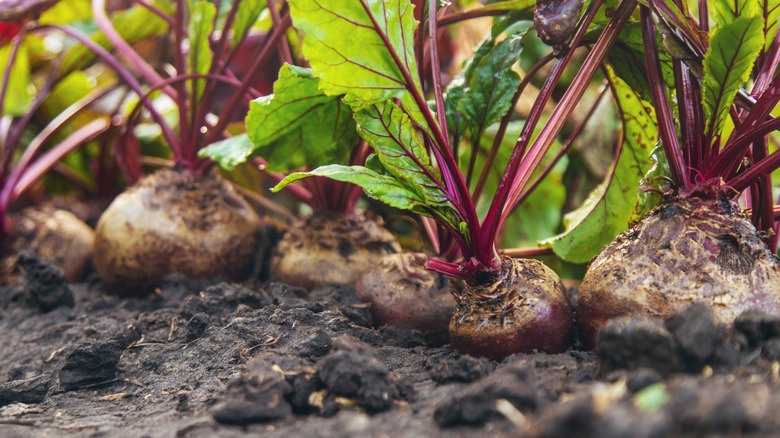
Gardens with barely any sunshine are ideal for beets, which don't just relish the cooler conditions, they will take single-figure temperatures in their stride. As well as producing those rich, red bulbous roots that can be used for all kinds of recipes, beet greens are better than bananas as a source of potassium.
Scallions
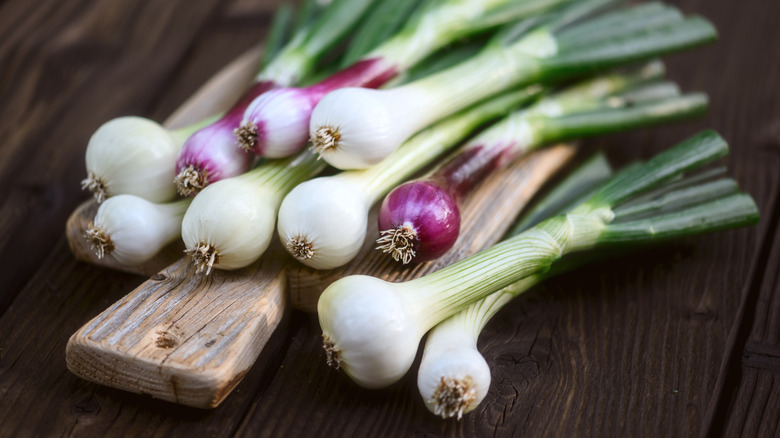
Nothing beats a sprinkling of fresh scallions – not to be confused with green onions — on a sauteed fillet of salmon, or topping a fluffy pile of mashed potatoes, except maybe snipping up ones that you've grown yourself. Planting them in a shady spot slows down their growth, reducing the risk of bolting and extending their season, so you enjoy them for longer.
Spinach
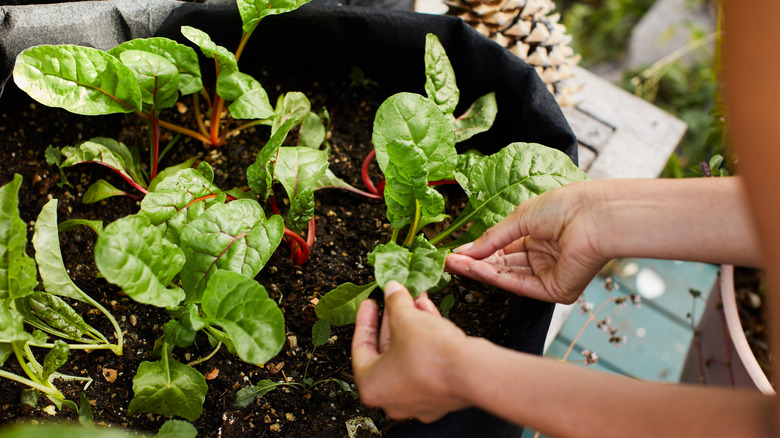
Like many veggies, spinach will happily grow in full sun, but planting varieties like Bloomsdale Long Standing in partial shade also has plenty of benefits. If it goes in the ground around summer to fall, you'll still achieve decent growth from this leafy green, while the reduced light exposure will cut the risk of it bolting too.
Brussels sprouts
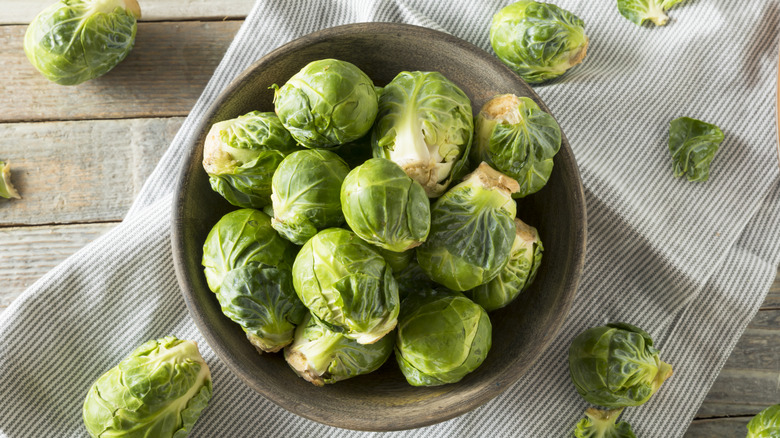
If you want to harvest armfuls of happy Brussels sprouts in the fall, plant them in a shady garden at the end of spring. These slow-growing members of the brassica family prefer to be out of direct sunlight, and will give you sweeter veggies as a reward, perfect for crisping up in the air fryer.
Lettuce
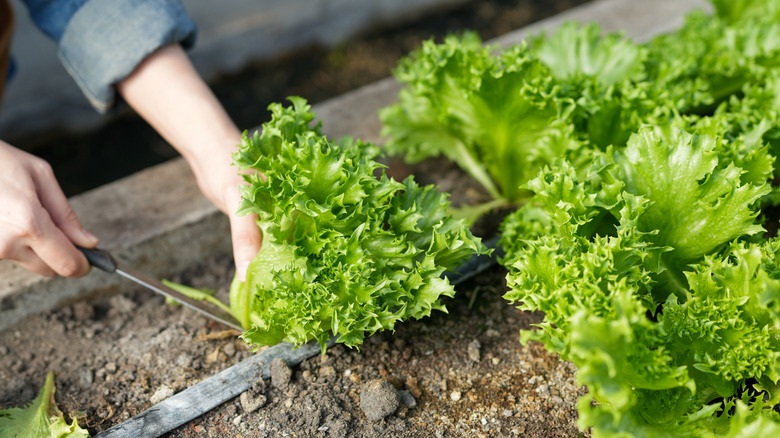
Make sure you never run out of fresh salad during the summer months by keeping your lettuce plants in a shady place. Tasty varieties including butterhead and loose leaf will be the gifts that keep on giving, as the cooler conditions are better for their roots, giving your lettuce crop a longer life.
Tomatoes
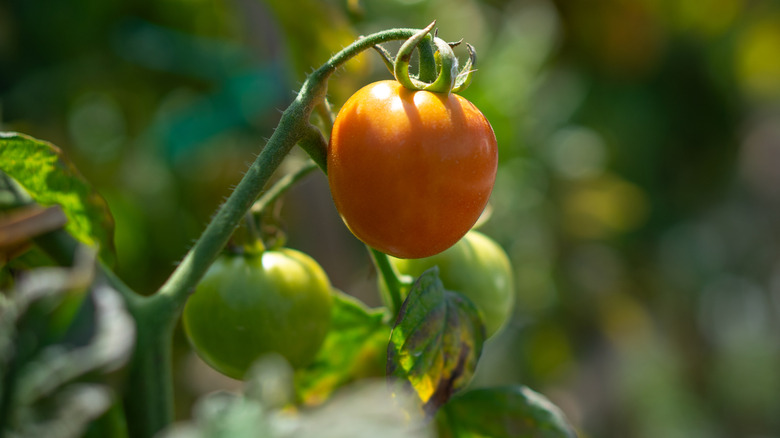
You can add this to the list of facts to know about tomatoes: Several varieties will fruit even in gardens with partial or no shade — and not just the cherry kind. Roma, Green Zebra and Black Krim are among the best types to cope with less sun exposure. The trick is to find ones with a short growing time of 50 to 60 days and give them more time in however much sun your garden gets to ensure they fruit.