

Plant These 10 Companions Next To Your Peppers To Help Them Grow Bigger Than Ever
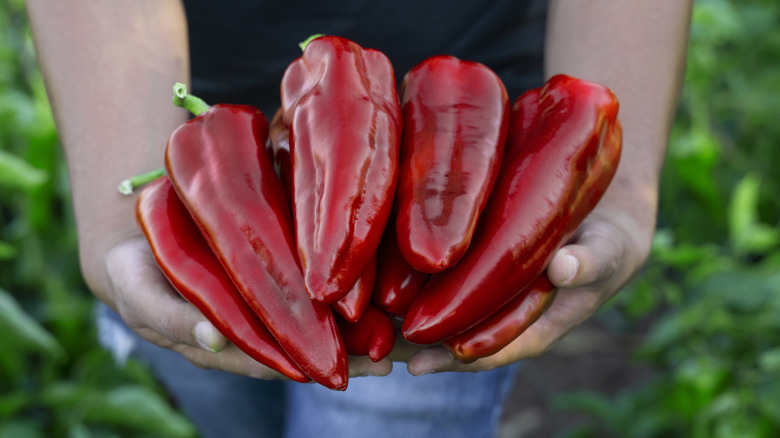
Peppers bring a burst of color to the garden, with flavor profiles ranging from hot to sweet. We've previously showcased the best fertilizer for growing peppers, but your harvest will also benefit from smart companion planting choices. There are many herbs, flowers, and other veggies that will give your pepper plants a natural boost, acting as pest deterrents, "trap" crops, or soil enrichers, without causing chaos in your plot.
If you've never grown peppers before, it's worth knowing there are some species to avoid planting close by. They include strawberries, which can attract slugs and snails, fennel, which emits an odor that can inhibit your peppers' growth, and potatoes, which gobble up vital soil nutrients. Give those bad guys the widest of berths and instead, ahem, pepper your plot with one or more of these companion plants, to increase your chances of enjoying a bumper pepper harvest.
Hot cherry peppers
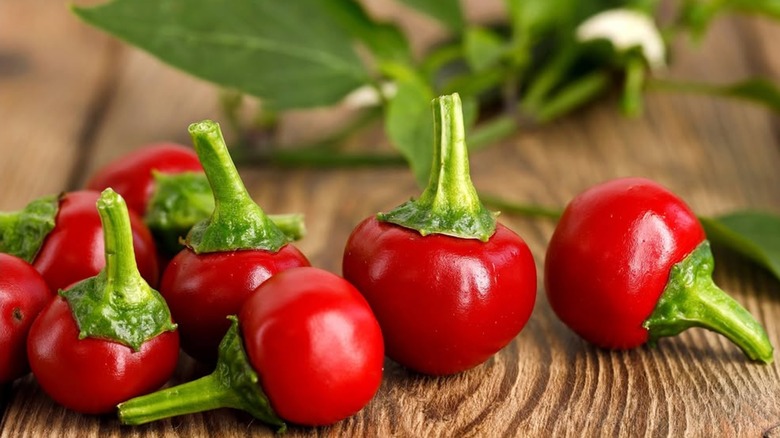
Not as fiery as their name implies, this smaller member of the pepper family still packs a flavor punch, but it's also one of the best companion plants for the bigger varieties. Pepper maggot flies are drawn to them like moths to the proverbial flame, and will happily chow down on the cherry variety, leaving your bell, jalapeño, or other pepper plants untouched.
Borage
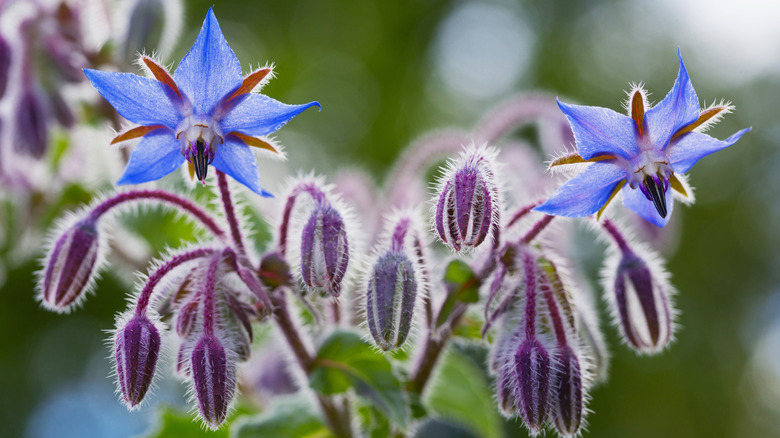
If you're looking forward to gathering baskets of habanero peppers this season, your chances will likely improve if you pop a couple of borage plants in the ground next to or near them. Research published in the American Society for Horticultural Science suggests its ability to attract pollinators can increase pepper plants' output, and many gardeners agree. Aside from the stunning blue flowers that are brilliant scattered in salads, borage has another benefit for pepper growers — hornworms can't stand it.
Beans
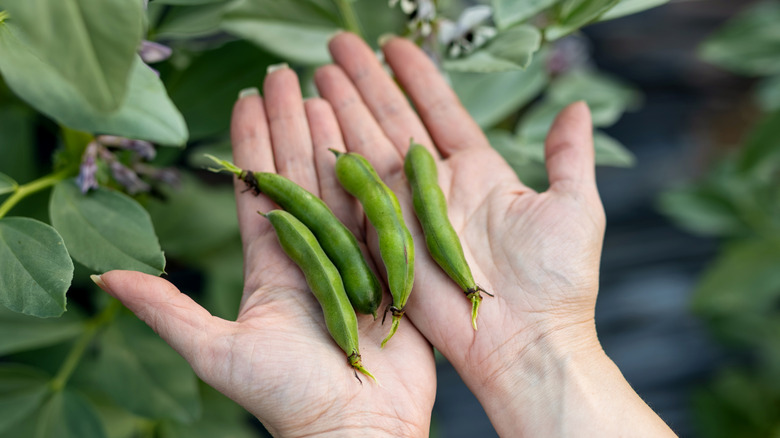
These legumes are the home gardener's companion plant BFF. Not only will they help you grow more zucchini than ever, they'll do the same for your peppers. Get your pot-grown tomatoes right and you'll have ratatouille for days! Add cowpeas, bush beans or fava beans to your plot to ward off aphids and fix nitrogen in the soil, while the smaller varieties make a wonderful living mulch.
The daisy family
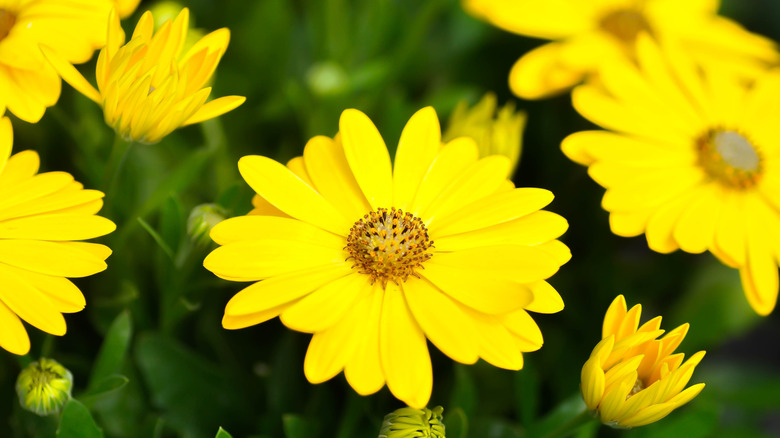
The mint family offers a plethora of herbs you can plant once and enjoy forever, and the daisy clan does something similar; providing a slew of companion plants for peppers. Marigolds are arguably the most popular to sow among your veggies, thanks to their pest-repelling powers, but calendula draws aphids, while zinnias and cosmos are among the prettiest ways to attract pollinators.
Cilantro
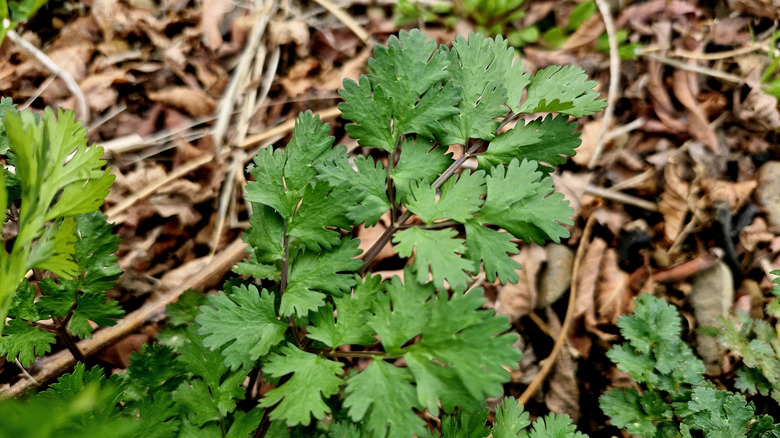
Imagine snipping fresh cilantro from your garden and adding it to this simple, classic chimichurri recipe! If that's not a good enough reason to grow some near your peppers, it's also an effective lure for a host of pest-eating insects, such as ladybeetles and lacewings, as well as pollinators. Cilantro isn't the only member of the Apiaceae family to banish beasties — parsley and dill will also do just as good a job.
Clover
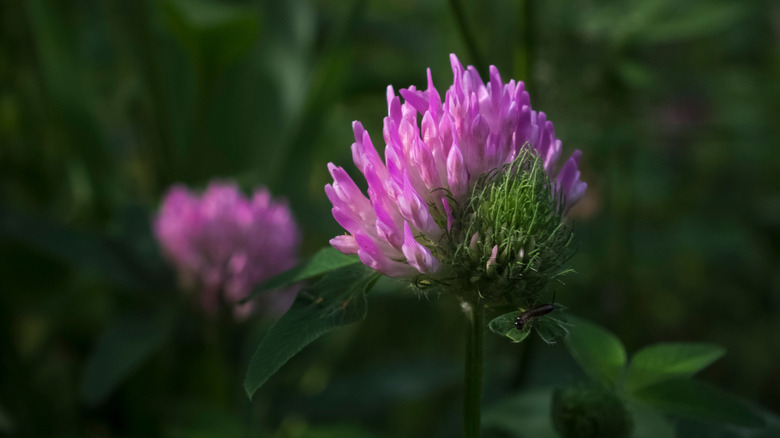
Carpets of white or red clover aren't just beautiful to look at, they're an outstanding companion plant for peppers and other veggies in your plot. Those glorious flowers are magnets for bees and other pollinators, as well as big-eyed bugs, which might not look pretty but they're hungry for critters including aphids and mites. Clover also adds nitrogen to the soil and fixes it, providing the much-needed nutrients for bigger peppers.
Basil
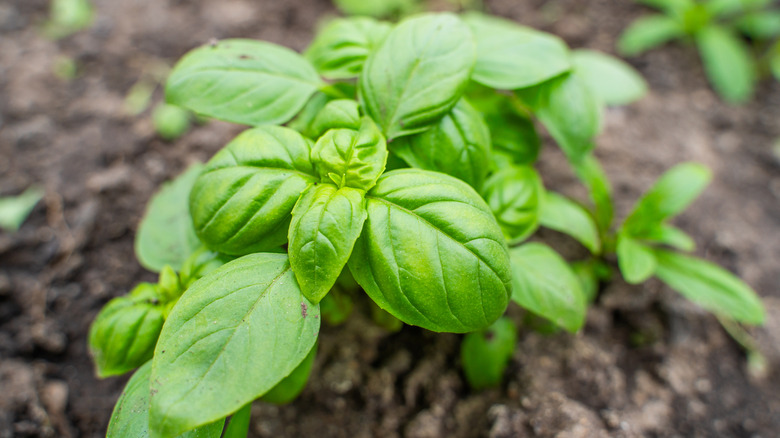
We know that basil and tomatoes help each other grow, but this popular herb is also fabulous for pepper plants too. Thrips, one of several insects that have an appetite for pepper plants, are repelled by basil's powerful odor. The culinary herb is also good for keeping whiteflies, spider mites, and aphids away from your peppers, as well as any tomatoes.
Alliums
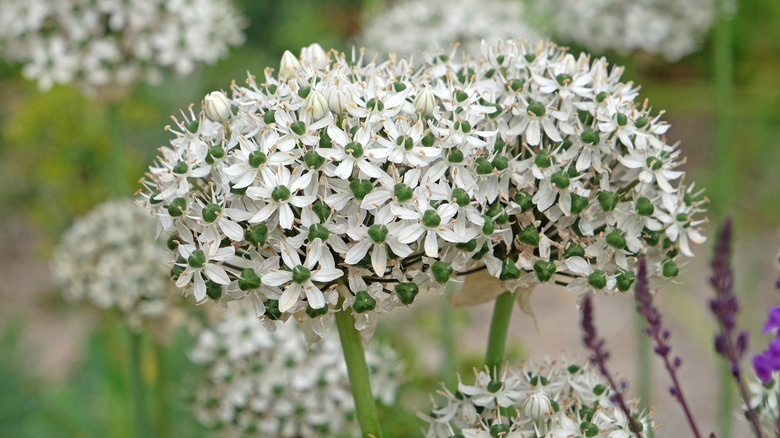
Love your leeks? Know your onions? Got a hankering for garlic? Plant one or more members of the tasty allium clan and you'll have the base for a million dishes plus you'll boost your pepper yield. There's a laundry list of insects repelled by the strong scent of these plants, including hornworms, slugs, and aphids, while also filling out any gaps in your beds. Let the chives flower and you'll get beautiful blooms for pollinators, too.
Nasturtiums
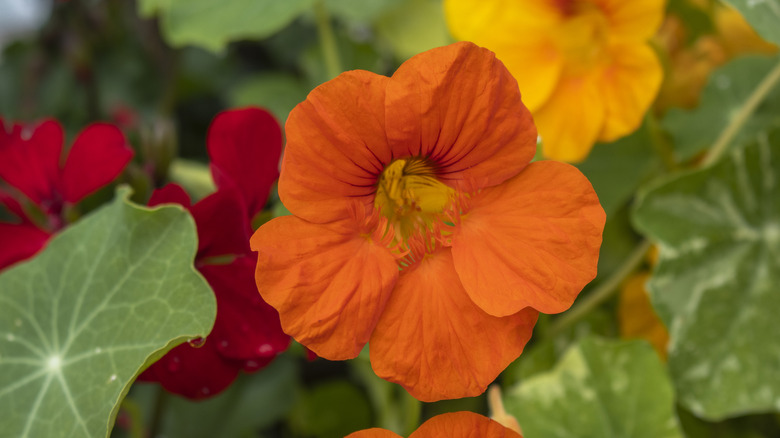
Martha Stewart counts these edible flowers among her must-have, unexpected ingredients, but green-fingered pepper growers won't be surprised. They are one of the most efficient trap crops for aphids, while also providing a home for lots of critters that feed on garden pests. Those vivid red, yellow, and orange flowers are a boon for pollinators, while the ground-covering leaves are great for keeping the soil cool and moist.
Bok choy
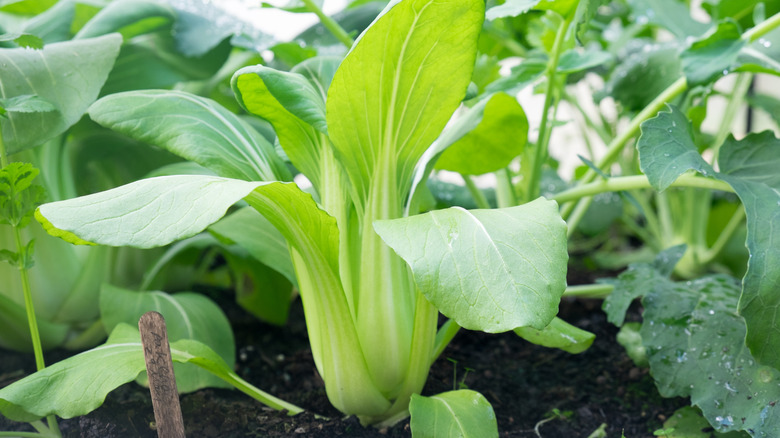
Nothing is more disheartening than finding young pepper plants with leaves full of holes thanks to the greedy flea beetle. Give them the boot without resorting to chemicals by growing bok choy near your pepper plants, which these pesky critters much prefer. The leafy greens can take the damage and, when they're ready to be picked, you can pair them with black bean sauce for this delicious dish.