

Boomers Hate This Modern Menu Trend, And We Can Honestly See Why
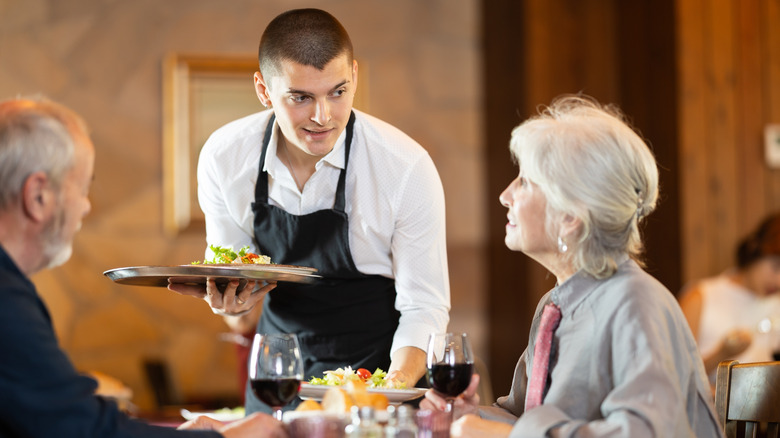
For a restaurant patron, there exists a vast world of unspoken rules to observe when dining out. There's the common sense etiquette involved when splitting a check and special rules to follow when bringing pets to restaurants ... and let's not even get started on the ins and outs of tipping. And, yet, in the eyes of older guests, one major faux pas being committed by the restaurants themselves is the QR code menu.
According to quite a few sources, perhaps nobody hates being asked to read a menu on their phones more than older folks. Not all members of this age cohort are tech-savvy enough to handle the actual process, and many with deteriorating eyesight complain of having to squint to read the fine print on their iPhone or Samsung. Is this a case of oldheads acting like total "Karens" (a problematic stereotype, tbh), or is there some merit to their hatred for QR code menus?
Honestly, we gotta hand it to our parents and grandparents – they have a point. It can be argued that gatekeeping menus behind technology is fundamentally unfriendly to customers of all ages, as it perhaps shows a lack of hospitality to not print a menu for guests. Moreover, there are concerns with the security of QR codes in general, especially those that lead to platforms that both display a menu and accept payment. Plus, many people want to unwind when they eat out. Having to stare at a phone screen can be construed as antithetical to the ritual of relaxing with loved ones over good food and warm conversation. The phone's necessity is unwanted, in this case, and not just by Boomers.
Why do restaurants inflict QR codes on the public?
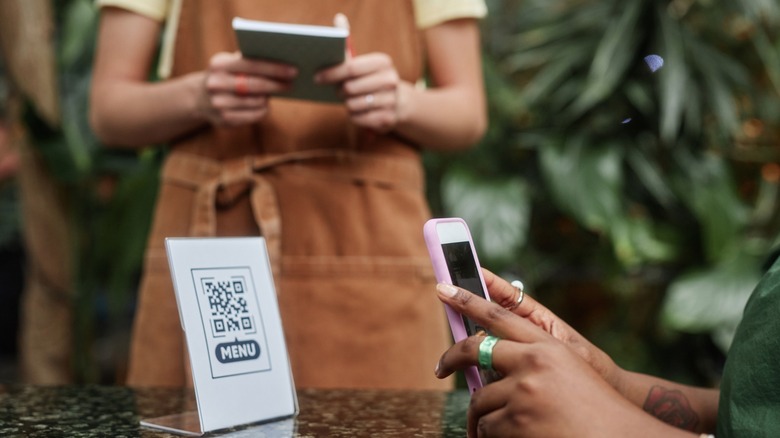
QR code menus became popular during the COVID-19 pandemic as a way of minimizing points of common contact by the public. Over the early 2020s, restaurants became hip to their advantages, and many were loath to print menus again even when the threat had lessened. First of all, menus are expensive. If a restaurateur changes the bill of fare or wants to change prices, a whole new round of menus has to be created. The costs add up. A web-based menu, on the other hand, can be amended quickly, as well as integrated with loyalty programs or payment platforms. If customers additionally use the QR code to send orders to the kitchen, restaurants cut down further on costs associated with extra waitstaff.
What it comes down to, however, is that some restaurant patrons hate QR codes to the point that they will refuse to patronize an establishment using them exclusively, which is a money-losing proposition. "Where is the charm of holding menu cards, turning pages to decide the food?" asked one Redditor rhetorically. "Why must the phone always be on? We need some off time with our company without the constant screen presence."
Another Reddit thread offered a nuanced take: "To me, it's a sign of misalignment when you get a QR code. Any restaurant that wants to present an elevated experience and has a complex, or seasonal menu, has to include prints as a cost of doing business." In other words, a restaurant that has what it takes to get a Michelin star probably should shell out on menus and not alienate potential customers ... no matter how old. Middle-of-the-road establishments might be excused, but not all customers will tolerate the cost-saving measure.