

Grow Spicier Peppers Than Ever With This Clever Watering Trick
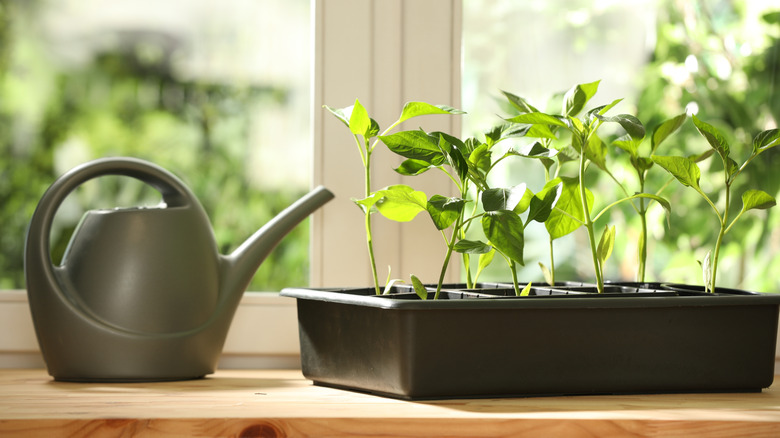
We've previously showcased the companion plants that will boost the size of your peppers. If you prefer the hot varieties but have found they are lacking in oomph, we've got an easy fix: Cut back on the watering. Putting pepper plants under a little water stress prompts them to produce more capsaicinoids, particularly capsaicin and dihydrocapsaicin, compounds behind the all-important heat in peppers. This natural defence mechanism not only deters predators from eating the vegetables, it intensifies the hot spice.
The trick works in the same way that reduced watering enhances the flavor of tomatoes which, like peppers, are members of the nightshade family of plants. For hotter pepper species, only give them a drink when the leaves start to wilt — though this can be a symptom of overwatering too. Keep in mind peppers originated in very warm Central and South American countries, so if you live in a cooler zone, they automatically need less water than you think.
There is one downside to putting your pepper plants under water stress: Although they'll bring the heat, you will likely have fewer of them to harvest. It's worth noting that there's no point in dialling back on watering your prized bell peppers as they contain zero capsaicin, which is why they are sweeter rather than spicy.
Other issues that could influence your pepper's heat levels
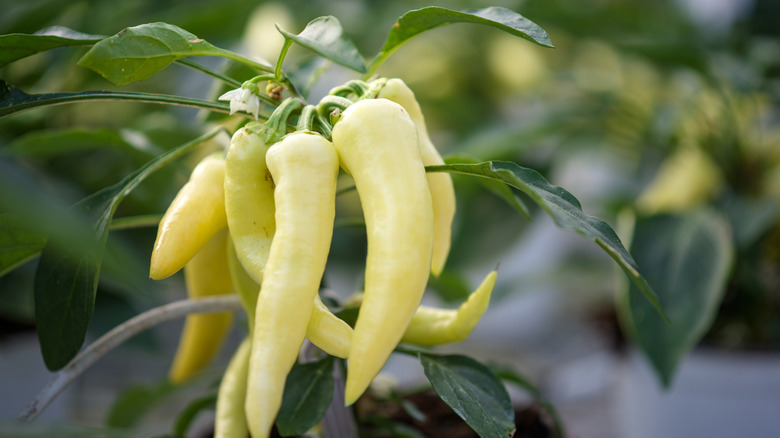
There are lots of varieties of hot pepper, from the relatively mild poblano to the spicier habanero. Overwatering can dull their flavor (though you'd need an ocean for Pepper X, the hottest in the world), but it's not the only reason why your peppers may be a bit meh. Too much nitrogen will make for a happy, leafy plant, but that's the opposite of what you need for hot peppers! Inversely, if your soil is lacking important nutrients, such as potassium and phosphorus, that could hinder growth and negatively affect the flavor of your peppers. That's why it's important to use this fertilizer for growing peppers to get the best results.
Cross pollination between pepper plants also has the potential to impact their heat levels if you plant your hot species close to bell varieties, and you use each season's seeds. Keep your sweet peppers at arm's length from their hotter brethren and that shouldn't be an issue. It's also worth bearing in mind that each pepper species has a built-in heat range. Jalapeños, for example, can vary from 2,500 to 8,000 Scoville heat units, and your plant could naturally be milder or hotter. Even on the same plant, the spice and flavor levels of each pepper produced will be slightly different. Hold off on the water, keep an eye on the fertilizer, and you'll be rewarded with a summer of spicy peppers.