

Grow These 12 Cucumber Varieties For The Best Homemade Pickles
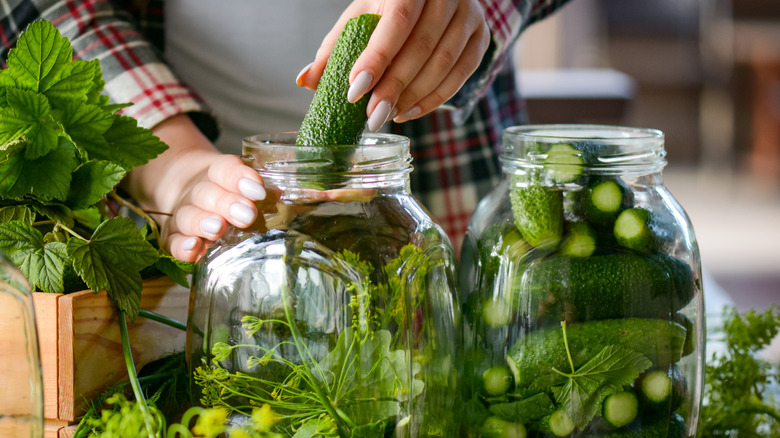
As a nation, we're a little bit obsessed with pickling vegetables. Carrots, okra, beets, onions ... We will take just about anything and put it in a jar with some sort of vinegar, then gleefully spend the rest of the year chomping them down. In 2022, there was a pickle craze, which saw everything from potato chips to ice cream up for grabs. Even if the weirder examples aren't your bag, there's no denying that cucumbers are king of the veggie pickling crop. Their taste is a world away from the fresh salad kind, serving everything from tangy to sharp, depending on what they're pickled in.
But it's not just the liquid that gives pickles their nuance. There is a wide range of cukes that are perfect for pickling, each bringing a unique flavor and texture to every jar. Green-fingered home cooks growing cucumbers, who also popped in these companion plants for a bumper harvest, will be lining up their jars in anticipation of a monster pickling session. But which varieties are ideal for this delicious storage method? Let's dig into it!
Kirby
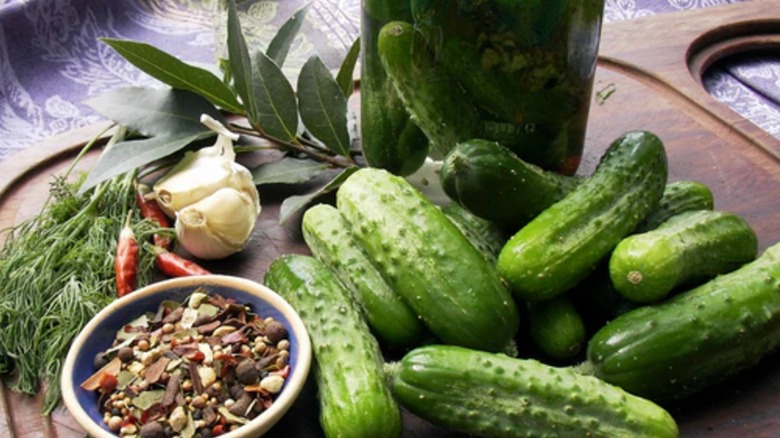
Don't want to wait around for your pickles? Then the classic Kirby is the cuke for you. It grows vigorously and fruits early, giving handfuls of those iconic stubby, bumpy cucumbers that we all love, even turning them into popsicles! If you want a specific variety of Kirby, we recommend Endeavor, which has all the traits listed above and is delicious whether you eat it fresh off the vine, pickled or turned into relish.
Persian
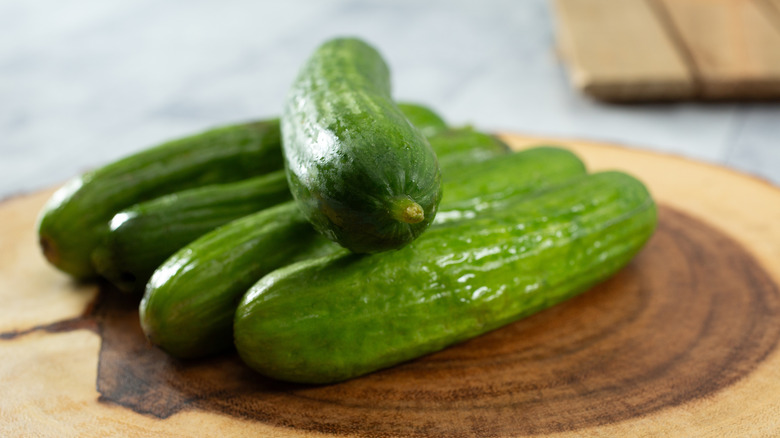
If you like your pickles with plenty of crunch, then Persian cucumbers are a must-try. An English cuke mini-me, Persians have a similarly thin skin and sparse seeds, with a crisp bite that screams summer salads. They're super-easy to grow in a range of zones, and you can start picking them nice and early too. These cukes are perfect for pickling too, whether you choose to preserve them whole or cut them into spears or rounds, and add a crushed chili for a truly next-level snack.
Gherkin
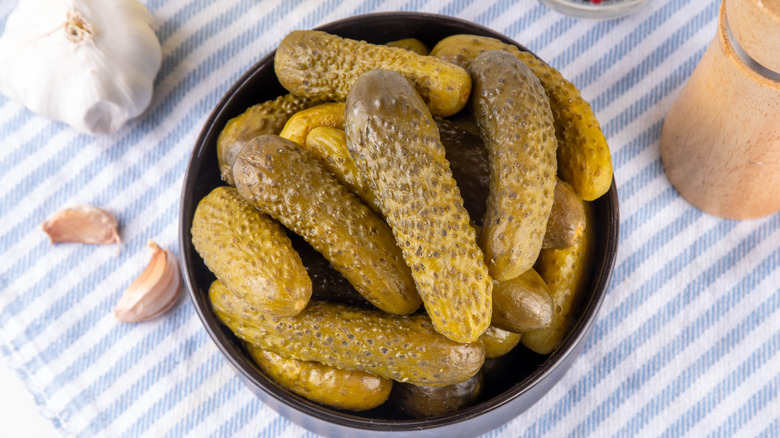
The tiny but mighty gherkin cucumber – also known as a cornichon — might not look pretty but it is widely adored in its pickle form, where it brings mouthfuls of zing to charcuterie boards everywhere. They need lots of water and sunshine, and fare best in well-drained soil. Fresh gherkins are 100% edible straight off the vine but when they're so tasty plucked from the jar, it's easy to see why more of them end up pickled than popped on a salad.
English
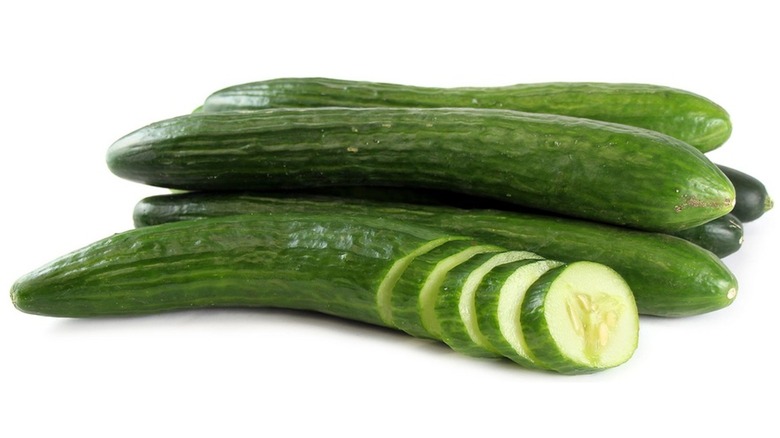
Equally at home in a crusts-off sandwich or whipped into a cooling dip, the versatility and mild flavor of English cucumbers also makes them a solid choice for pickling. They love growing in a greenhouse, so gardeners in colder zones don't miss out, and it's better for the veggies if they're supported on a trellis, rather than left on the ground. Controversially for some, these cukes create a softer snack. We think pickled English cucumbers could be a genius way to upgrade a boring hot dog.
Northern Pickling
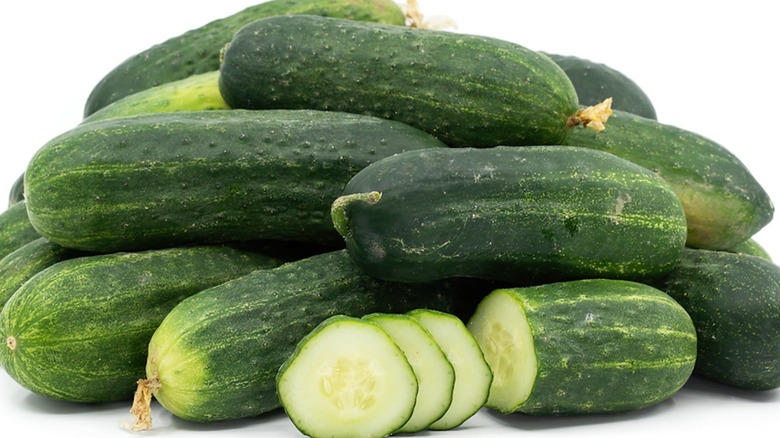
Sometimes known as Northern Pickler, this productive, popular, and precocious cuke is an ideal cucumber to grow in a range of zones. It looks a little like a zucchini, with pale stripes running the length of the fruit, and a few bumps in the thin skin, but Northern Pickling is a star when it's preserved, giving plenty of bite, with flesh that stays crisp and delicious. It also makes for a moreish relish.
Armenian
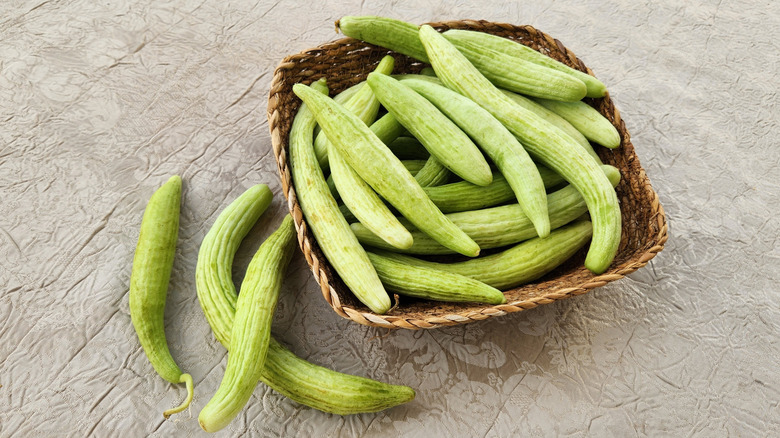
If you live in a cooler zone and have planted Armenian cucumbers, be patient, as they need warmer weather to get going. But when they do, you'll quickly be rewarded with armfuls of funky-looking cukes with a ridged texture and zero bitterness. Once your fridge is full of them, you can pickle them. Pairing them with dill is a popular move, turning those long, pale fruit into a snack you'll keep coming back to again and again.
Boston
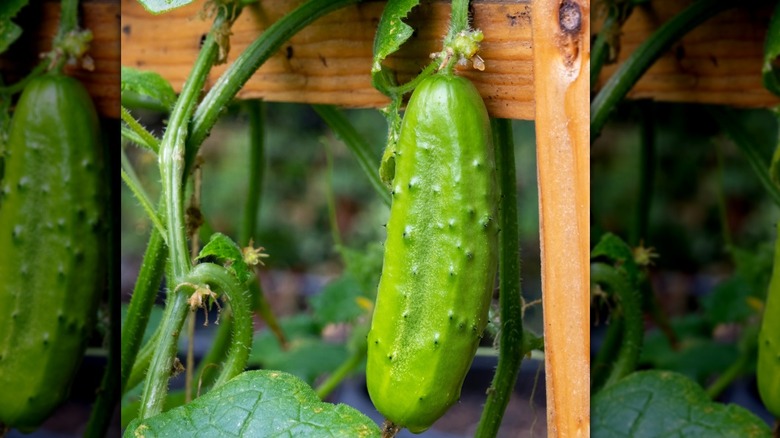
One of the most popular cukes for pickling, Boston cucumbers taste fantastic but be warned — this 19th-century heirloom variety will keep growers on their toes with bumper yields that just keep on coming. It's no fan of the cold if you're in a cooler zone but, once it starts to bear fruit, you'll be handing out jars of crisp, zingy Boston pickles to family, friends, neighbors, and work colleagues.
County Fair
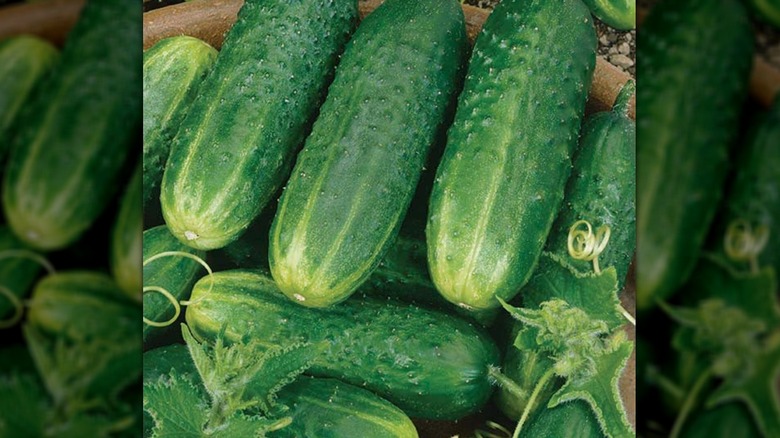
Sweet and nearly seedless (as long as they are not planted close to other varieties), County Fair cukes are an F-1 hybrid, and a fave among many gardeners, thanks to the plant's resistance to bacterial wilt and guaranteed bitterness-free fruit. Its vigorous vines need full sun, and while plenty of County Fair cukes are delicious eaten fresh, it will give you pickles that are full of flavorsome crunch.
Little Leaf
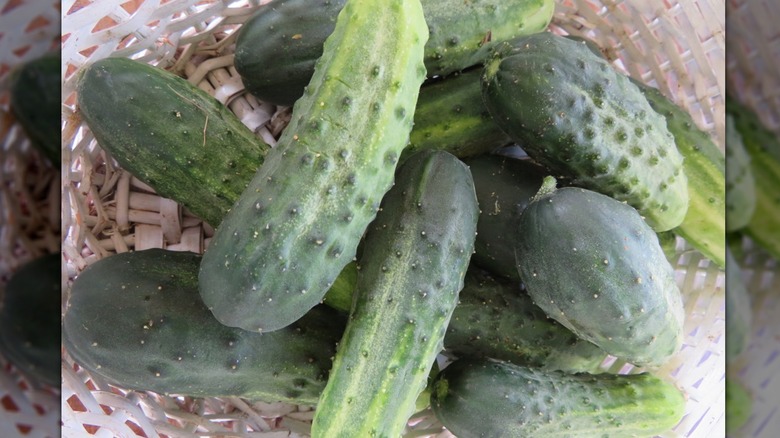
Developed by the University of Arkansas, Little Leaf is reliable in every sense of the word. As the name suggests, it's a compact variety, ideal for growing in planters if you have a smaller garden, and parthenocarpic too, so you don't need to worry about pollination to get fruit. As if all that wasn't enough, they're seedless to boot. Little Leaf cukes' handy size and balance of juicy flesh with crunchy peel make them ideal for pickles.
Diamant
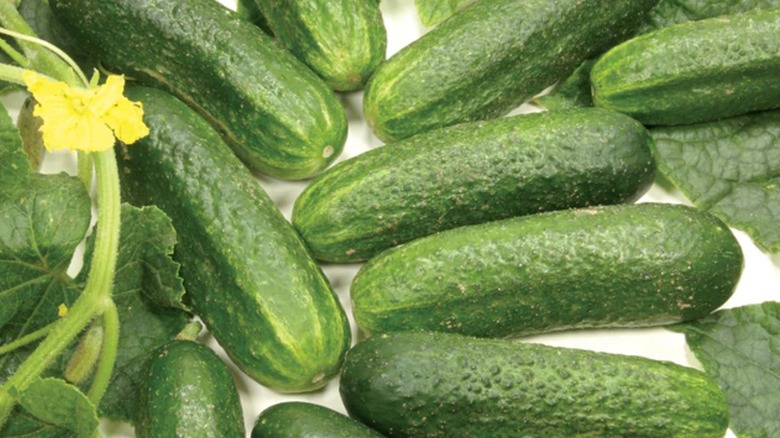
Experienced gardeners will try their hand at a range of cucumber varieties but if it's your first rodeo, Diamant cukes are a great way to get started. These hardy, disease-resistant plants prefer growing on the ground though they would tolerate this weather-resistant Walmart trellis. Happily, Diamant will still be producing veggies long after other species have given up the ghost and, like Little Leaf, have plenty of tasty flesh underneath that slightly spiny skin. They pickle brilliantly, pairing a mild flavor with a crisp bite.
Snow's Fancy Pickling
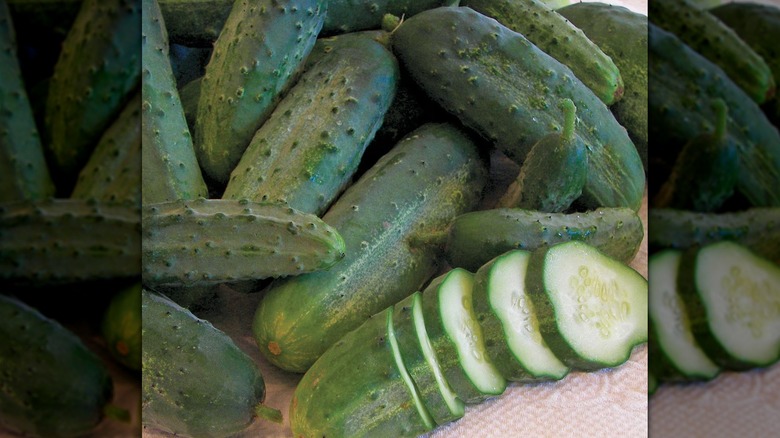
We're suckers for anything labeled "fancy" so we couldn't pass up the chance to showcase this heirloom cuke, developed by J. C. Snow of Rockford's Snow Pickle Farm. Give it full sun and something to climb on, and in around 60 days, you'll be picking ample amounts of slender cucumbers, ready for your pickling jars. Although that's their primary purpose, don't sleep on slicing them into a salad to enjoy their sweet crunch straight off the vine.
Muncher
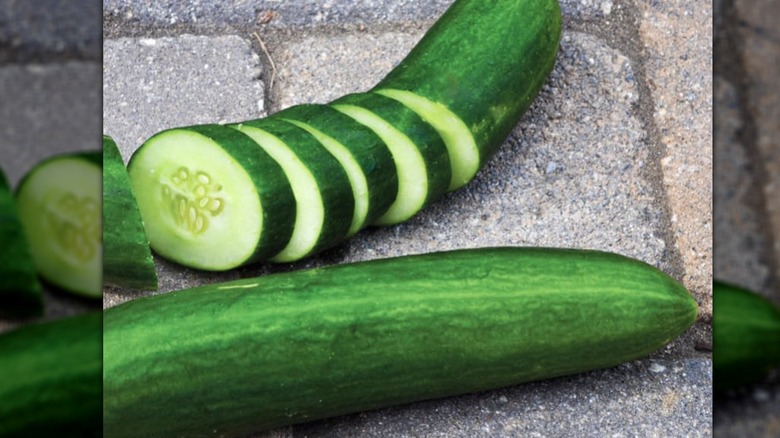
One taste of these snack-sized cucumbers and you'll see why they couldn't be more aptly named. To get the best harvest, plant them in nutrient-rich soil, trellis them for maximum air circulation, and watch out for their thin, sharp hairs when you handle them. Pick your Muncher cukes every day to ensure a steady supply throughout the growing season, and if you're a fan of a softer pickle, this one's a winner.