

Plant These Veggies Next To Your Cucumbers For A Massive Harvest
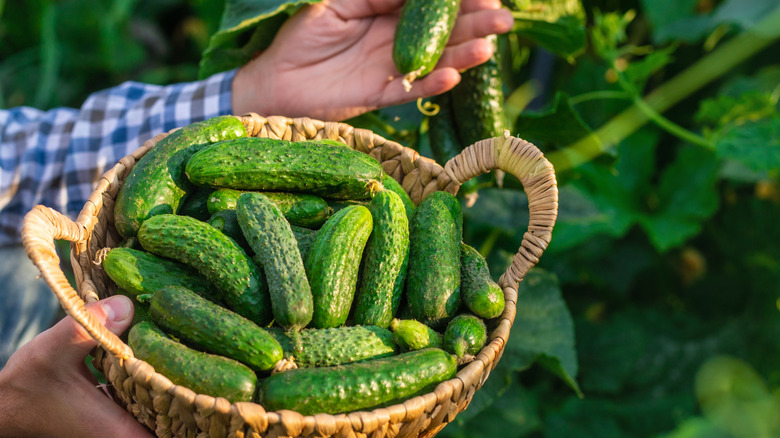
Back in 2024, folks around the world made TikTok's viral cucumber salad, giving the juicy cuke a social media boost. A few years on from that trend, it's still a wildly popular veggie, with more people than ever having a go at growing their own. After you've determined which are the best cuke varieties for where you live, it's worth considering what you're going to plant alongside them. Several species make ideal companion plants for cucumbers, either because they offer some form of protection, climbing support, or nutritional boost to the soil — but there are three you should firmly avoid.
While sage can help your tomatoes grow bigger than ever, don't be tempted to dot your cucumber plot with either it or basil, as both can stunt the fruit's growth. Avoid potatoes and melons too, as they can put cukes at increased risk of disease and pests. Now they're out of the way, let's take a closer look at the companion plants that will help give you a massive cucumber harvest.
Beans
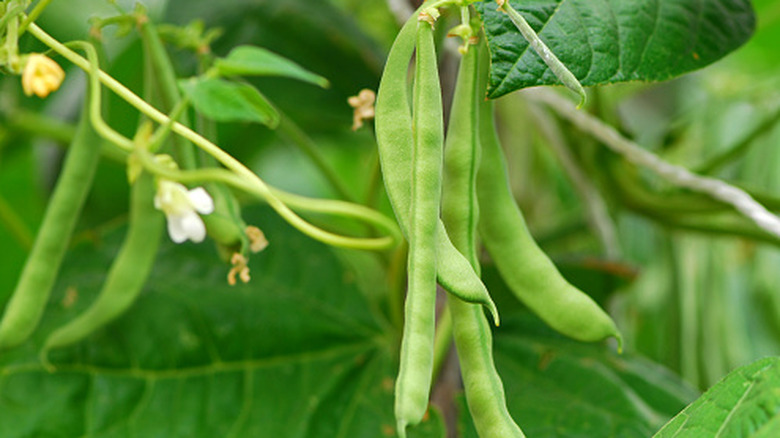
Seasoned gardeners know that beans and zucchini make perfect bedfellows, but they're not the only veggies to benefit from this smart partnership. Sow pretty much any variety of beans next to your cukes, and you'll need all the storage space you can get for your fruit. It's all down to the nitrogen that beans take from the air and help to fix deep in the soil, which the cucumber plants happily feed on, potentially nixing the need for extra (or chemical) fertilizer. Peas, alfalfa, and lentils will do the same, too.
Sweet corn
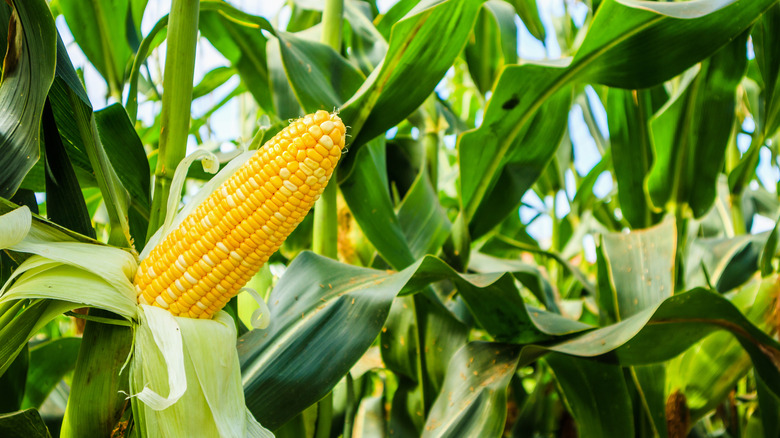
Growing cucumbers vertically can be a snip, thanks to garden hardware like Walmart's weather-resistant trellis, but if you want a plant to do the heavy lifting, look no further than sweet corn. It acts as a natural frame for your cukes to climb up as they grow while also offering much-needed shade in the height of summer. If you're bothered by cucumber beetles, corn can also work as an effective repellent. In a cool win-win, if you're keen to harvest the corn, it turns out that raccoons anecdotally aren't fans of the smell or texture of cukes.
Root vegetables
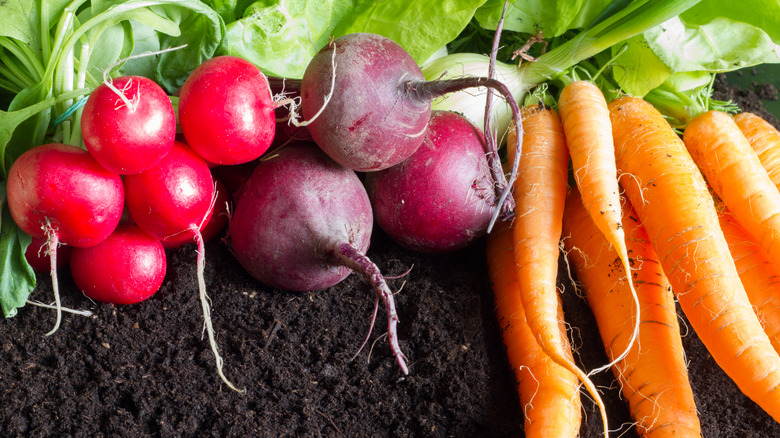
I can almost stand and watch my clay-heavy soil turn to rock in the summer, leaving my poor cukes struggling to grow. Luckily, there are several veggies that can come to the rescue here: root vegetables. Radishes, parsnips, beets, and carrots (assuming your soil is soft enough to grow them) are all great companion plants for your cukes. As well as reportedly deterring pests, they also help break up the soil without taking up too much space, making it easier for cucumber roots to access the nutrients they need to bear fruit.
Peppers
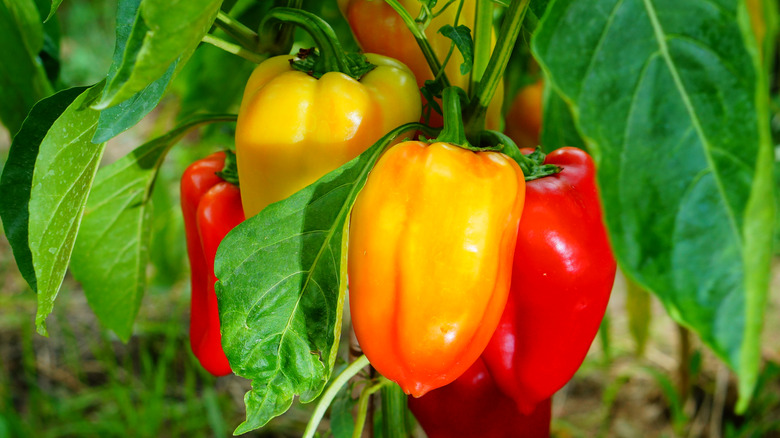
Proof your companion plants can have very similar characteristics to cucumbers and still be cool is delivered courtesy of the humble pepper. It, too, is a heavy feeder, and, as long as you make sure both are adequately watered and fed, there will be practically no competition in terms of resources. In fact, your cukes come off marginally better, as their proximity to the peppers protects them from nibbling nematodes in the soil. Bumper crops galore!
Celery
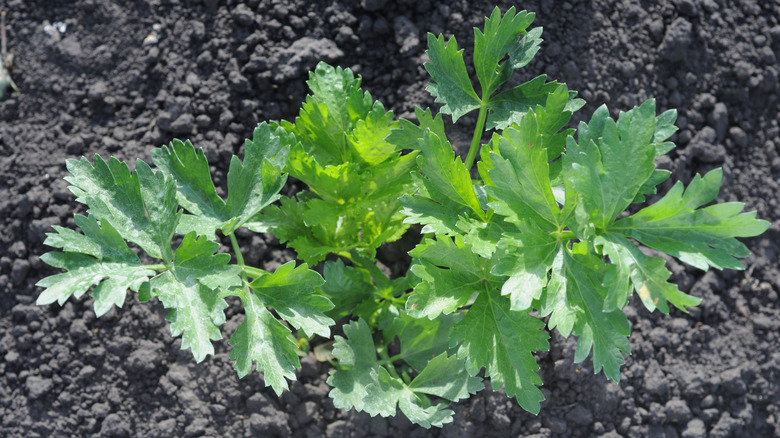
If you've ever written off celery as the dullest salad vegetable of all time, allow us to try and change that viewpoint. The earthy aroma it gives off is detested by pests, including aphids and whitefly, who will promptly give your nearby cukes a wide berth. Scientists have also examined this pairing. In 2020, a study suggested that planting celery next to cucumbers could reduce instances of Fusarium wilt, a fungal disease carried in the soil, in cukes.
Lettuce
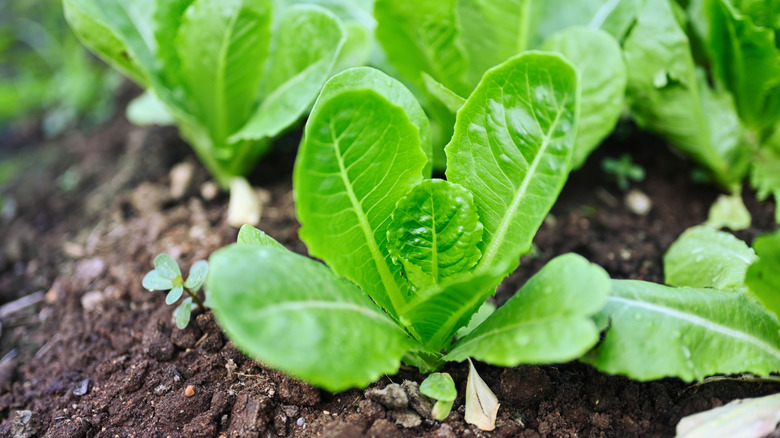
We know the best kind of fertilizer to use for a bumper lettuce crop, but this leafy green can also be your cucumber plants' uncompetitive BFF. Sown in between or otherwise close to your cukes, lettuce grows to create a carpet of protection for the plants' roots, keeping them cool and the soil moist as the summer wears on. Spinach will also do the same job, reducing the amount of water you use while also providing more goodies for your salad bowl.
Onions
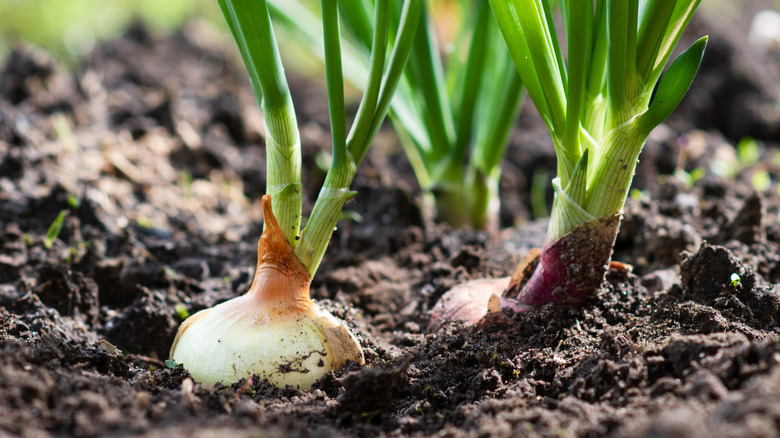
One of the garden's greatest relationships has to be between cucumbers and onions. Like celery, they give off a powerful scent that reportedly repels several pests, including aphids, as well as bigger critters such as rabbits, while their shallow roots mean there's no competition for space or nutrients. Planting garlic as well as onions could enhance your soil's microbiome by protecting against Fusarium wilt, according to a 2020 study.