

The 13 Best Foods For Adding Healthy Carbs To Your Diet
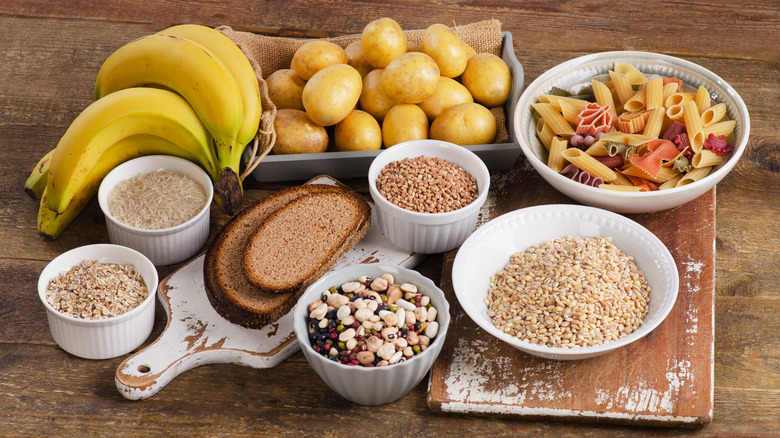
Broadly speaking, there are three kinds of carbohydrates: starches, sugars, and fiber. They're all an essential part of a balanced diet, but considering that they are also divided between simple and complex carbohydrates, these nutrient macros can also be one of the trickiest to keep an eye on. Simple carbs (like table sugar or fruit juice) provide a burst of short-term energy and have a somewhat bad reputation, as they're present in lots of processed foods. Complex carbs, on the other hand, release their energy more slowly because they also contain starch and fiber, which take longer to digest and help us feel fuller for longer (like these high-fiber desserts).
While there is a place in a healthy, balanced diet for occasional simple carbohydrates, the really good news is that there is a wide range of foods packed with the complex kind. Whether you're a lover of savory flavors or you have a penchant for the sweeter things, there's something for everyone, even the younger members of the group. Better yet, they don't have to drain your pocketbook. Here's our pick of healthy carbs that can help to boost your energy levels without sending your blood sugar into orbit.
Whole grains
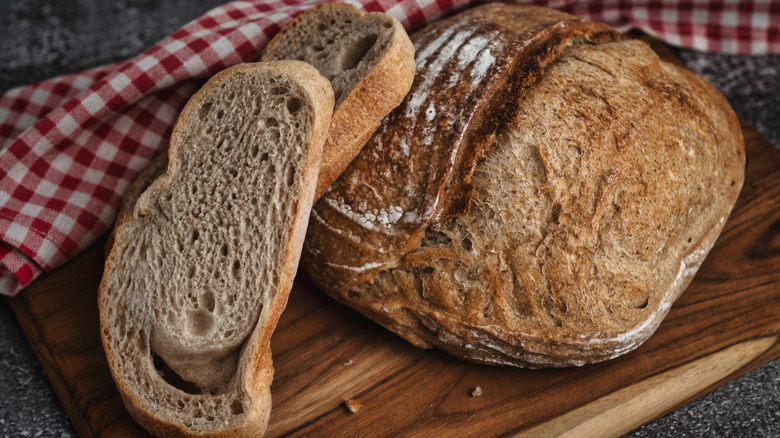
Unlike those made from refined grains, whole grain foods (as the name suggests) use every part of the wheat grain, including the wheat germ and, most importantly, the fiber-filled outer coating called the bran. Whole grain foods are often coarser in texture and less white than their refined cousins, but they're a great source of complex carbs. Switching to whole grain bread — nutritionally, whole wheat is just as good — as well as whole grain flour, pasta, and rice not only introduces you to a world of flavor, but your body will thank you in years to come.
Medjool dates
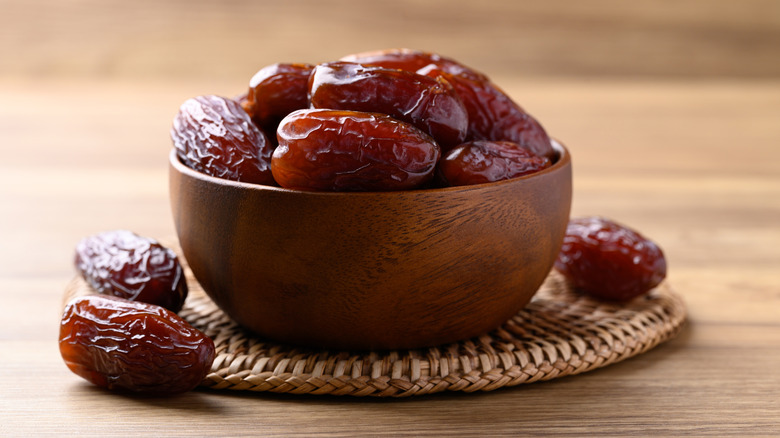
Who among us doesn't love a sweet treat from time to time? Striking a balance between indulgence and eating with health in mind can be hard, but we've got you covered. Medjool dates have been putting smiles on people's faces for thousands of years, and many of them probably had no idea they were a great source of carbohydrates, too. According to the USDA, just two of these will serve up a hefty 36 grams of carbohydrates, including dietary fiber that slows digestion.
Quinoa
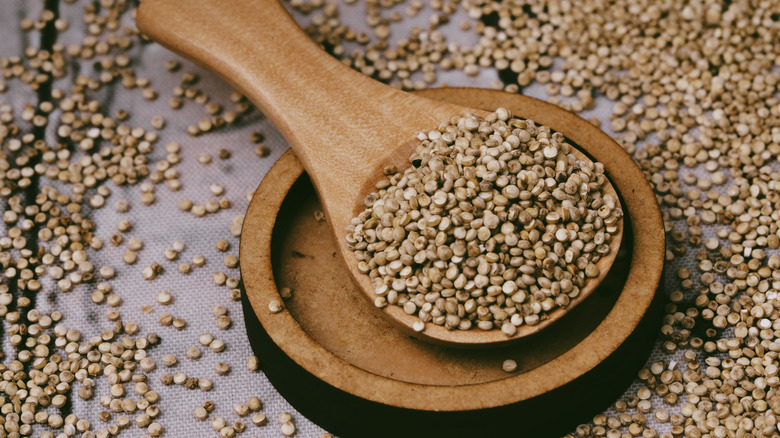
Quinoa may play second fiddle to a juicy berry when it comes to dietary fiber, but don't be in a hurry to write off this dried seed. USDA calculations reveal that a 100-gram serving will deliver an impressive 64.4 grams of carbs, making it a worthy replacement for white rice if you're not a fan of brown rice (or its cook times). Quinoa is also gluten-free, and its mild, slightly nutty flavor means it's perfect for both savory and sweet recipes.
Figs
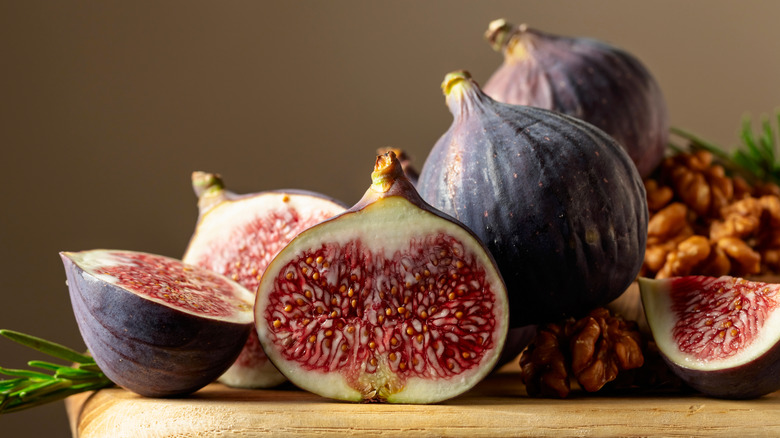
The Mediterranean diet is regarded as one of the healthiest around – ask anyone who lives in this Spanish region — and figs are as crucial to it as olive oil. They contain no salt, fat, or cholesterol but are full of calcium, potassium, and iron. Figs, either fresh or dried, are full of fiber and an excellent source of complex carbohydrates. Cut up a single fig or sprinkle a handful of dried ones onto your morning cereal for a sweet, fruity boost.
Farro
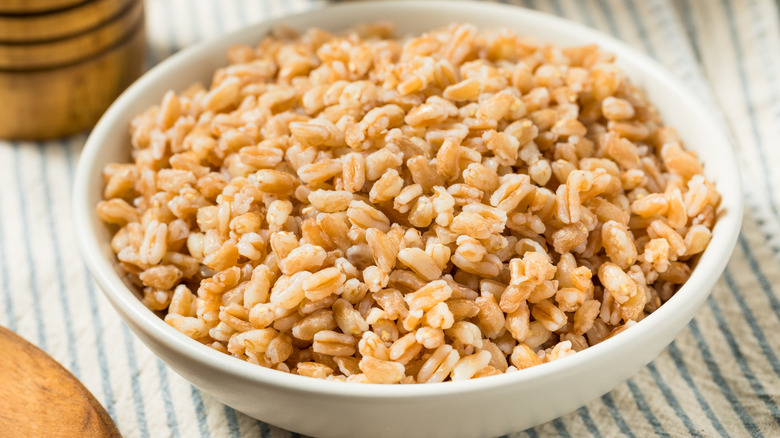
An ancient grain that has been on menus across the world for millennia, farro is a hearty, nutty alternative to quinoa and rice. It can be eaten as a whole grain, packing a complex carbohydrate punch, or as a lighter, semi-pearled option that cooks a bit faster. It's also delicious when made into bread. Grind farro into a flour, and you'll learn that it's ideal for rustling up other better-for-you baked treats, including cookies and muffins.
Pears
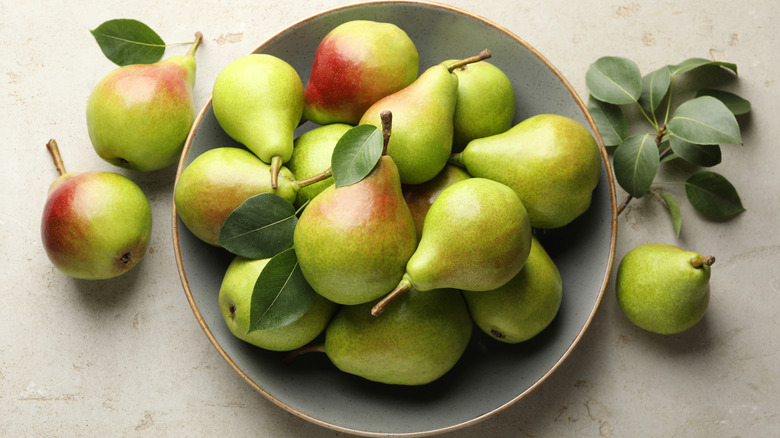
Need a carbohydrate boost while you're on the go? Pop a pear in your bag and you could be all set. These tasty fruits are related to quinces and remain a popular choice among consumers. Yet chances are that few of them realize that pears are a brilliant way to boost their carbohydrate intake. Eating them whole – skin 'n' all — is the best way to get maximum nutrition, while pears are one of several foods you don't have to keep in the fridge.
Oats
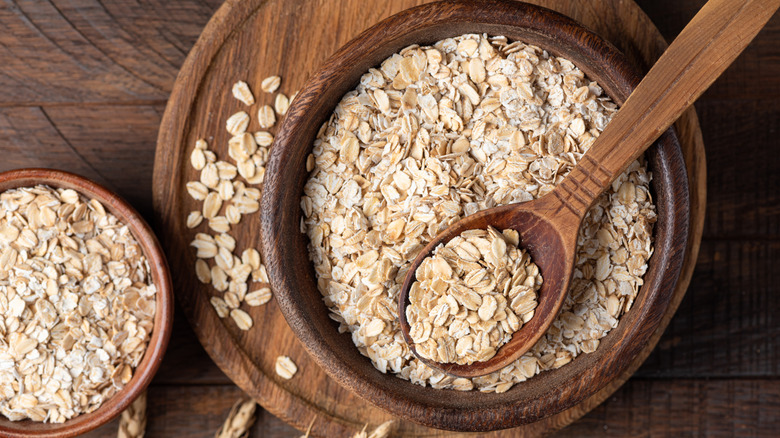
No list of foods that can give us a carbohydrate leg-up would be complete without including oats. There are lots of benefits in your daily bowl of oatmeal, particularly the steel-cut kind, which, unlike instant oats, is far less processed. There's almost 68 grams of carbohydrates in 100 grams of oats, according to the USDA, but the good news doesn't stop there. Oats can do more than get you full of slow-release carb levels at breakfast, too, as they're also good in risotto or home-made fruit bars.
Winter and summer squashes
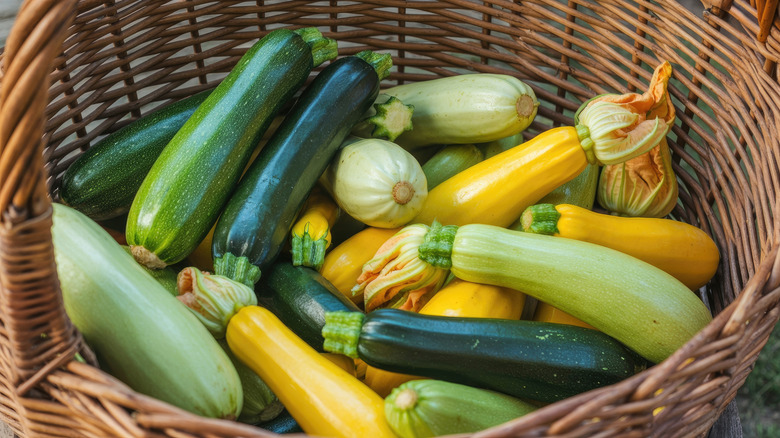
Few foods scream "fall!" like the squash family. What's more, from acorn to zucchini, they all represent healthy ways to up your intake of complex carbohydrates. Alongside all the fiber and vitamins the many kinds contain, both starchy winter and deliciously ripe summer squashes have a low glycemic index, which means they won't cause a spike in your blood sugar. What better reason to give this squash and basil burrata salad a whirl?
Legumes and pulses
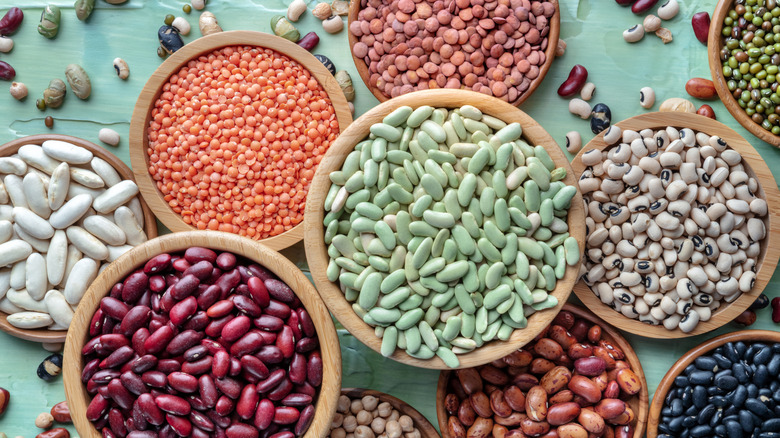
This broad category of foods takes in everything from lentils to the vast range of beans that include pinto, cannellini, and garbanzo (or chickpeas), as well as black-eyed peas. As well as being a versatile and relatively cheap portfolio of ingredients, beans and pulses are also good sources of complex carbs. What could be easier to crank up your intake than adding a drained can of chickpeas to a salad or blending black beans into your next batch of brownies?
Bananas
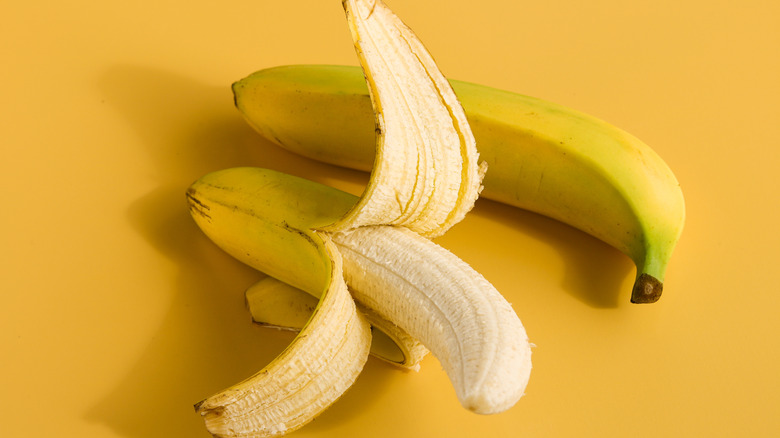
Potassium is usually the first nutrient that comes to mind with bananas, and it does contain a respectable amount, but you also get both simple and complex carbs from this beloved fruit. Many people eat one at breakfast time, perhaps sliced into a bowl of oatmeal or added to a smoothie, but they're handy to have any time of the day for an energy boost. In fact, the clever banana will change color and thereby mark its different nutritional stages.
Starchy veggies
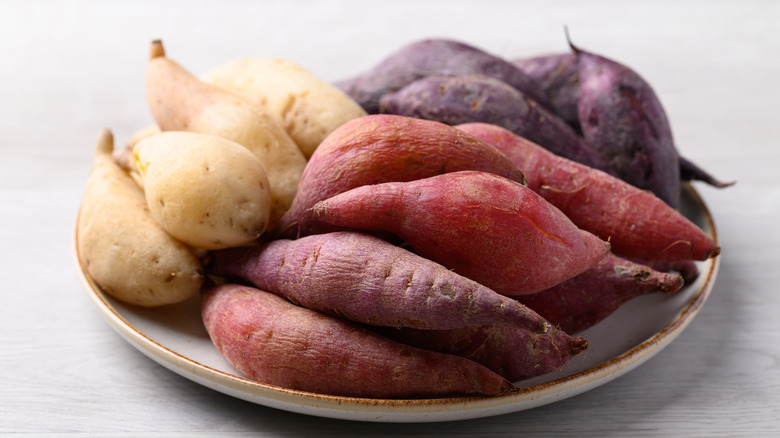
There are some who discount potatoes as a good source of carbs because of their impact on blood sugar levels, not to mention the less-healthy ways many of them are consumed. But they, alongside starchy root veggies like sweet potatoes (orange and purple) and parsnips, still merit a place among other foods in a balanced diet. Try steaming or baking them as a healthier cooking alternative to frying or limiting your intake to once a week, and you'll still get many of the complex carb benefits.